Tribeca Film Festival: MATININÓ, The Art of Collective Storytelling to Overcome Trauma

Photo by Micaela Barros Zelaznik
Matininó is a hybrid documentary that follows the Villanueva-Rodriguez family, a multigenerational family of Puerto Rican women who confront a legacy of domestic violence, misogyny, and intergenerational trauma through the act of collective storytelling and filmmaking.
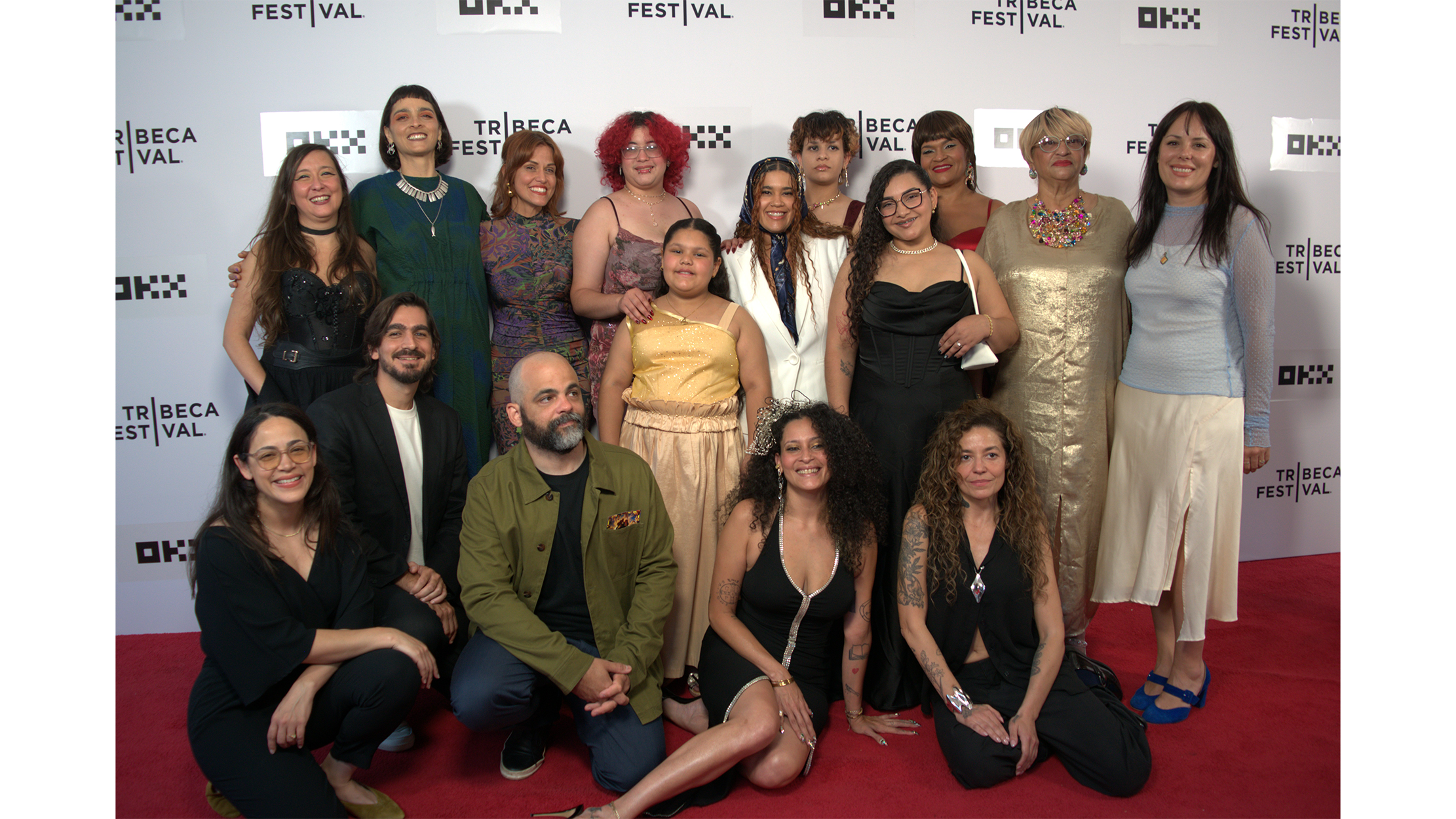
Photo by Micaela Barros Zelaznik
At the center of the film is matriarch Idaliz Villanueva, who decades earlier made the difficult decision to leave an abusive marriage while raising her young daughters. Although years have passed, the emotional impact of that violence continues to shape the family's relationships and sense of identity. Rather than recounting their experiences through a traditional documentary format, the women come together to create a science-fiction and fantasy narrative inspired by Caribbean mythology, imagining a world where women are the dominant force and patriarchal violence no longer exists. Through intimate conversations, memories, and collaborative creative exercises, the film explores how trauma reverberates across generations while also examining the power of imagination as a tool for healing and liberation. What makes Matininó particularly distinctive is its seamless blending of documentary reality and fantasy. As the family writes, performs, and films scenes from their imagined universe, the boundaries between lived experience and myth begin to dissolve. The women transform themselves into warrior-like figures inhabiting an island shaped by their own rules and values, reclaiming narratives that were once defined by fear and abuse. The film moves between candid family discussions around kitchen tables and visually striking dreamlike sequences set in the Puerto Rican countryside, creating a kaleidoscopic portrait of resilience and collective empowerment. Rather than focusing solely on suffering, the film centers the family's creativity and agency, showing how storytelling can become a form of resistance and self-determination. Ultimately, Matinino is not only a documentary about surviving violence but also a powerful meditation on how families can reimagine their histories, break cycles of trauma, and create new possibilities for future generations through shared imagination.
Matininó transforms personal and familial trauma into a collective act of world-building.
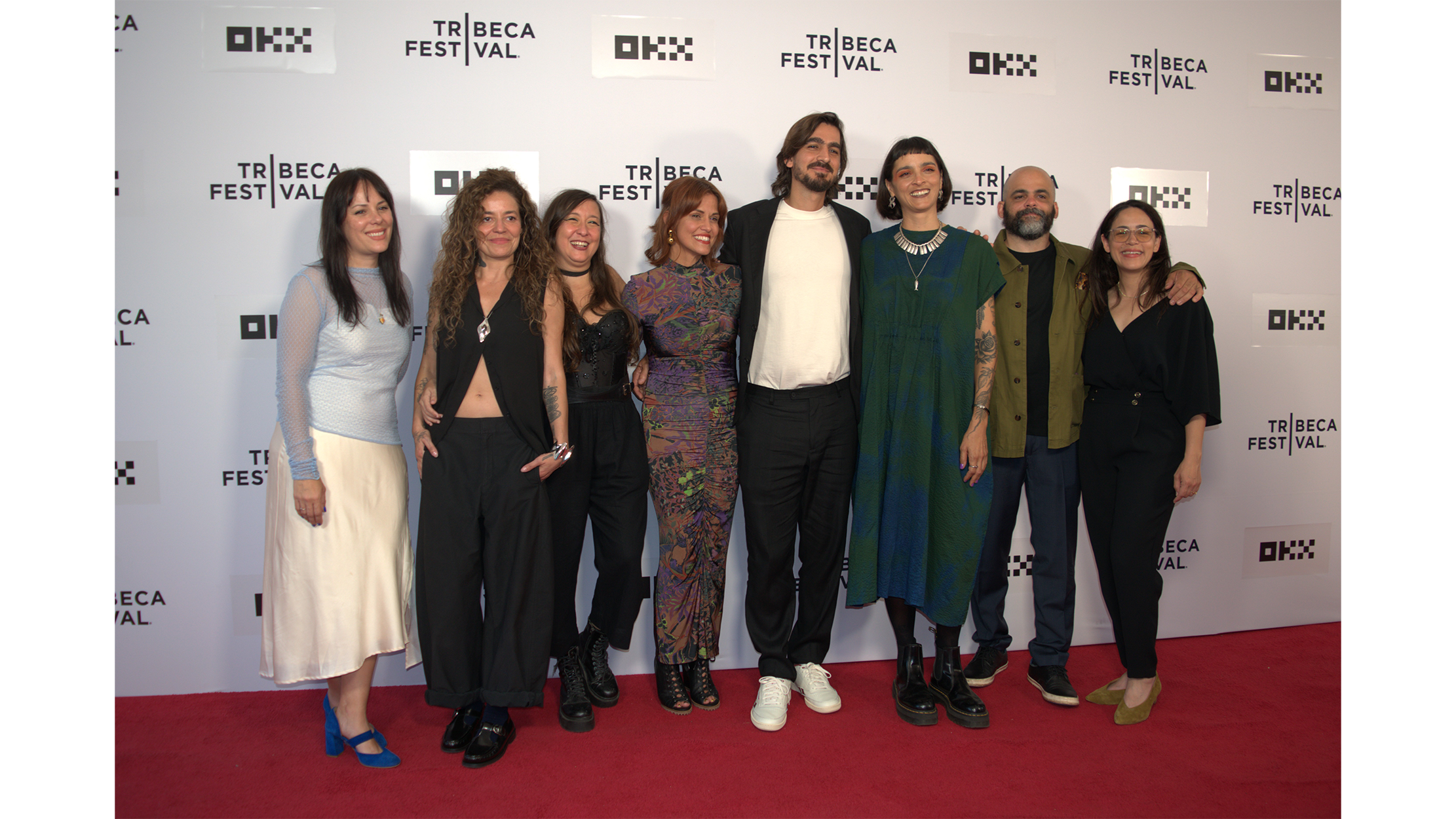
Photo by Micaela Barros Zelaznik
Rather than simply documenting the past, the film imagines an entirely new reality. What does speculative storytelling allow you to explore about memory, healing, and liberation that a conventional documentary framework might not?
I think what makes this film special is we talk a lot about trauma and healing and violence, and in a traditional documentary you're doing it mostly through interviews and footage. But, I think with us we created this structure of a fantasy film to give the family a little bit of distance from their personal story so they could explore it in a new way, and I think by doing that they are able to explore more deeply without the insecurities of having to talk about it in such a direct manner.
The film has many generations of people ages six to seventy, and for a 6 year old, fear may be presented in the form of a cyclops or a spider-man, whereas for a seventy year old, from life experience or may be from lived experience like violence and trauma, it really creates a way for them to speak to each other in the same language without necessarily reopening traumatic wounds. So, we are really proud about how we approached the topic.
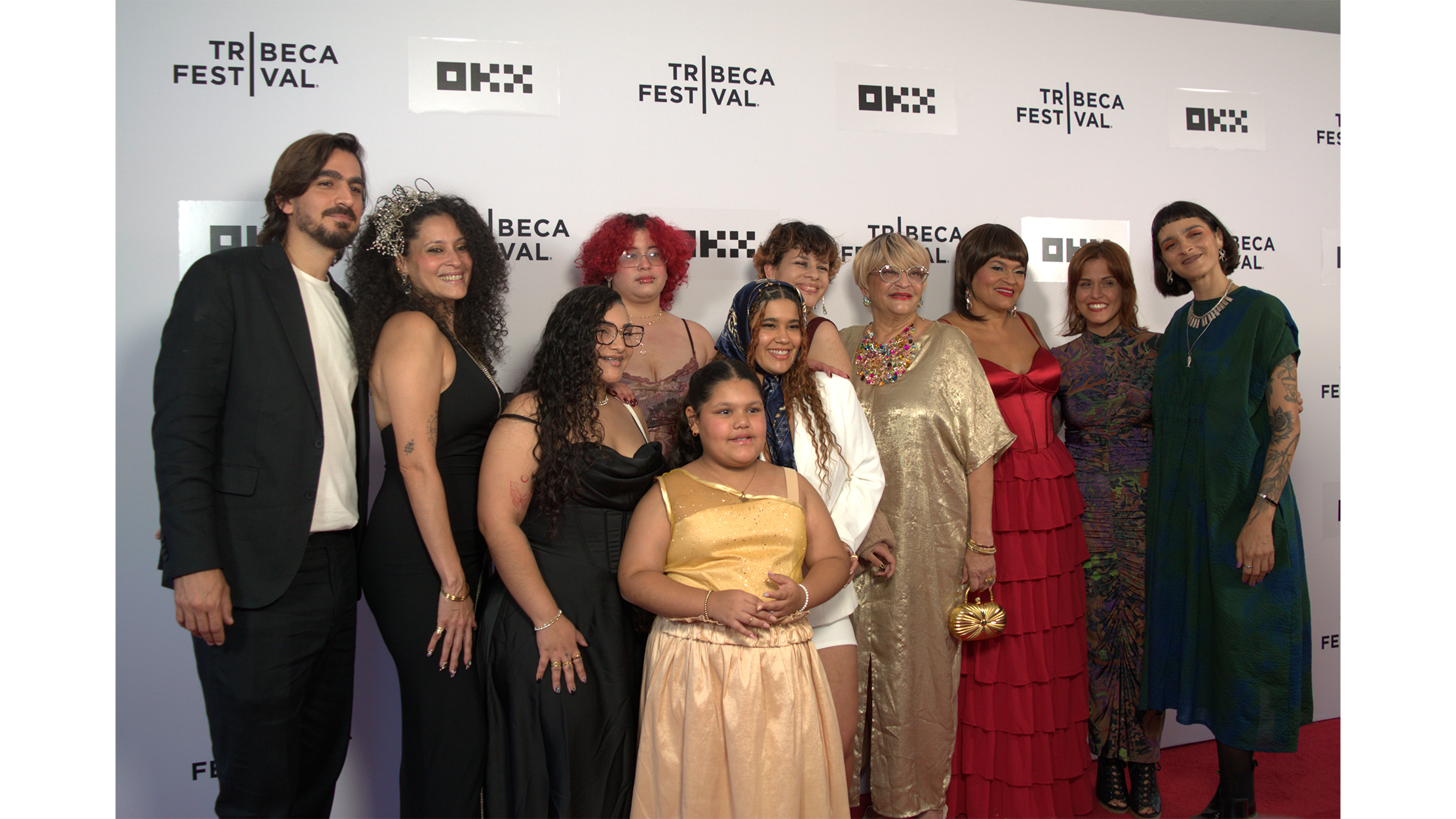
Photo by Micaela Barros Zelaznik
The women in the film are not only subjects but active participants in constructing the mythology of Matininó. How did this collaborative process challenge traditional power dynamics between filmmaker and subject, and in what ways did it reshape your understanding of authorship?
I think that when we started the process we were really excited about the possibilities of really sharing that authorship, and of course when we put it into practice there was a lot of challenges as well. We let the families imagination run wild, which is really exciting but at times it also complicated ways to connect the narrative. Also, we are on a production budget, so they are dreaming of these big creatures and worlds and we have to construct them and find creative ways to do it. So, the film really takes on this DIY approach obviously because the families are creating it, but also out of necessity. We learned to take what they had as their vision and bring it to life in any way we could. So we really used the world us as props and environment, costumes, and most of the people we worked with in the process are people who've reused materials and have learned to work in the world around them, especially in Puerto Rico where its a really unique environment. It was a really interesting experience and I think there's challenges but we were able to create something really beautiful as well from those challenges.
Director: Gabriela Diaz Arp
Photo by Micaela Barros Zelaznik
Article by Emma Green, Contributor, PhotoBook Magazine
Tearsheets by Daniel López, Art Director, PhotoBook Magazine
RELATED STORIES