“Choosing Pieces That Do the Talking for You”: Kamara Williams on the Power of Personal Style
Kamara Williams has built a distinct voice at the intersection of fashion, storytelling, and self-expression. As the founder and Editor-in-Chief of IN THING, she has reimagined style media through a lens that feels modern, accessible, and deeply personal bridging the gap between runway inspiration and everyday confidence. With a background spanning editorial, styling, content creation, and creative direction, Williams approaches fashion not as a set of rules, but as a language of identity. Through both IN THING and her creative agency, Kharma Media, she continues to shape conversations around individuality, empowerment, and what it means to dress with intention.
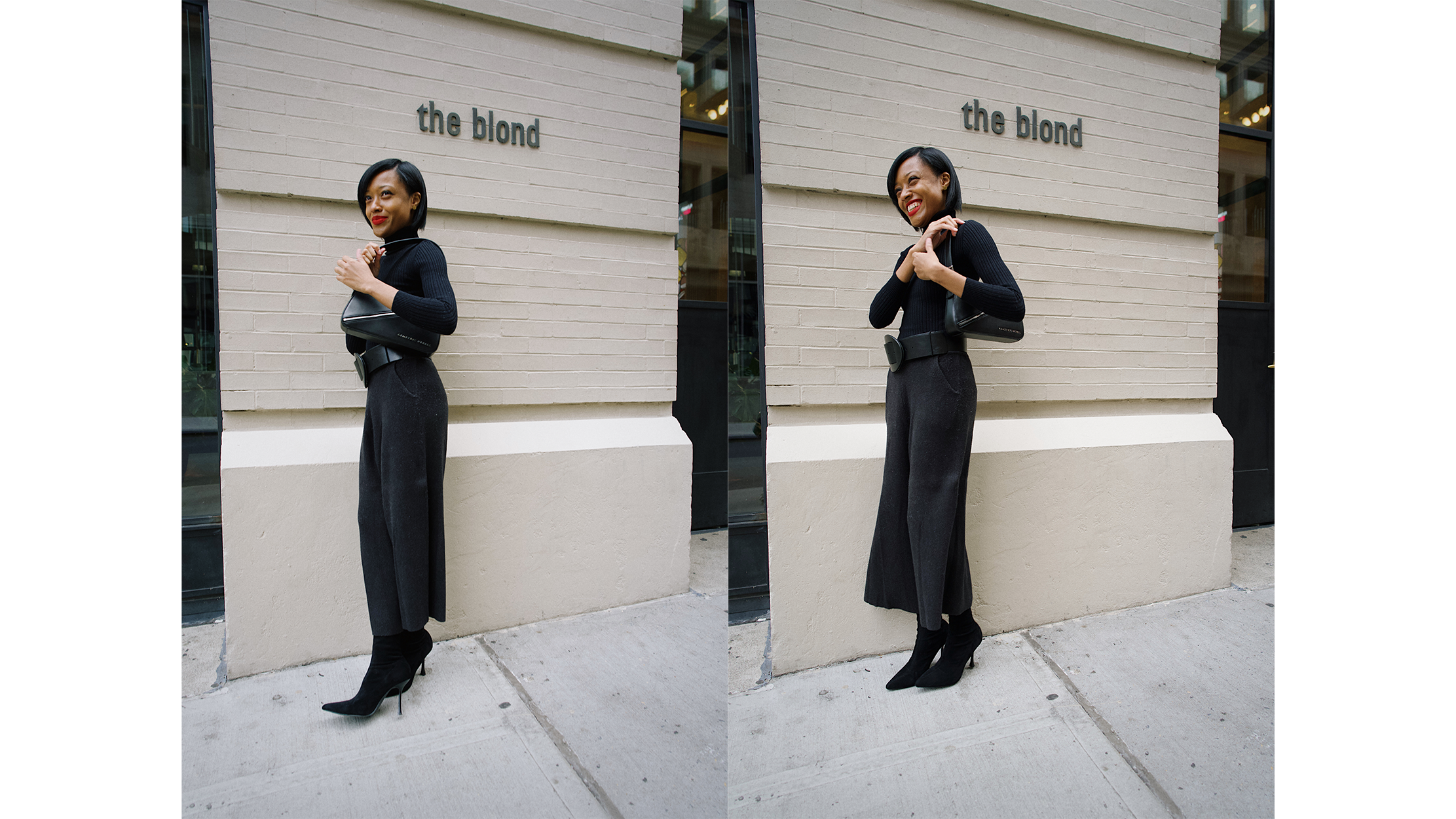
Kamara, you've built a career at the intersection of editorial, styling, and brand storytelling. When you look back, what early experiences most shaped your perspective on fashion and personal style?
Watching my mom get dressed for work, going out, and everything in between was definitely a formative experience in how I viewed fashion and style. I just thought she was the coolest person (still do), and I couldn't wait for my turn to indulge in all the possibilities of style.
I also grew up watching a lot of music videos, which became a huge entry point into fashion for me. I was drawn into each artist's world and how they expressed that through fashion and style.
Even then, I understood style to be a language, something you can use to share your unique expression.
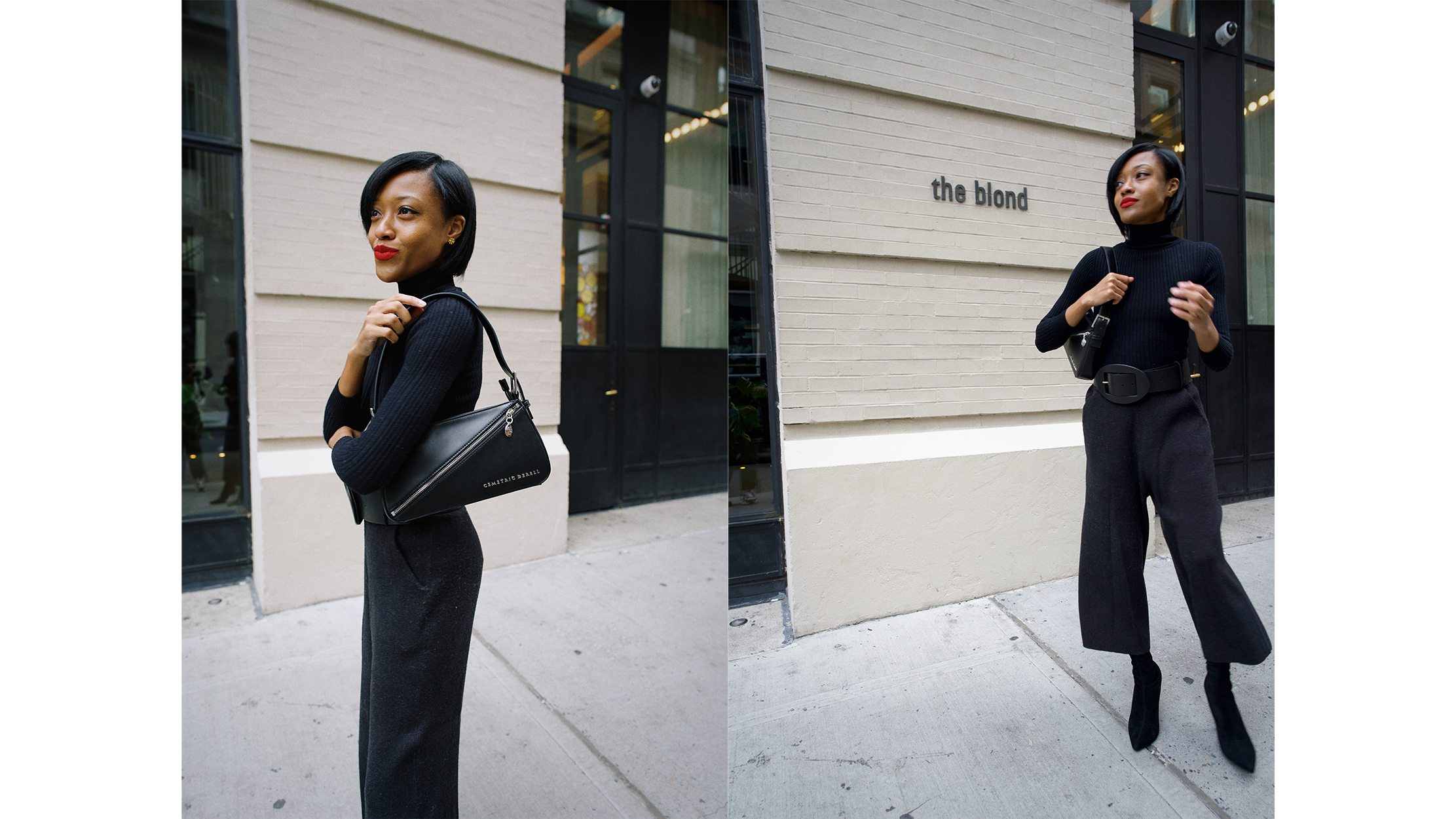
You've described IN THING as a platform that translates fashion into real life. When did you first recognize that disconnect between runway fashion and everyday dressingand feel compelled to bridge it?
During high school and into college, I spent a lot of time exploring my personal style, and by the time I got to college, I felt like I had really figured it out. During that time, especially in college, my friends and peers would often come to me for style advice. A lot of women would say, "Only you could pull that off," and I knew that wasn't necessarily true. They just needed the right formulas to put together the looks they wanted to wear.
More importantly, I wanted them to understand that style is about confidence, being comfortable in who you are and translating that through what you wear. I knew that with the right tools and style education, they would feel more confident exploring themselves through style.
I wanted to bridge that gap and show women that fashion isn't hard or intimidating. It's actually really fun, and sometimes even therapeutic. I also wanted them to see in themselves what they found alluring in me, and I knew they could find that through style.
As the founder of IN THING, you've created a distinct visual and editorial voice. How did you go about defining that identity in the early stages?
When I was launching IN THING, I knew I wanted it to feel different. A lot of the major publications and authorities on style often felt the same and delivered a similar experience. It was either heavily focused on inspiration, which has its place, but lacked education on how to actually achieve the looks, or it offered style education in a way that felt stiff and overly serious.
I wanted to create a platform that delivered the know-how, but in a way that felt fun, modern, and visually compelling, both editorially and creatively.
Your work feels deeply rooted in clarity and intention. How do you personally define "good style" today?
I define good style as something that captures your essence. When you know who you are, how you express that feels aligned and natural, that’s when style really works. Choosing pieces that do the talking for you also plays a big part in that.
In a digital landscape that often prioritizes trends and immediacy, your platform takes ore refined, thoughtful approach. Was that a deliberate response to the current fashio ecosystem?
Yes. Great style isn't built on trends, it's built on a solid foundation. Whether that's core essentials or the types of pieces you naturally gravitate toward, those are the things you build your wardrobe around.
I'm not against trends, though. I think they're a great way to further highlight your personal style because they give you an opportunity to interpret something in your own way. But they should be introduced later, as a way to explore something that may or may not be outside of your comfort zone.
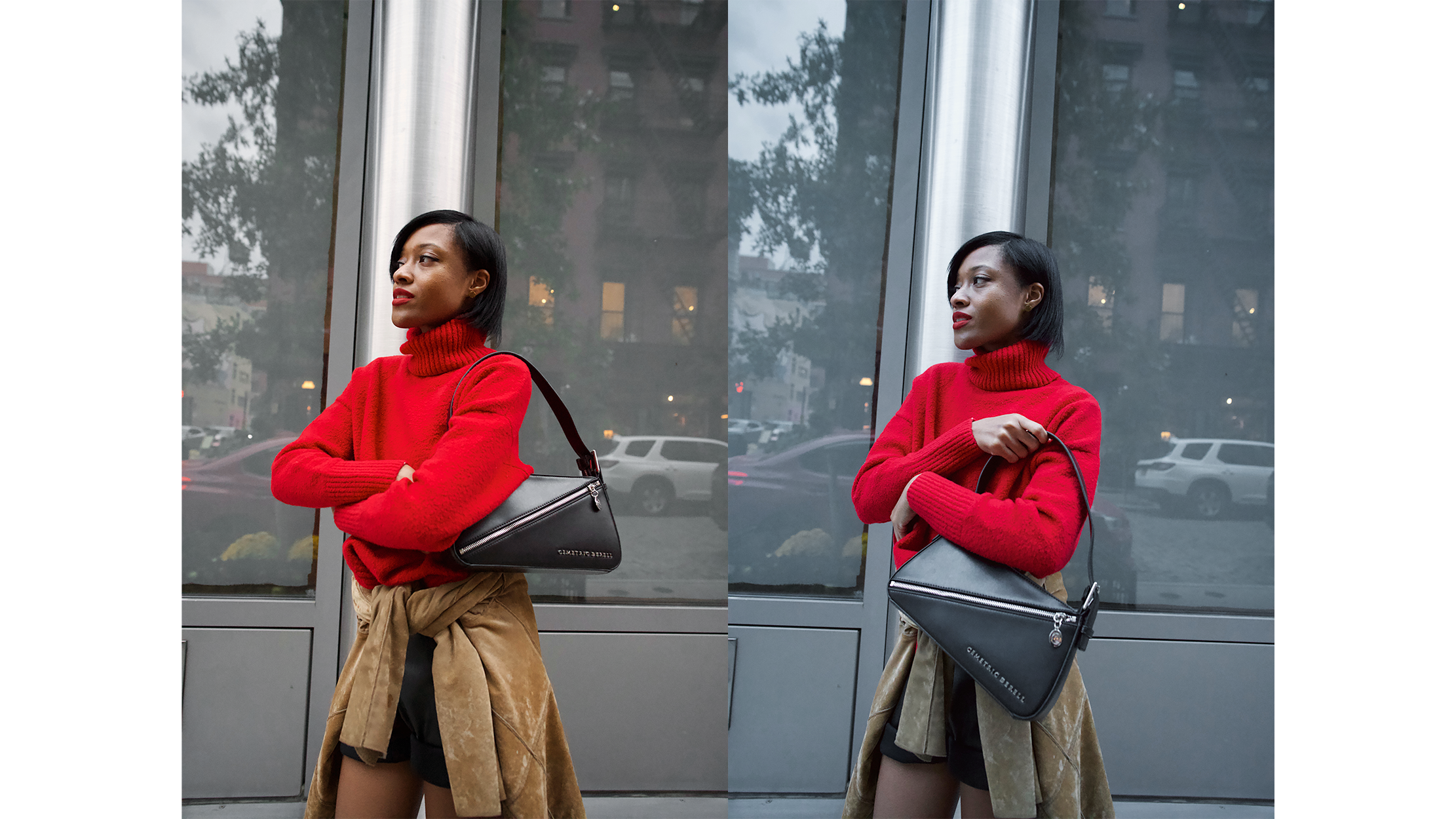
You've worked across styling, content creation, and creative direction. How do these different disciplines inform one another in your work?
They all feed into each other. I see everything I produce as a creation of its own, all rooted in creative direction. Everything I make has a theme or a specific point of view, whether that’s an outfit, a video, or a full campaign.
Thank you for your patience, looking forward to sharing the feature!
They all stem from the same creative source and are expressed through different channels styling, content creation, and creative direction. And whenever I pick up an insight or skill from one area, I apply it to the others.
For example, I use color theory when building outfits, when coordinating the overall visual of a shoot to ensure the subject complements the background, or when thinking about a brand's visual direction. It all comes together in a way that feels both intentional and exciting.
Your aesthetic feels consistent yet evolving. How has your own personal style changed over time, and what has influenced those shifts?
My style has always been a mix of classic, modern, and playful elements, but it has evolved into more polished versions of that same idea or sometimes more relaxed ones.
I see my style evolution as different eras, each shaped by where I am in life emotionally and mentally. When life feels intense, I might lean into color as a way to express or balance that energy. Other times, I'm more minimal, reflecting a focus on being present and intentional.
It really depends on how I feel, or how I want to feel in that moment, that influences those shifts.
With Kharma Media, you've expanded into building brand identities and campaigns. What kinds of stories are you most interested in helping brands tell right now?
I love helping brands build identities rooted in confidence, individuality, empowerment community, innovation, and inspiration. I'm most excited working with brands and founders who have something fresh to say, something new, thoughtful, and engaging that I know audiences will connect with.
I'm happiest when I'm working on something that feels alive, exciting, and a little bit different.
For women navigating their own relationship with style, what do you hope IN THING ultimately communicates about confidence and identity?
I want IN THING to champion individuality and give women the tools to fully explore that. I believe that’s the only way to arrive at true confidence and a strong sense of identity. I want women to understand that they are one of one. There is only one person in the entire universe who is them, and they should channel that uniqueness in both life and style.
As your platform and creative work continue to grow, what does success look like to you in this next chapter?
Success, to me, looks like being able to freely express myself at the highest level, in whatever form that takes.
For the platform, I want it to become a hub for all things style from inspiration to education to shopping to community. A place where women can come to feel inspired, gain insight, and have a truly elevated experience.
If you could speak to an earlier version of yourself—before IN THING, before building your own platform— what would you want her to know?
Relax.
It all unfolds in time, and you will get to do all the creative things you’ve always dreamed of.
Interview by Joaquina Dima, Contributor, PhotoBook Magazine
Tearsheets by Daniel López, Art Director, PhotoBook Magazine
*Images Courtesy of IN THING
RELATED STORIES