From Luxury Branding to Fine Art: Ryan Hattaway on Purpose-Driven Creativity
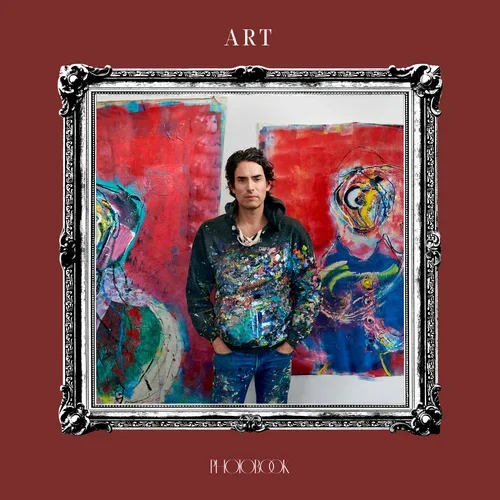
Ryan Hattaway doesn't just capture images; he builds worlds. From the high-stakes yacht shows of Monaco to the front lines of disaster relief in Haiti, Ryan's path to becoming a multi-disciplinary artist was anything but linear. After a decade spent navigating the commercial landscapes of marketing and design, a series of accidental moments behind the lens sparked a deeper calling.
Today, his work sits at the intersection of luxury and purpose, blending high-fashion aesthetics with a radical commitment to environmental advocacy through his collective, Art Loves Earth. Ryan is proving that beauty isn't just something to look at, it's a tool to create positive impact.
Ryan, your work involves photography, film, design, and fine art. What was the first creative outlet that truly felt like your language, and when did you realize art could become a life's pursuit rather than a side passion?
That's a challenging question because I was artistic as a kid. I could always draw and paint well, and people recognized my talent early on. However, I didn't see where that fit into a career back then; I didn't see myself as an animator. So, I actually put it down for a while. After high school and throughout college, I pursued the fitness industry. I didn't rediscover my creative side until my mid-20s when I started my marketing agency and taught myself about design and branding. I was starting out in the marketing world and realized that websites and graphics were tools I needed to add value for my clients. That was the first time I channeled my creativity into work, doing small design pieces and logos. To scale that, I moved into web design and eventually UX/UI. I did well, but the passion wasn't there. You'd spend a year building a beautiful website only for a brand to throw it away 12 months later. It felt transactional, with no real utility. I didn't find photography until my mid-30s, and it happened by accident. I had been managing other creatives for ten years, but then I went to Monaco for the Yacht Show. I was booked by the SeaKeepers Society for a video project and brought a filmmaker from CNN with me. On our second day, his boss called and told him if he wasn't back by tomorrow, he would be fired because of a breaking news story. He handed me the camera, and I had to learn to shoot right there on-site at a dinner filled with founders and billionaires. It was high pressure. Looking back, I wasn't very good, but I was a quick learner and it was fun. That's when it clicked, this was a way I could use my visual eye to tell stories and go on adventures.
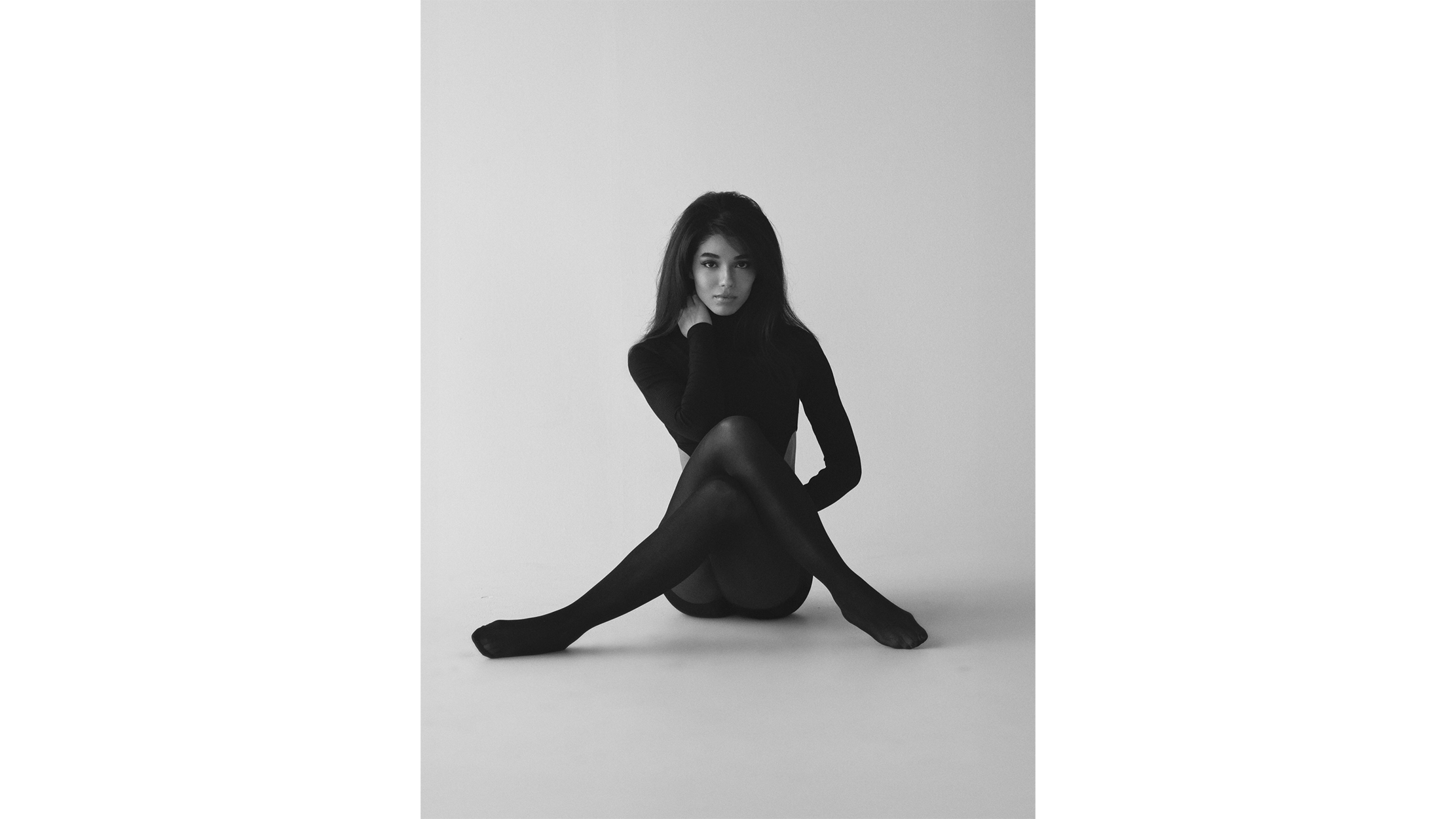
Within these different art forms, how do you decide which medium best serves a particular story-especially when the message is tied to environmental impact?
I think the project always determines the medium. With any type of impact, storytelling is the most powerful tool. Video tends to be the best way to do that, though photos and other art forms can play their part. With Art Loves Earth, telling people's stories and sharing firsthand experiences is vital because that's how I learned. I traveled to Haiti and Africa, some of the poorest countries in the world, and it's hard to describe that feeling unless you're there. The best way to recreate that for someone else is through video. I was actually volunteering on the documentary side before I ever shot big brand stuff.
Seeing how video helped transform the charities I worked with was inspiring. For example, I worked with a group called Global Ambassadors. The first year I volunteered to make a short film for them, the founder told me it transformed his nonprofit more in one video than the previous ten years of work combined.
That video was eventually shown at the United Nations, and I was asked to speak at the General Assembly. Being in front of that assembly was intimidating! That was my first experience with the power of film and giving back. I eventually did several tours to Haiti, Africa, Guatemala, and Puerto Rico, doing disaster relief after hurricanes. That got me hooked on the idea of putting my creative skills to the best possible use. It's what inspired Art Loves Earth years later. I realized people want to give back, they just want to do it in a way that's authentic to them. I'm not in the medical field, but I can share the story of those who are. It's about everyone chipping in with what they can do.
You've built a career that blends luxury, culture, and storytelling. How did your early experiences in branding and creative direction shape the way you now approach art as a more personal practice, including recently signing with Avant Gallery?
I've always pursued experiences over money. I've also always gravitated toward craftsmanship and beauty. Whether it's a winemaker, a watchmaker, or a car designer, I love the care that goes into sourcing materials and creating something great. Those were the stories I was initially attracted to, which led me to luxury brands. I'd go from touring a facility at Hublot, seeing them make a million-dollar watch with 500 meticulous pieces, to being in a recording studio with songwriters for hours, or being backstage at a fashion show. However, I've also seen the shallow side of luxury, the side that lacks substance or soul. Just because something is expensive doesn't mean it has a soul. Learning the ins and outs of that world, while also spending time on the streets with graffiti artists or in basements in a darkroom with old-school film photographers, gave me an appreciation for all forms of art.
My journey has been full circle. I started as an artist, took a commercial journey through design and marketing, and then shifted back to the creative side through film and photography. The first goal as a creative is to be successful enough to keep creating. Once you reach stability, you start asking: "What is my message? What am I leaving behind?" I'm returning to my roots and creating art for myself again. I actually just signed with Avant Gallery in Miami for my contemporary photography.
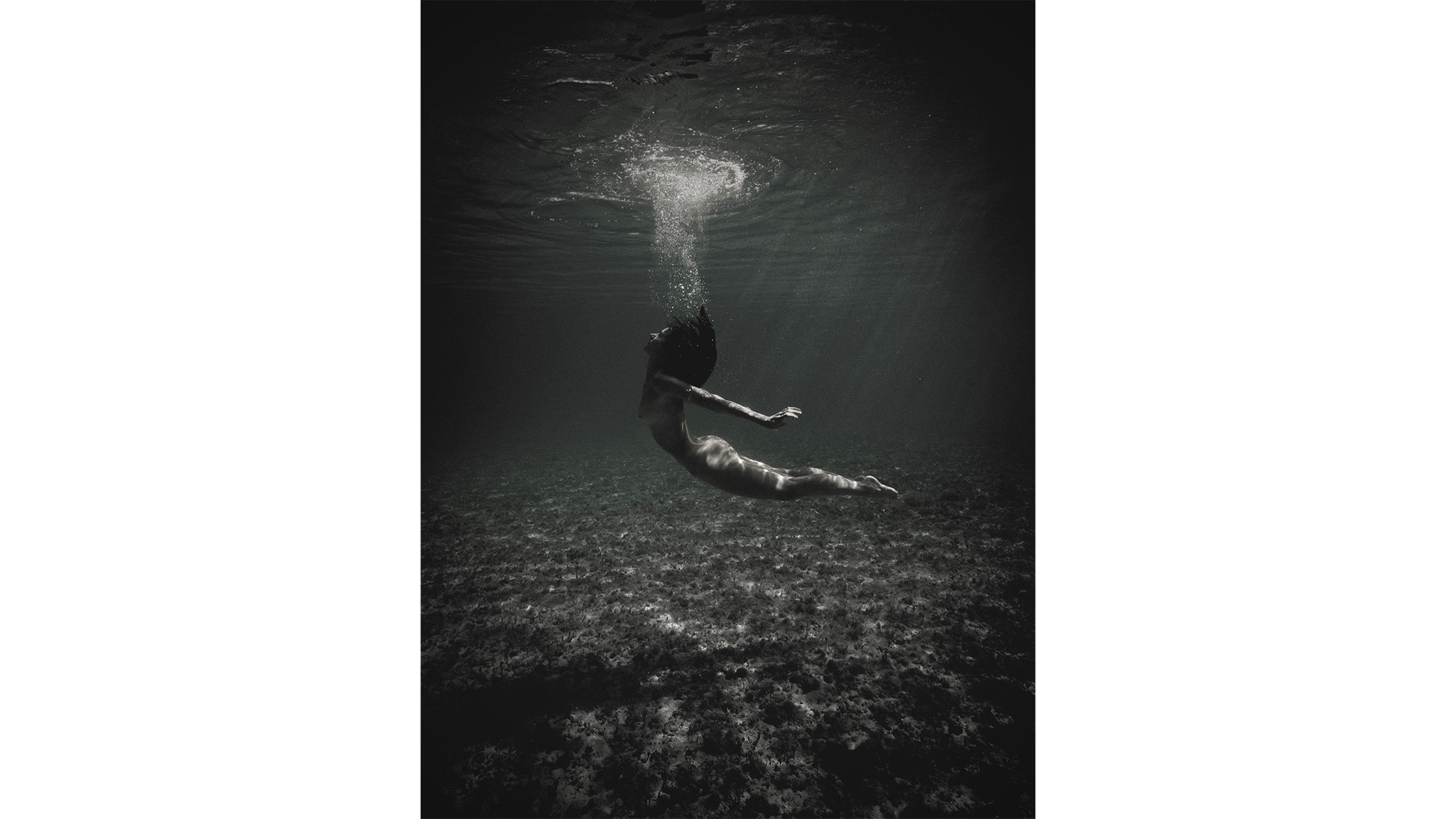
When you begin a project, what usually comes first for you—the visual image, the emotional story behind it, or the message you want the viewer to sit with?
It depends on whether it's a commercial project or a personal one. For a commercial project, you're meeting with the brand or the client to understand their goals; usually, that is where the message originates. You want to understand the target audience so you can determine the design of the campaign from that perspective. On the art side, personally, I find inspiration everywhere. Sometimes it comes from something visual, something I'm doing, or somewhere I'm going. Inspiration can truly come from anywhere. So, while it can be a visual, it's also very much about what you're trying to say.
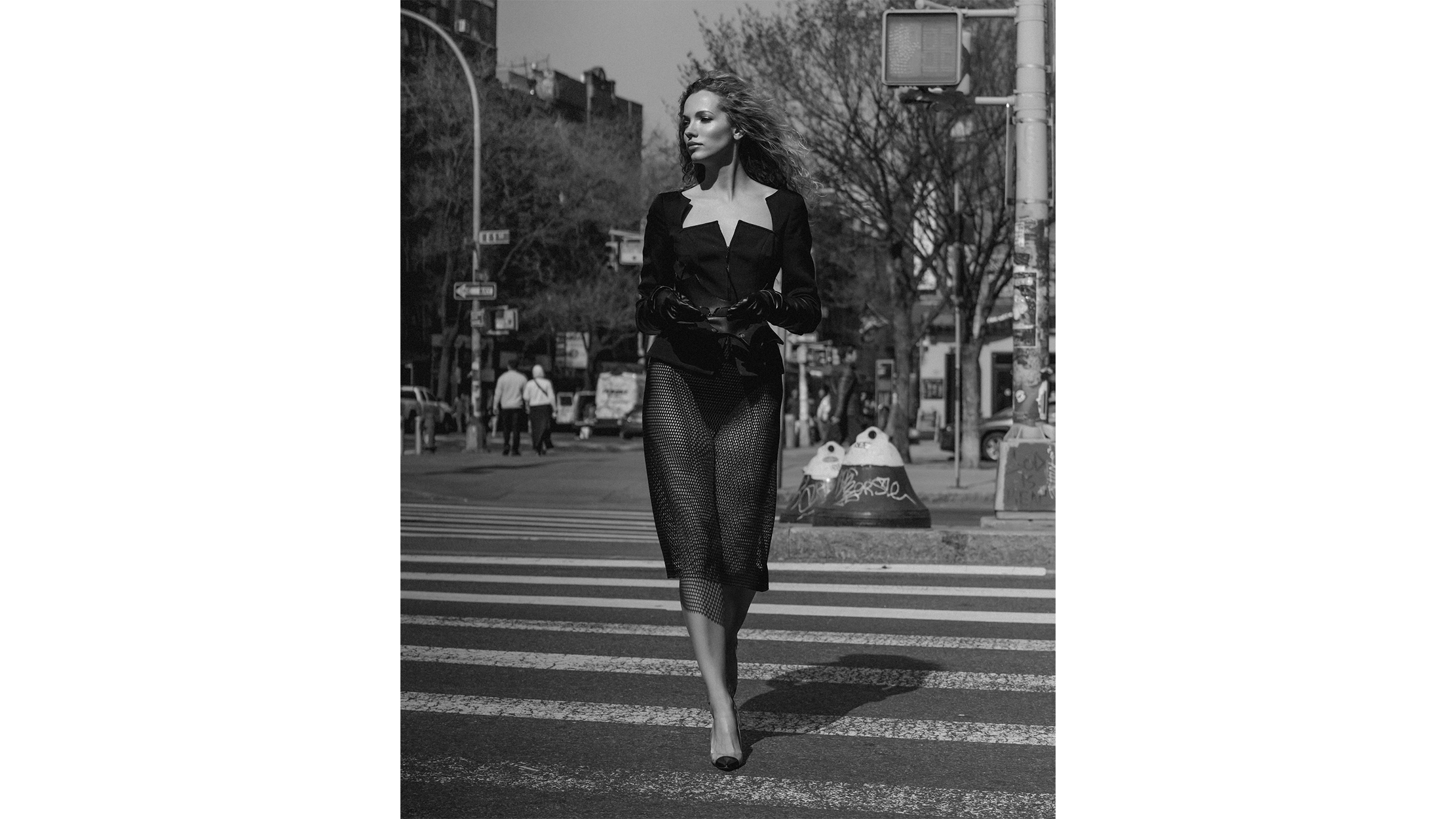
You've collaborated with major global brands such as Ferrari and Red Bull while also maintaining a distinct artistic voice. How do you navigate the balance between commercial work and creative freedom?
Well, number one: I pursue work that aligns with my creative style. I could pursue things that pay much better. Those 'less sexy' industries tend to pay very well, but I've never been motivated by money first. I would rather pursue the visual lanes that I'm passionate about because that is where you can truly be creative. There are always limitations that brands might put on you, but that also requires creativity to figure out how to deliver what they want while still finding a way to carve out a distinctive look. My best advice is to pursue the things you love where you can really be artistic, because it won't pay well until you’ve paid your dues in the industry.
You have to keep doing it even when it doesn't make sense; that is what allows you to reach the level where it finally does. If you do it for any other reason, you won't keep trying when things get hard. There were a million times I should have never kept going, but I never quit. I would be here shooting every day even if I wasn't making a dollar, and that's why you have to go after what you love.
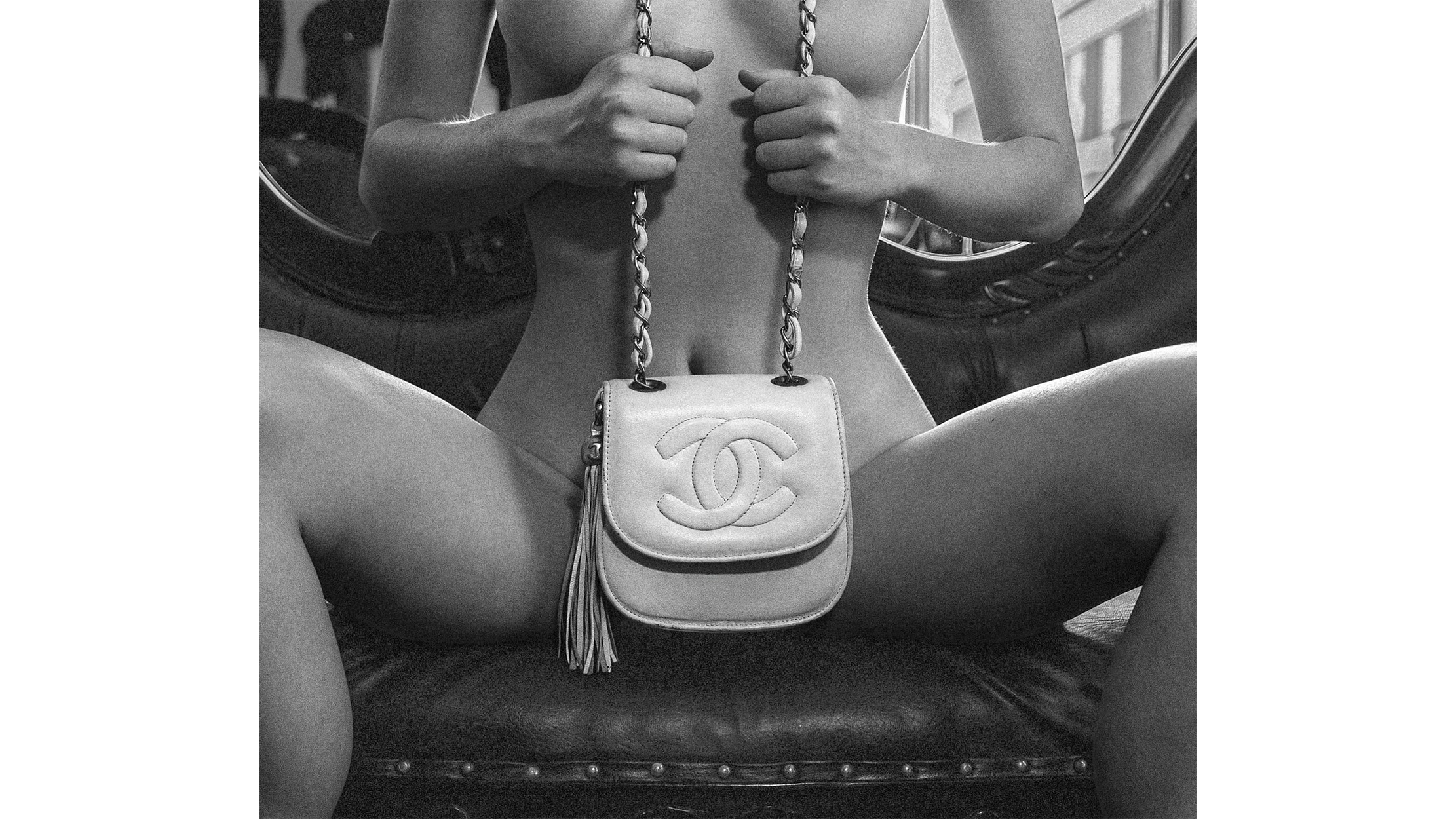
Your transition into more fine-art-driven photography and film marked a shift towards deeper storytelling. Was there a specific moment or project that started this evolution for you?
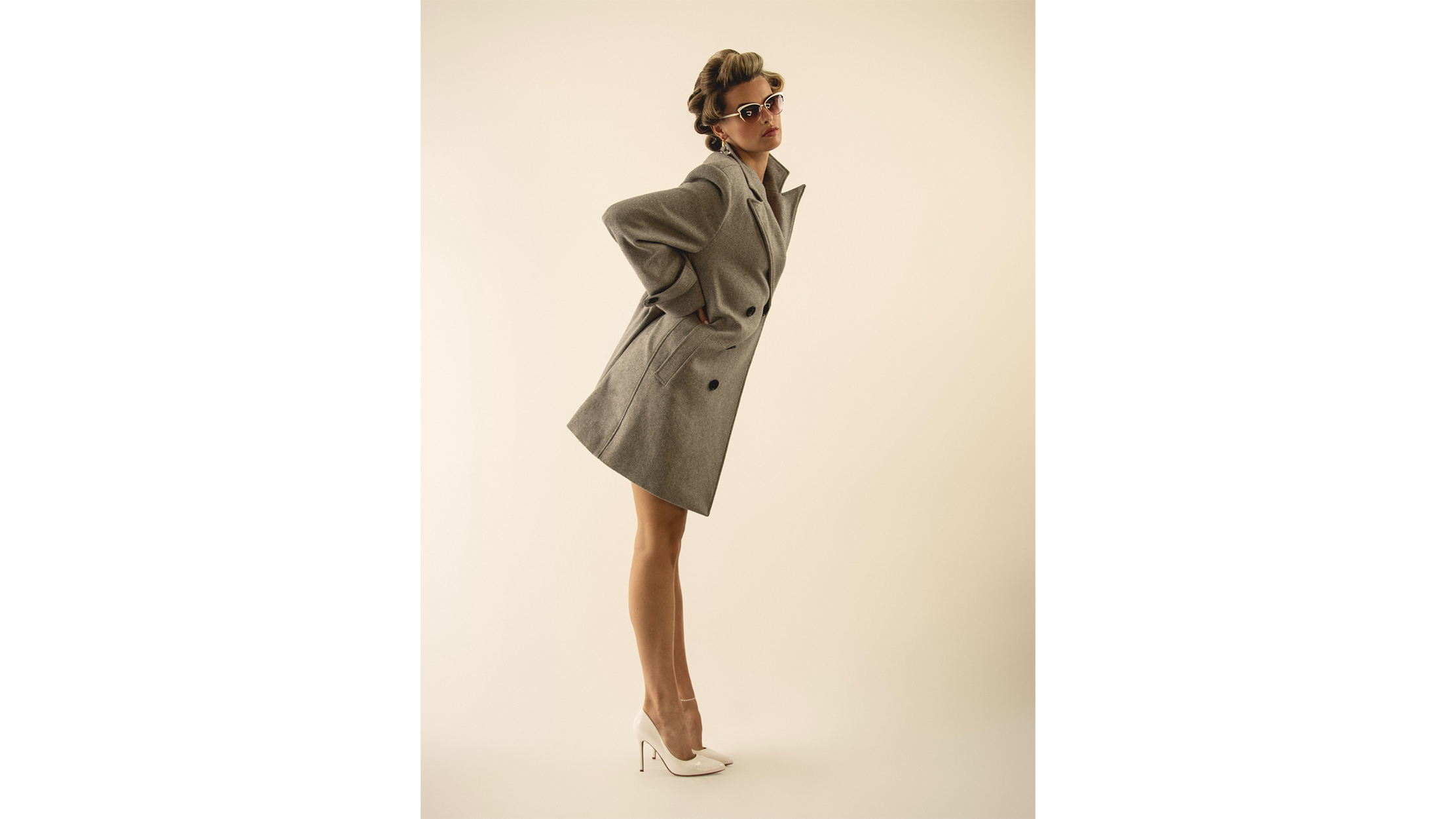
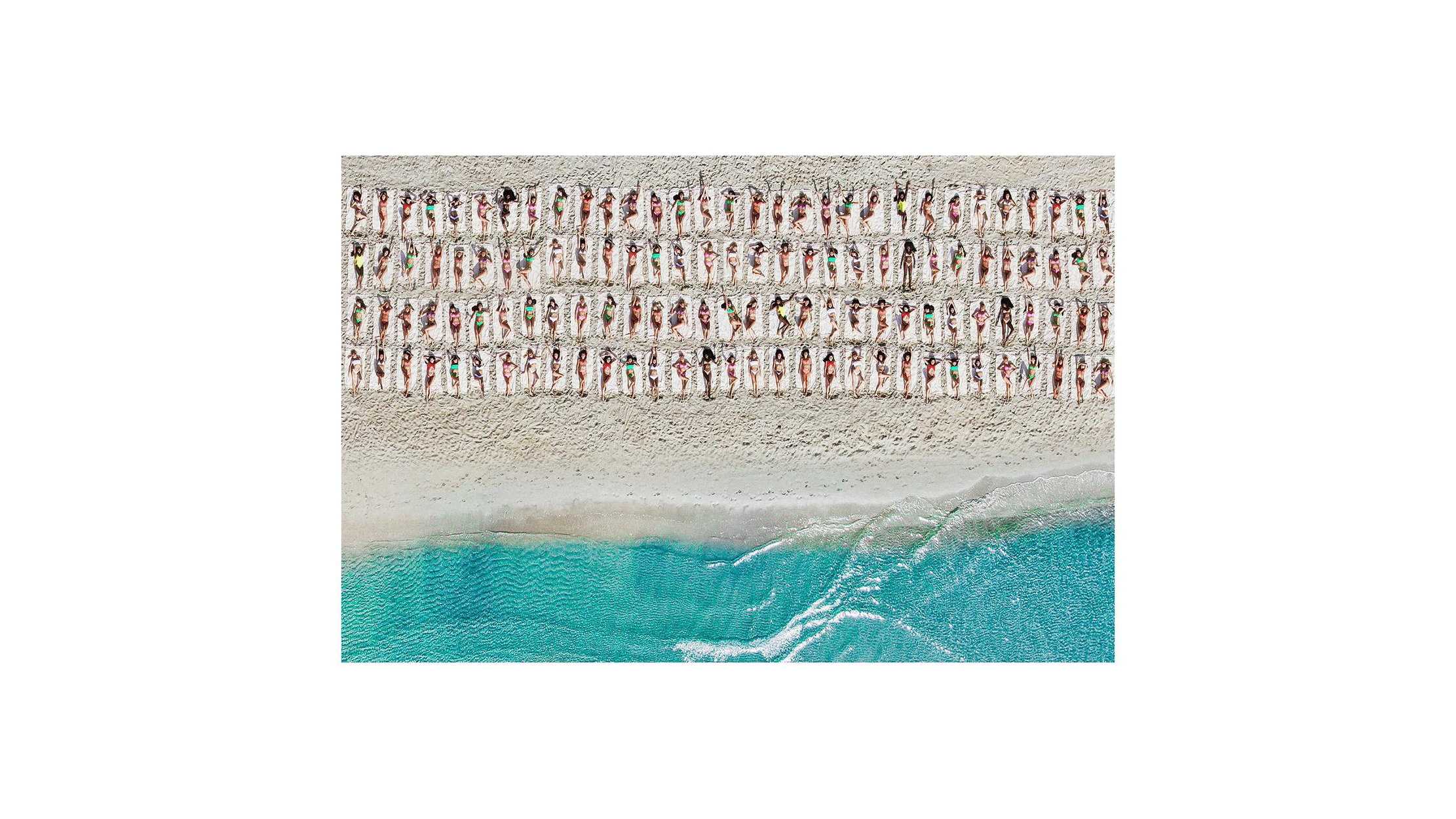
I think the definition of self-mastery is a constant desire for never-ending advancement and improvement. For me, once I’ve learned the skills for taking a photo, it becomes about elevating what is actually in the photo and refining the other aspects that make it great. I am always trying to learn, get better, and reinvent things that have inspired me in the past; I refuse to settle. I started in Miami primarily doing swimwear photography. I loved being on location and experiencing the tropical, 'island life' side of the industry. However, when I got to New York and began working on sets with high-level styling and other creative elements, I encountered a whole new set of challenges and skills. That drive led me to create more intentional pieces within fine art photography. While I want to continue doing elevated brand work, my ultimate goal is to carve out a body of work that carries my specific 'stamp' and builds my own world.
You’re now building Moda House in New York, a members-only creative house designed around studios, community, fashion, film, music and cultural programming. How does that physical space connect to your evolution as an artist?
As crazy as it seems, all of my projects connect. It's about creating a community; they are all extensions of the same lane I live in every day, it's just a matter of adding more people to it. I had a studio in Miami for five years that was a special place, and I wanted to recreate and expand that concept so others could enjoy and add to the community. Moda House isn't about me. I want this to be a place where the best creatives in New York can collaborate alongside the next generation, as well as students. It's a positive environment for learning, growth, and exciting things happening in the industry. This is the first step in a much bigger vision. I think New York is ready for it, and the intention is there to help people achieve their dreams.
Through Art Loves Earth projects, such as ocean conservation and coral reef awareness, you've used beauty to confront environmental urgency. How do you approach telling stories about fragile ecosystems without romanticizing or oversimplifying the reality?
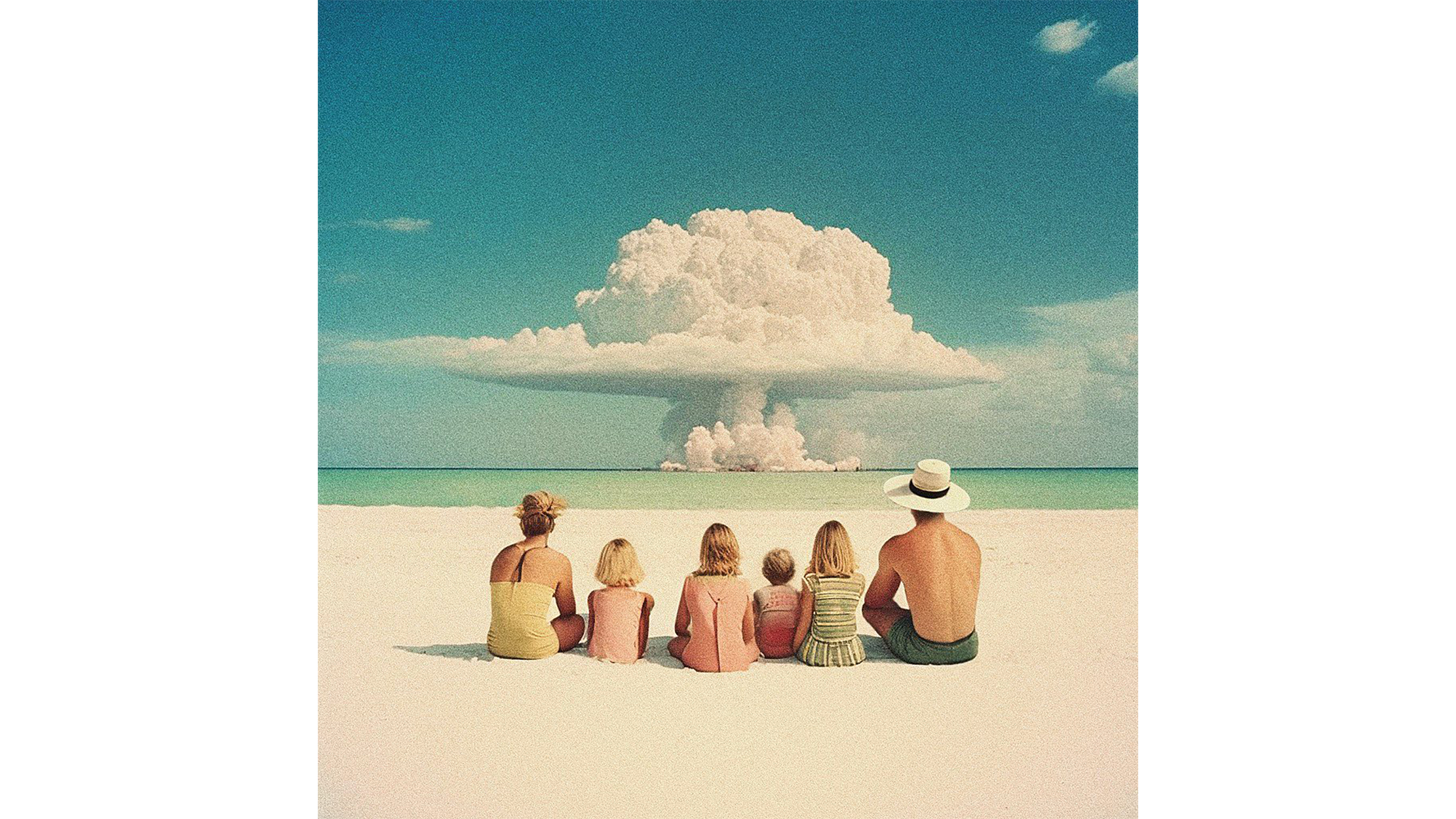
My philosophy is that design can save the world. Take a plastic water bottle - we drink it in five minutes, but the bottle lasts a thousand years. That is simply bad design. Don't tell us not to drink water; redesign the bottle so it isn't a piece of trash. If we apply that design philosophy and bring the world's top creatives together to solve problems, we can inspire the youth to get involved. When they see their fashion heroes, favorite YouTubers, or surfers on Instagram saving sea turtles, protecting the oceans becomes cool. Most people care, but they often lack access, education, or the feeling that they can actually make a difference. The goal of Art Loves Earth is to use our group of influential, talented volunteers to raise awareness and give back.
It began when I would be on location shooting fashion campaigns at beautiful beaches and we would shoot these beautiful images in “paradise” but no one talks about the trash on the sand or the fact that the local community lacks clean water. I realized we had talent with huge reach and all of the film crews were already there, so all we had to do is turn the cameras around for a few minutes and educate people online through powerful content and storytelling. Because we work onsite and go live on social media, we can reach millions of people instantly, whereas a documentary might take years to come out. It's about connecting with the community immediately and making it relatable. I realized this when I would volunteer with my camera in places like Haiti. Miami is only a thirty-minute flight from Haiti, and yet you have people there spending more partying in one night than it would take to feed an entire community in Haiti. There's no connection.
We connect those dots through filmmaking, storytelling, and beauty. You inspire people through their passion points, surfing, yoga, or fashion. For example, during New York Fashion Week, I pitched Diane von Furstenberg on the idea of making a dress out of scraps. She loved it, and we called it the 'Scrap Wrap'. I brought in Parsons design students to collect the scraps from her showroom floor and sew them into a dress. We put it on Amanda Cerny outside the Marc Jacobs show, created a paparazzi scene, and it actually got picked up by Vogue as one of the top twenty looks of Fashion Week. A stunt like that shows designers they can raise awareness for sustainable design in a way that's actually cool. Whether you're a designer or an activist, anyone can make a difference. It's just about raising awareness and creating a positive environment where people can give back.
I designed Art Loves Earth as a creative platform because I want to inspire people to care, not preach to them. I want people to fall in love with the beauty of the world and make them want to save it because it's something they love, not because someone told them they should take cold showers or stop driving. We definitely don't sugarcoat anything. Politics has become so divisive that as soon as you lean one way or the other, you immediately alienate half your audience. The reality is that we don't have much time to correct our current course or argue about who's right or wrong.
What advice would you give to emerging artists who want to build sustainable careers without sacrificing depth or purpose?
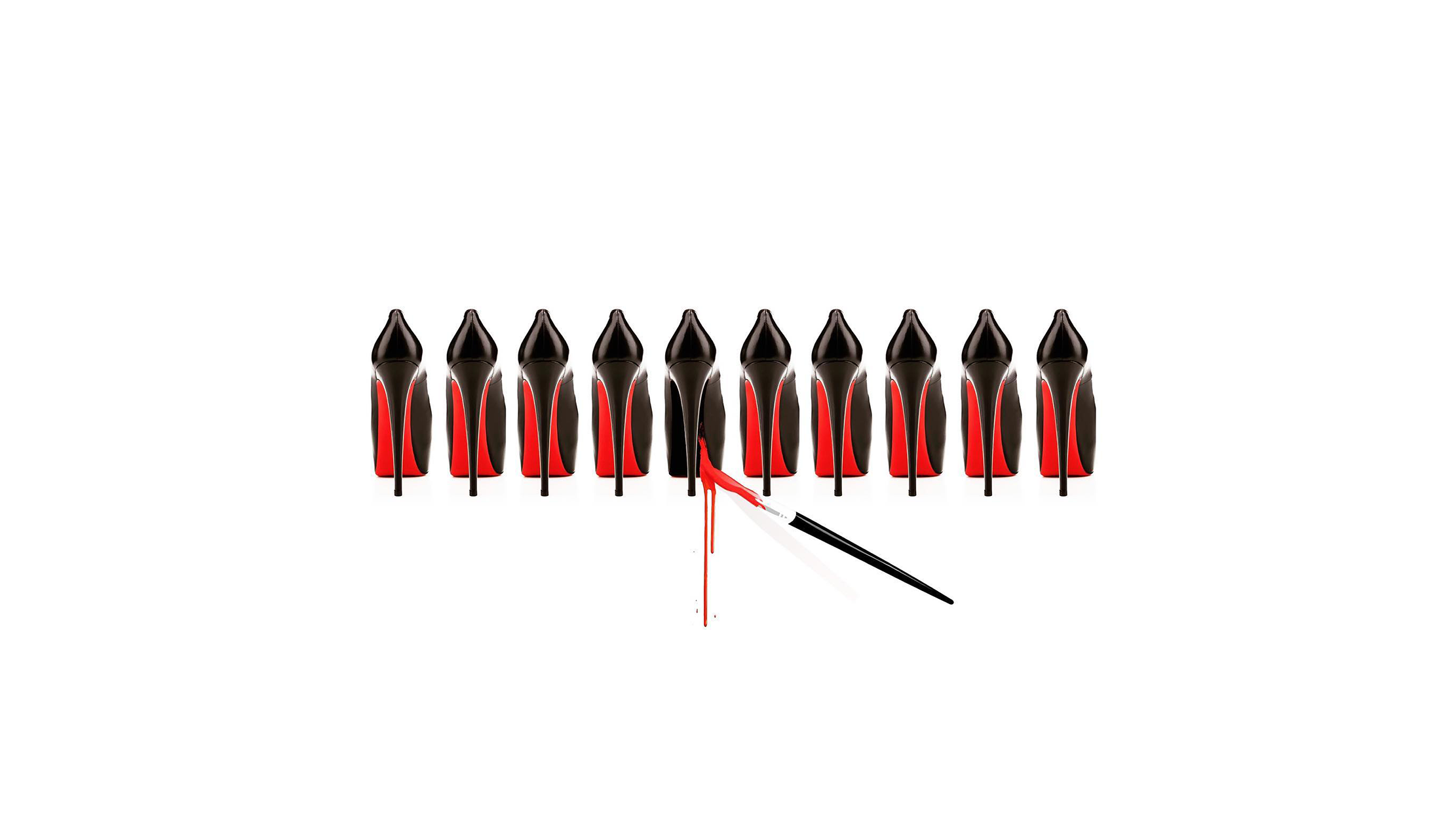
When it comes to emerging artists who want to have a long career without sacrificing depth or purpose, my advice is to understand that you will always have to make sacrifices. To pursue your art, you often have to do work you don't necessarily want to do in order to get where you want to be.
That means taking clients you aren't excited about, painting subjects you aren't interested in, or shooting projects that don't move you. You'll have to work psycho hours, nights and weekends, because you have to really want it. Professional stability is a myth; you will always have ups and downs, good seasons and bad seasons. You'll have great clients who take you to amazing places and terrible clients who make you want to quit. I've been through it all. At the end of the day, as long as you are pursuing what you love, you have to believe in what you're doing, even when it doesn't seem to make sense. Never compromise your integrity, but realize you will have to make sacrifices regarding what you're putting out into the world. If we all got paid to do exactly what we wanted all the time, we wouldn't be artists. Beyond that, be willing to take big risks. Move at the drop of a hat to pursue opportunities and dreams. Travel the world as much as you can, because perspective is half the battle.
America is a great country, but there are so many other beautiful cultures and ways of thinking that will ultimately shape you as a creative person. Stay inspired by being around the people and places that push you.
Looking ahead, whether through Art Loves Earth, Moda House, or your independent practice, what kind of legacy do you hope your work leaves?
I hope to create a community for creatives that is bigger than me, one that helps people grow and prosper. By creating Moda House and building this physical space, I'm creating a home to further those careers and dreams for others. Once that foundation is solid, the extension is Art Loves Earth, where I can arm this community to go out and drive real change. I believe creatives are the ones who will drive the biggest shifts in the world; we can't count on politicians to do it for us. The only way forward is to inspire people to do better through beauty and the things that make the world a better place. We have to leave the world more beautiful than we found it through our cameras, our music, and our canvases.
Moda House will be a sanctuary for creators doing real things, shoots, productions, and film screenings. It's about building a family where we can make introductions and connect people who need to know each other. I want this studio to be a springboard for that kind of creative work. We'll have serious talent and major creators and podcasters in and out of here live-streaming to millions. I've been on very little sleep, flying between Miami and New York for campaigns, but this is the life and I'm excited. I live here now, the vision is here, and I'm ready to get after it.
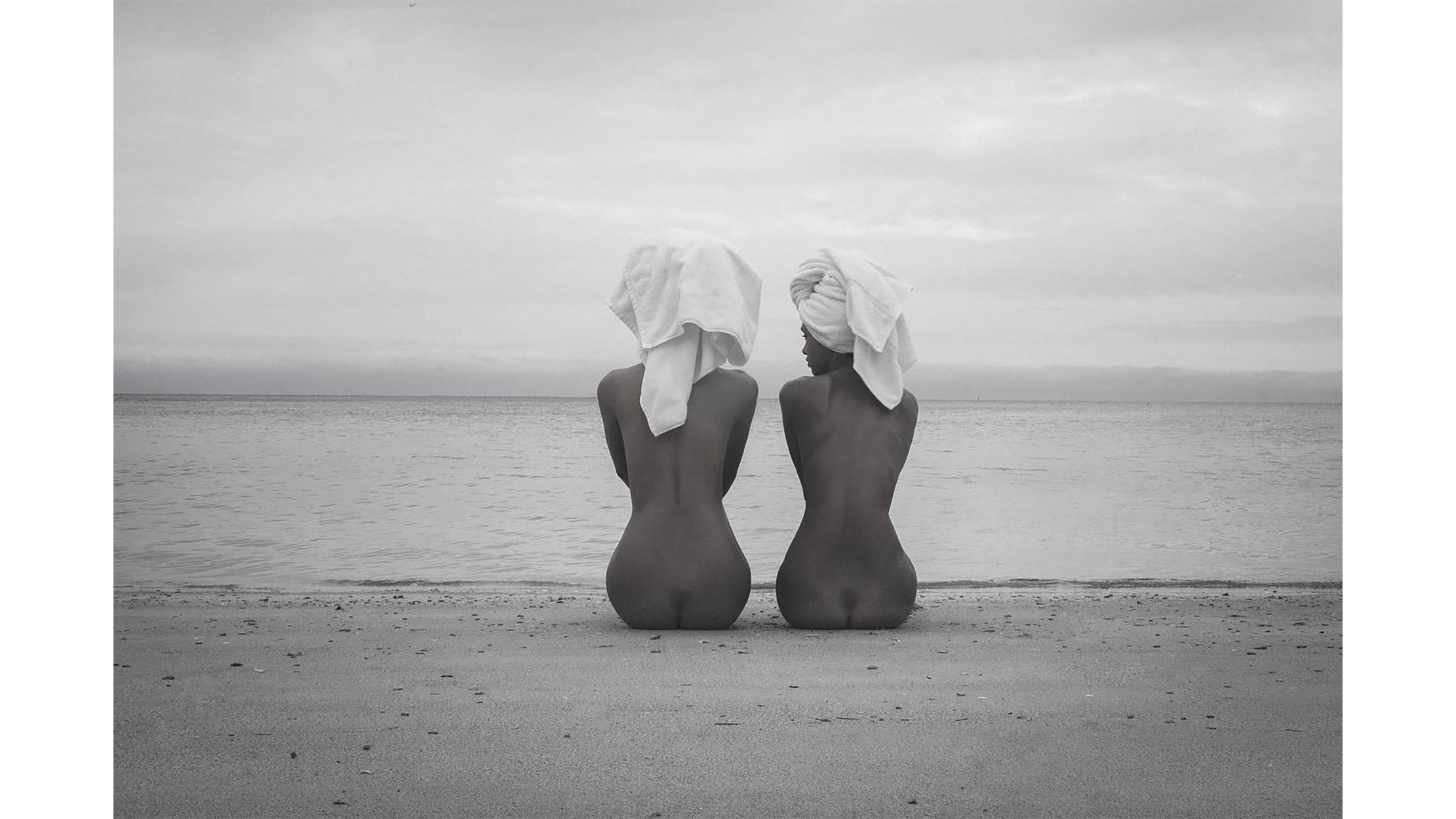
Tearsheets by Daniel López, Art Director, PhotoBook Magazine
Written Interview by Lily Kalbasz, Contributor, PhotoBook Magazine
Interview Questions by Joaquina Dima, Contributor, PhotoBook Magazine
*Images Courtesy of Ryan Hattaway
RELATED STRORIES