Brian De Carvalho: The Seams He Refuses to Hide
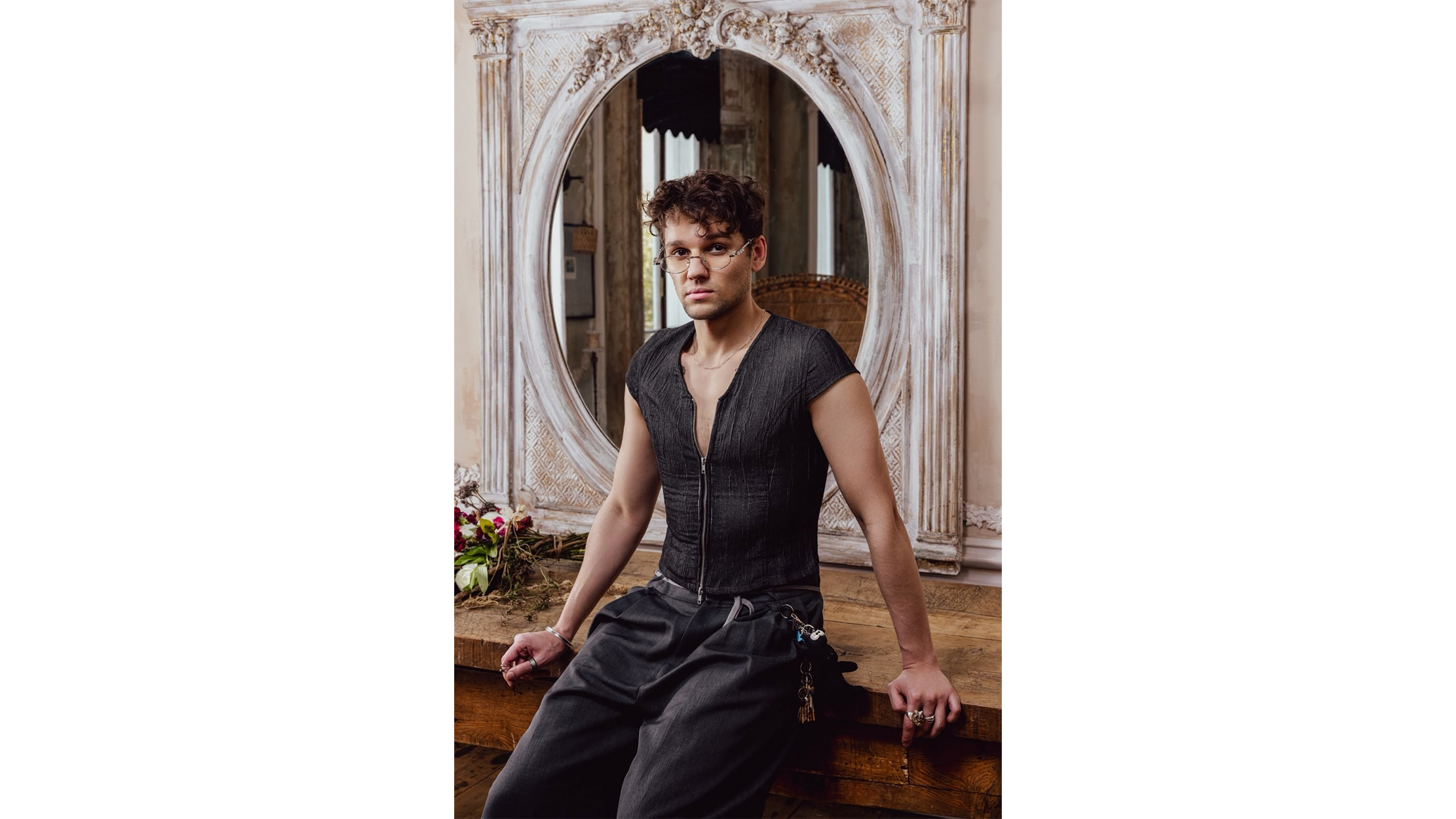
John Galliano was not really looking at Brian De Carvalho. At least, that was how it first felt. De Carvalho stood beside him, nervous and talking too quickly, confessing that he had taught himself to sew on a small machine from Argos and had no formal idea what he was doing. Galliano's attention remained fixed on the corset in front of them. His eyes followed the boning channels, the unfinished edges and the technical decisions that embarrassed its maker. Then he looked up and said, "You should do this. This is real fashion." The sentence has followed De Carvalho ever since, repeated because origin stories become a kind of public tailoring. They are cut, fitted and retold until they appear inevitable. Yet the detail that matters is not the blessing of a famous designer. It is that Galliano recognized value in the exact parts De Carvalho thought revealed his inadequacy.
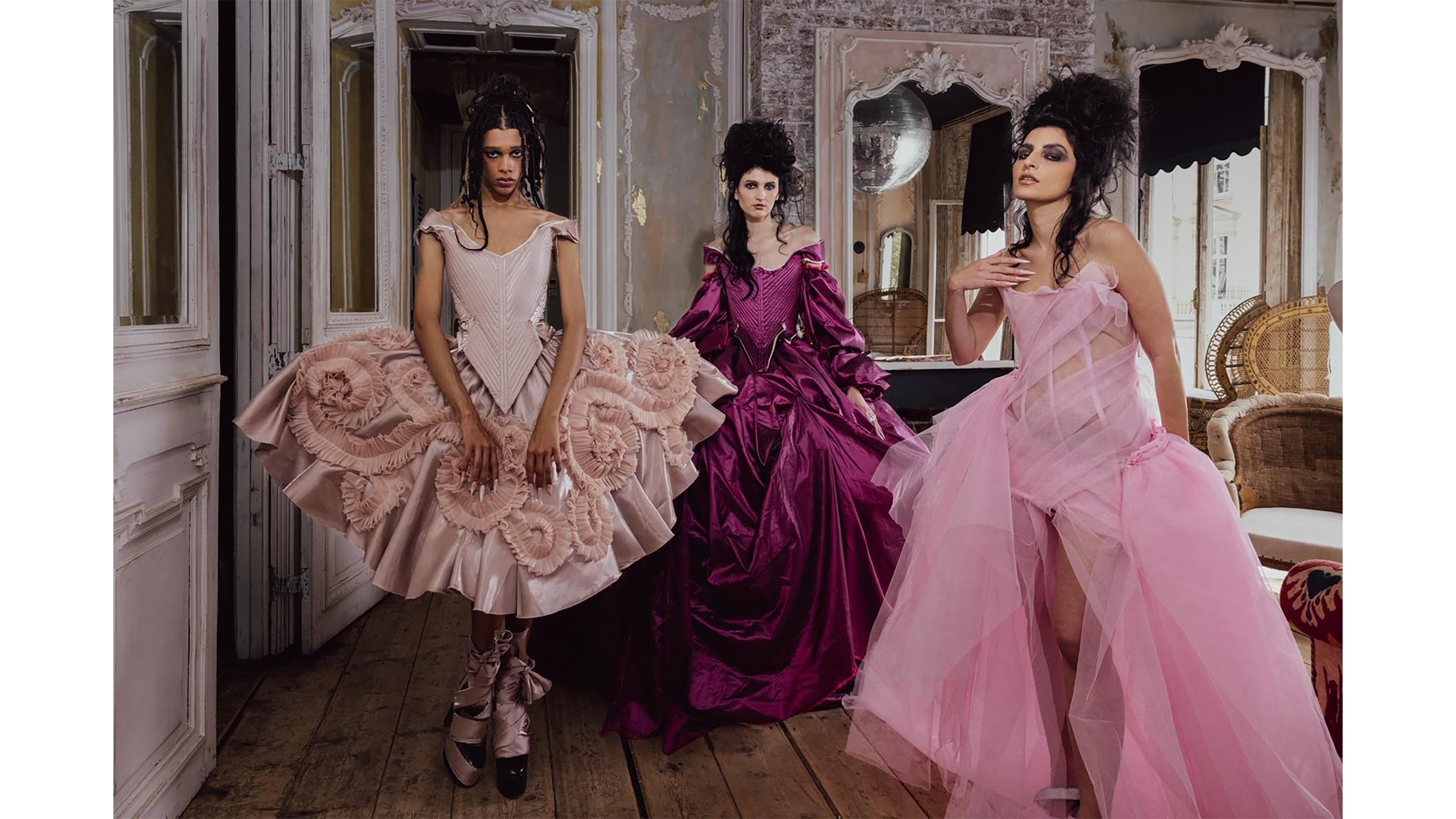
De Carvalho tells the story differently now. He once believed Galliano had given him permission to become a designer. Today he understands that the instinct was already there. Another artist had simply reflected it back at the point when he was ready to abandon it. No artist creates another artist, he says. Sometimes they make it impossible for you to keep pretending you are not one. Before fashion, De Carvalho studied fine art at Westminster. During lockdown, he began cutting apart bedsheets, curtains and old clothes, then trying to reassemble them on that modest machine. The first trousers had no zip, fly or waistband. Failure was not a concept so much as a pile of fabric waiting to be cut again. The corset changed the register. It was the first object he designed and patterned from nothing, rather than tracing or reconstructing an existing garment. Technically, it was imperfect. Emotionally, it was complete. It possessed an identity and, more importantly, that identity felt like his.
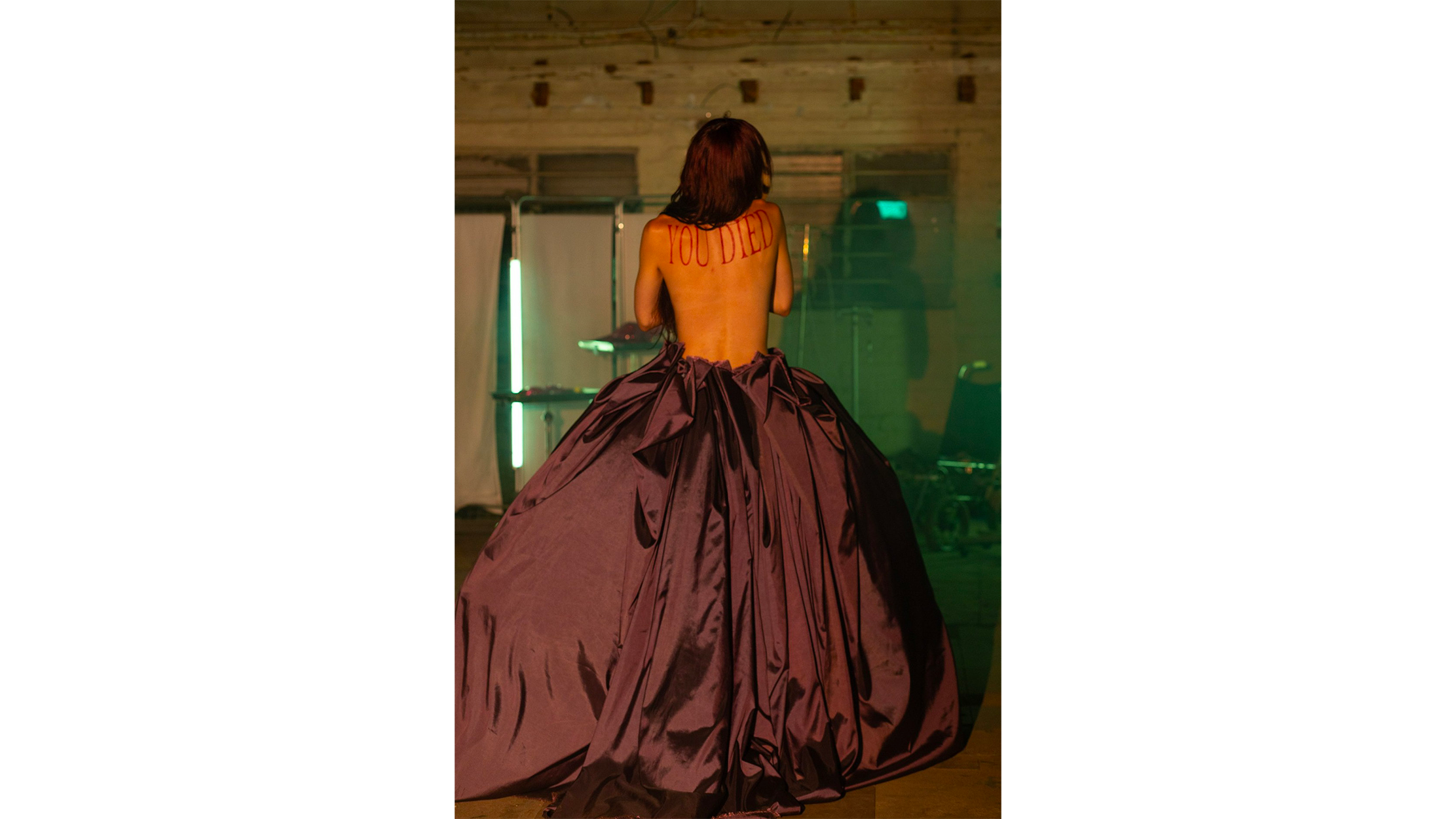
He has carried the freedom of those early experiments into a practice built on exposed structures, sharpened glamour and the body as an argument. Corsetry returns because it contains a contradiction De Carvalho understands intimately. It restricts breath and dictates posture, yet it can also produce an unmistakable physical authority. Shoulders move back. The chin lifts. The wearer becomes louder before speaking. Historically, the corset was designed to disappear beneath clothing. De Carvalho puts the mechanism outside. Boning channels, lacing, and tension become image rather than secret. For someone who describes spending much of his younger life hiding, that reversal is personal. The garment may establish the silhouette, but power changes hands when the wearer stops feeling contained by it and begins using it to command the room. His razor-blade gown made that transfer literal. From a distance, the surface appeared elegant. Up close, the material disclosed its threat. The woman inside remained protected and in control. The danger faced outward, toward anyone approaching with the impulse to touch, take, or partake. The dress became a map of how De Carvalho felt within an industry eager for the image while remaining indifferent to the person and business that produced it. His line is clear. Danger must communicate an idea, not become carelessness. The wearer should be the safest and most powerful person in the room. That distinction separates theatricality from negligence. It also reveals the tenderness inside work often described through provocation.
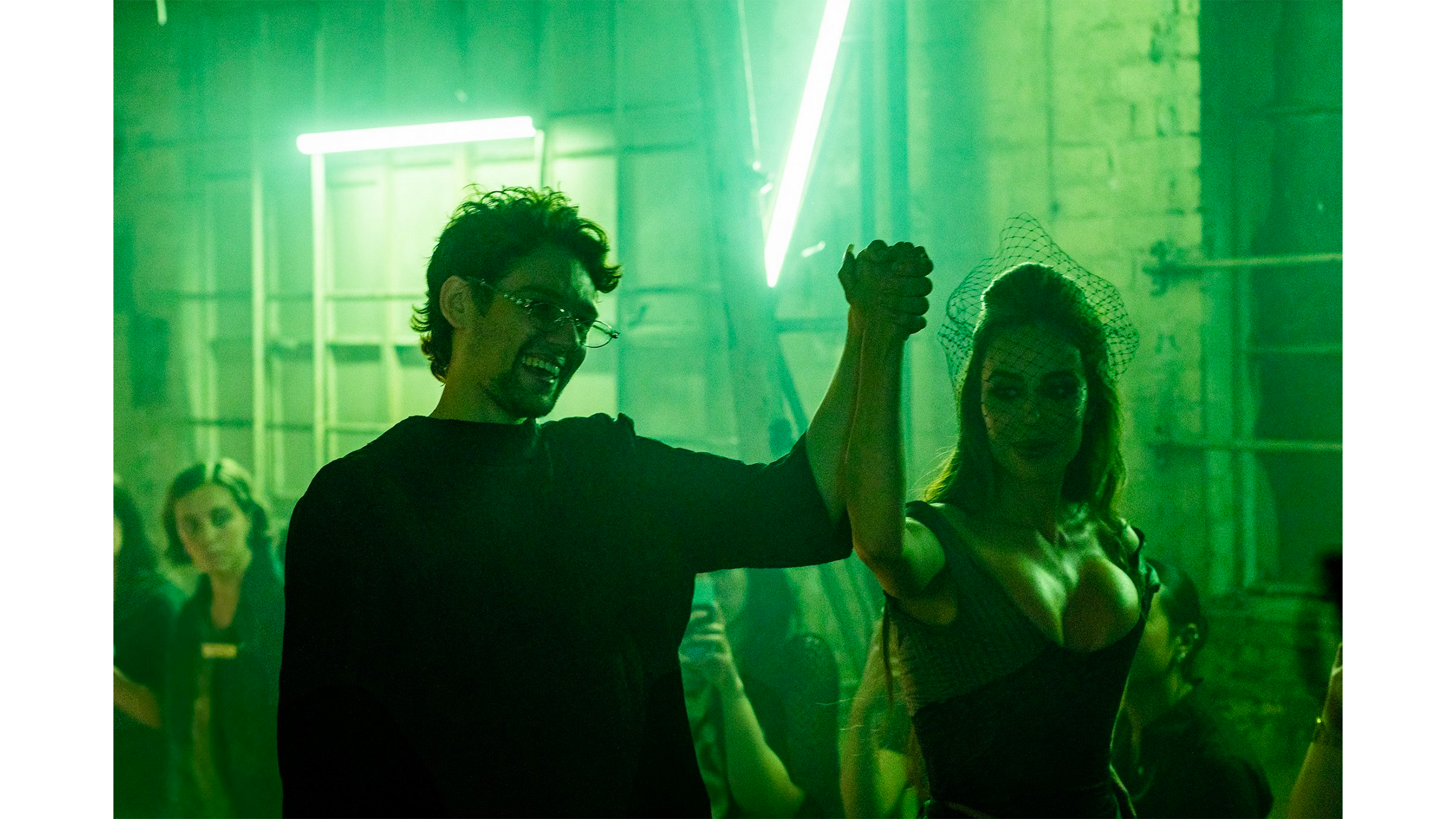
De Carvalho is frequently positioned within a British lineage shaped by Galliano, Alexander McQueen and Vivienne Westwood. He accepts the compliment and distrusts the comfort of it. What he admires is not an inventory of recognizable effects, but conviction: McQueen's ability to make beauty feel dangerous, Galliano's romance and construction, Westwood's refusal to behave. The weight arrives when influence becomes expectation and a young designer's work is asked to perform as an imitation of history. Lineage, in his view, should be a conversation rather than a costume. It must also permit judgment. Creative admiration cannot require silence about the damage attached to a legacy. This is a difficult position in fashion, an industry that often prefers the simplicity of canonization or erasure. De Carvalho wants the more uncomfortable space where extraordinary work and genuine harm can be considered at the same time. That discomfort sits at the center of Unpicked, his forthcoming podcast. The idea began in private conversations about unpaid labor, financial precarity, exploitation, and the distance between fashion's appearance and its machinery. A friend finally asked why he did not have those conversations properly, in public. The name arrived with the precision of a seam ripper. Fashion is an art form. The fashion industry is something else. De Carvalho knows the gap because his own visibility once reached its height while his financial life collapsed. The clothes appeared on red carpets, premieres, and the cover of Vogue. From the outside, abundance seemed obvious. Privately, he was borrowing money to feed his cats.
The image can circulate everywhere while the person who made it remains financially precarious.
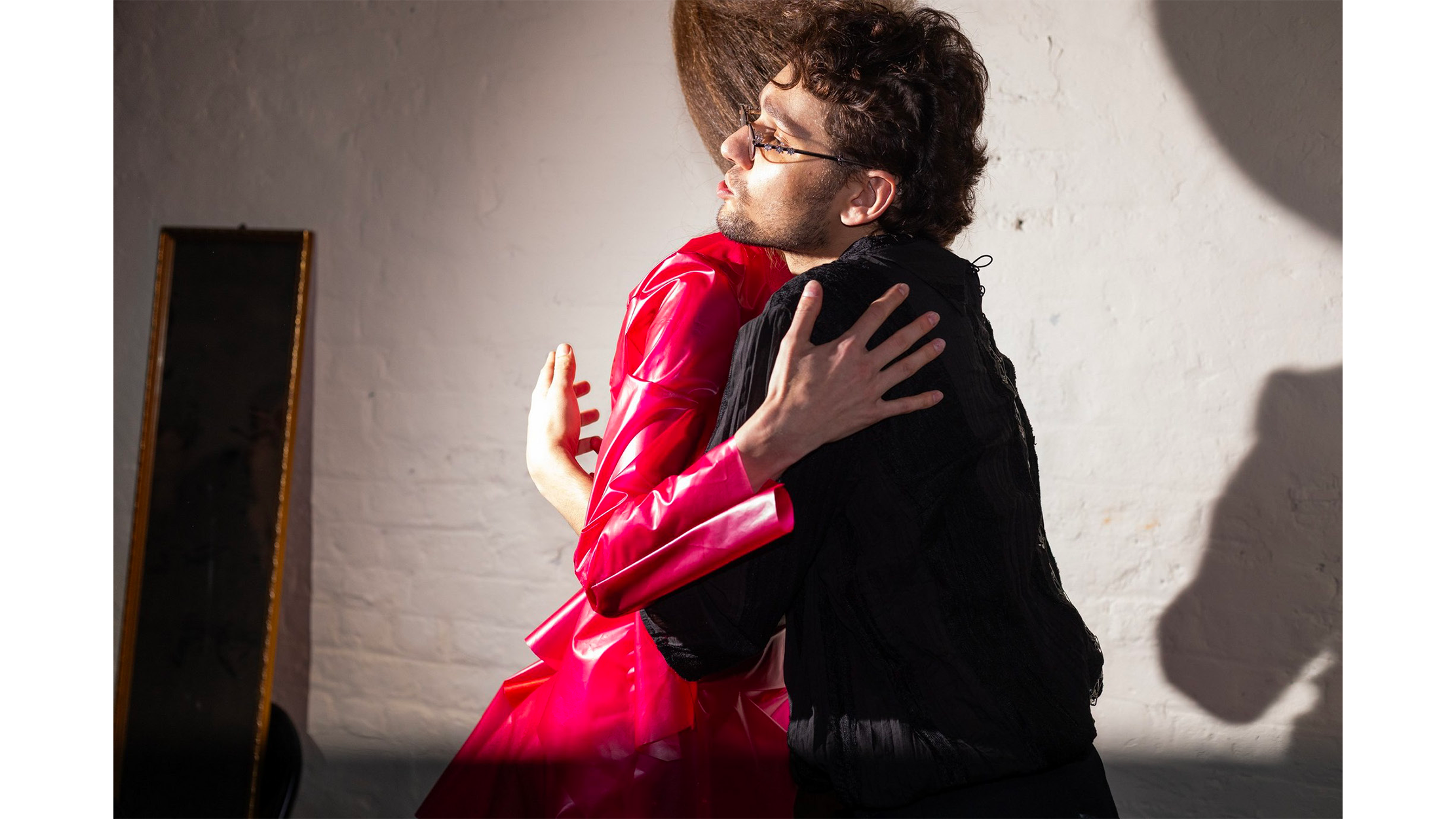
The confession punctures one of the industry's most durable optical illusions. A garment can travel globally while the person who made it cannot pay studio rent. A designer can appear successful in photographs and remain unable to afford the infrastructure required to keep producing them. Social media intensifies the distortion. It offers immediate access to an audience, but also demands a next image before the cost of the last one has been recovered. This is the phrase De Carvalho wants Unpicked to hold open: visibility is not viability. The project is primarily for the designer alone in a studio at two in the morning, surrounded by deadlines and convinced that private struggle equals personal failure. He wants that person to hear others name debt, rejection, non-payment, and the desire to quit, then realize that isolation has been part of the system's design. Comfort, however, is not enough. The institutions, publications, clients and powerful individuals who benefit from those conditions must be listening too. Exposure does not cover fabric, labor, couriers, customs, studio rent, dry cleaning, repairs, photography, or the cost of mounting a show. Opportunity itself requires money. Fashion's preferred story says talent opens the door. De Carvalho's correction is that money often determines how long someone can afford to stand behind it. Unpicked will also enter more delicate territory: trauma, abuse, discrimination, complicity, accountability, and the possibility of redemption. De Carvalho is comfortable exposing his own experience. His caution begins when another person entrusts him with theirs. A microphone can provide space, but it can also turn pain into content. He does not want the host to become a therapist, judge, or public absolver. The test is specificity. What happened? Who was affected? What responsibility was accepted? What changed afterward? Redemption cannot be announced as a rebrand, and talent cannot erase conduct. Equally, a truthful conversation need not manufacture a permanent caricature. The host's task is to resist the neat ending, particularly when the unresolved version is more honest.
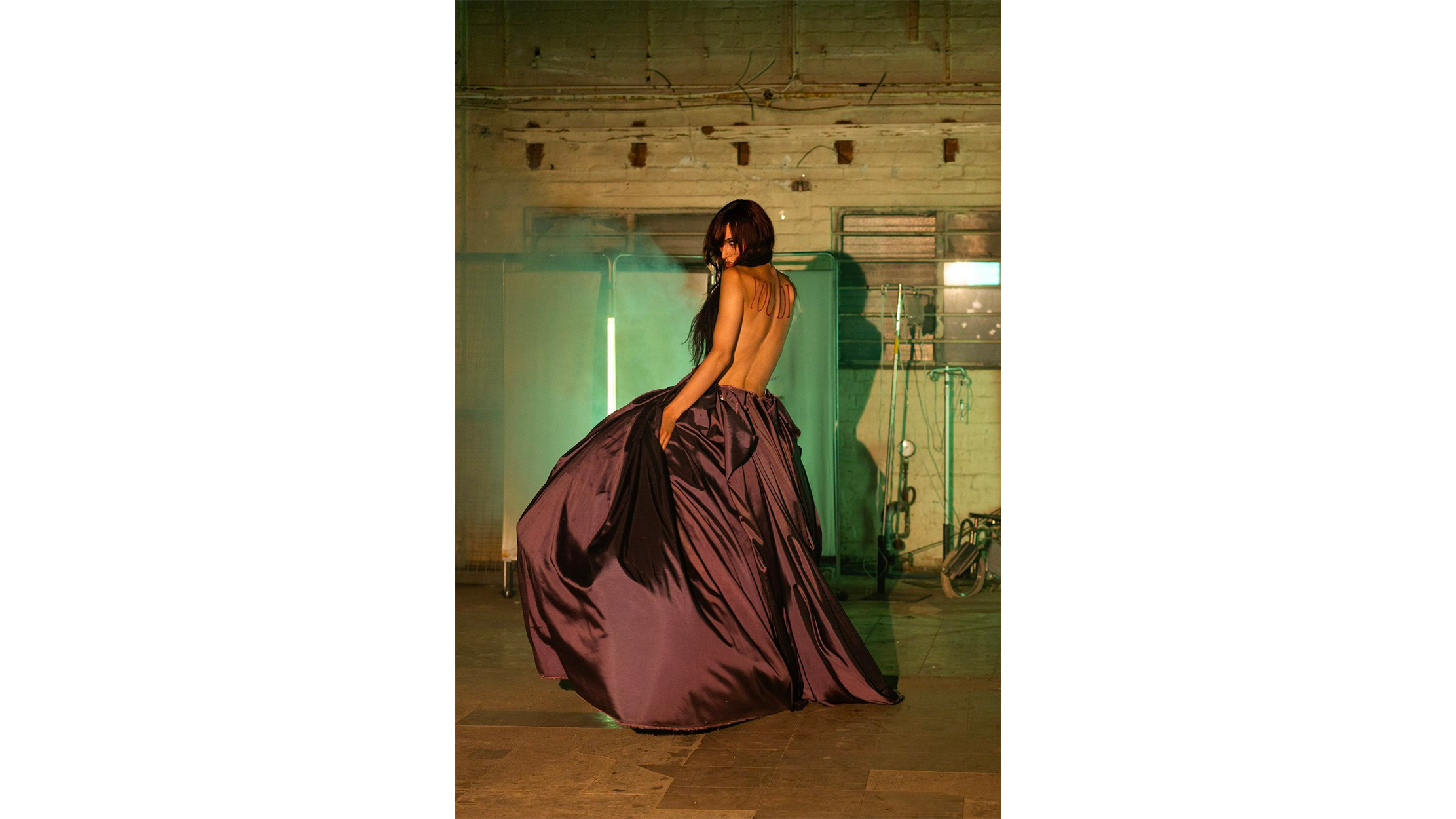
There is bravery in that ambition, but also risk. Fashion is sustained by access, and access is rarely neutral. To speak openly about unpaid work or extractive expectations is to question the same network that may be asked to fund, dress, publish, or platform you next season. De Carvalho's response is not that fear disappears. It is that silence has already proved too expensive. His clothes offer a model for the conversation he wants. They are corseted and excessive, their beauty supported by engineering that does not pretend to be effortless. Turn them around, and you find evidence: seams, loose threads, repair marks, sweat, labels, decisions made at three in the morning. Nothing is interesting because it survived untouched. It is interesting because survival left a trace. If Unpicked were a garment, De Carvalho says, its construction would be imperfect and entirely visible. There would be stains, alterations, and a fastening that refuses to behave. It would still be theatrical. Honesty does not have to be beige.
Honesty does not have to be beige.
That sentence may be the clearest description of his new venture and of the designer himself. De Carvalho is not asking fashion to abandon fantasy. He is asking it to account for what holds fantasy up: the body inside the corset, the hand behind the image, the invoice beneath the invitation, the person feeding the cats after the cameras leave. Beauty survives the examination. It simply becomes human enough to tell the truth.
Article by Aayush Aggarwal, Contributing Editor, PhotoBook Magazine
Tearsheets by Daniel Lopez, Art Director, PhotoBook Magazine
*Images Courtesy of Brian De Carvalho
RELATED STORIES