Open House New York Unlocks the City’s Hidden Architecture and Stories
For one weekend each fall, New York becomes a little more open. Behind normally closed doors, visitors can step into artists’ studios, descend beneath the streets, explore historic theaters, wander through skyscrapers, and see the infrastructure that quietly keeps the city moving. From October 16–18, Open House New York Weekend returns for its 24th annual edition, opening more than 300 destinations across all five boroughs.
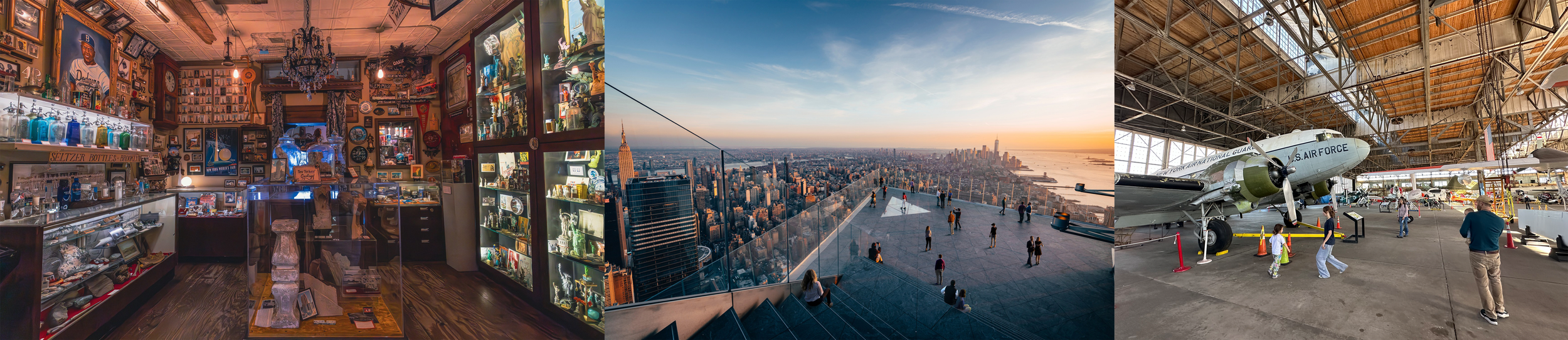
Since its first festival in 2003, Open House New York has invited New Yorkers to look at their city from a different perspective: not simply through its landmarks, but through the buildings, systems, neighborhoods, and people that shape everyday life. The annual festival brings architects, engineers, historians, artists, designers, curators, public servants, and other city experts into the spaces they create and maintain, offering visitors a behind-the-scenes look at the architecture and infrastructure that define New York.
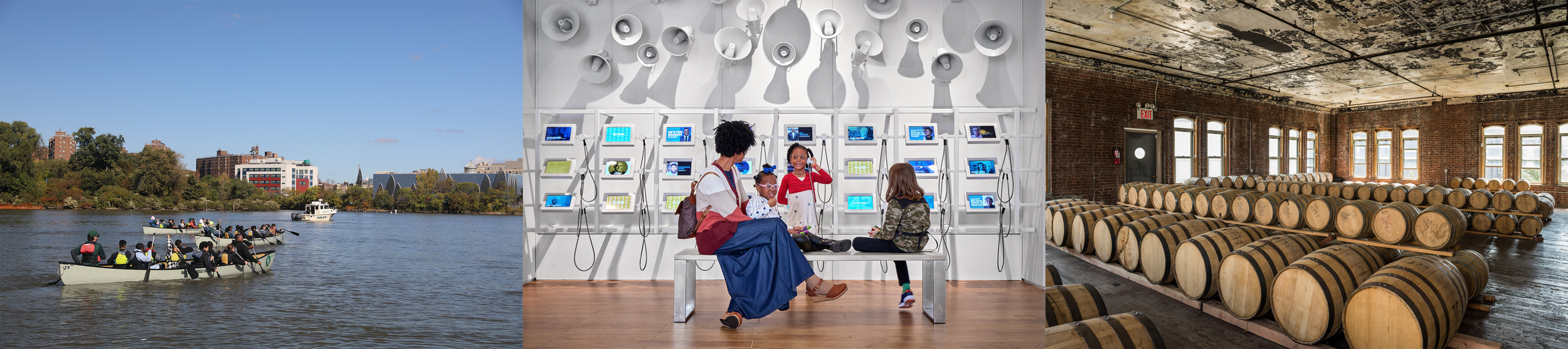
This year's lineup moves between the monumental and the unexpected. Visitors can venture underground into MTA Second Avenue Subway Phase 2 to see the excavation and construction behind the future expansion, or visit the rarely accessible studio of legendary artist Roy Lichtenstein. At Paradise Performing Arts Center in the Bronx, a 4,000-seat theater occupies one of the original Loew’s Wonder Theatres, while Monumental Labs offers a glimpse into the intersection of traditional craftsmanship and technology, where industrial robots and skilled artisans transform raw stone into architectural details.
Elsewhere, the festival opens the doors to spaces that reveal a less familiar side of the city's built environment. DSNY District 3 Garages and Office showcases the architecture and sustainability systems behind a facility operating around the clock, while 3 Times Square offers panoramic Midtown views from an outdoor terrace. At 190 Bowery, visitors can enter a downtown landmark with a history rooted in New York's bohemian past before its transformation into a contemporary workplace. The Interborough Express Walking Tour looks toward the city's future, following the proposed light rail route designed to connect Brooklyn and Queens.
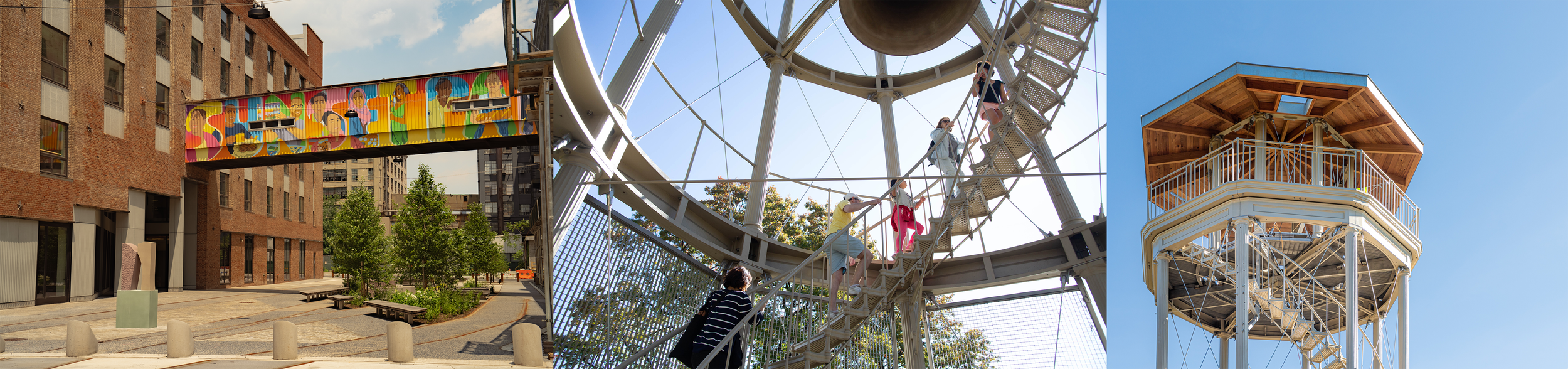
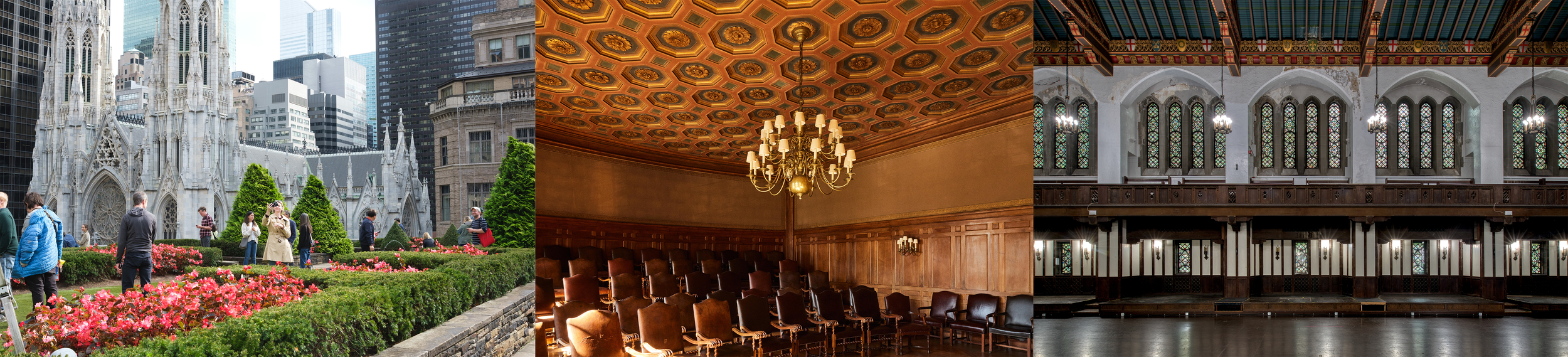
The returning destinations are just as varied. The rooftop gardens at 610 Loft & Garden and 620 Loft & Garden at Rockefeller Center offer an unexpected oasis above Midtown, while the New York Sign Museum at Noble Signs brings together more than 50 vintage signs rescued from around the city. At the Woolworth Building, visitors can take in the ornate architecture of one of New York's most recognizable skyscrapers, while the Collectors Office at the Alexander Hamilton U.S. Custom House offers a glimpse into Gilded Age craftsmanship, including elaborate nautical motifs and oak millwork created by Tiffany Studios.
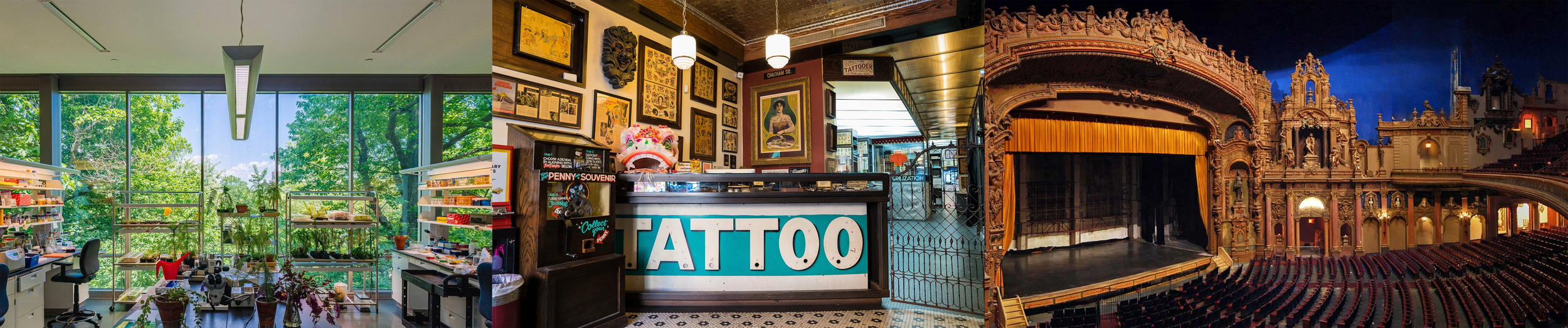
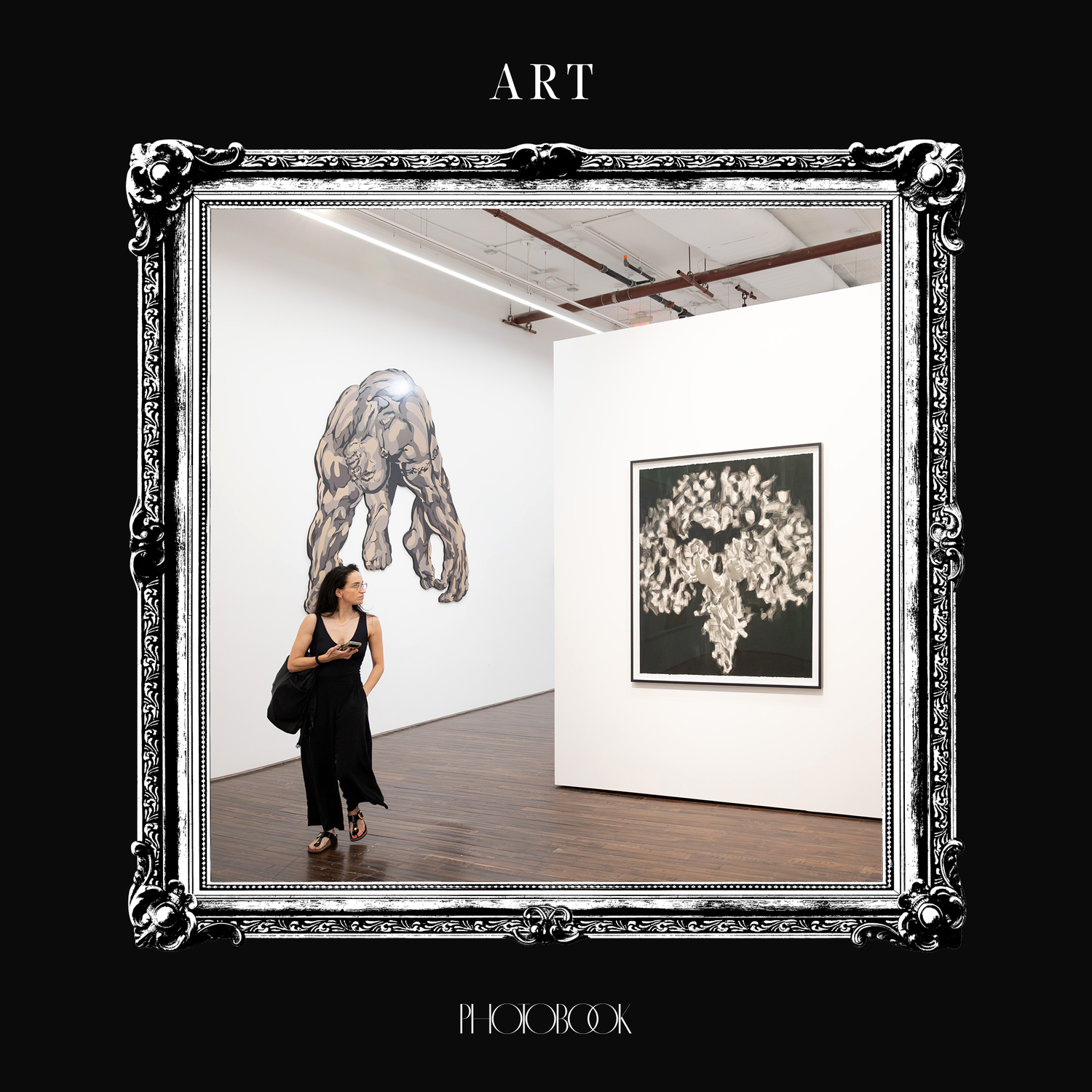
Art, design, and creative production also run throughout the weekend. Jack Shainman Gallery opens its Tribeca space inside the historic Clock Tower Building, while Colossal Media Paint Shop reveals the working environment behind the city's monumental hand-painted murals. At La Bodega NY Studios in the Bronx, visitors can explore a recording studio and soundstage complete with a life-size replica of a city street. The festival also returns to Hildreth Meière's "Red Room" at Printemps New York, where thousands of square feet of red-and-gold glass mosaic tiles create one of the city's most dazzling Art Deco interiors.
What makes OHNY distinctive is the range of experiences in a single weekend. A single itinerary can move from a historic brewery in Bushwick to a future transit corridor in Queens, from a private artist's studio to a public sanitation facility, or from a rooftop garden overlooking St. Patrick's Cathedral to the vaulted interiors of a landmark courthouse. The festival's current lineup includes more than 300 destinations, with more than 110 new experiences introduced for 2026.
Accessibility is also part of the festival's structure. More than half of the 2026 destinations are Drop-In sites, meaning visitors can simply arrive during designated hours without purchasing a ticket. The remaining sites are ticketed because of capacity or security restrictions. Tickets for those experiences are released October 2 at noon ET, while OHNY's website lets visitors filter destinations by borough, date, accessibility, and other preferences, and create a personalized itinerary through its My List feature.
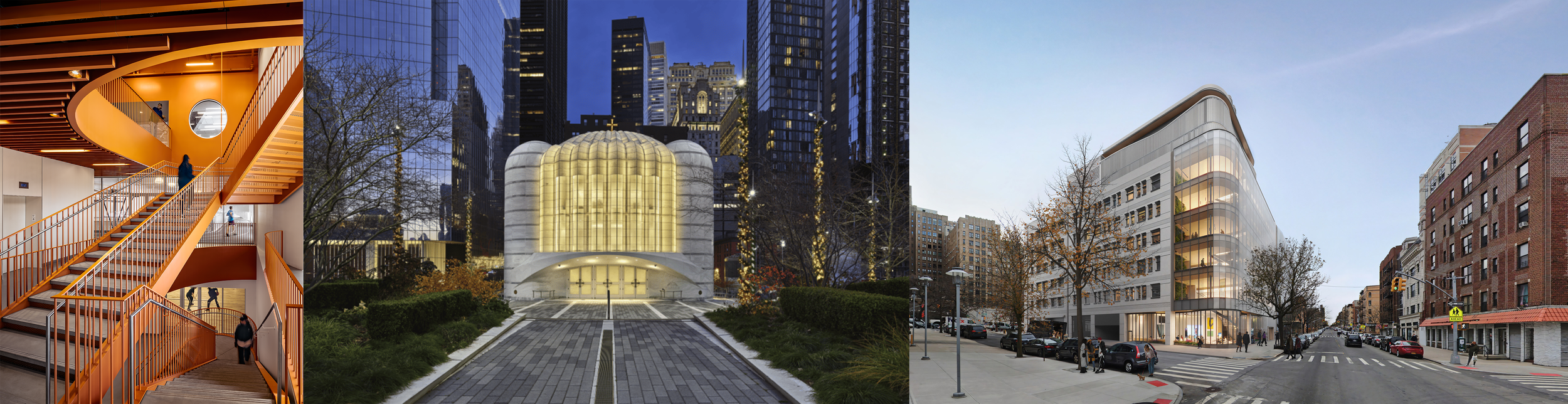
The festival's origins are closely connected to its philosophy of openness. Architect Scott Lauer founded Open House New York in 2001, emerging in the aftermath of 9/11, when much of the city was becoming more restricted and closed off. Its founding premise was that access to the city's architecture and public spaces could encourage civic engagement and a deeper understanding of urban life. The first OHNY Weekend followed in 2003 and eventually grew into a five-borough festival that has opened thousands of spaces to the public.
That spirit still defines the festival more than two decades later. OHNY Weekend is not simply a tour of New York's most recognizable architecture; it invites you to understand the city through the places that often go unnoticed. With more than 50,000 people participating each year, the festival has become a way for New Yorkers to reconsider their surroundings, look up at a familiar facade, walk through a neighborhood with fresh eyes, or discover what lies behind a door they've passed countless times.
For three days this October, the city becomes its own exhibition: one built not inside a museum, but across all five boroughs. Open House New York simply hands over the keys.
Article by Emma Green, Assistant to Editor-In-Chief, PhotoBook Magazine
Tearsheets by Daniel Lopez, Art Director, PhotoBook Magazine
*Images Courtesy of Open House New York
RELATED STORIES