The Armory Show 2026: A Meeting Point for the Americas
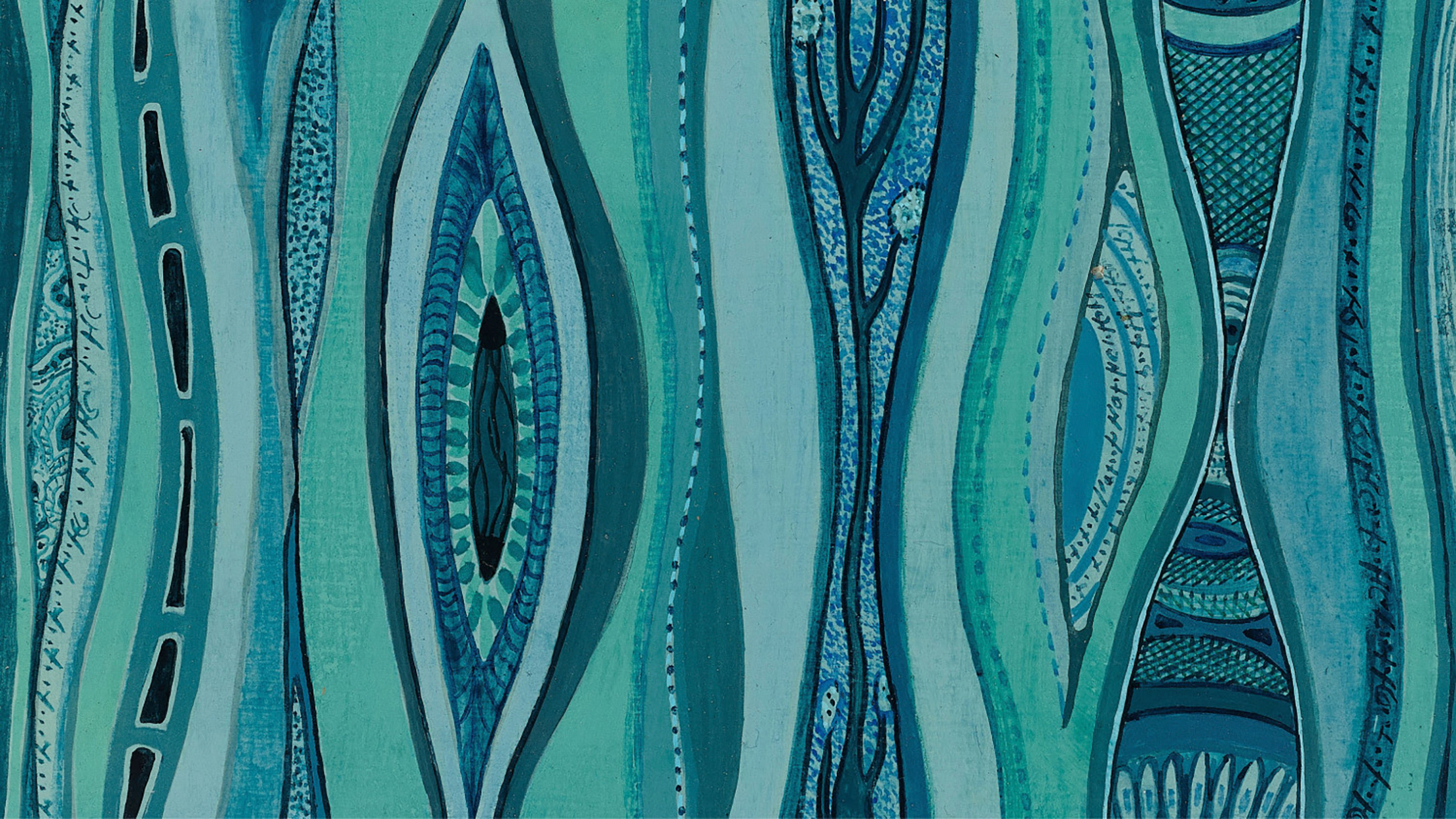
.Mercedes Elena González, Las florácidas brotan después del diluvio, 2025/2026, Gouache, ink and watercolor on paper, 15 7/8 x 11 1/2 in. (40.5 x 29.5 cm) Courtesy of the Henrique Faria and Galería SN and the artist.
Every September, New York becomes a temporary crossroads for the art world, bringing together artists, galleries, collectors, and audiences from across the globe. This year, The Armory Show returns to the Javits Center from September 24–27 with more than 240 exhibitors, placing the idea of connection at the center of its 2026 edition. Rather than presenting the Americas as a collection of separate artistic regions, the fair approaches them as part of an ongoing conversation, one shaped by movement, shared histories, cultural exchange, and the many perspectives that emerge across borders.
A particular emphasis falls on the Caribbean and its diaspora, which run as a curatorial thread throughout the fair. María Elena Ortiz’s Focus section offers one entry point into this dialogue, while the theme continues through gallery presentations, performance, and the wider program. The presence of the Caribbean is therefore not confined to a single exhibition space, but becomes part of a broader exploration of how artistic identities develop and move between places. In this context, the fair becomes less about geographic boundaries and more about the relationships that form between artists, cultures, and generations.
This year's edition also builds in a deliberate sense of discovery. The expanded Presents and Solo sections create more room for emerging galleries, individual artists, and focused presentations, offering more concentrated encounters with individual practices. These presentations sit within the larger fair alongside established gallery programs, allowing emerging perspectives to exist within a wider artistic ecosystem. The structure encourages movement throughout the fair, with one presentation offering a point of departure for another rather than functioning as an isolated experience.
That sense of movement feels particularly suited to New York, where different artistic communities have long converged and influenced one another. As Kyla McMillan, Director of The Armory Show, describes it, the fair reflects the city’s position as “a meeting point for the Americas,” with conversations carrying across sections and connecting different histories, identities, and generations. For Kristell Chadé, Executive Director of Fairs at Frieze, the expanded programming similarly reinforces the importance of creating space for galleries at different stages of development. Together, these approaches shape an edition of The Armory Show that is less interested in a single artistic narrative than in the possibilities that emerge when many narratives enter into conversation.
Tearsheets by Daniel Lopez, Art Director, PhotoBook Magazine
RELATED STORIES