The Shape of a Sleepless Night: Hanwen Liu’s FIT MFA Collection
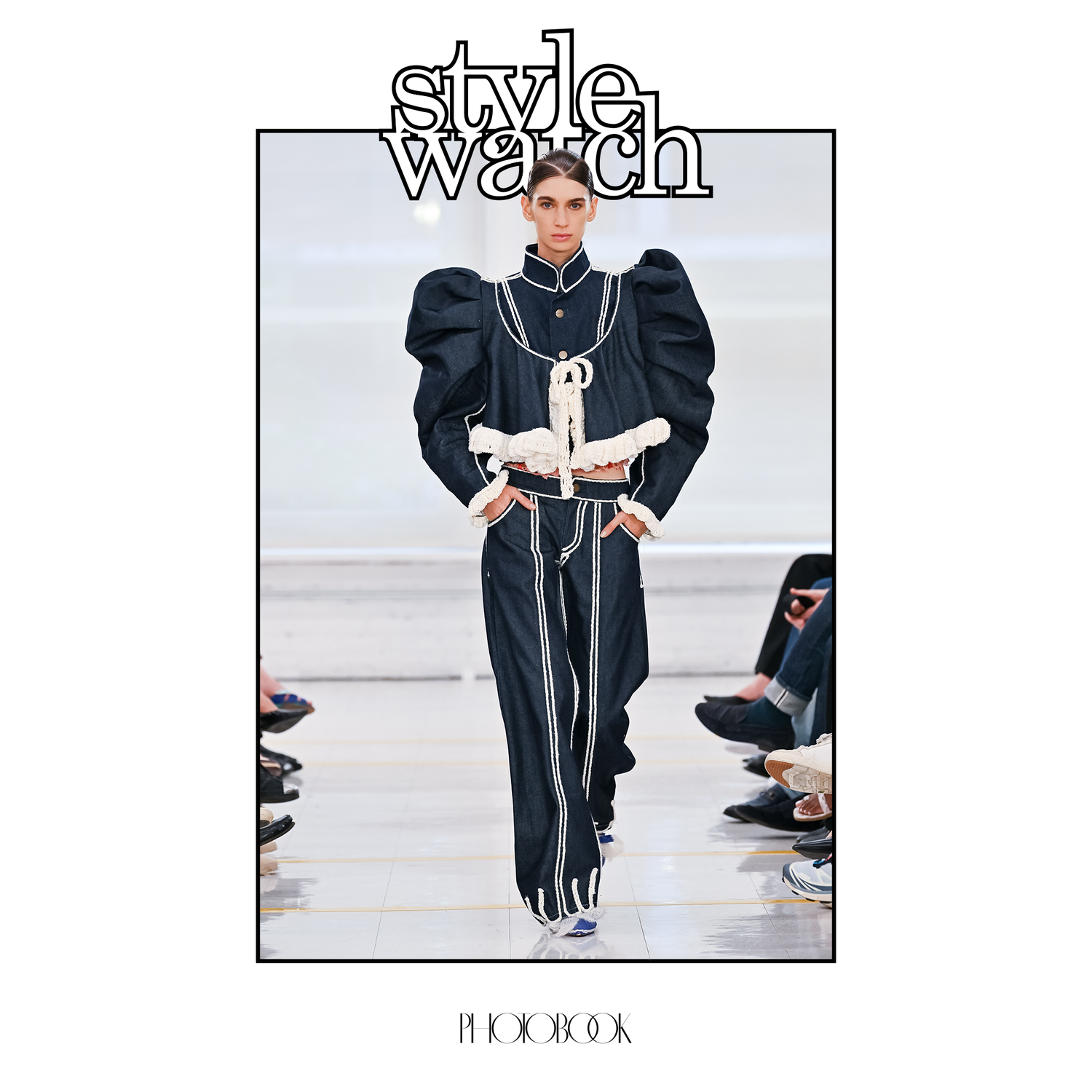
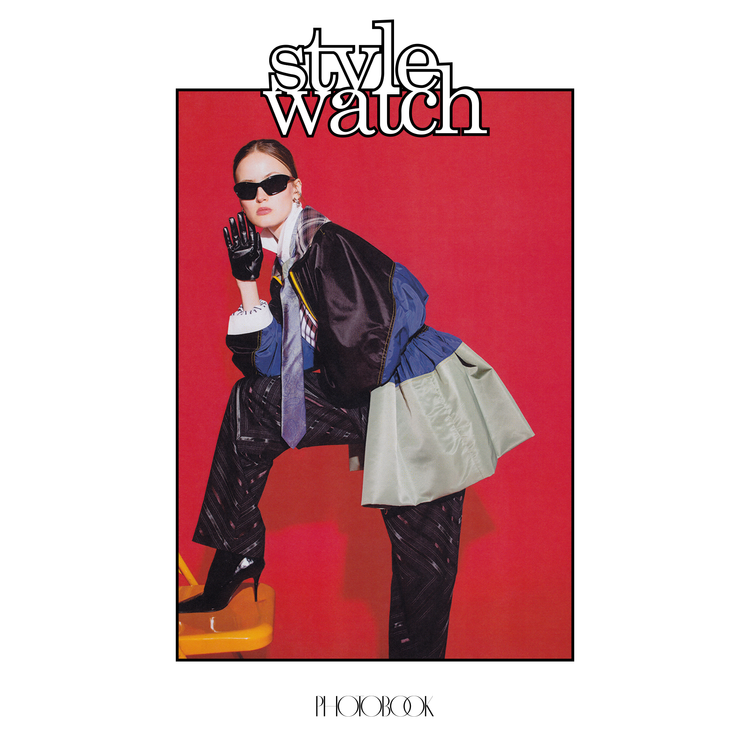
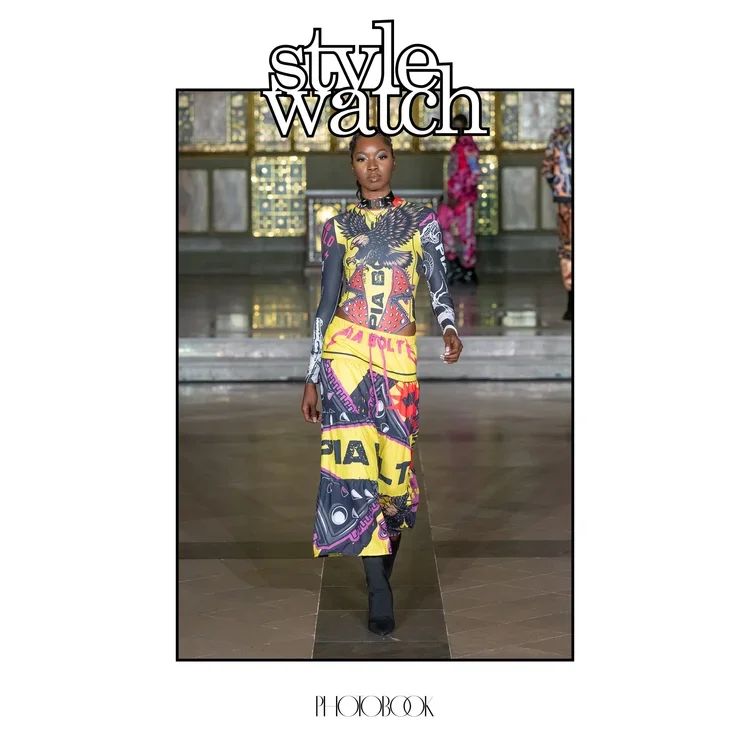
What does sleeplessness look like when the hours of tossing and turning become something you can touch, wear, and inhabit? In Tales from Sleepless Nights, FIT MFA graduate Hanwen Liu takes ordinary objects associated with rest and gives them unfamiliar forms, transforming pillows, bedding, and bathtubs into sculptural garments that explore the psychological weight of insomnia. Developed from the designer’s own experience with long-term sleep deprivation, the collection moves through the complicated emotions that accompany it, acknowledging that frustration, vulnerability, and the search for comfort rarely follow a straight path. Surrealist art and historical nightwear inform exaggerated proportions and experimental construction, while the designer’s “Sweet & Subversive” sensibility finds beauty in the tension between the familiar and the unexpected. More than an exploration of sleep, the collection offers a physical expression of an internal struggle, reframing fashion as a space where private experiences can become visible, shared, and ultimately understood.
What was the starting point for your MFA collection, and what initially made you want to explore that idea through fashion?
My collection Tales from Sleepless Nights was inspired by my personal experience with long-term insomnia. Over the years, I developed my own habits to cope with sleepless nights and explored different ways to find comfort and heal myself. Throughout this journey, I experienced many emotional changes. These emotions became the starting point of my collection. I explored these personal experiences through fashion, using my daily habits, emotions, and methods of self-healing as inspiration. Through this collection, I hope to share my personal journey and invite viewers into the emotional world of someone living with insomnia.
Your collection brings together a specific set of personal, cultural, historical, or conceptual references. How did your research evolve as you moved from an idea into an actual collection?
My research began with exploring the psychological effects of sleep deprivation, particularly the relationship between insomnia, anxiety, and emotional well-being. As my research developed, I became interested in Surrealism and how artists use imagination to express experiences beyond reality. I drew inspiration from Salvador Dalí, Elsa Schiaparelli, and Rei Kawakubo, especially their unconventional approaches to shapes and proportions. I also studied Victorian-era nightgowns, exploring their historical silhouettes and delicate details, which inspired elements of my collection. As I moved into the design process, I began experimenting with materials and construction techniques to bring these ideas to life. Through this process, my research gradually evolved into a collection that combines psychological experiences, historical references, and surrealist influences.
What role do your personal experiences play in your design practices, and how much of yourselves do you see reflected in these collections?
Personal experiences have always been an important source of inspiration for my designs. Tales from Sleepless Nights is my most personal collection because every look is connected to a part of my life. The designs reflect my memories, emotional changes, and the different ways I have tried to comfort and heal myself. Many details that might seem unusual to others actually come from familiar moments in my life. Through this collection, I have been able to look back at these experiences from a different perspective and give them new meanings. In many ways, this collection feels like a visual diary of my life with insomnia.
How did you all translate the central concepts of your collections into something physical through silhouette, material, color, construction, or textile development?
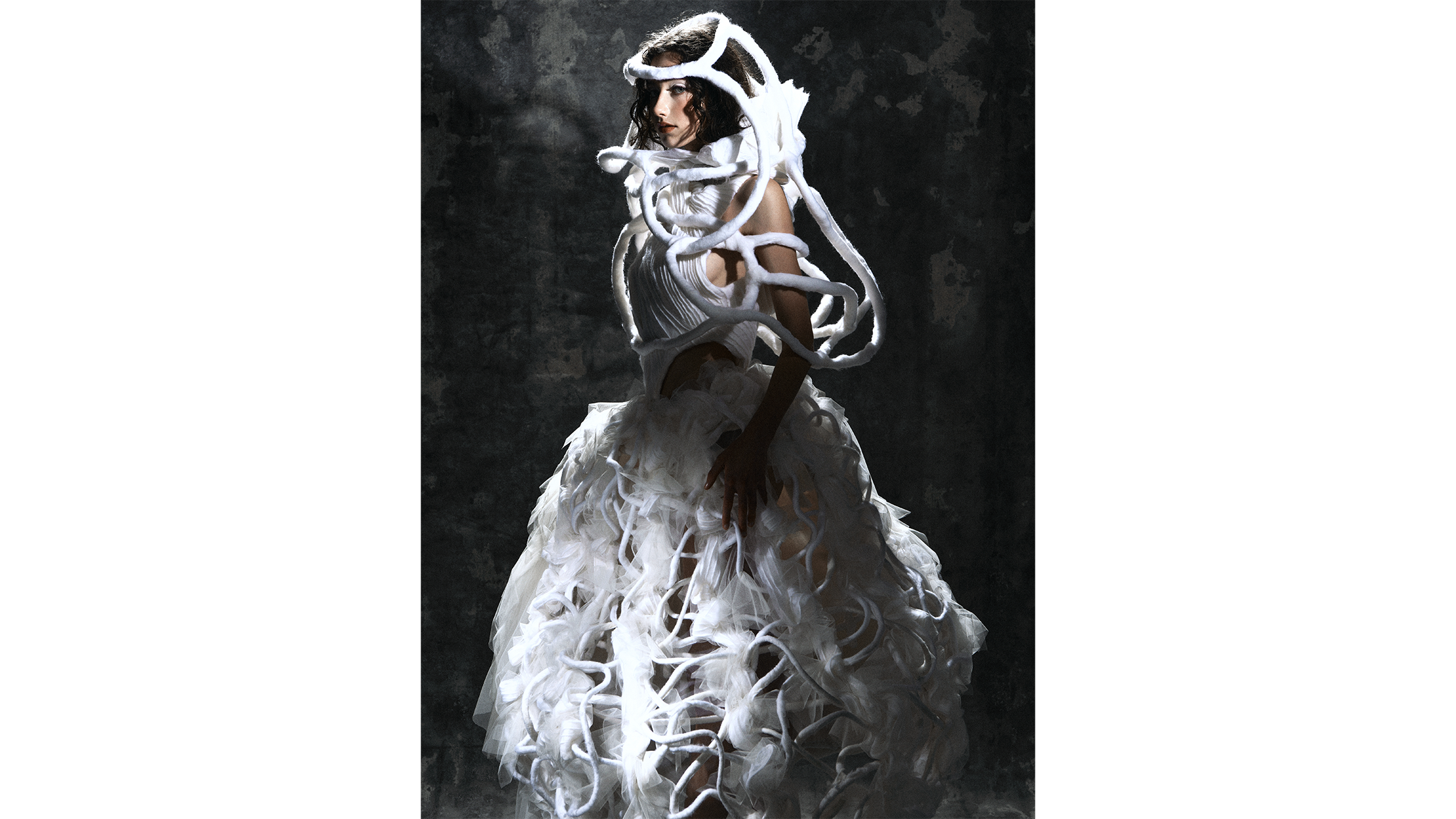
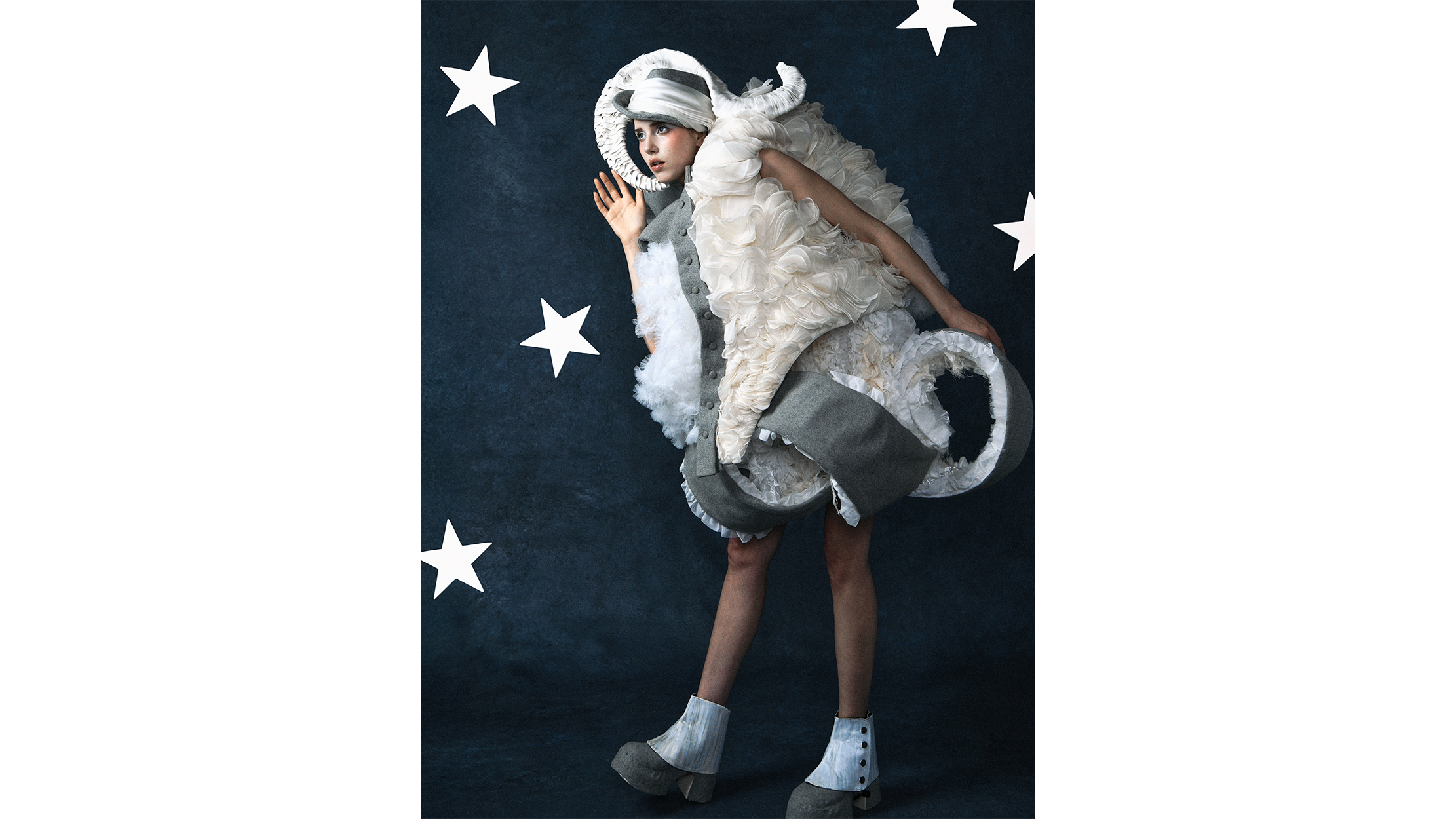
I began by looking at familiar objects and everyday experiences related to my sleepless nights, such as pillows, bedding, and bathtubs. I explored how their shapes and textures could be transformed into garments. I used exaggerated proportions and sculptural silhouettes to give these ordinary objects a more surreal appearance. Materials such as wool, felt, silk, and padded fabrics helped me create different textures and volumes. I also used techniques like felting, pleating, and boning to develop the desired structures. Throughout the process, I focused on how each material could support the overall shape and feeling of the design. By combining familiar elements with unexpected forms, I wanted to create a dreamlike world that reflects my personal experiences.
Was there a particular garment, technique, material, or look within your collections that became especially important to your overall story? Why?
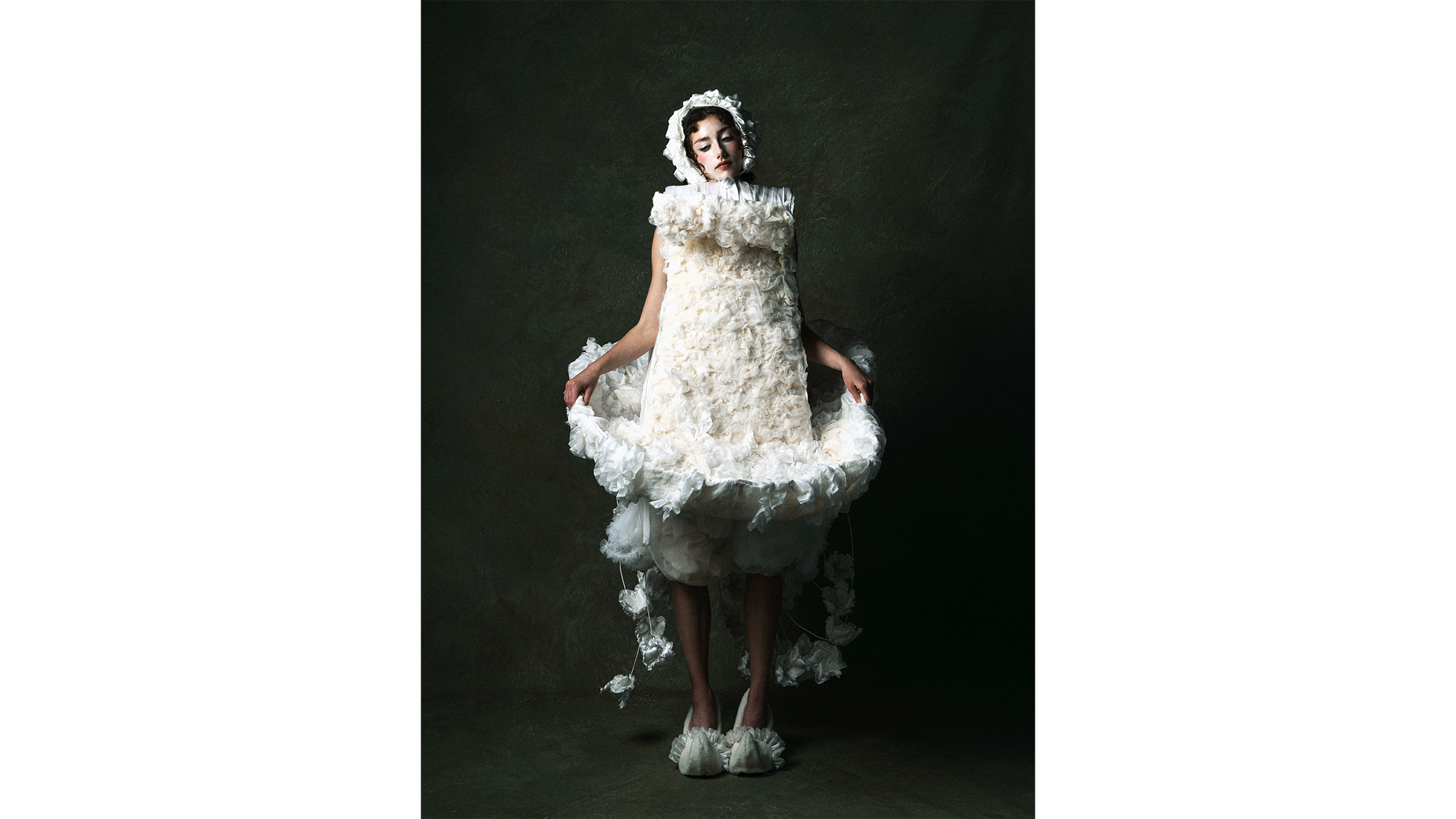
One of the most meaningful pieces in my collection is the Bathtub Look. During some of my tough nights, I felt safe and less tense in the bathtub. It became a private space for a temporary escape from my anxiety. I recreated this feeling by transforming the shape of a bathtub into a wearable piece. The rounded, oversized silhouette creates a sense of being surrounded and protected. This piece is especially personal to me because it represents a piece of my memory. It reminds me of how I tried to find comfort in unexpected places during sleepless nights.
Many of the collections in this graduating class engage with larger ideas around identity, culture, memory, the body, technology, or the environment. What do you hope viewers take away from your work beyond the clothes themselves?
Through my collection, I hope to bring more awareness and understanding to the emotional struggles of people living with sleep disorders. Insomnia is often seen as simply having trouble with sleep, but for those who experience it, it can deeply affect their emotions and productivity. I want the audience to understand that these invisible struggles are real and deserve empathy. At the same time, my collection also explores comfort, acceptance, and healing. I hope people can find connections within my work and feel encouraged to support their own emotions and those of others.
Was there anything about the processes of developing your thesis collections that challenged an assumption you initially had about your own design practices?
Before starting my thesis collection, I usually had a clear idea of what I wanted my final designs to look like. However, this collection involved materials and techniques that were not in the plan. Sometimes, unexpected results gave me new ideas and made the process more interesting. I learned that it is important to stay open-minded and allow myself to make changes along the way. This experience helped me become more comfortable with uncertainty and taught me that some of the best ideas can come from trying new things.
How has your time at FIT changed or expanded the way you think about fashion and your role as designers?
Before entering FIT, my design education and professional experience had given me a strong foundation in garment construction, patternmaking, and technical craftsmanship. Throughout my MFA, I began to explore fashion from a broader artistic and conceptual perspective. The program encouraged me to approach design through research and explore connections between fashion and other creative disciplines. I realized that fashion has the potential to spark communication, challenge perceptions, and encourage conversations about personal experiences. This experience has expanded my understanding of what fashion can achieve and how I can contribute as a designer. It has also strengthened my interest in exploring fashion as a form of artistic expression.
What do you think makes your design perspective distinctly your own, and how has that perspective evolved throughout your MFA?
My design perspective balances contrasting elements, which I describe as “Sweet & Subversive.” I am fascinated by the tension between softness and strength, familiarity and strangeness, and the unexpected beauty that emerges when opposing qualities come together. This approach influences both my aesthetic choices and the way I develop ideas. I enjoy challenging conventional proportions and reimagining familiar forms to create novel visual experiences. Throughout my MFA, I have learned to manage my creative instincts and embrace uncertainty in the design process. This experience has helped me establish a clearer artistic identity and given me the confidence to take greater creative risks in my future work.
As you move beyond FIT and begin the next chapter of your career, what do you want to carry forward from these collections, and what are you excited to explore next?
Through Tales from Sleepless Nights, I have developed a deeper understanding of fashion as a medium for emotional storytelling. I hope to carry forward my exploration of sculptural silhouettes, experimental materials, and unconventional construction techniques while continuing to create meaningful connections between clothing and the human body. Moving forward, I am particularly interested in costume design for theater, dance, and film, where garments can become an essential part of storytelling and performance. I look forward to collaborating with artists across different disciplines and developing a design practice that combines creativity, craftsmanship, and emotional storytelling.
The collection comes from your personal experience with sleep disorders, but rather than portraying sleeplessness as one singular experience, you explore acceptance, confrontation, coexistence, and recovery. Why was it important to tell the story through multiple emotional states?
As someone who has struggled with insomnia, I wanted this collection to reflect my emotional journey and the different stages I have experienced along the way. My relationship with insomnia can be defined by a series of emotions, from frustration and helplessness to a gradual sense of acceptance. Each stage has shaped the way I understand myself and my relationship with sleep. Recovery is often imagined as a linear journey from pain to peace, but my experience has been much more complicated. Even after learning to accept my condition, moments of anxiety can return. At the same time, I have discovered that comfort and hope can exist alongside difficult emotions. The different looks in my collection reflect these emotional changes, as well as the ways of coping I developed throughout different stages of my life. Creating Tales from Sleepless Nights has also become part of my personal healing process. Through this collection, I am learning to move beyond the negative emotions that once dominated my experience and find a sense of peace within myself. In a way, this collection feels like a beautiful, sweet dream that I have finally been able to give myself after so many sleepless nights.
Your practice focuses heavily on psychological and spiritual experiences. What role does fashion play in making something internal or invisible physically tangible?
I believe fashion is a powerful medium for translating emotions and psychological experiences into physical forms. Emotions are often difficult to explain, but they can be expressed through visual context and the relationship between silhouette and the human body. Fashion intimately connects to the body. Clothing can transform the body, allowing abstract feelings to become something we can physically experience. In my collection, I explore this relationship by transforming familiar objects associated with sleep into sculptural garments. These objects carry emotional associations with comfort, vulnerability, and security. Through exaggerated volumes and contrasting textures, I give these familiar forms new meanings that reflect the complexity of my psychological experiences. For me, fashion creates a connection between our internal and external worlds. It allows emotions to take on a visible form and creates opportunities for others to relate to experiences they may never have encountered themselves.
Interview by Emma Green, Assistant to Editor-In-Chief, PhotoBook Magazine
Tearsheets by Daniel Lopez, Art Director, PhotoBook Magazine
*Images Courtesy of FIT
RELATED STORIES