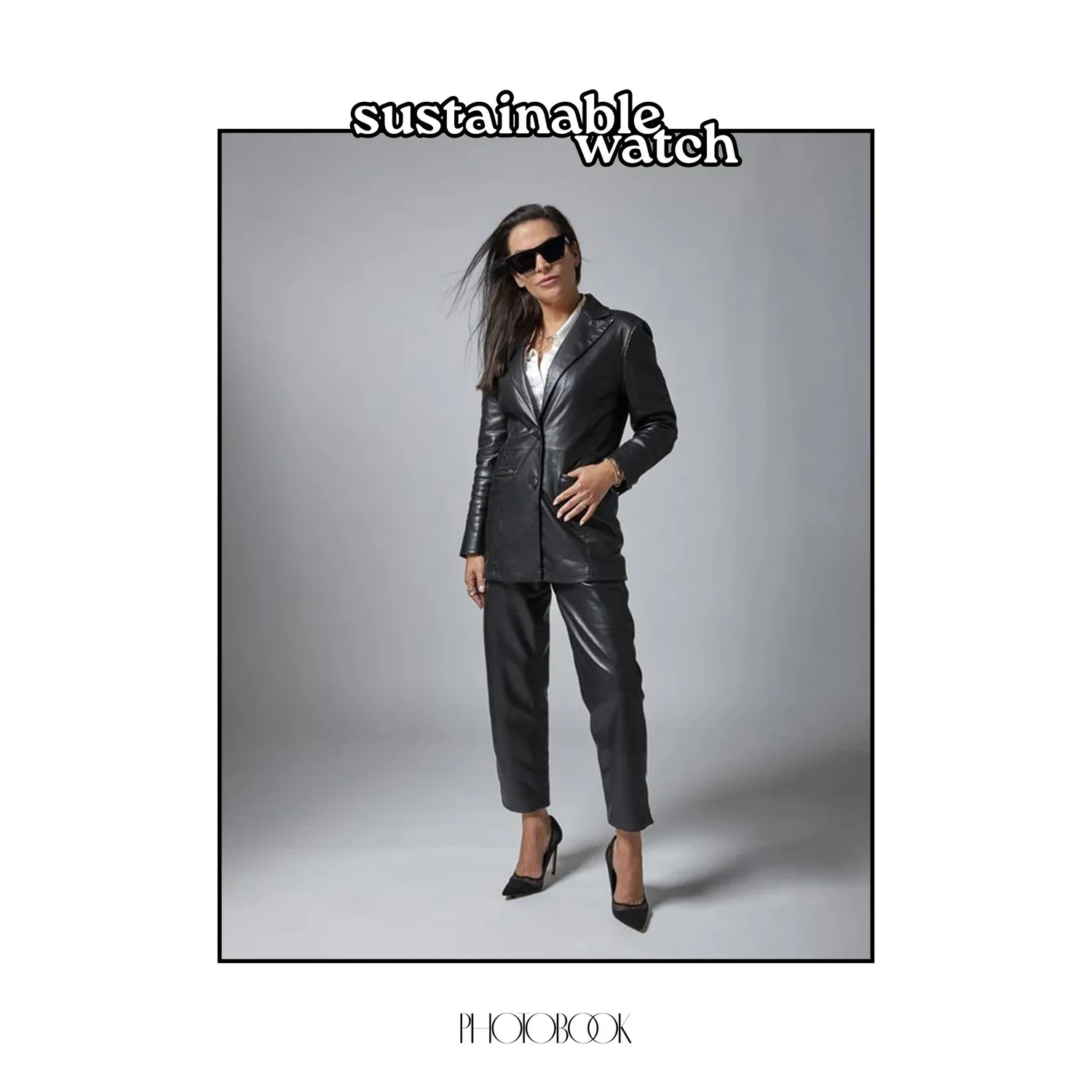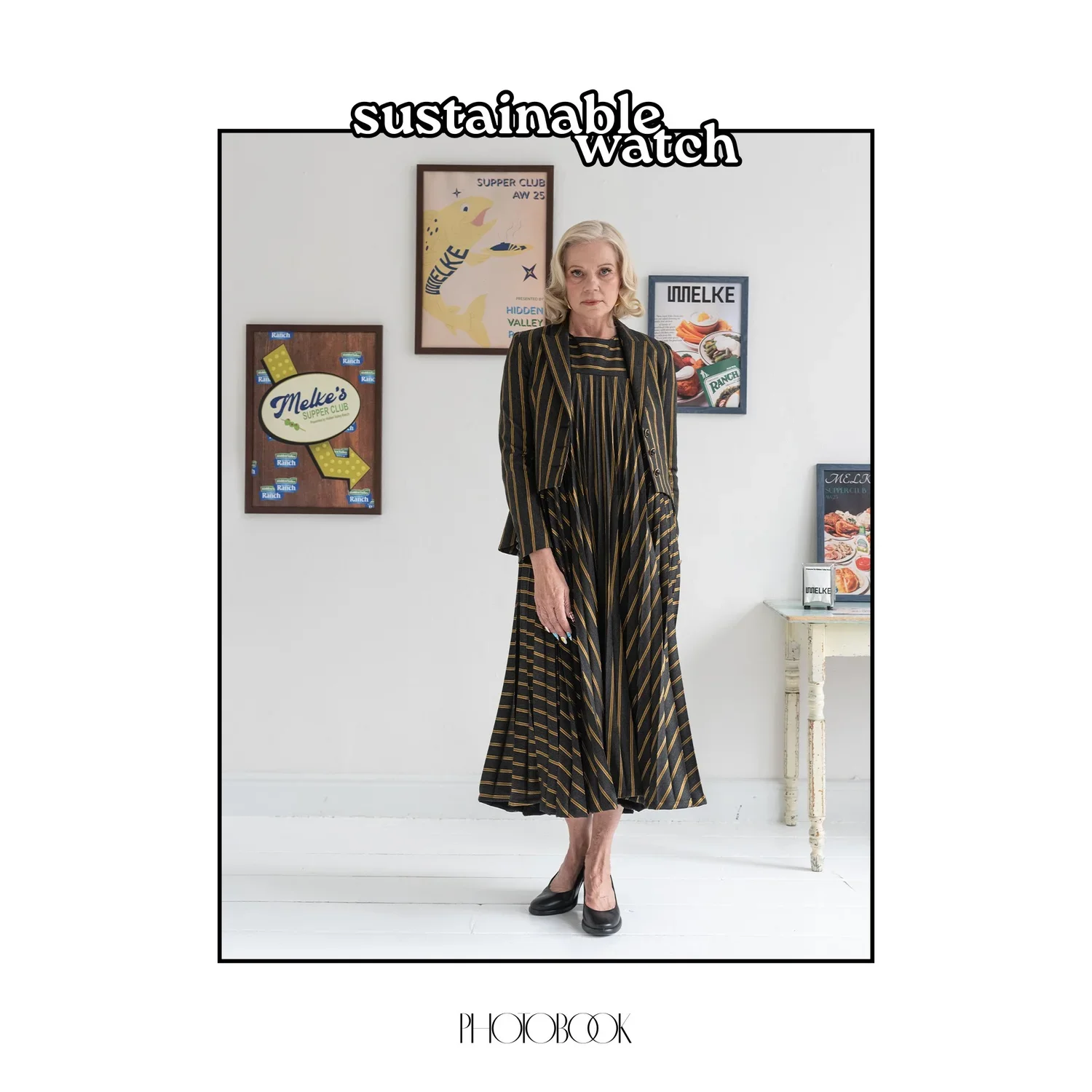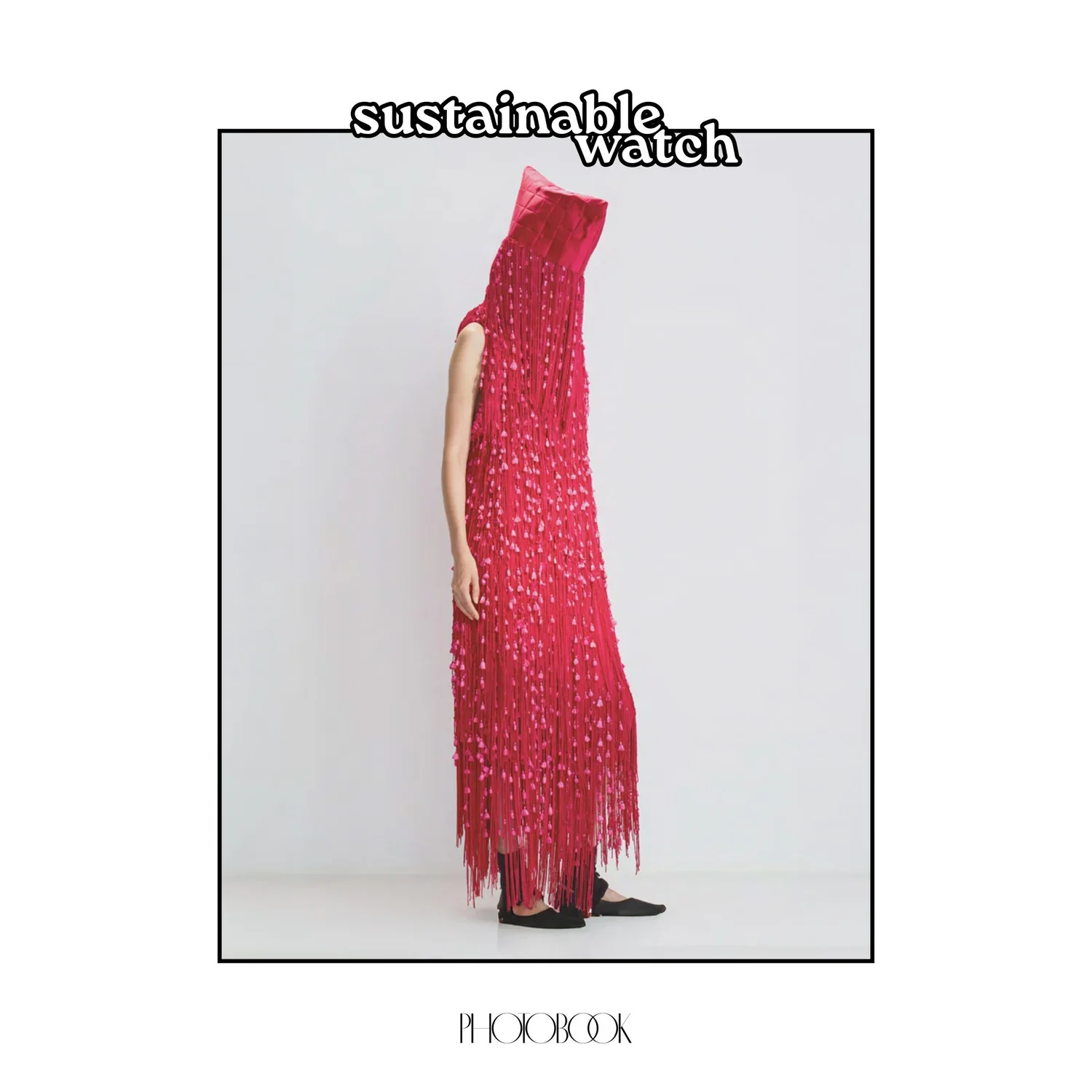
Garments Made by Hand & With a Story, Slow Fashion Designer Ella Griffee Studio
In the coastal town of Falmouth, designer Ella Griffee is focusing on quality over quantity. “I focus on silhouettes that are timeless rather than trend-driven,” says Griffee. Her garments are thoughtful, precise and made entirely by hand. Ella Griffee Studio is challenging us to think ethically when buying clothes and creating garments that inspire a quiet recognition. “My pieces are meant to be lived in, not just worn.”
These timeless attires are all created by the designer herself in her studio where every garment is made with intention and has its own story.
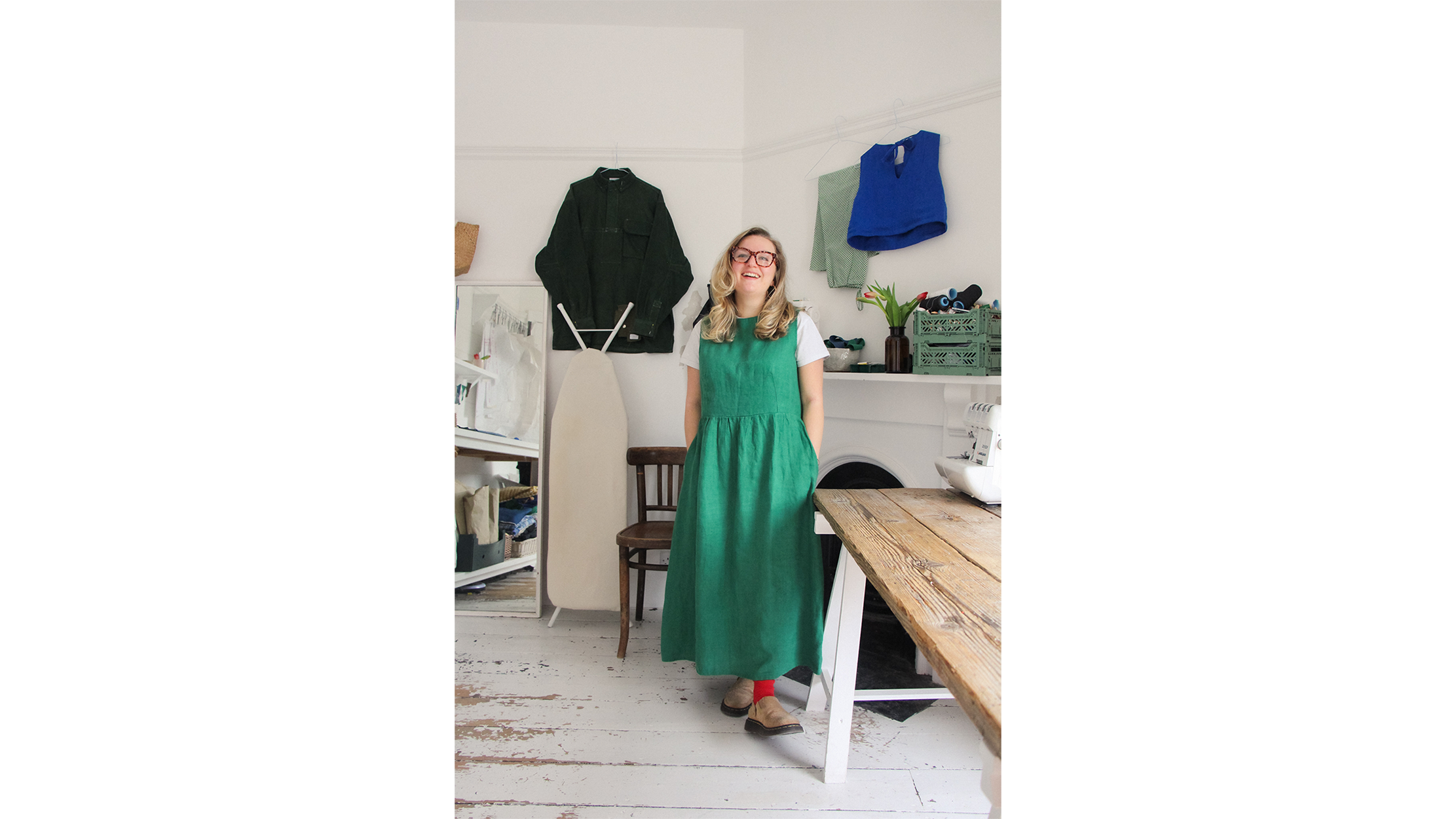
Photographer: Lottie Matthews
Where did your inspiration for Ella Griffee Studio originate from?
My practice grew from a lifelong fascination with familiar, shared clothing. Not influenced by high fashion, or endless trends—but instead by the quilted jackets that the whole family threw on for dog walks, my father’s oversized rugby shirts, and my mother’s 30-year-old pink Hackett shorts. Their silhouettes felt timeless and full of comfort, and exploring what makes these garments so special has evolved into my in-house design and production studio, creating garments that feel like a hug from home.
What sparked your decision to pursue slow fashion?
I studied fashion design at university and have experience in industry, for both small independent brands and a high-street retailer. I adored the creative aspect of designing and sewing, but was disillusioned by fast-fashion and the damage it wreaks. I decided the studio would work to a made to order model, allowing for bespoke tweaks and garments that would fit the customers perfectly. This also means there’s a very small amount of waste, and as a self-funded brand this allows me to spend as I grow. I choose premium fabrics made from natural fibres, because I love the way they feel and weather over time. My choices naturally lean towards a slow fashion ethos, and it feels true to my values. Fashion isn’t disposable, it’s an art form and a skilled craft.
Your studio is situated in Falmouth, Cornwall. How does the British seaside influence your creative process?
Cornwall is famed for its golden light that influenced the St Ives artists and many creatives have sought refuge here, embraced by this county that feels so different to anywhere else. I’ve called Falmouth home for ten years now, and find it incredibly inspiring here. From the sun-dappled sheltered bays on the south coast, to the vast expanses of beach and imposing cliffs of the north coast. There is always a dynamic energy, and this power the weather holds can impose a slower way of life on the coast. My garments are designed to be versatile and to keep you company as you stomp the coast path, or picnic on the beach.
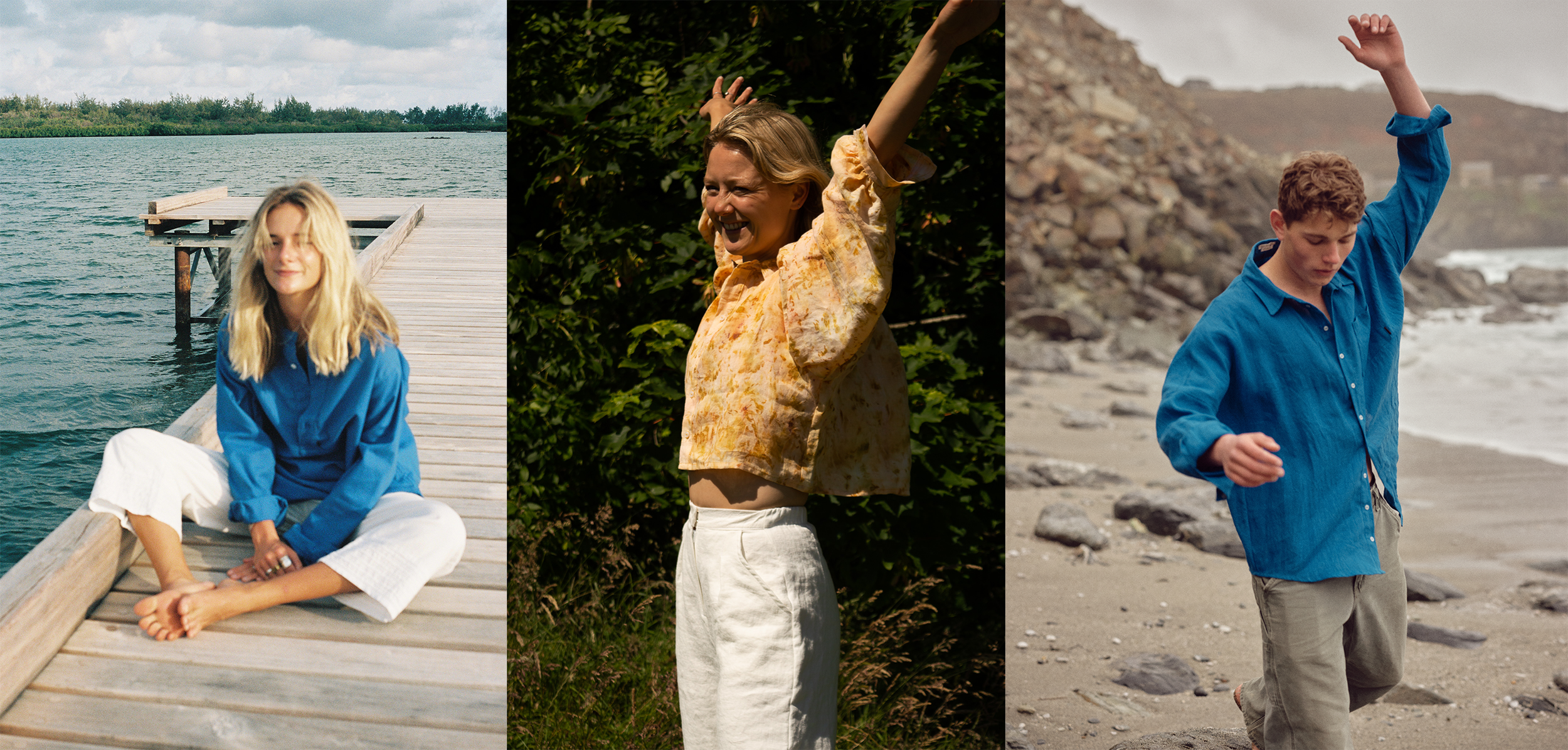
Photographer: Joshua Whitton
Photographer: Imogen Rosemary
Photographer: John Hersey
You limit yourself to sixteen orders a month. Why sixteen exactly, and what boundaries does it help preserve?
Sixteen is the number that gives me time to properly approach each piece. It gives me the space to design, cut, sew, and finish everything with integrity rather than urgency. Setting thatcapacity also keeps me connected to my own wellbeing. It gives my creativity room to breathe, and limiting orders ensures I never get caught on the hamster wheel.
How do you stay creative while producing such a small number of orders each month?
Working to a small scale actually fuels my creativity. It means I’m never in production-line mode. Each order is its own project, and because I’m not overwhelmed by volume, I can stay curious. There is time to explore new ideas, sample new fabrics, and develop collaborations.
How do you design for longevity and how do your garments adapt to the changing bodies and lives?
Longevity is woven into my process from the very first sketch. I focus on silhouettes that are timeless rather than trend-driven, and I choose fabrics that age beautifully. I mostly work with a medium-weight linen which just keeps getting better with age. Fit is a huge part of longevity—many of my garments include subtle adjustability, elasticated waists, dropped shoulders, and tie fastenings that allow the garment to grow and shift with its wearer. Women’s bodies are constantly changing—and our clothing should embrace us, instead of restricting us.
How long does it take you to make each handcrafted piece and how might that personal touch influence the quality of your garments?
Each garment takes between 4-8 hours, depending on the style. I cut everything myself, and every seam and button passes through my hands. It means that when a customer messages the studio to ask for a longer hem, it’s me that tweaks the pattern and adjusts the design, and then sews it. I truly believe you can feel when something has been made slowly and with intention and care; there’s a quiet energy to it that becomes part of the experience of wearing it.
Your ‘Signature Staples’ are inspired by your father’s wardrobe. What do these memories now mean to you as a designer?
Before the studio developed into the brand it is today, I was just recreating much-loved oversized shirts that I’d ‘borrowed’ from my father’s wardrobe. They had details which I couldn’t find elsewhere, from the dropped shoulders, to domed buttons, and gently curved hems. I felt most like me wearing them, and cocooned in this connection to family and home. I updated the styles so they worked in my wardrobe, and they were soon bestsellers. These pieces became ‘Signature Staples’, and are joined by other styles which can all be worn every day, and are easy to wear through the seasons. I want my clothes to carry the same sense of ease and familiarity. This concept anchors the brand, and any new ideas must align with it.
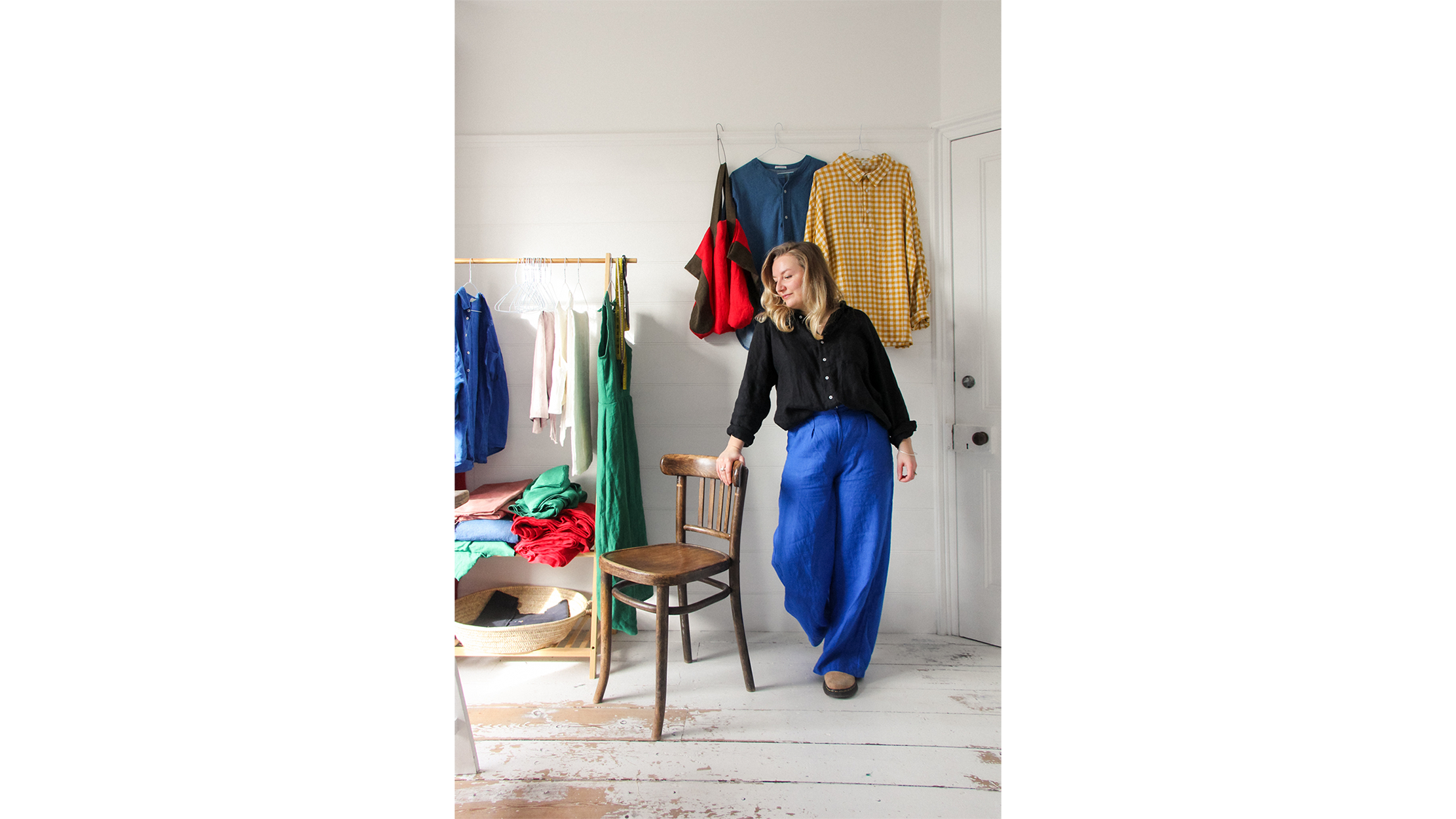
Photographer: Lottie Matthews
What typically inspires your process in the creation of your ‘Monthly Muse’ collection?
The ‘Monthly Muse’ is my place for play. Each month, I follow whatever has captured my imagination: a place, a painting, a moment in nature, or even a material I can’t stop thinking about. A garment is designed and a concept created that feeds into my writing, my drawing, and a photoshoot. It’s intuitive and exploratory—a creative reset that keeps my practice dynamic and alive. ‘The Muse’ pieces are like love letters to whatever I’m curious about at that moment in time.
How do you stay consistent and true to your values in an industry that prioritizes speed and trends?
I am inspired by the people and art I surround myself with, and the world around me, but I don’t follow fashion itself. It helps me not to have an endless drip feed of other people’s ideas in the same industry to water down my own. My studio is small by design; I’m not trying to keep upwith the pace of fast fashion, or any other brands. Instead, I want to be an antidote to it and approach clothing as a craft.
What do you hope your customers feel wearing a garment designed by you?
I hope they feel most like themselves—enveloped by the fabric, supported by the fit, and bolstered by the story woven into each piece. I want them to feel beautiful, but not overtly precious. These clothes are made so you can feel gorgeous while you’re creating, cooking, walking, painting, and doing the things that make you happy. My pieces are meant to be lived in, not just worn. My hope is that they become part of someone’s personal history, accompanying them through both the quiet and significant moments of their life.
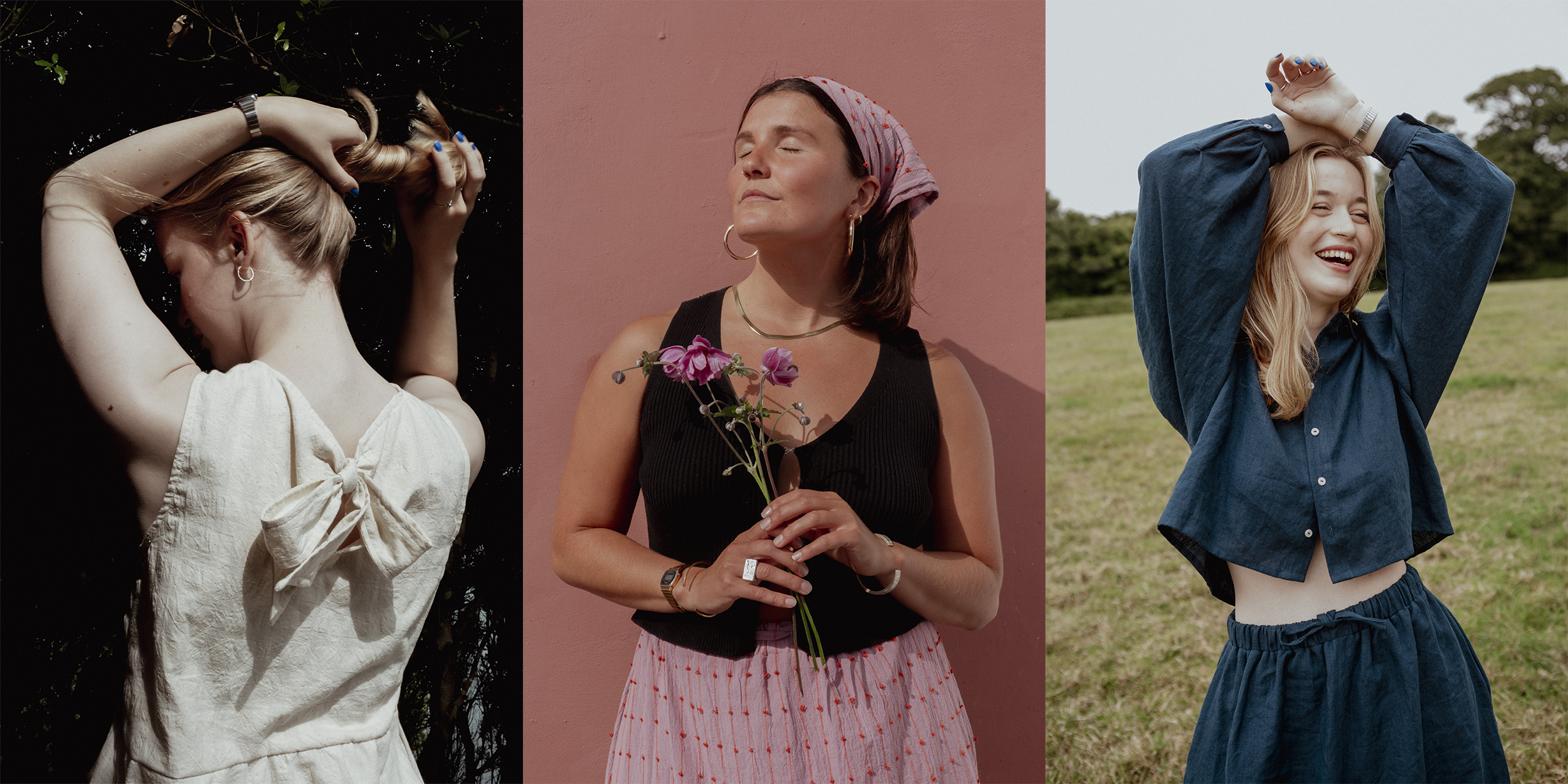
Photographer: ʀᴜʙʏ ɪɴɢʟᴇʜᴇᴀʀᴛ
How do you see Ella Griffee Studio evolving over the years?
I hope to see the studio growing slowly and naturally, staying rooted in craftsmanship while expanding in ways that feel meaningful. I’d love to welcome a small team, so we could sew more orders. I always feel energised by collaborations with local artisans and would like to do more of these projects. Whatever shape it takes, my priority is to preserve the intimacy of the process. The evolution will be gentle, and aligned with the same hopes and ideas I had from day one.
Interview by Leonor Moreira, Contributor, PhotoBook Magazine
Tearsheets by Daniel López, Art Director, PhotoBook Magazine
*Images courtesy of Ella Griffee Studio
RELATED STORIES