The First Fully Upcycled Brand at London Fashion Week - E.L.V. DENIM
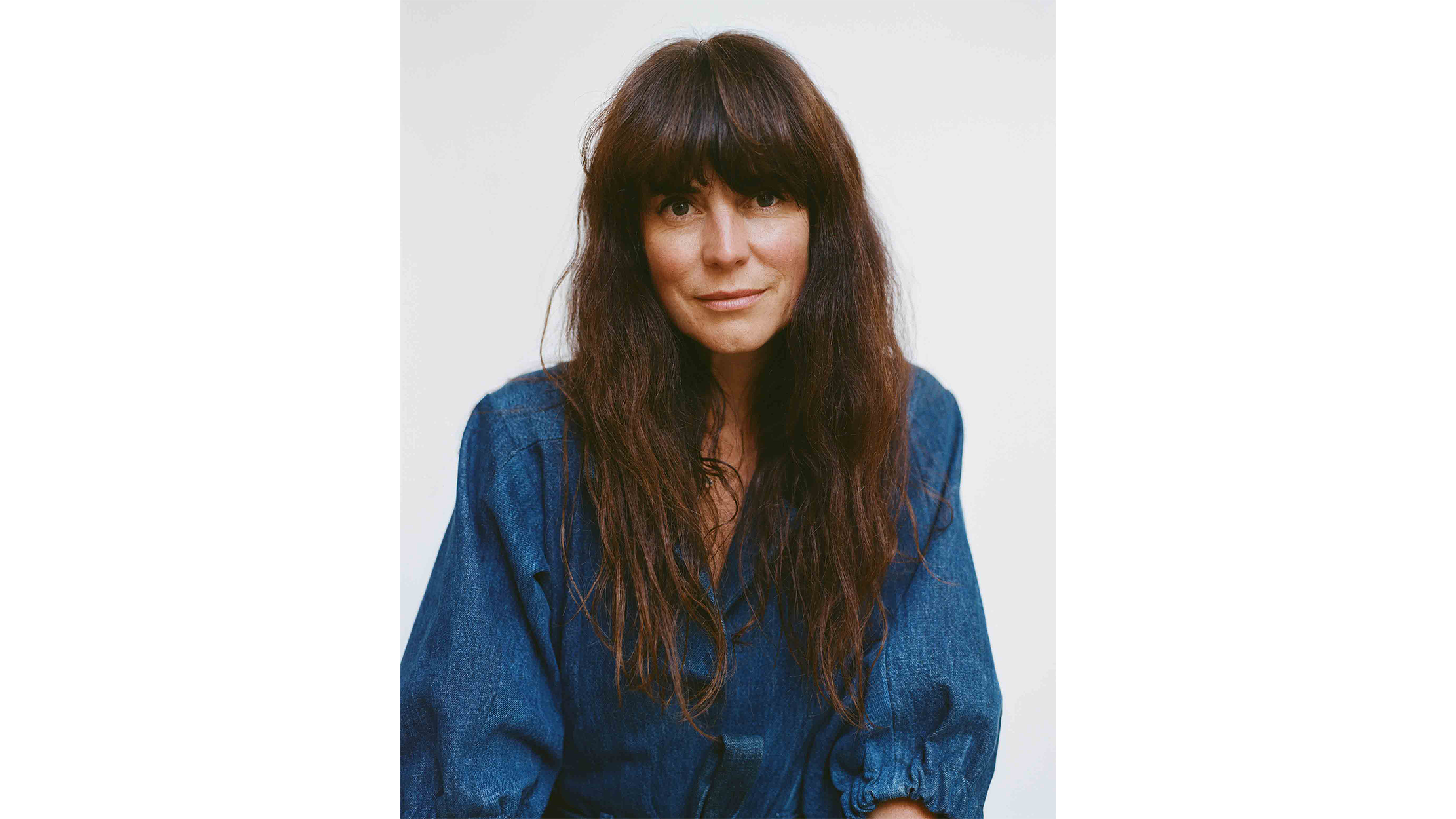
“East London is the heart of E.L.V. DENIM,” says Anna Foster, founder and creative director of the first upcycled brand at London Fashion Week. Founded in East London and built entirely on post-consumer waste textiles, this brand proves that “you can create high-end collections without using new materials.”
Established in 2018, E.L.V. DENIM expanded from solely working with denim jeans to creating a wider catalogue that consists of upcycled and sustainable materials such as shirts, dresses and accessories. And still with the same sustainable principles, E.L.V. DENIM transforms discarded garments into unique pieces. All collections are designed locally and produced in London.
What does being the first fully upcycled brand at London Fashion Week mean to you personally, and what does it signal in terms of the industry’s progress?
Showing up as the first fully upcycled brand at London Fashion Week was a defining moment. It demonstrated that circular design, luxury craftsmanship and innovation have a place at the very centre of fashion’s most influential stage. Personally, it affirmed the journey I’ve been on since 2018—proving that you can create high-end collections without using new materials. For the industry, it signals a shift towards accountability and creativity with purpose. Upcycling is no longer viewed as niche. It is a blueprint for the future.
How did the brand evolve from working exclusively with denim jeans to creating a wider range of clothing and accessories, and what inspired that expansion?
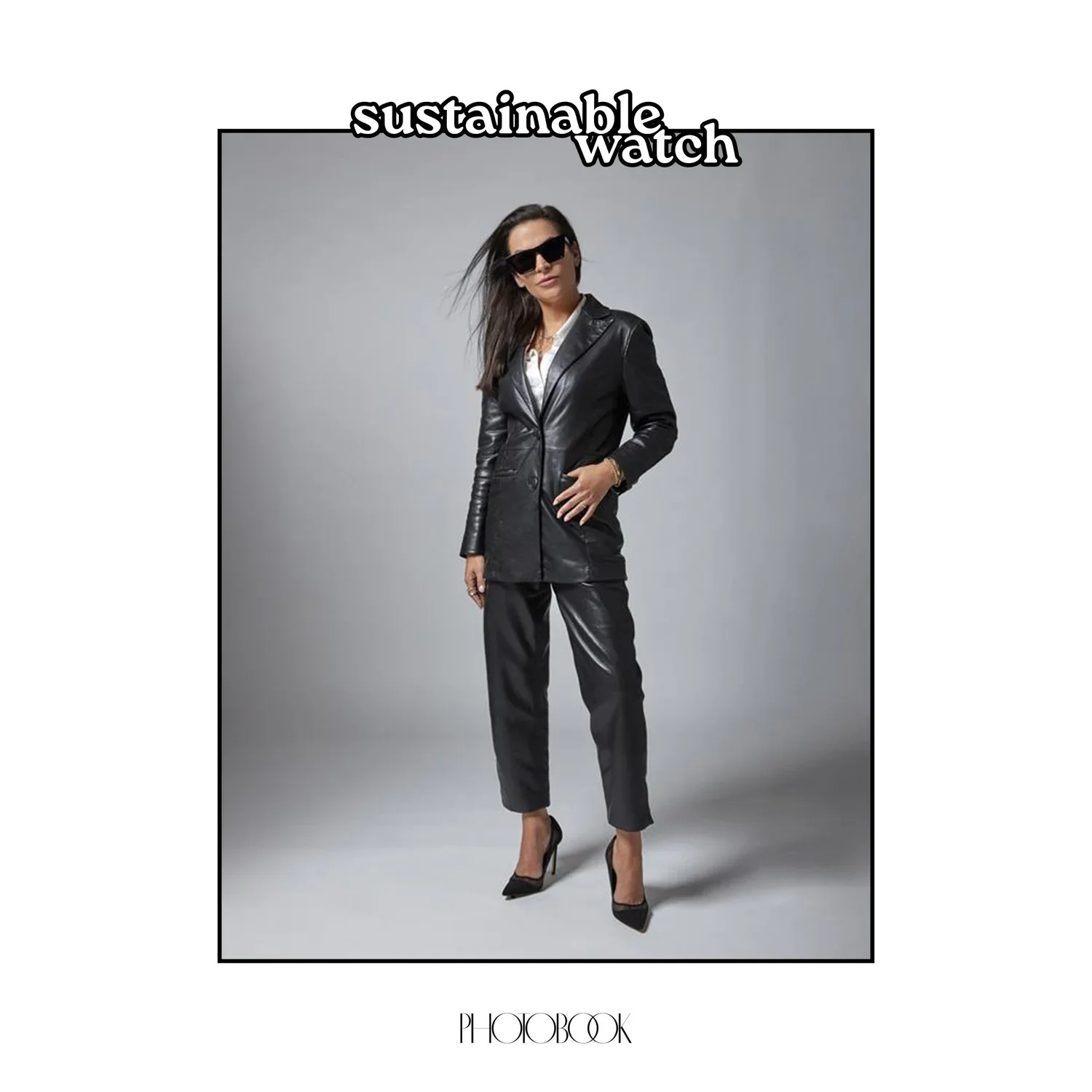
E.L.V. DENIM began by solving one problem: the unnecessary waste of denim. But once we built our systems and innovation pipeline, it became clear that other materials were equally undervalued. Expanding into shirting, tailoring, leather, cotton from luxury hotels discarded linens and other alternative textile streams allowed us to continue challenging the status quo. Every decision has been driven by common-sense—if a material already exists, no matter what industry it comes from, why create a new one?
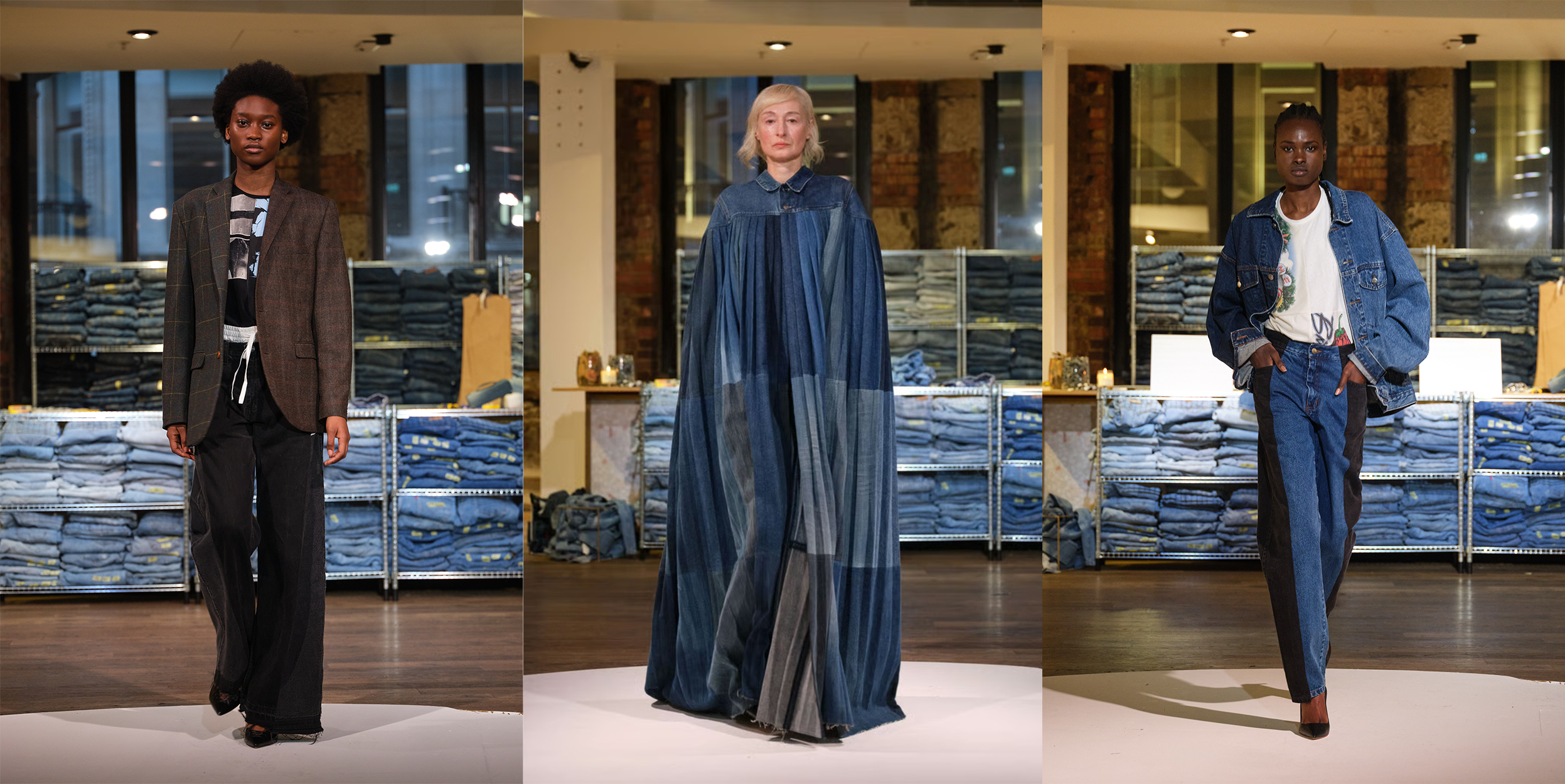
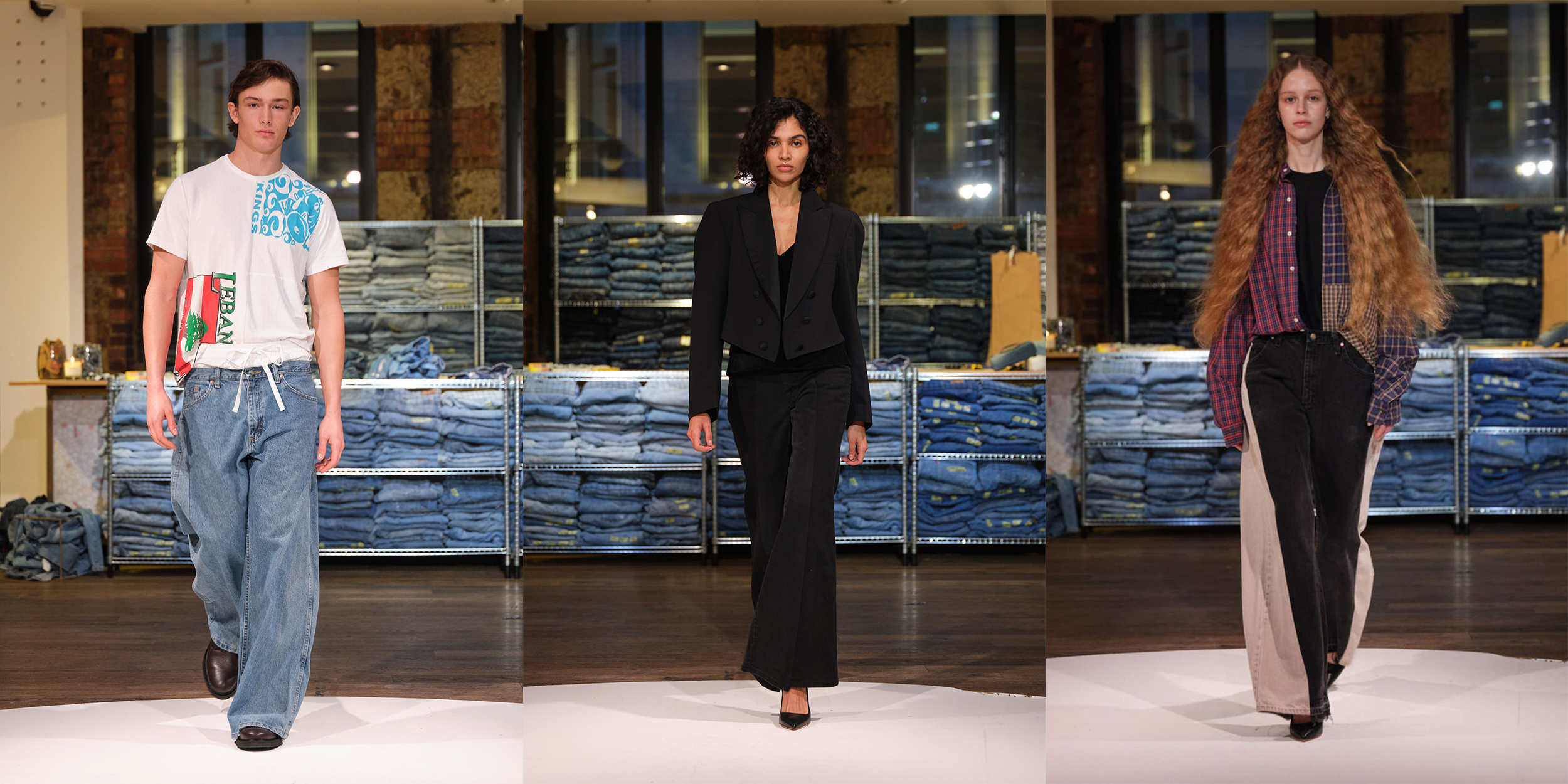
Your debut collection The Journey, shown at London Fashion Week in February, reflects your evolution from the brand’s first pair of jeans you made in 2018. How did you bring that story together as a unified runway narrative?
The Journey was about transformation. We traced the lifecycle of our pieces—from discarded garments to meticulously tailored silhouettes—celebrating how far upcycling can go. We brought our full supply chain into the space, allowing guests to see the real people and processes behind each piece. From the sorting of discarded garments to the technical precision of our tailoring, the audience experienced the making in real time. It was a demonstration of true transparency: revealing the complexity, the craftsmanship, and the care required to turn waste into something extraordinary. Alongside these live moments, we showcased the final looks—a celebration of what these materials can become when they are treated with respect and innovation.
E.L.V. DENIM stands for East London Vintage DENIM. What does East London mean to the brand?
East London is the heart of E.L.V. DENIM—it’s where I live, where my family is, and where the brand was born. The area has a long history of manufacturing and skilled craftsmanship, so keeping everything here felt completely natural. By working locally, I can be deeply involved in every stage of the process—which suits my perfectionist nature—while supporting the incredible talent that exists within this community. East London is embedded in the way we operate and inthe spirit of innovation within what is already there that defines the brand.
All of your garments are made from post-consumer waste textiles. How do you ensure scale and sustainability coexist seamlessly?
We have built a model where every stage of production—sourcing, sorting, design, and manufacture—is closely managed so scale never comes at the expense of responsibility. For us, growth isn’t defined by volume. It’s defined by impact: employing more craftspeople, solving more textile waste problems, and expanding access to responsible design. Our long-term vision is to replicate the E.L.V. DENIM blueprint locally to where waste materials already exist in the world, establishing production hubs close to both the waste streams and skilled manufacturing communities. That means garments can be created where the resources are found and then distributed regionally to reduce unnecessary environmental impact. It’s a way to scale that supports local economies, keeps craftsmanship at the centre, and ensures sustainability and growth move forward togethe—not in opposition.
Without giving away specifics, what does your sourcing process for pre-loved materials look like, and how does it shape the individuality of each design?
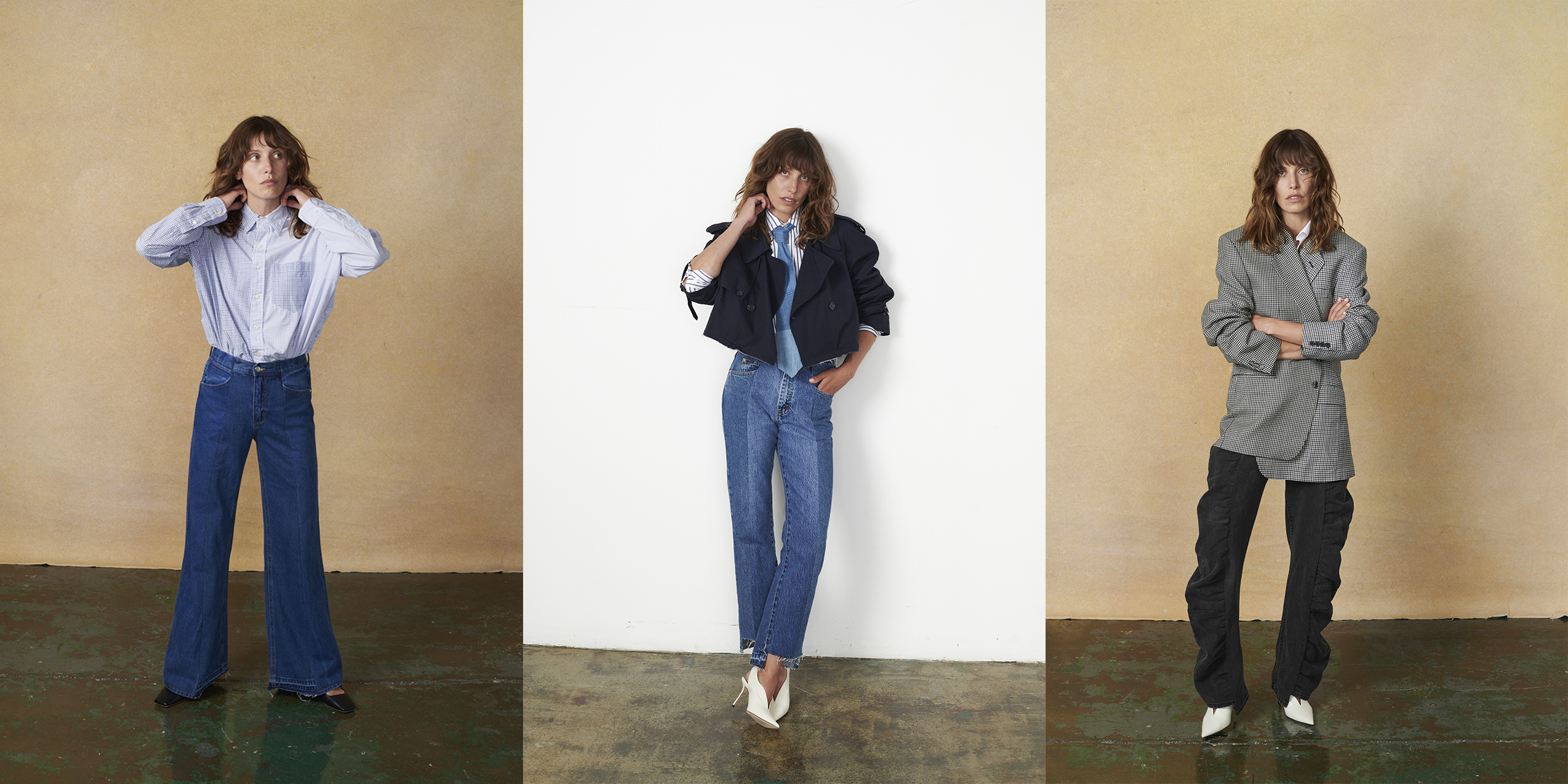
Every garment begins with the material. We hand-curate each piece by weight, tone, character, and quality—and once sorted, everything is graded to determine what style or garment it has the potential to become. From there, my design team and I personally pair every component, ensuring the design intent is considered from the very start. No two jeans are the same way, so individuality is inherent. The material carries its own history and personality, we simply guide it into its next form, with craftsmanship and aesthetic design always leading the process.
When you first introduced the iconic pleated denim cape, did you ever think it would be as popular as it was?
It began as a technical exploration,pushing upcycling into a different territory. I wanted to see how we could transform material that wasn’t suitable for jeans into something exceptional,highlighting its unique characteristics. The response showed that customers are seeking pieces that feel truly distinctive and celebrate traditional techniques reimagined in entirely new ways. It became a symbol of what thoughtful upcycling can achieve.
How has the recognition from the BFC and Vogue Business contributed to increasing the brand’s traction and visibility?
That recognition validated the years of work invested in refining our systems and elevating upcycling to luxury levels. It amplified our voice, introduced us to global industry leaders, and helped us grow a brand that once began with a single pair of jeans made in my kitchen.
What is the creative process like when turning old garments into a runway collection?
It starts with the raw material. Rather than sketching ideas and searching for fabrics to match, we respond to what already exists. We experiment, re-engineer, and tailor until we unlock the garment’s next potential. It’s a process driven by collaboration between design imagination and technical innovation. The restrictions actually fuel creativity.
Where do you see the future of E.L.V. DENIM heading?
Our path remains rooted in circular design, local craft, and innovation in material reuse. We are scaling responsibly and exploring new waste streams—not only from fashion, but from interiors, hotels, and other industries—helping businesses transform what was once waste into valuable materials, creating new opportunities and revenue streams. At the same time, we are working on developing the E.L.V. DENIMblueprint: establishing local hubs near textile waste sources and manufacturing communities, so production can happen where the resources exist and then be distributed regionally. The mission remains to show that luxury can be created without from what already exists, while inspiring the wider industry to rethink what is possible.
Interview by Leonor Moreira, Contributor, PhotoBook Magazine
Tearsheets by Daniel López, Art Director, PhotoBook Magazine
*Images courtesy of E.L.V. DENIM
RELATED STORIES