Mike Ruiz on Using AI to Transform Iconic Stills Into Moving Stories
"I found a camera under my Christmas tree and within minutes, I was obsessed. I began shooting everything in sight. I taught myself the intricate mechanics of the camera, but it was a couple of years before I realized that I could actually make a living with my work,” says Mike Ruiz—Celebrity Photographer and Creative Directer of PhotoBook Magazine. His work includes talent such as Priyanka Chopra, Lewis Hamilton, Cardi B, Ruby Rose, Kim Kardashian, Katy Perry, Prince, Taraji P. Henson, Penn Badgley, Lakeith Stanfield, Kelly Clarkson, Queen Latifah, and Betty White. Ruiz has also gone on to shoot several music videos for artists such as Kelly Rowland, Vanessa Williams, Erika Jayne and Rupaul. Most recently, this 2026 will the 12th-year anniversary of Ruiz's calendar—Rescue Me—which is an ongoing project that has benefitted several animal rescues throughout the years, such as Louie’s Legacy.
“I’d shrivel up and die if I had to sit at my computer alone cranking out text prompts for the rest of my life,” Ruiz tells PhotoBook. But this doesn’t stop him from dabbling in its creative process. With over thirty years of experience, Ruiz continues to adapt to whatever changes occur in the photography industry. Even if this means using AI to truly bring his images to life.
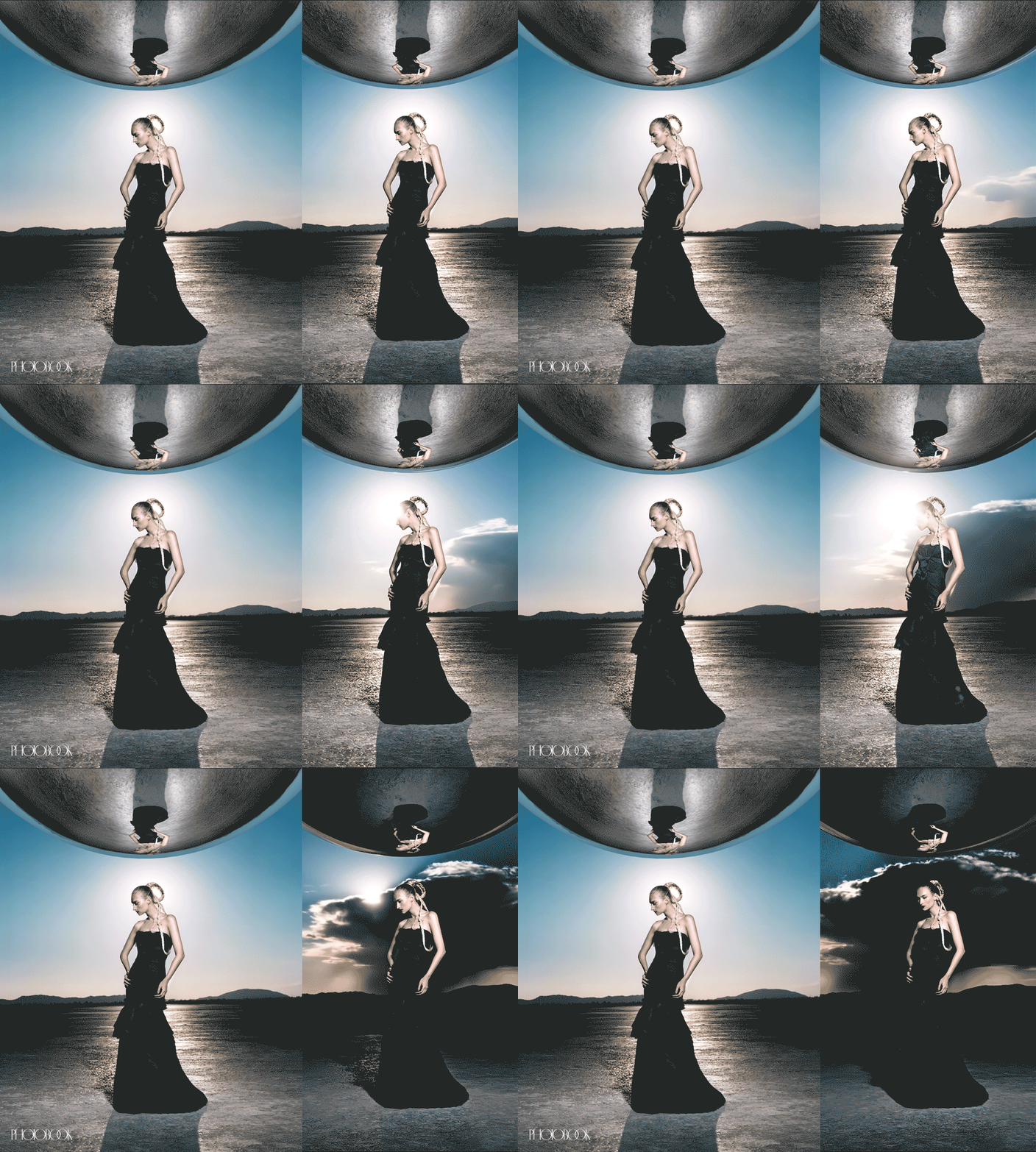
Mike, you recently transformed some of your still photographs into an AI-generated moving video. What inspired you to take that leap into AI?
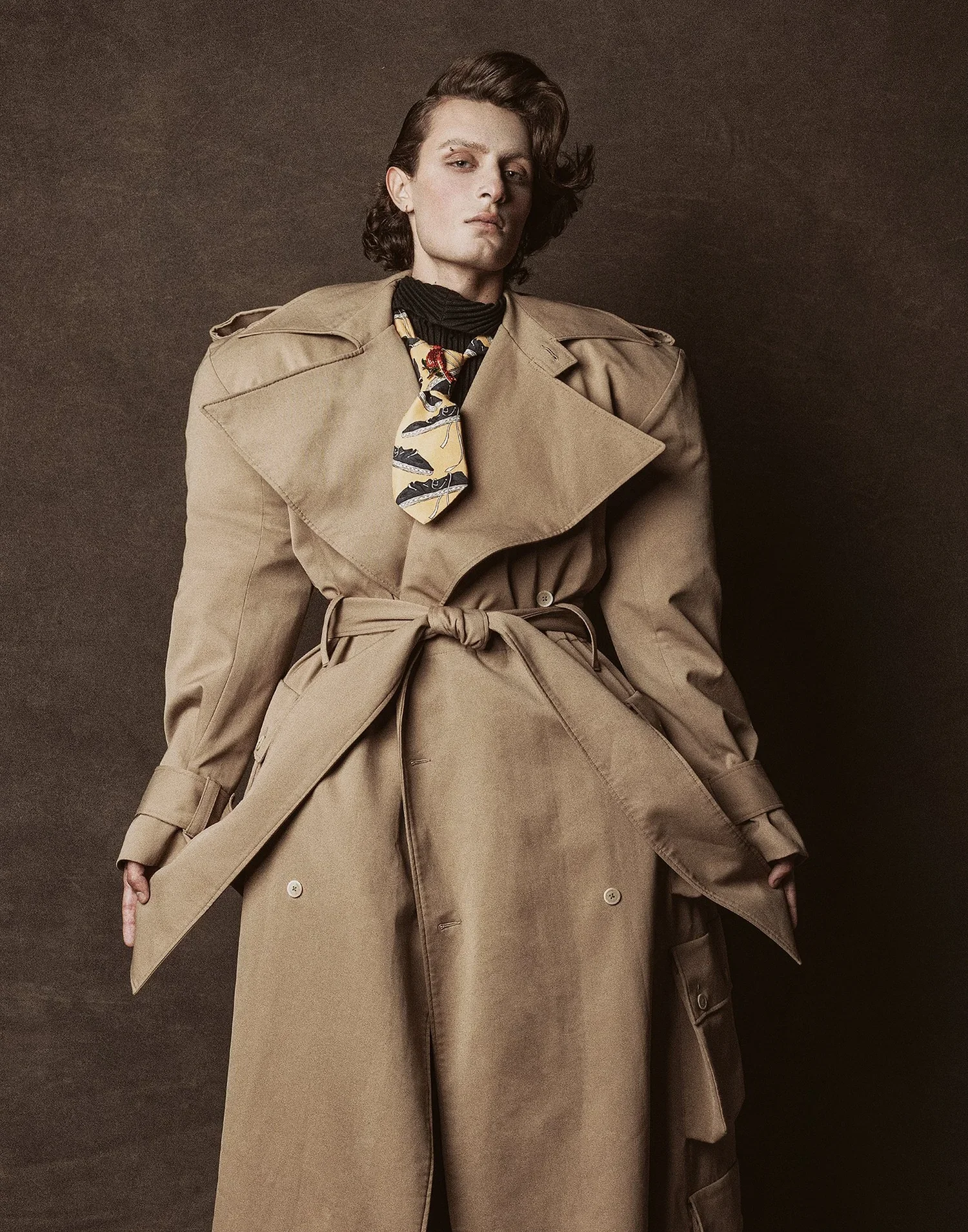
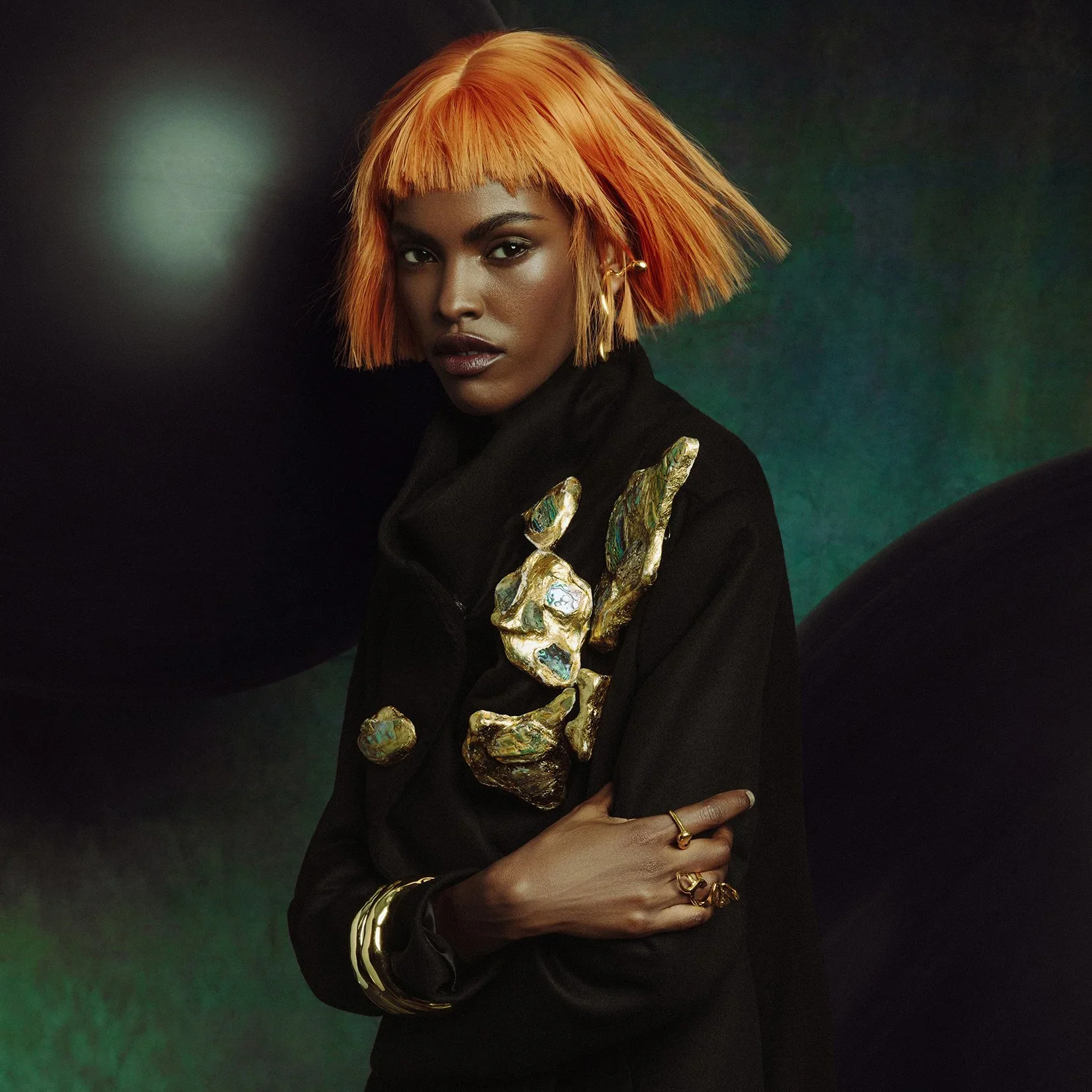
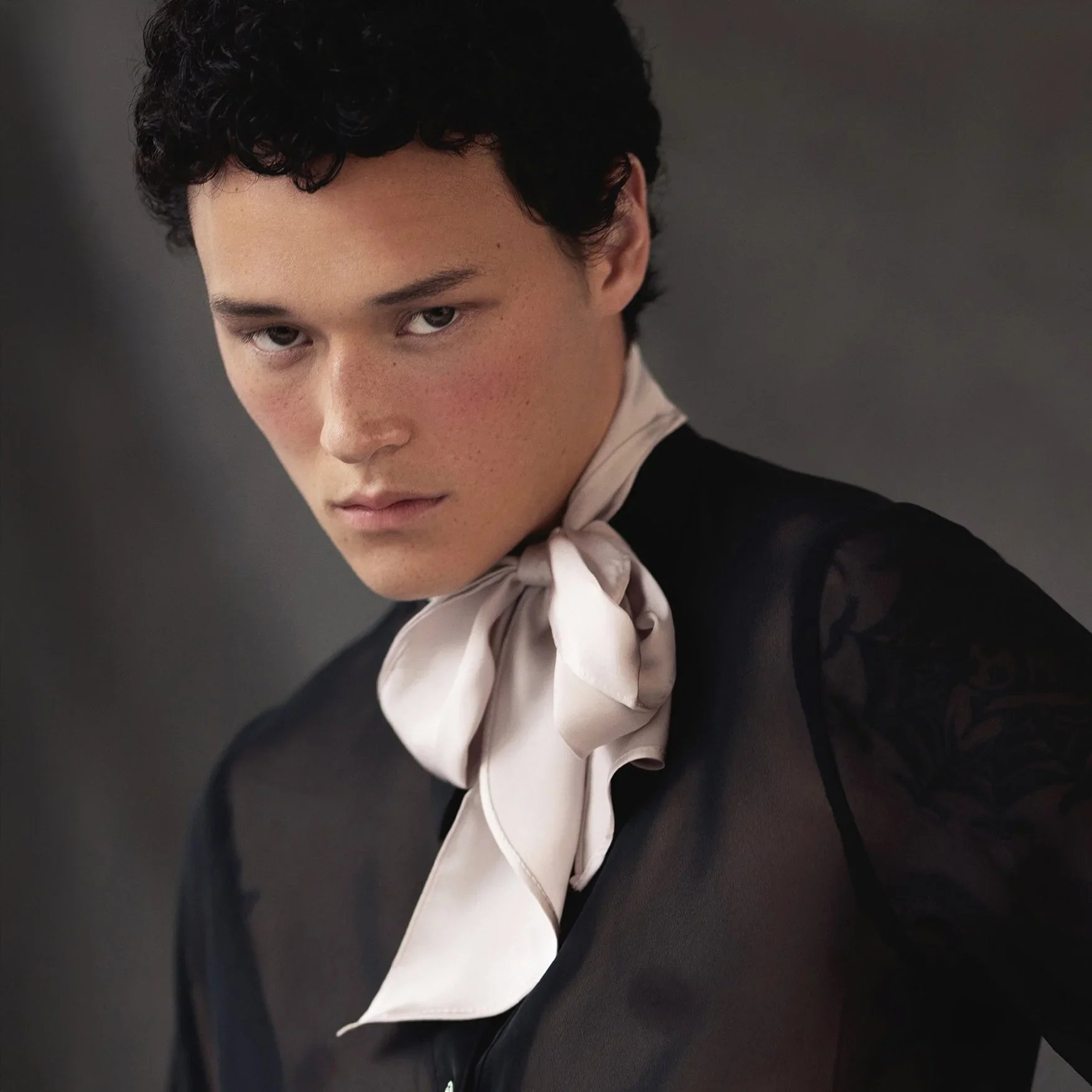
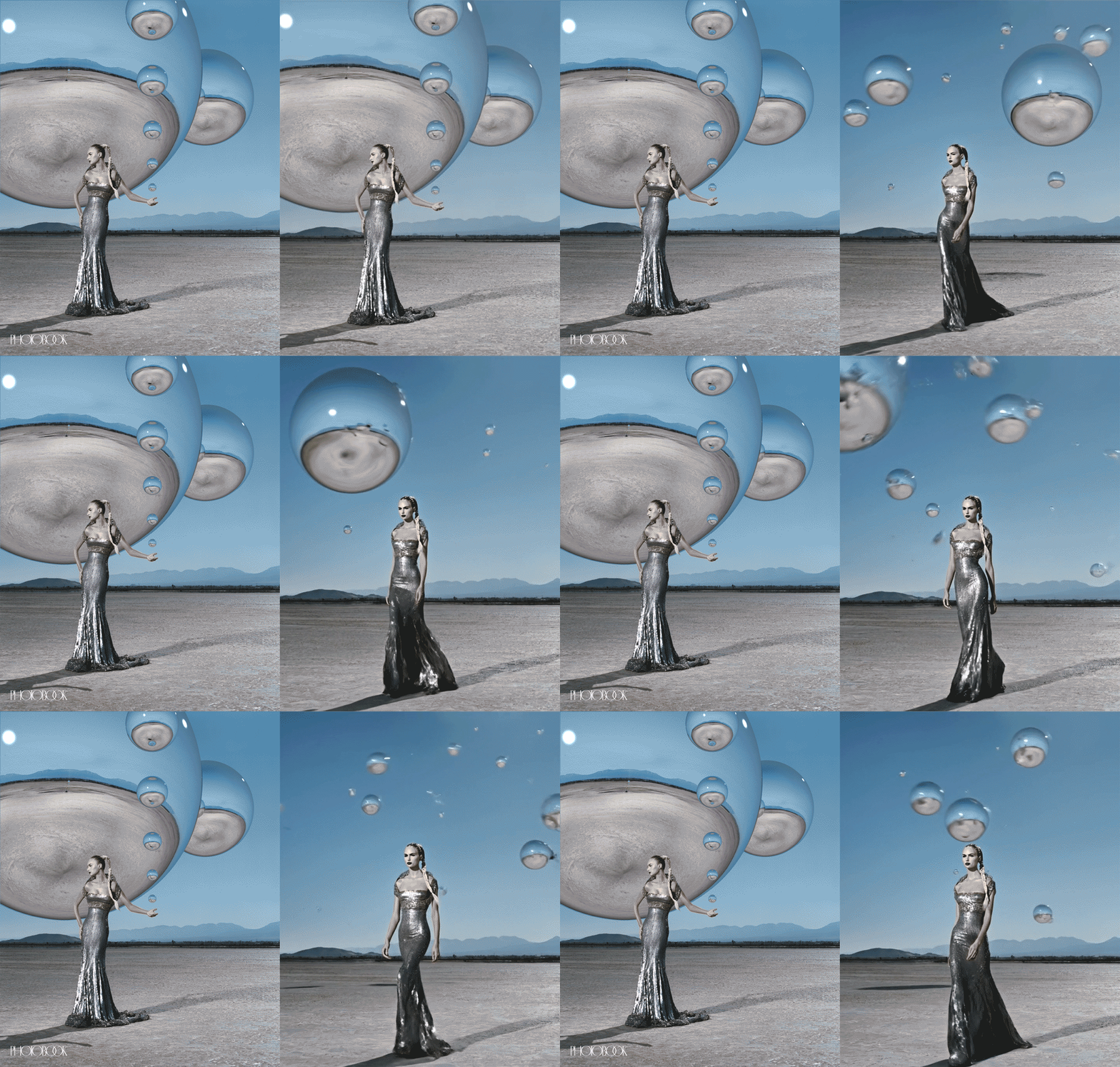
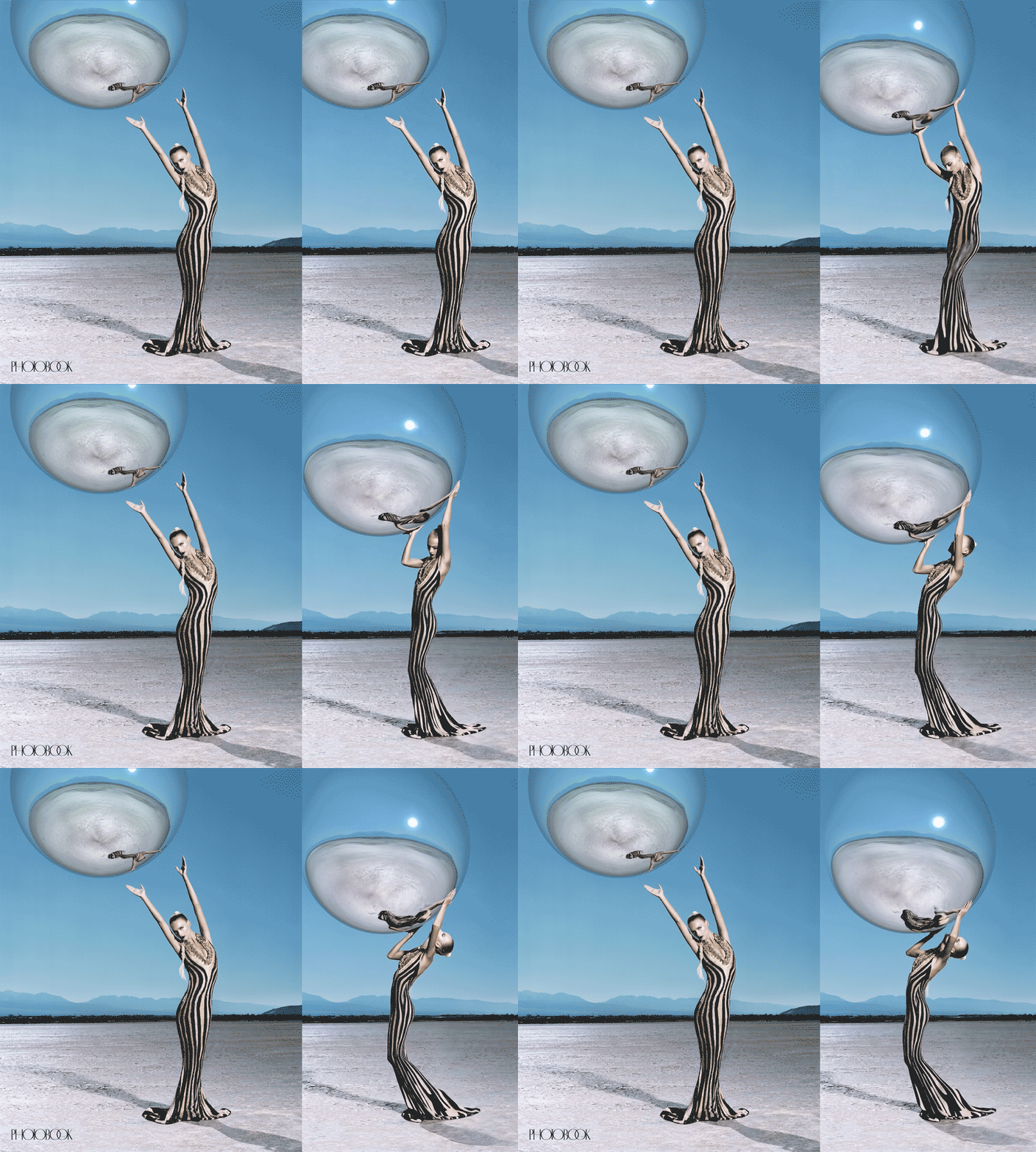
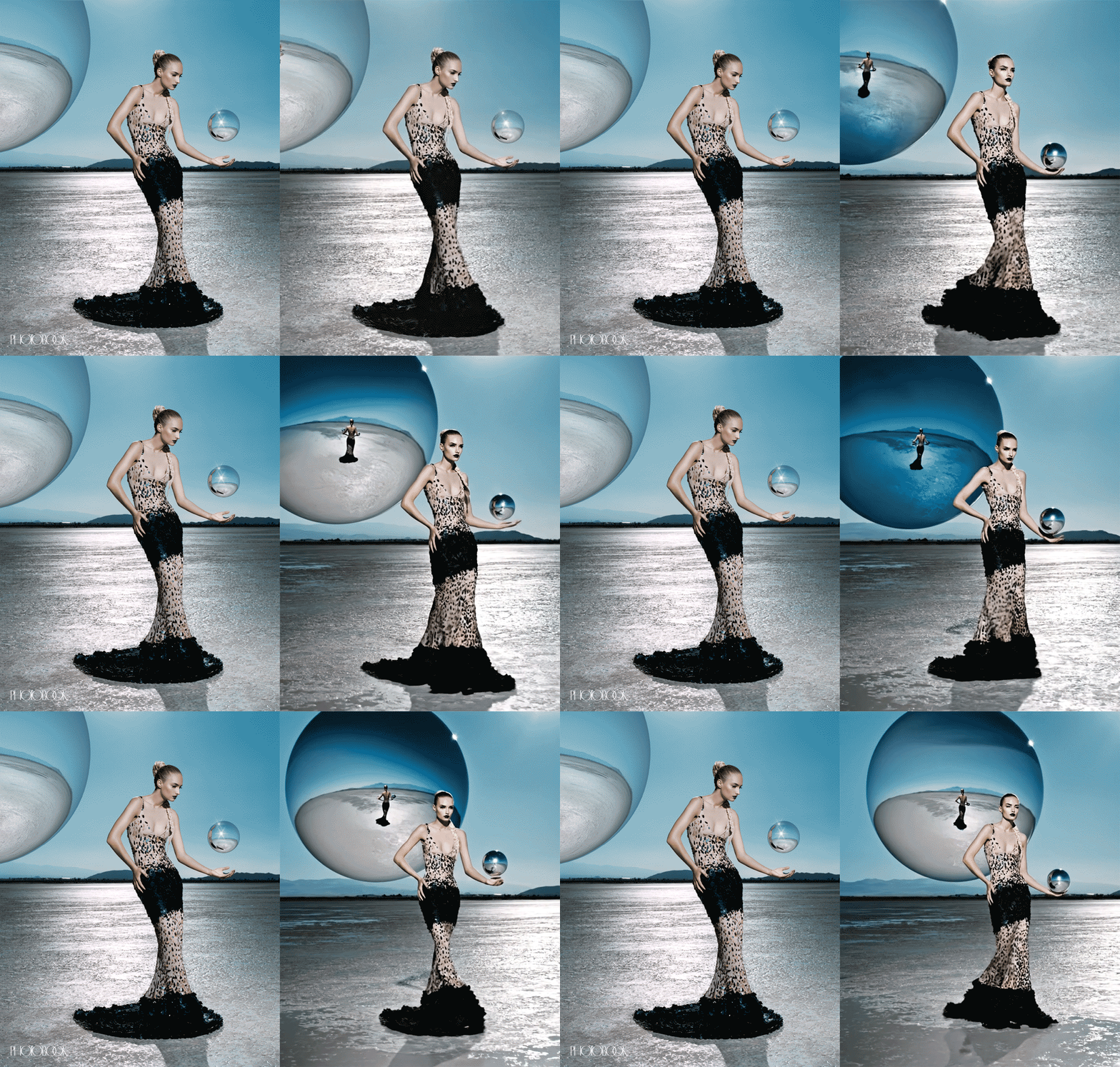
I’ve been resisting AI when it comes to photography since I share the concern that many creatives do, which is that AI will replace us. I came to the realization that AI isn’t going anywhere. As a matter of fact, most of us use it every day anyway with every Google search or social media use. My long time collaborator, David Berman, recently reached out to me to encourage me to get on the band wagon—or get left in the dust. I honestly couldn’t wrap my head around how to transition into AI after being a photographer and director for over thirty years. That is until I took David’s advice and did a few collaborations with him using some of my images. He brought them to life using a number of AI models. The results were mind-blowing to me. I’ve always thought of my images as cinema stills: a moment plucked from a timeline. With AI, I was able to see the actual before and after of those moments in motion. This is a very exciting prospect for me. I’m able to show the world what I actually had in mind when I was conceptualizing the shoots.
How did adding sound and motion change the emotional impact of the original image for you?
It changed the emotional impact by allowing the viewer (and me) see more of the story line. The reimagined images provide more of a narrative, which draws us in differently—rather than just looking at a still.
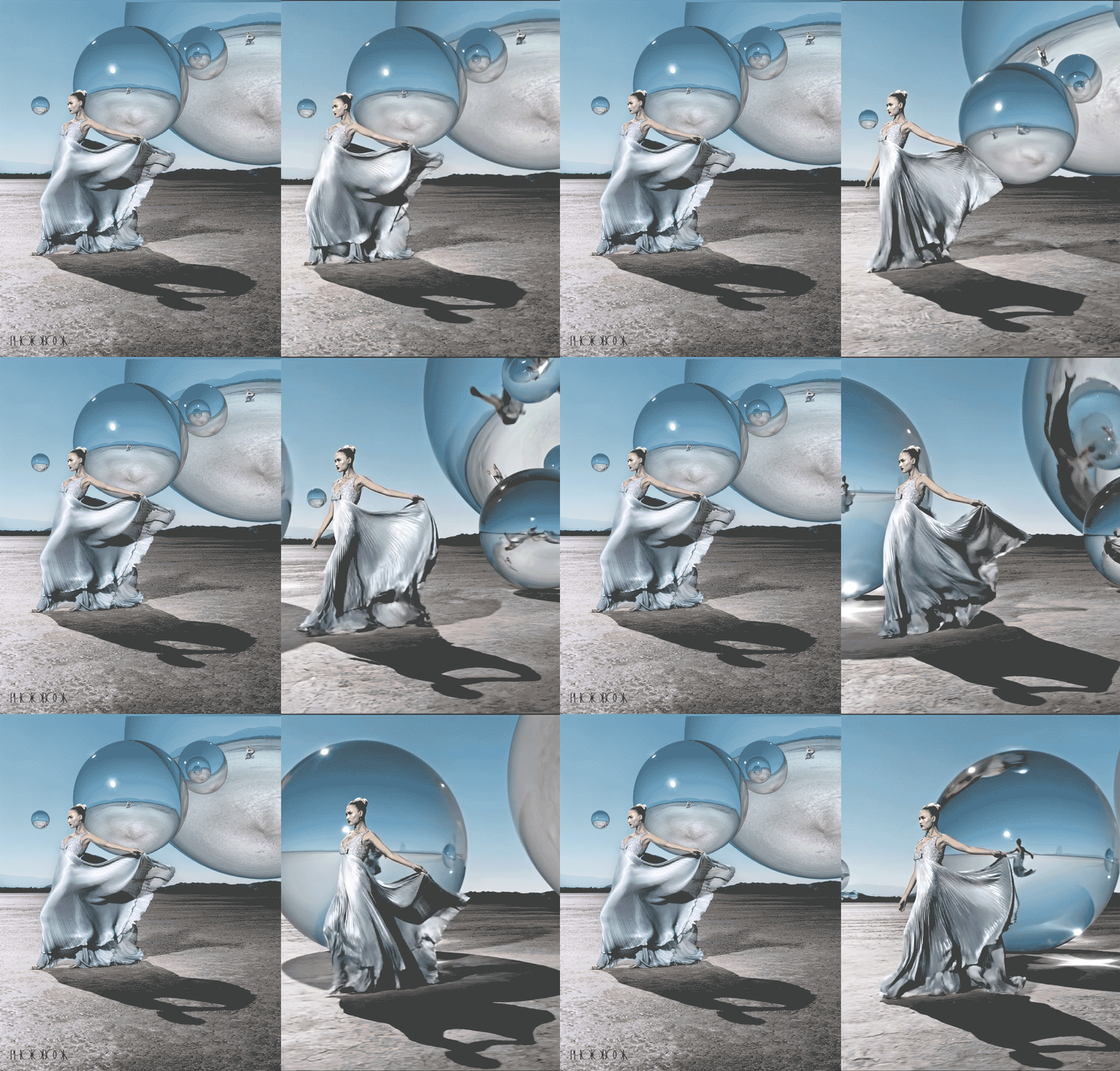
Looking at your AI-reimagined image, what excites you most about the creative possibilities that AI brings to photography?
The thing that excites me the most about AI is the potential to create a broader narrative, and the ability to create entire worlds around my images that were logistically or financially impossible up until now.
How do you ensure that the motion and sound added by AI still reflect your vision and not just the algorithm’s interpretation?
I’ve quickly learned that you can control the output by learning how to write effective prompts. There are also other steps that one can take to ensure the execution of their vision. You just have to learn the language of AI so that you can control it—and not the other way around.
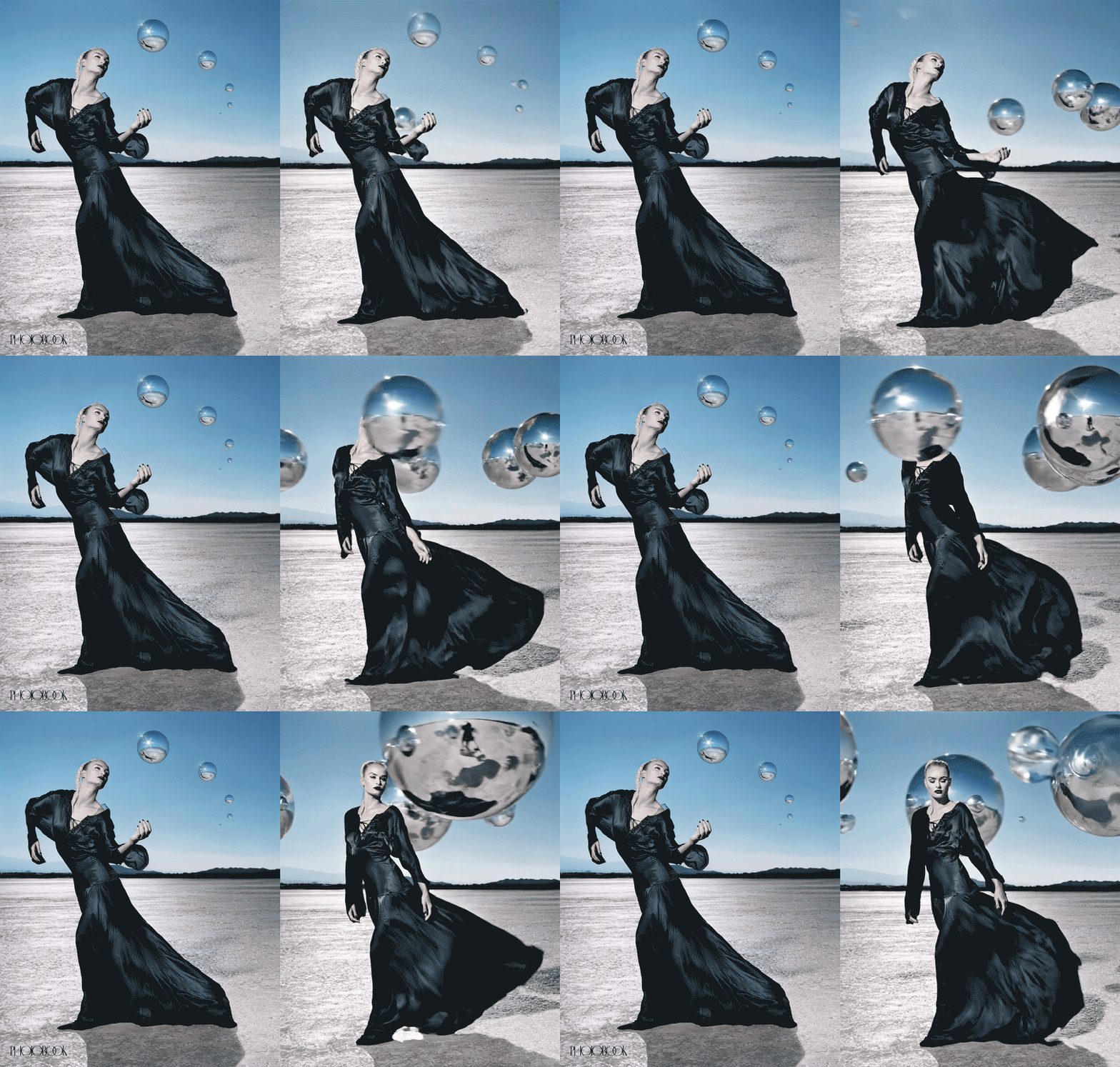
You’ve been exploring AI closely with the help of an AI expert. How has that shaped the way you see the future of photography?
My friend and colleague, David Berman, is entirely responsible for pushing me out of the nest when it comes to AI. He’s introduced me to Sora, Veo, Kling and other fun and creatively gratifying ways to bring my vision to life. For me, I see AI become an extension of photography and not a replacement. I plan on using it in conjunction with my photography to help manifest the creative ideas that I have that have been out of reach until now.
Are there specific parts of the creative process—editing, retouching, mood-boarding—where you see AI becoming essential for you, and are there aspects you feel can never be replaced by AI?
I definitely see using AI for many parts of my creative process. Especially mood boards and coming up with concepts. It allows me to think far outside of the box. I think that will be the biggest adjustment, not being confined by real world limitations.
How do your AI-generated images influence or inspire your real-world photoshoots?
It’s very early in my AI discovery. So, I think how AI will influence my real world shoots has yet to be seen.
As AI tools become more powerful, what ethical considerations do you think photographers and creatives need to keep in mind?
Ethics should be at the root of AI use. We are already seeing the unethical misuse of AI in defaming deep fakes. It all boils down to understanding what is right and what is wrong. There are two obvious ways how AI can be used unethically. The first is misrepresenting someone’s character and integrity by making deep fakes of a real person doing something malicious or unethical. The second is using someone’s likeness without compensation. I feel that there is a path forward where people could allow their likeness to be used as a licensable commodity. This will ensure that AI won’t wipe out the income of actors, models or performers of any kind. I think that creatives should use AI as an extension of what they do and not as a replacement for it.
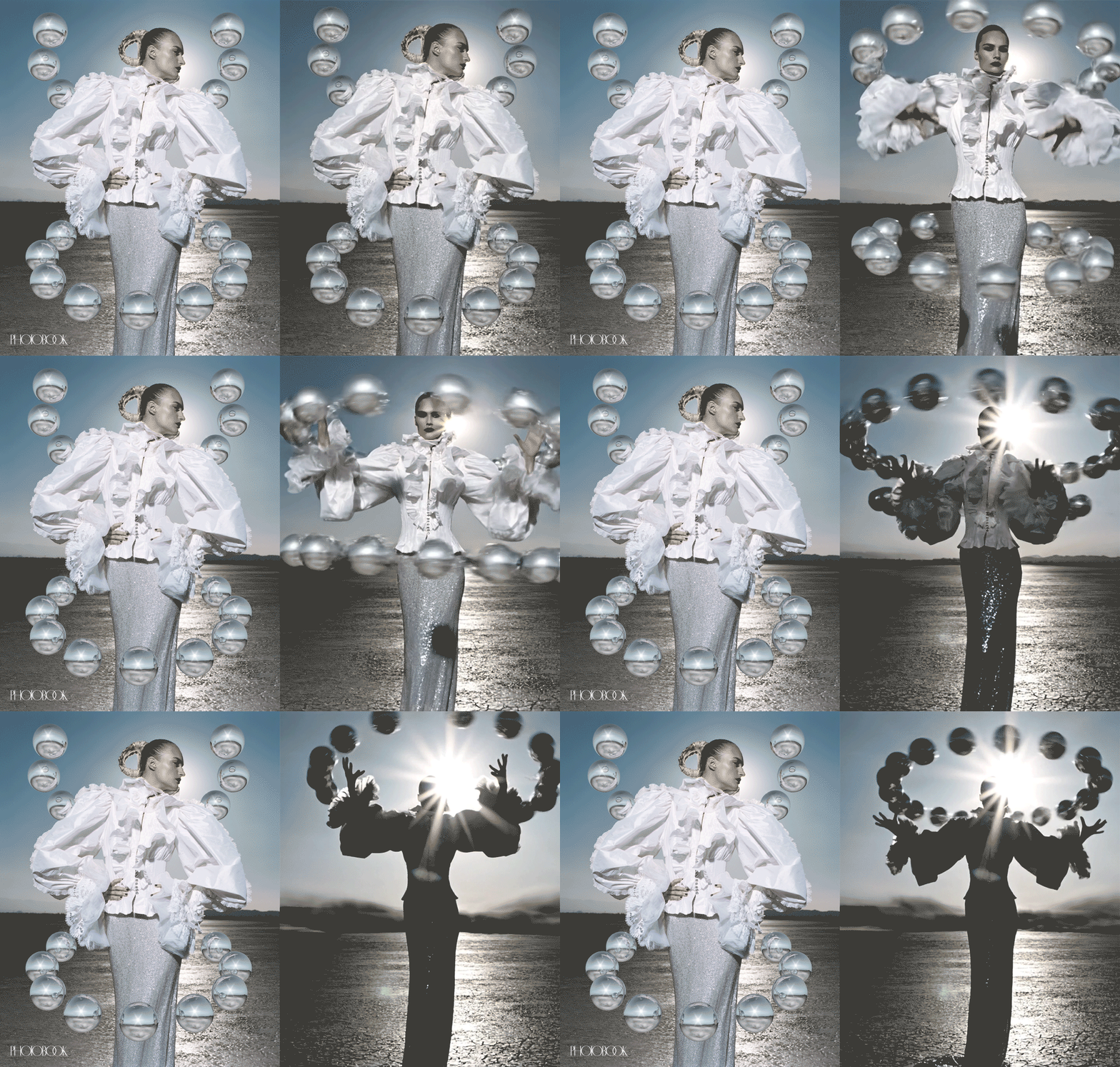
Where do you hope to see the balance between human creativity and AI innovation land in the next few years?
For now, I don’t think AI can replicate the human connection or emotion that is created by working with humans. Maybe someday AI will learn how to convey human emotion in a believable way. But for now, straight up AI lacks the ability to spark a visceral reaction the way that a photograph or film created by actual humans can. A human point of view is an amalgamation of a lifetime of experiences that AI can’t possibly have. That’s why I plan on using it as an extension of what I already do. From concept to execution, my work is a very personal form of expression which is based on countless life experiences. Once I’ve interjected all of that into a photograph, AI is an amazing tool that can take it a step further by bringing the image to life. In my opinion, AI animation does not purge my images of their human point of view, it merely brings motion to them.
How do you see motion-based AI tools expanding future work in the fashion photography and storytelling industry?
Like every facet of any visual art, I think AI will open up what is possible for creatives. For me, I plan on using it as an extension of what I already do. I can’t imagine not doing photoshoots or directing videos. The tactile and social process of it all is what gratifies me the most. I’d shrivel up and die if I had to sit at my computer alone cranking out text prompts for the rest of my life.
What do you say to critics who say that AI should not be used due to it’s negative environmental impact
It’s a fact that AI’s high energy consumption has a negative impact on the environment. I’m a creative working in field that is rooted in content creation. When I do a photoshoot, twelve to twenty-four people are involved. This means that they all have to travel to the shoot via air, car and train. I have to rent a studio which uses a tremendous amount of electricity to operate the lights and HVAC. I have to feed everyone, which has a significant carbon footprint for food preparation. I have a videographer who has to spend hours of electricity to edit the on set video. I have to send the images to be retouched which uses electricity for the computer time. I have to disseminate the images to a magazine which uses energy to host it’s website. Then I have to post the images on social media which uses a massive amount of energy for their data centers creating an enormous carbon footprint. My point is that I have to create in order to make a living. I have to continuously create content to remain visible in a field that is extremely competitive. One way of offsetting AI use is by repurposing older work of mine by animating it with the use of AI. My hope with repurposing older work is to reduce the amount of photoshoots that I would need to produce to keep things flowing professionally, which will also hopefully reduce my carbon footprint.
The reality is that I will have a carbon footprint no matter what I do. So, to critics of AI’s environmental impact, I have to ask them to reflect on the countless ways that they impact the environment negatively and to try to find ways of cutting back. One thing that I find ironic is that people will write a two-page Instagram comment about how AI is bad for the environment not understanding that the mere act of writing that comment is so horrible for the environment.
How do you envision incorporating AI into your own creative workflow moving forward?
I’ve been asked this question with the advent of every big change in the photography business—Photoshop, shooting digital, incorporating social media. I was there at the beginning of all of those changes and many more and I’ve always been able to adapt. I’ve only been at this for the past few weeks, so how I’ll adapt to AI has yet to be seen. But I will adapt!
PhotoBook Editor-In-Chief: Alison Hernon
PhotoBook Creative Director + Photographer + A.I. Creator + Producer: Mike Ruiz
Tearsheets by Daniel López, Art Director, PhotoBook Magazine
Article by Brya Sheridan, Assistant to Editor-in-Chief, PhotoBook Magazine
RELATED STORIES