When Growing Up Means Growing Apart: Inside Falling, The Krisel Brothers' Latest Film

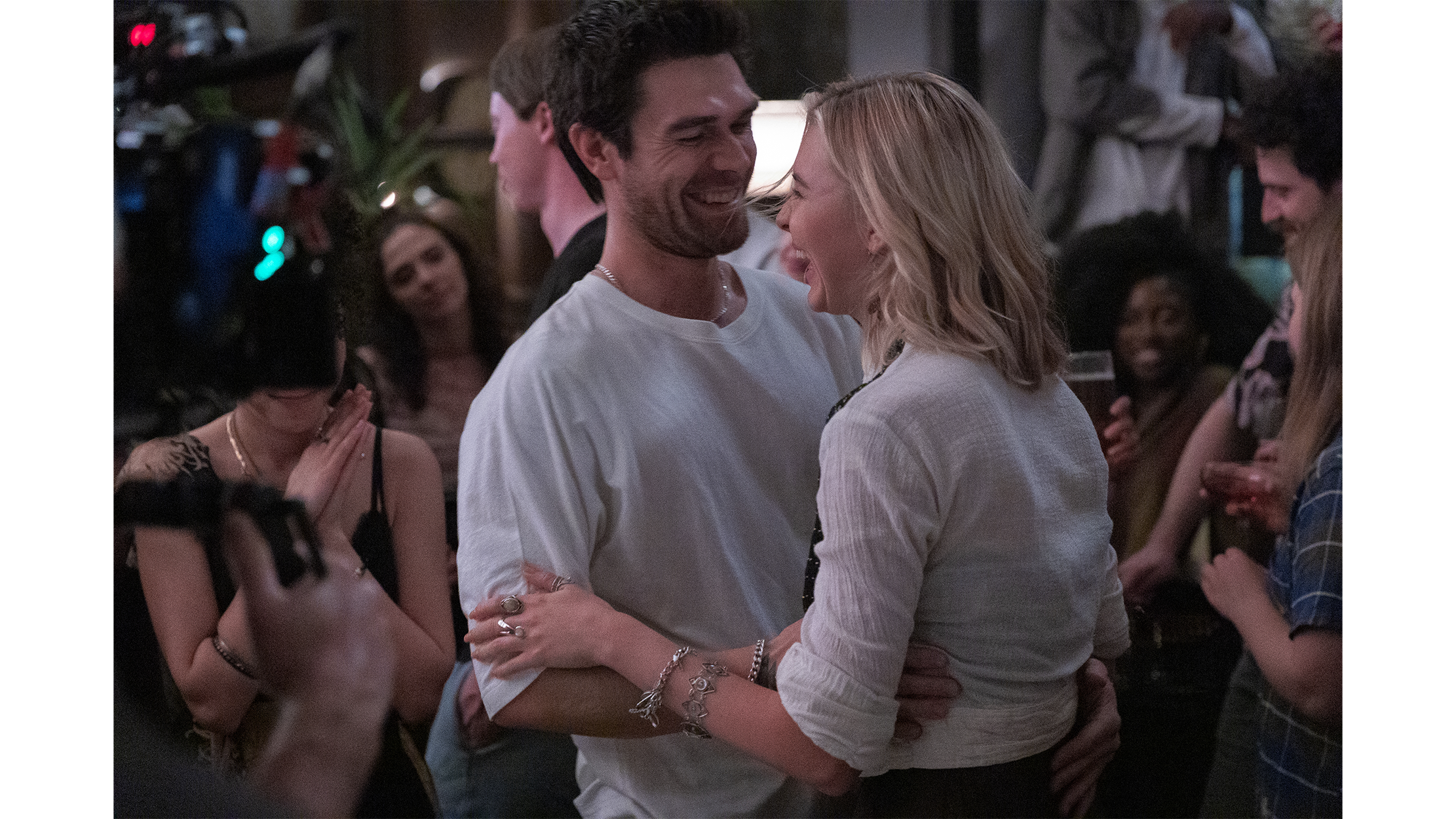
Falling begins with the familiar architecture of a love triangle, but gradually becomes something more complicated: a story about the people we hurt while trying to figure out who we are. Starring KJ Apa as Jack, Isabel May as Jillian, and Archie Renaux as Johnny, the film introduces three young people whose lives are already beginning to move in different directions. Johnny has just learned that his ex-girlfriend is pregnant with his child and plans to keep the baby, while Jack, previously comfortable playing the field, finds himself taking his relationship with Jillian seriously. Jack and Johnny’s friendship initially seems like the most stable part of the equation, until Johnny admits his feelings for Jillian at a party. What begins as an uncomfortable confession eventually becomes an affair, forcing all three characters to confront the difference between what they thought they wanted and what they are actually willing to lose.

The betrayal itself could easily turn Falling into a straightforward story of heroes and villains, but the film is more interested in the uncomfortable territory in between. Jillian cares about Jack even as she begins sleeping with his best friend, and May approaches that contradiction without excusing her character’s behavior. At the film’s premiere, May explained that she had to resist judging Jillian, despite having little personal connection to her romantic choices. For May, Jillian reflects the reality that people can make decisions they regret while still deserving to be understood as complicated human beings. “We are all doing things that we may regret and feel ashamed about at some point,” she said, describing Jillian as someone who is ultimately trying to understand what she wants. May particularly appreciated that the film lets Jillian be criticized without turning her into a “femme fatale,” arguing that accountability and empathy can coexist.

That uncertainty extends beyond Jillian. Johnny enters the story facing impending fatherhood while simultaneously disrupting the relationship of his closest friend, making his pursuit of Jillian feel tied to a larger inability to understand what he wants from his own life. Renaux sees that confusion as especially recognizable in a culture where relationships are often left intentionally undefined, and attention is constantly pulled elsewhere. At the premiere, he suggested that some of the characters’ behavior comes from simply being “young and naive,” but his interpretation also points toward one of the film’s larger ideas: romantic relationships cannot necessarily resolve an uncertainty that already exists within you. “I think people need to figure out who they are first as people before putting that on someone else,” Renaux said. His observation becomes even more relevant once Jack is removed from the triangle. Jillian and Johnny finally have the freedom to explore the relationship they risked so much to pursue, only for it to quickly deteriorate as their own frustrations surface. Without secrecy or Jack between them, they must confront whether what brought them together was ever enough to sustain them.
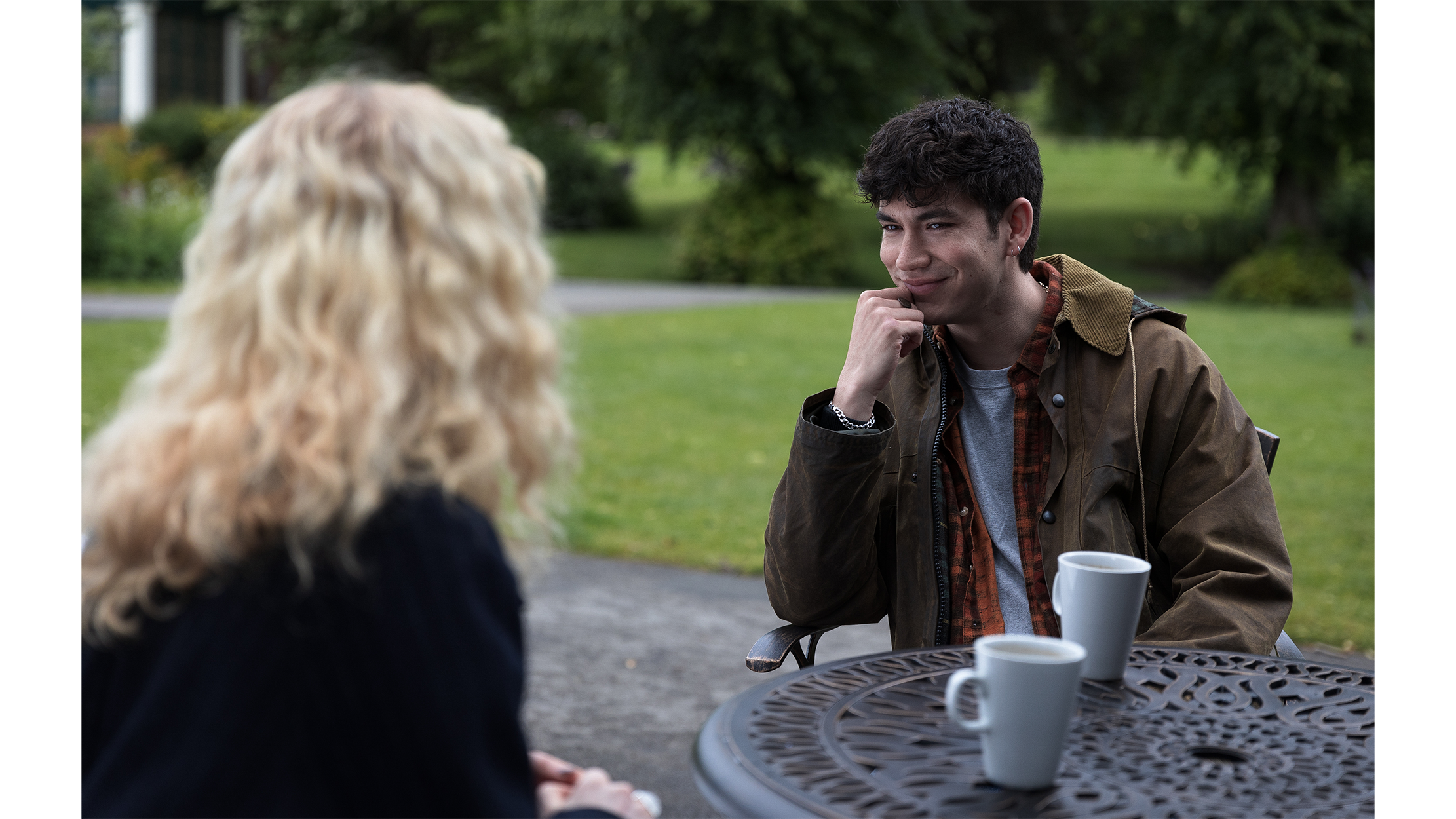
It is Jack, however, who gives Falling some of its most quietly affecting moments. When he discovers Jillian and Johnny’s relationship at his birthday party, the expected explosion never arrives. Instead of fighting for an explanation, he simply ends the relationship and leaves. Years later, Johnny attempts to reconnect with him, asking whether they could ever be friends again. Jack responds with only one word: “Why?” Apa interprets that question not as lingering anger, but as evidence that Jack no longer needs the reconciliation Johnny is searching for. He pointed to the passage of time, and the book Johnny had since written, as evidence that both men have had years to process what happened, yet have arrived at very different places. “Saying ‘why’ is because he has already moved on,” Apa explained, while Johnny appears to remain emotionally attached to something Jack no longer needs to revisit. The moment subtly shifts the story's power. Jack does not need revenge, an apology, or even closure from Johnny. His closure is realizing the friendship belongs to another version of his life.

That idea ultimately makes the ending of Falling more affecting than its familiar love-triangle premise might suggest. By the end, Jack, Jillian, and Johnny are no longer together in any configuration; each moves through life independently, carrying the consequences of what happened without being permanently defined by them. The film’s final return to footage of the three when they were simply friends changes how we view everything that came before it. Rather than asking the audience to mourn the failed relationship or decide who should have ended up together, Falling asks us to recognize that something can end badly without making everything that preceded it meaningless. Its closing sentiment offers an unexpectedly mature perspective on love, friendship, and growing apart. Some people enter our lives without staying, and Falling suggests that moving on doesn't require erasing what they once meant to us.
Article by Emma Green, Assistant to Editor-In-Chief, PhotoBook Magazine
Tearsheets by Daniel Lopez, Art Director, PhotoBook Magazine
*Images Courtesy of Falling
RELATED STORIES