What We Leave in the Soil: Harvest Directors Hyacinth Parker and Natalie Baszile on Their Debut Documentary as a Mother-Daughter Directing Duo and What It Means to Keep Family Legacy Alive
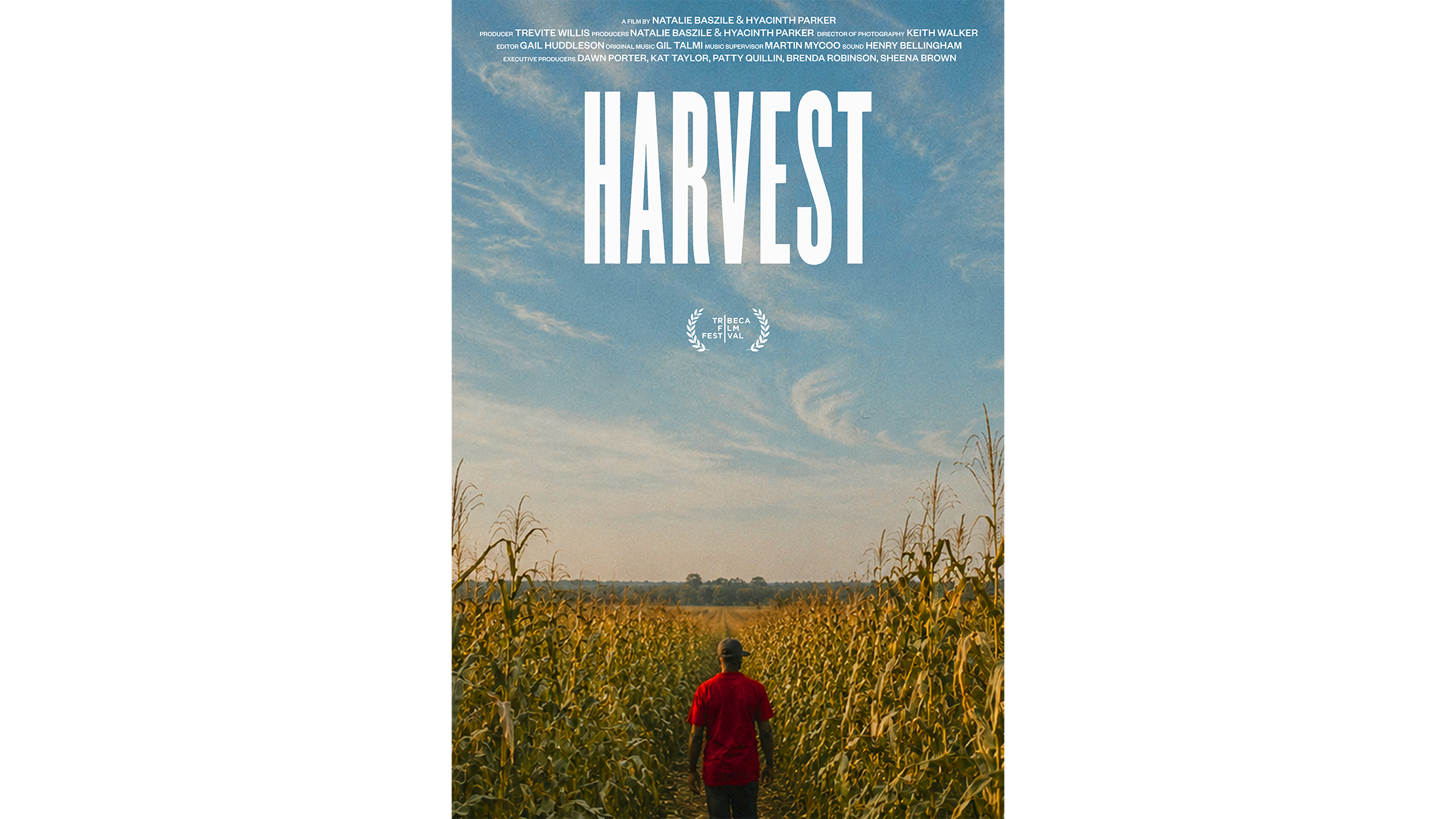
Set in Sondheimer, a small agricultural community in northeastern Louisiana, Harvest follows the Nelson family, a fourth-generation Black farming family striving to sustain and expand the operation that has been in their family for generations. Directors Natalie Baszile and Hyacinth Parker immerse viewers in the rhythms of rural life- introducing a family whose connection to the land extends far beyond economics. Farming is both an inheritance and a responsibility, an enduring legacy that shapes the family's identity, relationships, and vision for the future. Through intimate access to the Nelson brothers and their relatives, the film captures the pride, sacrifice, and deep sense of purpose that accompany their work, while also revealing the emotional weight of carrying a family tradition forward in an increasingly uncertain agricultural landscape.
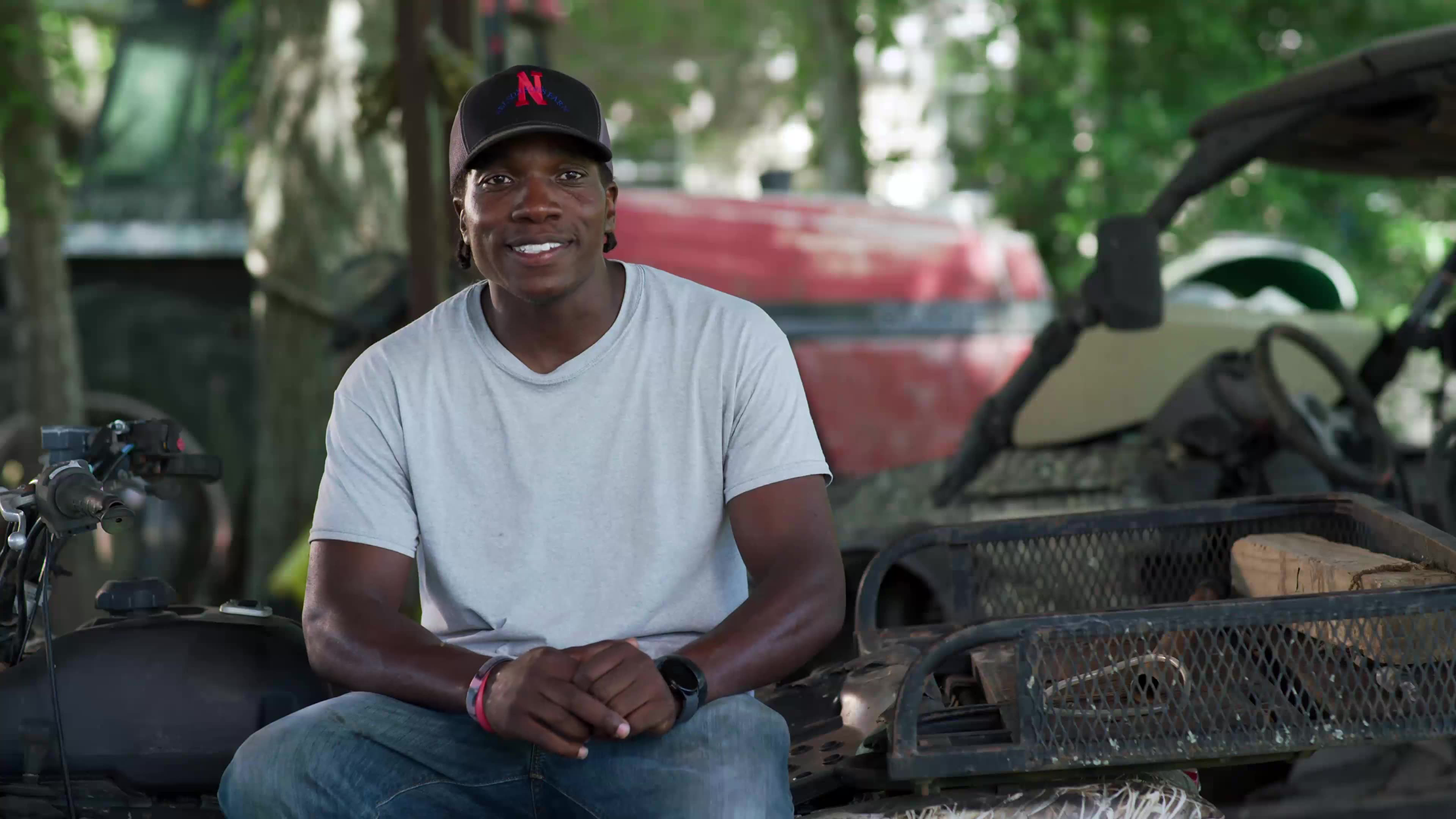
As the growing season unfolds, the Nelsons confront the mounting pressures that define contemporary farming: rising equipment and fuel costs, debt, volatile weather conditions, and the constant unpredictability of the market. When an opportunity arises to lease additional acreage, the family is presented with a chance to dramatically increase their operation and move closer to becoming one of the largest Black-owned farming businesses in the region. Yet the prospect of growth comes with significant financial risk, forcing difficult decisions about ambition, security, and the future of the family enterprise. Rather than focusing solely on whether the Nelsons achieve their goals, Harvest becomes a moving portrait of resilience, perseverance, and generational stewardship. The film offers a nuanced exploration of what it means to cultivate not only crops, but also hope, legacy, and community, ultimately revealing the determination required to keep a family's future rooted in the land.
Harvest follows the Nelson brothers as they navigate the contemporary farming climate in rural Louisiana. What first drew you to their story specifically?
(Natalie) Well I published a nonfiction book in 2021, and it was about black farmers and black people's connection to the land, and the Nelsons were one of the families that I featured in that book, and I just thought that they had a great story. They were engaging and charismatic, and had such a rich textured story I thought they'd be great people to work with.
(Hyancinth) Then they came to visit and we were already working on this initially as a docuseries, and then we got money from the Ford Foundation to turn it into a film. So we were planning on going into shoot in June 2023, and the Nelsons came to visit us in February and we were kind of in that space of like 'okay cool, now that we have this money what does this mean? like who do we shoot with?' We had a few people who we had talked with about the docuseries but when they came to visit they were just talking about the challenges that they faced, whether it was climate change or equipment failure or the southern dynamics of where they lived and it was interesting. And then the Nelsons they were talking about how they wanted to be the largest farmers in the U.S and that was very interesting. There was then a moment where we were like, wait this might actually be great. Lets see about following them. So we hit them up. Like Natalie said, they're young, hot, and fun to follow.
The documentary touches on deeper themes such as economic survival and climate change. How did you balance those broader social issues with the deeply personal family story featured at the center of the film?
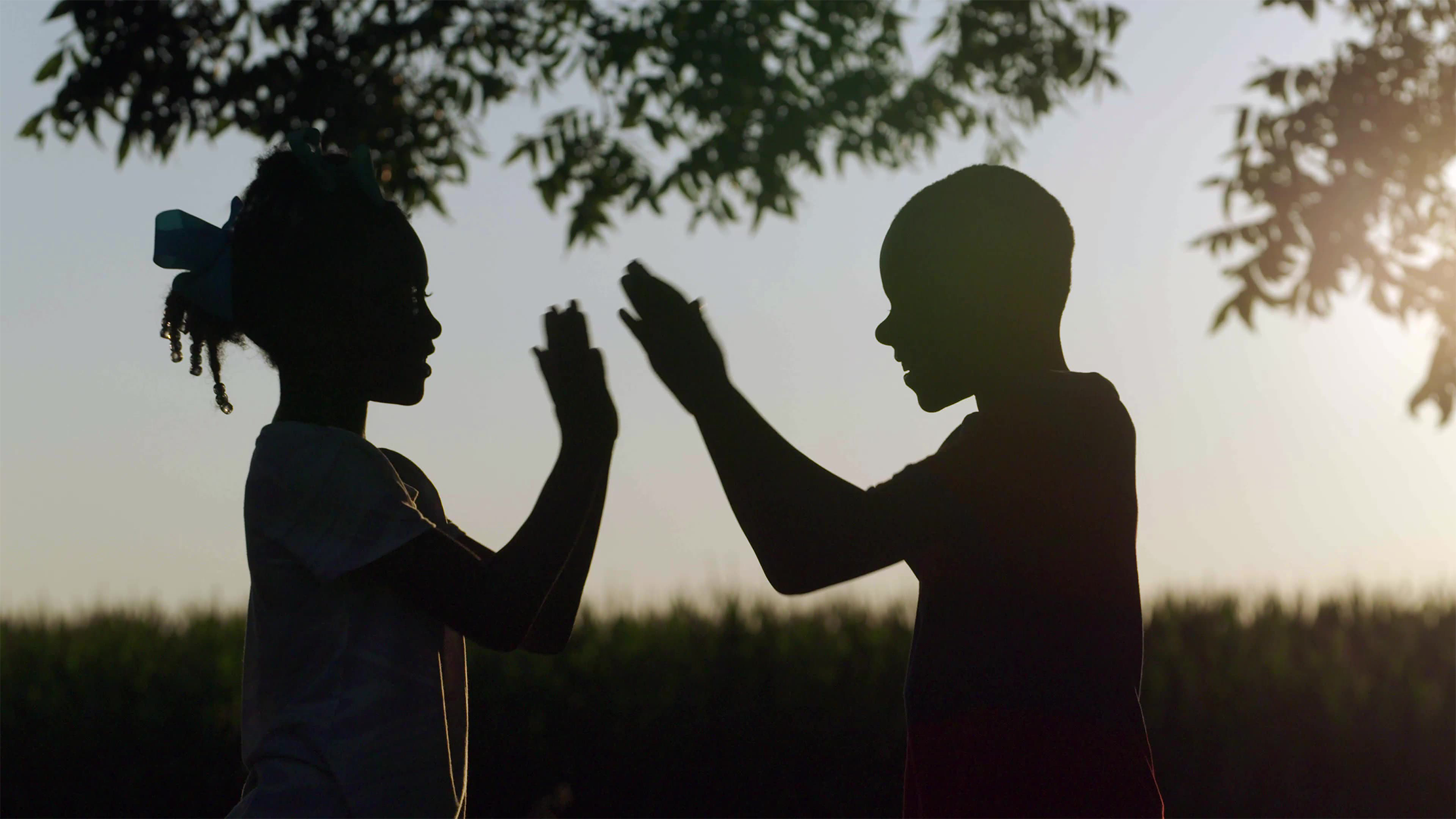
(Hyancinth) We really wanted to strike the right balance to your point between feeling a story that was 'important' with telling a story that was compelling. So that even if you don't necessarily care about farming, you are still drawn in by their story. And I think also that's just a better way to tell stories. You know, you can only get so far when you're like this story is about climate change, this story is about racism, and so we didn't want to do that. Also luckily the Nelsons are nuanced and subtle in their own ways. So I don't think even if we wanted to be that tactic, thats where the story would have gone. But we kind of went into this very intentionally, saying we want this film to feel fun and inspirational, and we do want to balance the hardship, you know, the challenges they faced, the fact that they lost this son, and so what does this mean for them to continue farming when farming is also cost something for them? It was funny, when we were boiling down what this movie is really about, we were like, it is farming and family. So, you know, it just kind of naturally came to be.
(Natalie)I would say much to her point, we never want to make hand fisted stories. We think that setting it in a very specific place, and following people, and really getting to the human experience, is what we're trying to do. And the Nelsons just made it easy for us, because we had such a strong connection with them, and we felt like whether you like farming or not, whether you're interested in farming or not, you will like these people, and you'll find their story of struggle and grief, but also just the joy of being together. That's what we thought we should lead with.
(Hyancinth) The only other thing is even in thinking about how much we wanted to present them as black people or people of color, we kind of, we embraced it, but we also like in our press materials, and in our deck in general, you can see they're black, but that's not the only thing they are. And so we were intentional about not putting that forward too much. And the things that they go through, interpersonally, personally, politically, etcetera, in the world of farming and the context of farming, it really is the American farming story. And so, we were intentional about trying to make sure that this felt grand, and not just specific to them, but we didn't want this to feel too niche, and just be an old black farming story.
Right, well it was awesome. I thought it was very contemporary and I really enjoyed it.
(Hyacinth) Yes, my goal was to make sure that people, l'm assuming your age, but people around my age would want to watch. And I was like, 'let's fucking go'.
The documentary showcases a very intimate and raw perspective of farming families in the American South. Why do you feel like it is important to share this now?
(Natalie) Mm-hmm, Mm-hmm. Well, I think, first of all, the Nelsons are dealing with issues that are very topical, you know? I mean, it's not necessarily in the film, but the atmosphere, right?
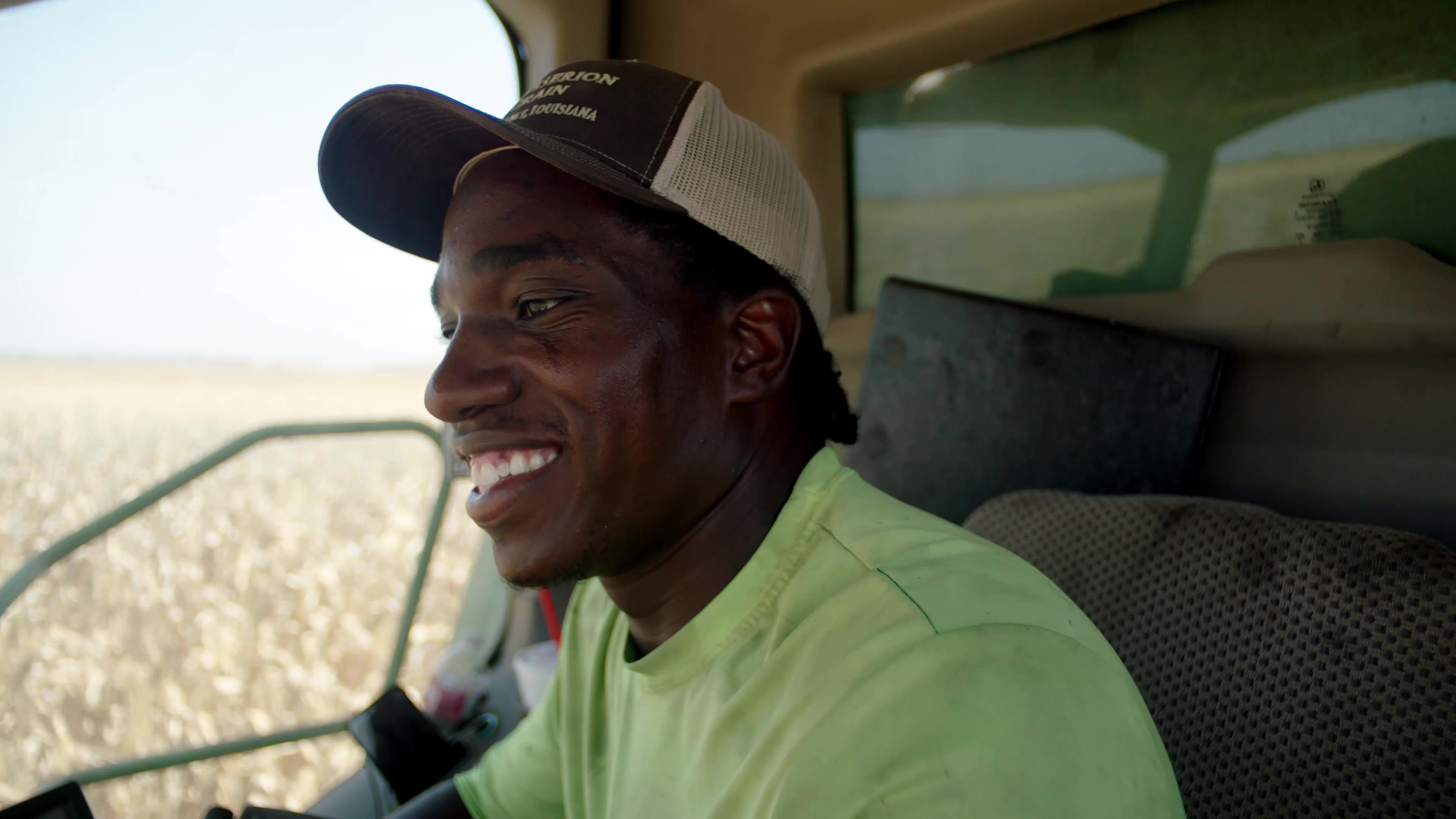
Even since we stopped filming them, they're affected by a lot of the things that are happening now. Culturally, politically, all of that is they're dealing with those issues. And so, I think what we wanted to do was present them as the future of farming, you know? As I said, they're young. They're not, you know, in their 50s or 60s or 70s. And, I think by showing these young guys who are doing this work, gives people an opportunity to have a window into maybe different life choices, you know? They're in the rural South, which is something that if you're in California or New York, you might not have any familiarity with. But there's so much about their story that is, just joyful, that we felt like it was nice to watch them kind of navigate the hardships, but also have this really strong bond.
(Hyancinth) I would also say they are fascinating in a way. So they live literally, I don't even know how far, miles and miles away from anything, but themselves. We would fly into Jackson, Mississippi, and then drive an hour. There was this time where I forgot to get gas and I tried to find it and I feel like the gas was like literally 40 plus minutes away, and I was like, I have no idea how Im going to make it. So that's just to say, like, they truly live in the middle of the country. But they also are the first people who I have really known, who have been directly and immediately impacted by any political decisions. It is fascinating because they're so rural, seeing things happen, you know, across the country, across the world, and then seeing how they're immediately impacted by it. You know, yes, I know people who are affected by, let's say, ICE or whatever else in LA where I live. But it just was kind of shocking to me over the years of following them and then knowing them, how you see something happen on the news and that has a direct impact on their lives and it's not a casual thing. It is not just, literally, it's their livelihood.
Yeah, for me, it's something that I see and then I see the effects of maybe a few days, a few months later, they see it within hours. So, yeah, I didn't anticipate that, especially given how, again, really, genuinely where all they live.
What do you feel like audiences in urban spaces, specifically younger viewers, misunderstand about agricultural communities and lifestyles? And where there are specific narratives or stereotypes that you wanted to challenge with the documentary?
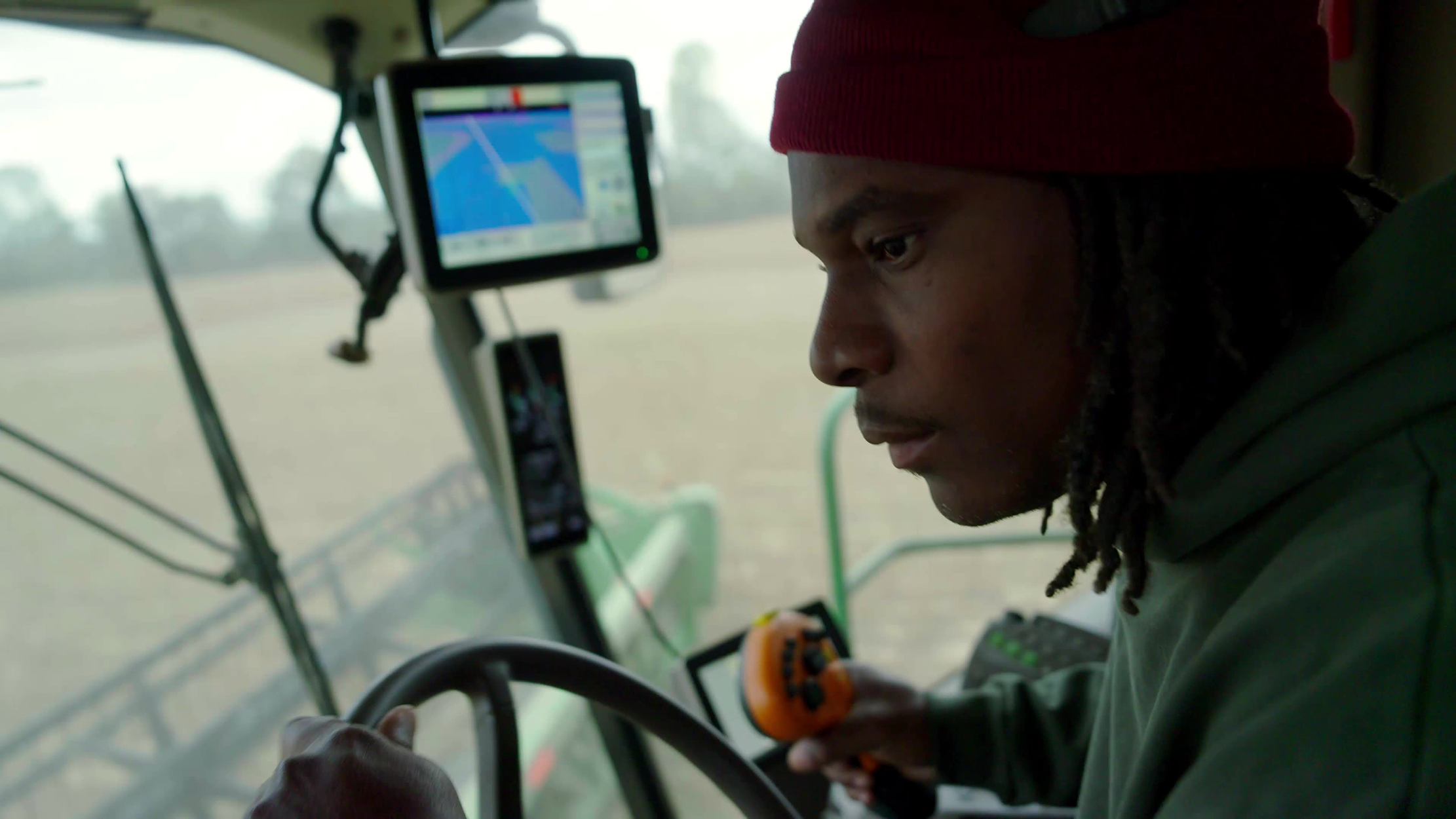
(Natalie) A number of them, yeah. Yeah, well, I think Ist of all, you know, when people hear about farming, they think old white guy. Right? And so the fact that the Nelsons are young, young black men who are engaged with technology, right?
Yes, I saw they're on TikTok!
Exactly. Which, by the way, we didn't not ask them to do. And their following has just slowly grown to like 10,000. So anyway you know, I think one of the things that we're trying to do is to say, especially to younger audiences, your peers are out here doing this work, and it might not be as sexy as being in tech, or being in entertainment or being in sports. But, there are people who see the value in this work, and they are just as ambitious, just as hardworking, just as clever and forward thinking as anybody who's, you know, on the coast, right?
(Hyancinth) Well, I think in addition to thinking old white farmer, I think if you think about a farmer of color in that world, people have an expectation that they're gonna be small, small scale, right? And we even got pushback at different points because people would be like, okay, you're following, you know, young black farmers, check, check, check, but also, uh-oh, they're quantity farmers. They farm corn and cotton and soybeans. We want organic. We want the young hippie who's walking through the field. And so that was something that was really interesting and challenged in many ways are expectations, but then also we then turned around and challenged other people's expectations, because I think it's a question of, is it okay to look ambitious? Is it okay to be ambitious in this context? There are challenges with large scale farming, and the Nelsons are aware of that. They're just trying to get from negative ten to zero, and then build (Natalie) Oh, that you kind of, like, took away from the film or just...
The process, the experience, everything in general, I guess. That's a pretty broad question so just whatever you make of it
(Hyancinth) So, I moved into documentary from just film and TV. My first job was on Welcome to Wrexham as an associate producer and I worked on Megan and other shows, and I've worked with a bunch of directors. And every step of the way I've really loved it, but walking away from this process, I keep saying this is my favorite thing I've ever done. Oh, I genuinely feel so, and I don't mean this in a cheesy way, I genuinely feel so lucky to have found something that I absolutely love, because I just want to keep doing this.
(Natalie) And I would say, for me, I spent years as a novelist, right? Totally solitary. It's just me and my imagination, and I think the thing that I loved about this is to work with other really talented, skillful people, who bring all of their talents to this thing that, you know, in so many ways, was real in my mind. But having to learn, like, a visual language, that was new for me. And I think there were a lot of times early on in the shoot, when just the unknown was so uncomfortable, but trusting the people who we were working with, like, RDP, or editor, whatever, really just made the process just a joy. I love the collaboration.
(Hyancinth) The second thing that I really have been struck by, which is, I just keep thinking about the phrase 'rising tides, lifts all ships', and we went into this, this is our first film and to bring in people and be like, this is our vision, please help us execute: just bringing in their expertise and helping us lift. Then our goal really is to help the Nelsons get their story out there.
Also I mean, hopefully somebody just comes through and is like, here's a bunch of money, like, you guys are good now, you know? I'm seeing how being open and generous and collaborative is. You know, there's always challenges around the creative process, but I think that is really something that I'm taking away.
Article by Emma Green, Contributor, PhotoBook Magazine
Tearsheets by Daniel López, Art Director, PhotoBook Magazine
*Images Courtesy of Harvest films
Related Stories