UpCircle Beauty Is Redefining Sustainable Skincare Through Circular Innovation
Since its founding in 2016, UpCircle Beauty has been on a mission to rethink waste in the beauty industry. What began with the simple idea of rescuing used coffee grounds from London cafés has grown into a global skincare brand built around circularity, performance, and transparency. By transforming ingredients that would otherwise be discarded such as fruit stones, chai spices, and argan shells, into high-performance formulations, UpCircle proves that sustainability and efficacy can coexist. As consumers increasingly demand more responsible beauty solutions, the brand continues to push the boundaries of what circular skincare can look like, whether that may be innovative ingredient sourcing or refillable packaging systems. We spoke with the team behind UpCircle about the origins of the brand, the philosophy guiding its growth, and how circular beauty reshapes the future of the industry.
Can you share the story behind how UpCircle Beauty started and what inspired you to build a brand around repurposed ingredients?
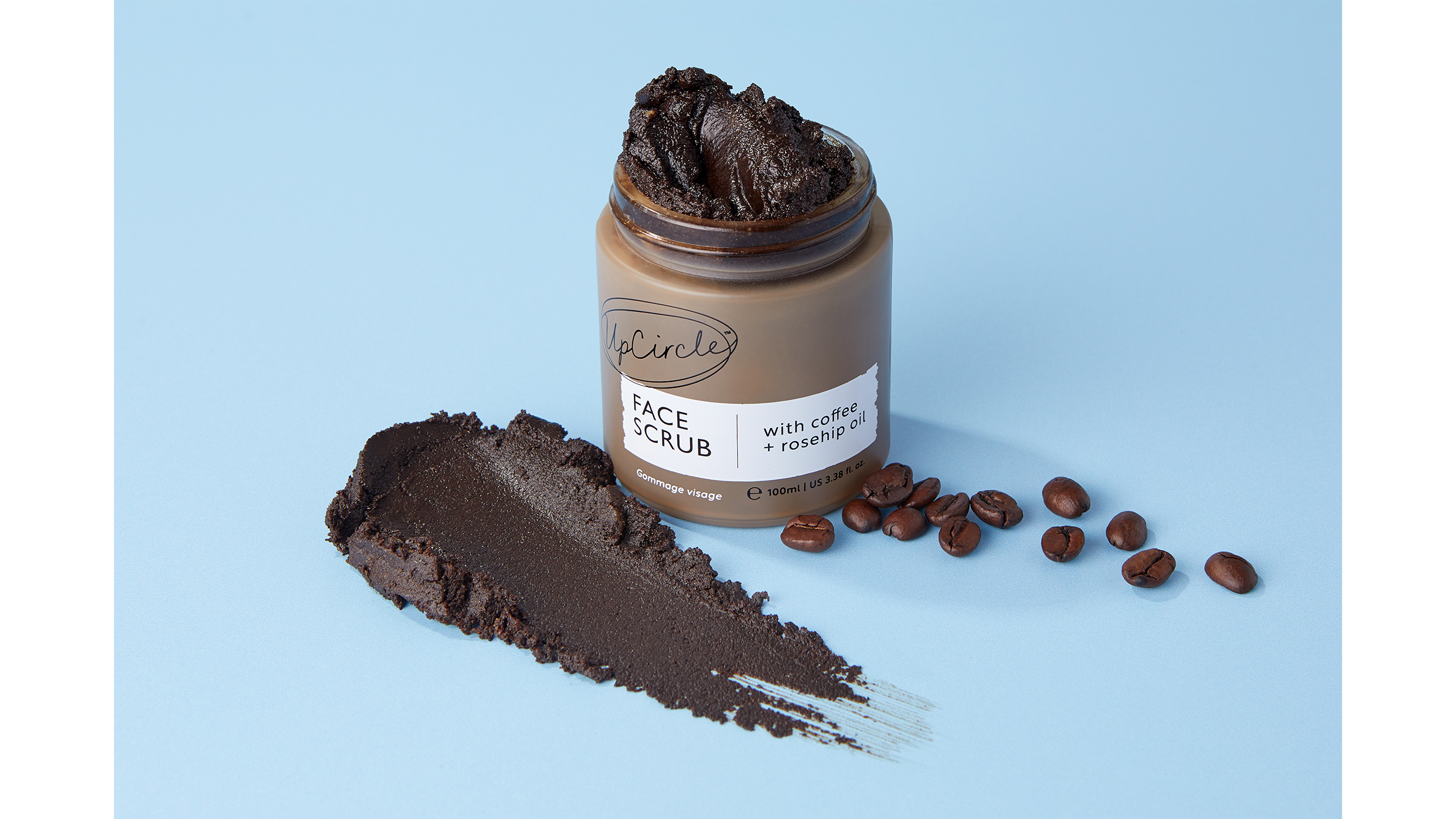
UpCircle started with a simple question. Why are so many valuable natural ingredients thrown away? Before founding the brand, we were already thinking about waste in a different way. We discovered that vast amounts of high quality coffee grounds were being discarded by cafes every day, even though coffee is rich in antioxidants and has amazing benefits for the skin which sparked the idea that waste ingredients like brewed coffee could actually become a powerful skincare ingredient. So we started collecting used coffee grounds from cafés in London and transforming them into our first product, a natural coffee face scrub. What began as a small experiment quickly became something much bigger. People loved the results, but they also loved the idea that their skincare could help reduce waste. From the beginning, our goal was not just to make natural products. It was to prove that sustainability and performance could go hand in hand. That philosophy became the foundation of UpCircle. We give ingredients a second life and create high performance skincare from what others might discard.
UpCircle’s mission centers on sustainability and upcycling. How has that mission evolved since the brand’s founding in 2016?
When we launched in 2016, the idea of up-cycling in beauty was still relatively new. Our original focus was on proving that by products such as used coffee grounds could become effective skincare ingredients. As we have grown, the mission has expanded beyond ingredients alone. Today we think about circularity across everything we do including our supply chain, packaging, product development and the partnerships we build. We have worked with a growing network of suppliers to rescue ingredients that would otherwise go to waste, from fruit peels, pulp and stones left over from the juice industry to maple bark extract that is a by-product of the furniture industry. We have also invested heavily in packaging innovations, refill options and responsible sourcing. At the heart of it all the mission has not changed. It is still about proving that waste can be a resource. But our ambition has grown and we want to help redefine what sustainable beauty looks like across the entire industry.
What are some of the most creative or surprising by-products you’ve transformed into beauty ingredients? Why did you choose them?
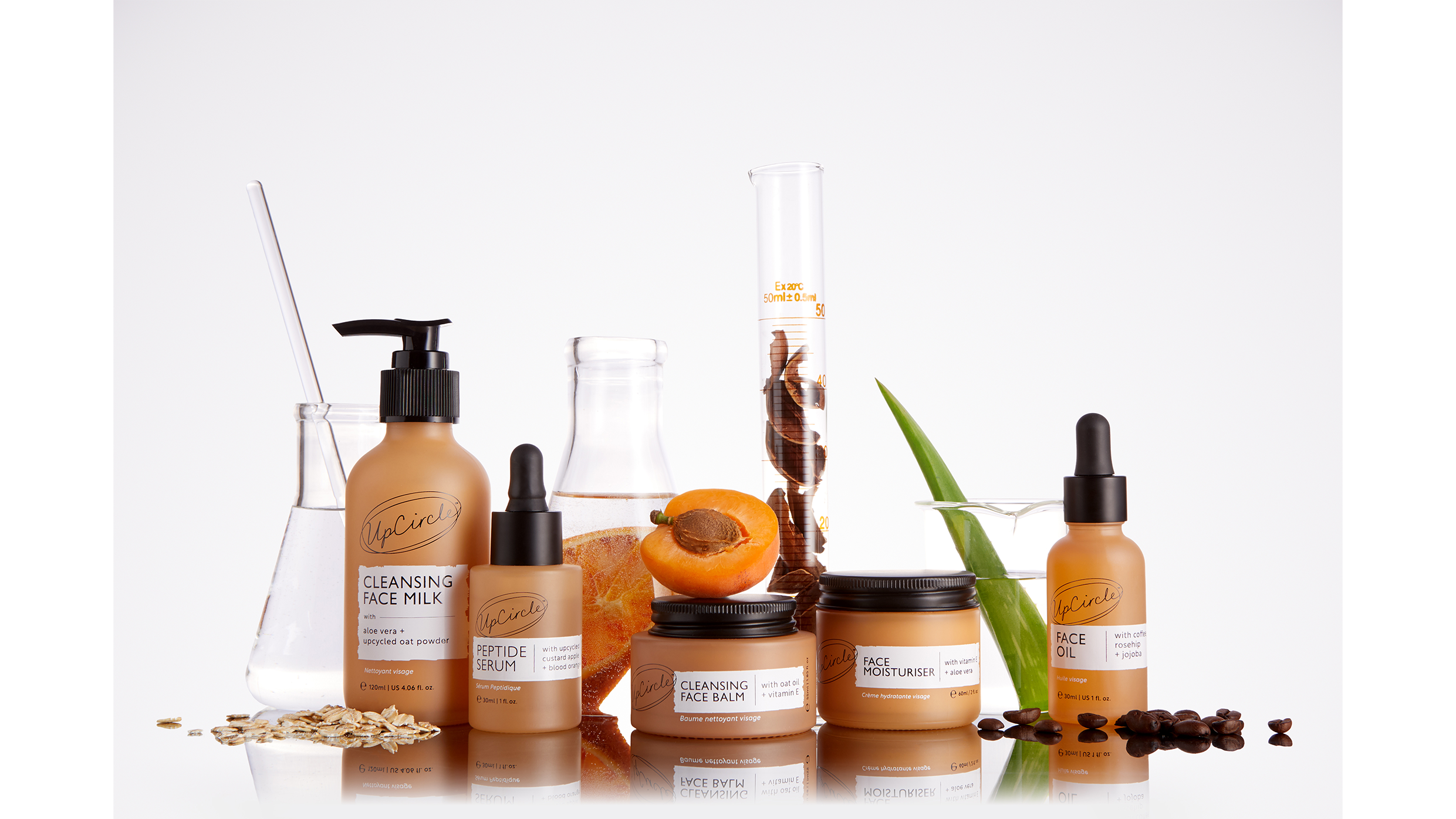
Coffee grounds are where it all started for us, but over the years we have discovered many other incredible ingredients hiding in plain sight–we now up-cycle more than 60 by-product ingredients. One of the most interesting by-products we use comes from the argan oil industry in Morocco. Argan oil is widely celebrated for its skincare benefits, but the process of extracting oil leaves behind large quantities of discarded shells. Instead of letting these go to waste, we finely grind the shells into a powder and use them as a key ingredient in our moisturizer, which is suitable for all skin types. Argan trees are native to Morocco and the oil is traditionally extracted by hand by local Berber women who crack the nuts to reach the kernels inside.
The industry supports around 2.2 million people in the Arganeraie region and has helped create employment through women’s cooperatives. As a predominantly female team, we are proud to support an industry that provides valuable paid work and empowerment for women in rural communities. We chose argan not only because of the powerful skincare benefits but also because it is a great example of circular thinking. By up cycling the shells that would otherwise be discarded, we are able to harness the wider value of the argan harvest while creating a moisturizer rich in vitamin E, antioxidants and fatty acids that help hydrate, protect and support healthy skin. Another favorite is chai spices left over from the production of chai syrup. They still contain aromatic oils and antioxidants, making them perfect for our cleansing soap bars!
What excites us about these ingredients is that they are not just sustainable. They are genuinely powerful. We always choose by-products that bring real functional benefits to the skin.
How do you balance product performance with sustainability, especially when using unconventional ingredients like coffee grounds or fruit stones?
For us, performance is non-negotiable. Sustainability means very little if the product does not work. Every ingredient we use, up-cycled or otherwise, has to meet the same standards for efficacy, safety and stability. We spend a long time researching, testing and refining formulations to make sure the final product delivers visible results. Up-cycled ingredients often have incredible properties. Coffee grounds, for example, are naturally rich in antioxidants and make skin look fresh and bright. Fruit stones offer gentle biodegradable exfoliating particles. These ingredients are not just sustainable alternatives, they can actually outperform conventional options. The balance comes from careful formulation. We combine up-cycled ingredients with high performance activities to create products that people genuinely love using. When the results speak for themselves, sustainability becomes a benefit rather than a compromise. Our products are derm approved and the efficacy of our up cycled ingredients and overall formulations are clinically proven.
UpCircle is B Corp certified and has strong sustainability ratings. How have certifications shaped your internal practices or external credibility?
Becoming a B Corp was an important milestone for us because it validated the values we had built the company around from the beginning. The certification process forces you to look closely at every part of the business including governance, supply chains, employee wellbeing and environmental impact. It pushes you to continually improve and hold yourself accountable. Externally it also gives customers reassurance that our claims are independently verified. At a time when greenwashing is a real concern, certifications help demonstrate that our commitments are genuine. We see it as a starting point rather than a finish line. The framework helps guide our decisions and ensures that sustainability remains embedded in how we operate as we grow. We are proud holders of several certifications, including Soil Association and COSMOS organic certifications, B Corp (with a very high score of 107.2 compared to the median 50.9), plastic negative status, vegan, cruelty-free, and sustainable handmade UK production in 100% recyclable and refillable packaging.
Can you walk us through your packaging philosophy, from recyclable materials to refill programs and plastic free initiatives?
Our packaging philosophy is rooted in the same circular thinking as our ingredients. We aim to reduce waste wherever possible and design with the product’s full lifecycle in mind. We prioritize materials that are widely recyclable from curbside such as glass and aluminum and we work hard to minimize unnecessary packaging. We have also introduced refill options for a number of our products to reduce packaging waste over time. The goal is to help customers reuse their containers rather than replacing them. We’ve refilled over 200,000 pieces of packaging. Ultimately, we are always asking the same question. How can we deliver a great customer experience while using fewer resources? Our shipping materials are FSC-certified cardboard; protective “peanuts” are biodegradable corn starch that dissolves in water; marketing materials are made from recycled coffee cups. Sustainability does not stop at the product–it extends to every touchpoint.
What role does packaging play in a customer’s sustainable journey and what are some future ideas you’re excited to explore in circular packaging?
Packaging is often the most visible part of sustainability for customers. It is the moment when they interact with the product beyond the formula itself. If packaging is designed thoughtfully it can make sustainable behavior easier. This might be through refill systems, recyclable materials or clear disposal instructions. Looking ahead we are excited to continue exploring circular packaging models. Refill systems are a big focus, but we are also interested in new materials and innovations that reduce environmental impact even further. This year we’ve begun testing compostable, paper-based materials, and we’re working with a specialist R&D company in the UK. We’ve invested over £10,000 (just over $13,000 USD) in a bespoke development project to try to create a solution specifically for our products. There’s no guarantee it will work—but we’re doing it because no ready-made solution currently exists. The silver lining is that if we can crack it and commission this new material then it will be a first to market. A nice example of perseverance and not compromising. The long term vision is to create packaging that fits into a circular economy where materials are continuously reused rather than discarded.
How does UpCircle define inclusive beauty, and what does that look like in your product development and community engagement?
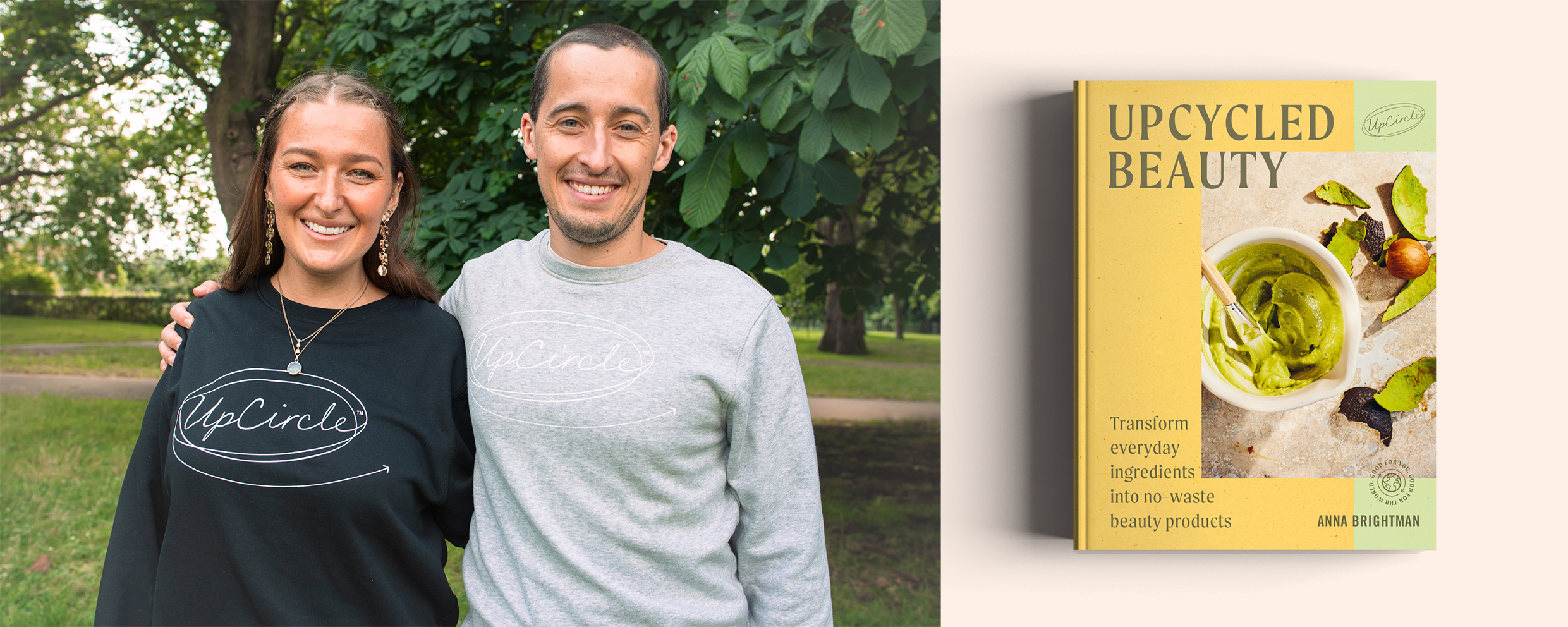
For us inclusive beauty means creating products that work for as many people as possible while building a brand that feels welcoming and accessible. In product development that means focusing on effective gentle formulations that suit a wide range of skin types and concerns rather than complicated routines. In our community it means celebrating real people and authentic stories. Our customers have always been at the centre of the brand, from those who supported us in the early days to the new people discovering us today. We have built UpCircle with a strong sense of community and transparency and we believe that sustainability should feel empowering rather than exclusive.
What feedback or stories from customers have most affirmed that your sustainability approach resonates beyond a trend and truly makes a difference?
One of the most rewarding things for us is hearing from customers who say that discovering UpCircle made them rethink waste in their everyday lives. Many people tell us that they initially tried the products because of the sustainability story, but they stayed because the products genuinely worked for their skin. We also hear from customers who feel proud to support a brand that is trying to do things differently. That might be through upcycled ingredients, refillable packaging or responsible sourcing. Those messages remind us that sustainability is not just a trend. People want brands that align with their values and help them make better choices.
What are the biggest opportunities and challenges for beauty brands trying to be both effective and truly sustainable?
The biggest opportunity is that consumer expectations are changing rapidly. People are asking deeper questions about ingredients, sourcing, packaging and the overall impact of the brands they support. That creates a huge opportunity for innovation. Upcycled ingredients, circular packaging systems and more transparent supply chains are all areas where brands can push the industry forward. The challenge is that true sustainability is complex. Our circular supply chain is complex: our ingredients have had two lives. This demands specialist partners, traceability and rigorous testing to ensure purity, stability and efficacy. It requires constant evaluation, investment and long term thinking. It is much easier to make superficial claims than to redesign systems. However brands that are willing to do the work and be honest about the journey will ultimately build stronger relationships with their customers and help move the entire industry forward.
CREDITS
Tearsheets by Daniel López, Art Director, PhotoBook Magazine
Interview by Emilia Stolovas, Contributor, PhotoBook Magazine
*Images courtesy of Upcircle Beauty
RELATED STORIES