The Plastic Detox and Rise of Sparxell

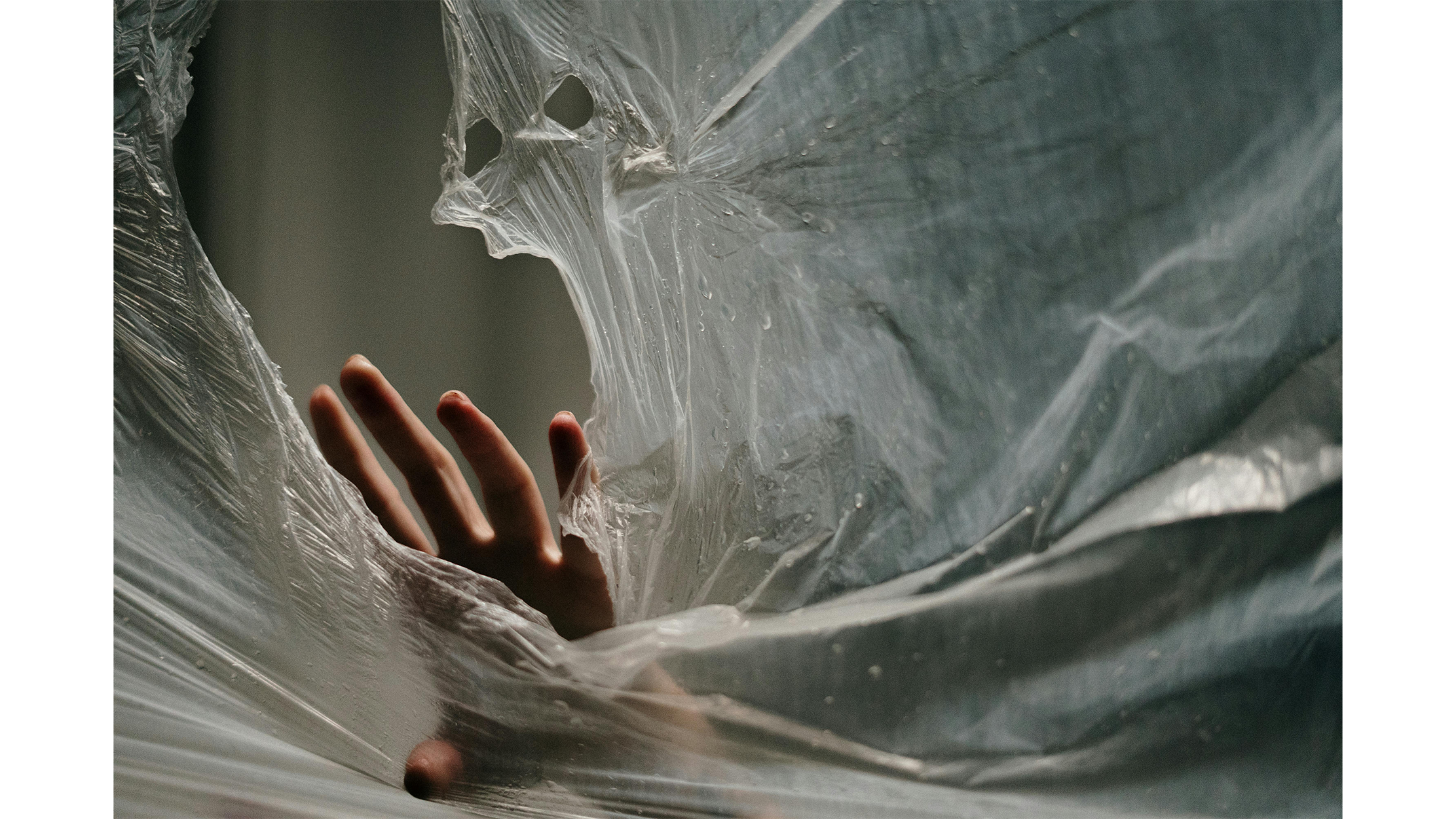
Recently released Netflix film, The Plastic Detox, exposes the hidden dangers of microplastics. It's a documentary rooted in the idea that microplastics are found in everything, with over 3,600 identified chemicals that can have profound effects—even at low levels of exposure. Yet, Sparxell—A University of Cambridge biotech startup—is emerging as a solution to the microplastic epidemic. By offering a new way to color our world without the toxins, this is a solution that will allow the fashion industry to separate beauty from toxicity.
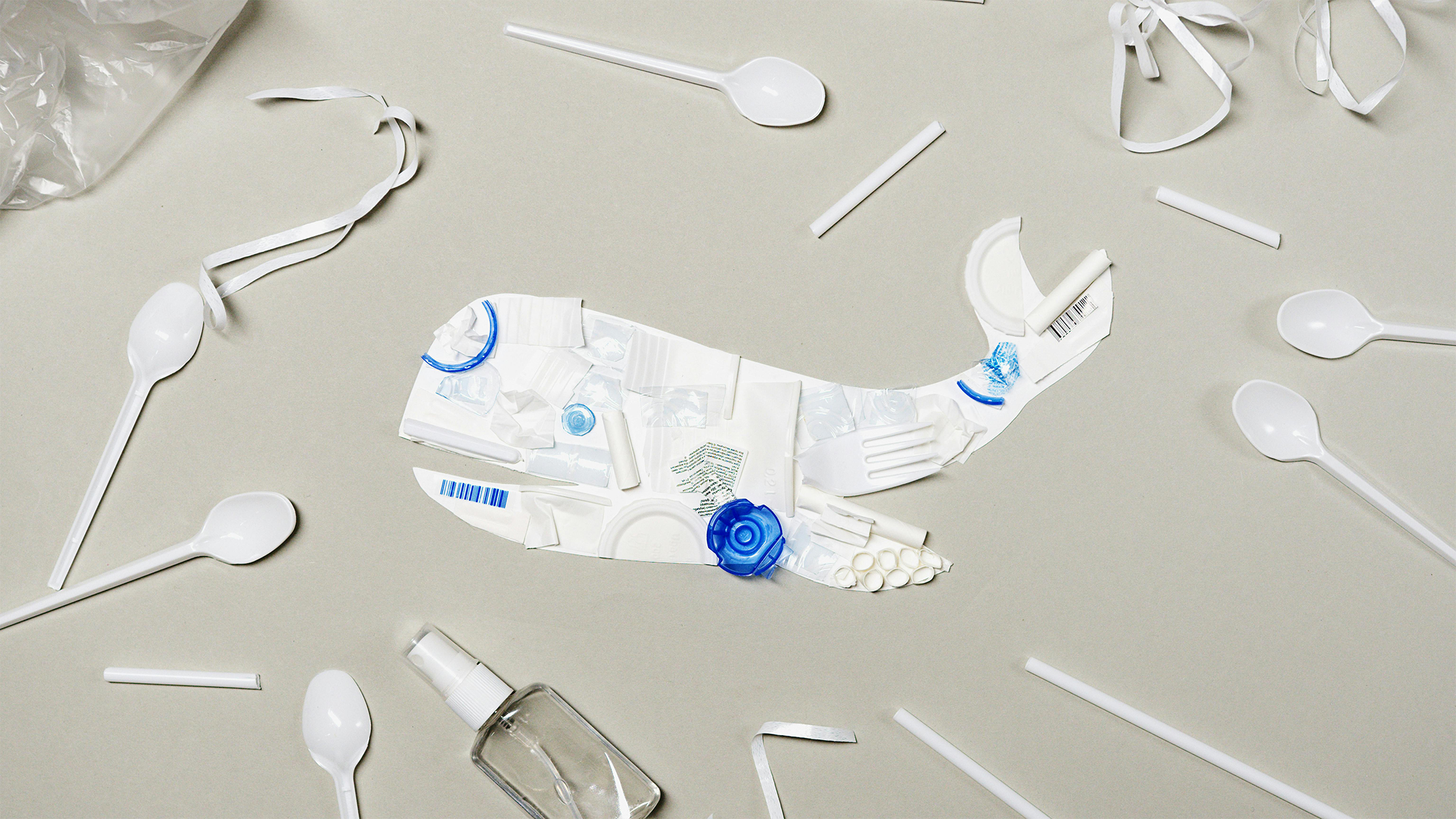
The film investigates the alarming prevalence of microplastics and their impact on human biology, highlighting how chemicals leaching from everyday plastics are correlated to a decline in fertility rates worldwide (00:10). The film conducts an experiment by following a three-month intervention that involves six couples who are struggling with unexplained infertility. They test whether reducing the couples' exposure to plastic-related chemicals can improve their reproductive health (00:32).
Beyond fertility, the film also connects plastic exposure to an increased risk of heart attacks, stroke, autism, and metabolic disorders (01:05). This documentary is a significant wake-up call, noting that the EU has banned over 1,700 chemicals from personal care products (01:20). The most unsettling part is how normalized their 'invisibility' has become in our lives.
Sparxell is redefining the textile industry's relationship with color and how it...(01:46). This shift is critical because, as Dr. Benjamin Droguet, Founder and CEO of Sparxell, notes, "Nobody asks what makes a product blue or red...behind every shade is a chemistry that can persist in the environment and accumulate in the body. That invisibility is exactly the problem." Synthetic dyes are often petroleum-based and a major source of water pollution along with microplastic shedding. However, Sparxell has produced the world's first plant-based pigment that eliminates the need for chemicals completely:
This is where the fashion industry has a chance to move beyond "less bad" and start being "actually good" for the planet. We talk a lot about sustainable beauty and fashion at PhotoBook, but this film really exposes how much we've been ignoring the toxins we live in every day. Sparxell's technology is inspired by the structural color found in nature, such as the vibrant wings of butterflies and the skins of exotic fruits. Sparxell creates intense, metallic, and iridescent colors that are fully biodegradable and free of toxins. It is refreshing to see a company that isn't just greenwashing an old problem, but completely redesigning the building blocks of style.
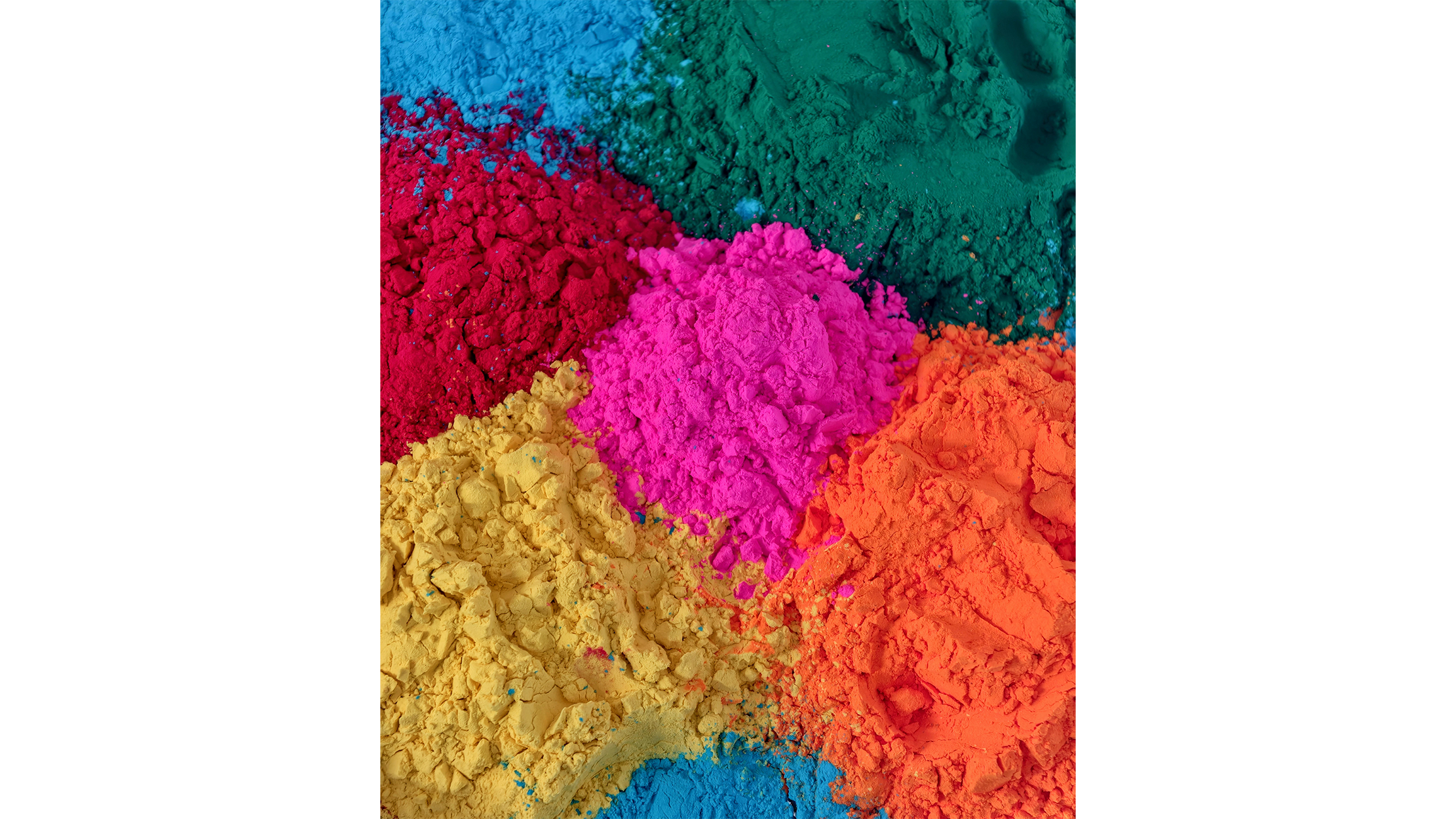
Essentially, The Plastic Detox suggests that materials don't have to come from toxic petroleum-based sources (01:42). Sparxell provides an alternative for the fashion and cosmetic industries to become more sustainable and detox their supply chains. Fast fashion relies on synthetic dyes and polyester fabrics, both of which are primary sources of microplastics. Traditional synthetic dyes-spocifically Azo dyes that make up 70% of the market are known to leach carcinogens and bind to microplastic fibers during a wash cycle.
At PhotoBook, we champion the sustainability of fashion, and Sparxell is a prime example of that. We shouldn't have to choose between a vibrant wardrobe and our long-term health. If the industry wants to remain relevant to a generation that values transparency, it needs to follow Sparxell's lead and stop hiding behind toxic chemistry. Sparxell eliminates the danger by using cellulose to create color through light reflection instead of chemical absorption, detoxing the most polluting step of the clothing lifecycle.
Article by Lily Kalbasz, Contributor, PhotoBook Magazine
Tearsheets by Daniel López, Art Director, PhotoBook Magazine
"All images courtesy of Pexels.com
RELATED STORIES