The Breakthrough of Lululemon
Lululemon has pushed their commitment to circular fashion in a strong way by investing in Epoch Biodesign's $12 million funding round. These funds are dedicated to expanding a breakthrough in enzymatic recycling with a main focus on nylon 6,6. I believe this is going to have a big impact in a positive way on Lululemon's company and their target audience. Epoch CEO and co-founder Jacob Nathan explained the significance of the technology, stating, "Our platform allows us to take the most difficult-to-recycle plastic waste and transform it into high-quality chemicals, creating a truly circular economy for the first time." Lululemon is not just saving the planet, they are also protecting themselves from price volatility of fossil-ful-derived material. The future of fashion will be won by the brands that own their raw material sources rather than relying on the oil market.
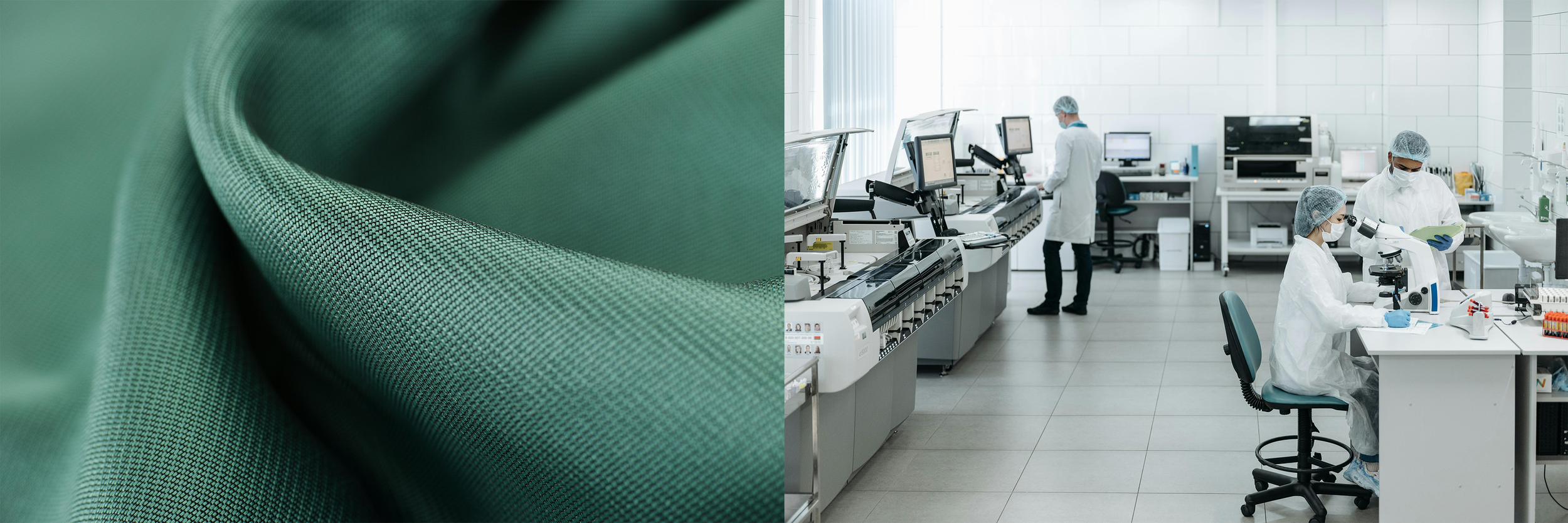
A very critical part of this partnership is the launch of a new demonstration facility located at Grapht Works, which is a deep tech manufacturing hub at Imperial College London. The involvement of Imperial College London adds a layer of "deep tech" credibility that many fashion startups lack. This facility will serve as a bridge between lab research and mass production. In my opinion, this is a huge project that is going to serve good to the fashion industry. Professor Mary Ryan, Vice-Provost at Imperial, noted the importance of the facility, saying, "Grapht Works provides the critical infrastructure needed for startups like Epoch to prove their technology at scale, moving brilliant science from the lab to the factory floor where it can have a real-world impact."
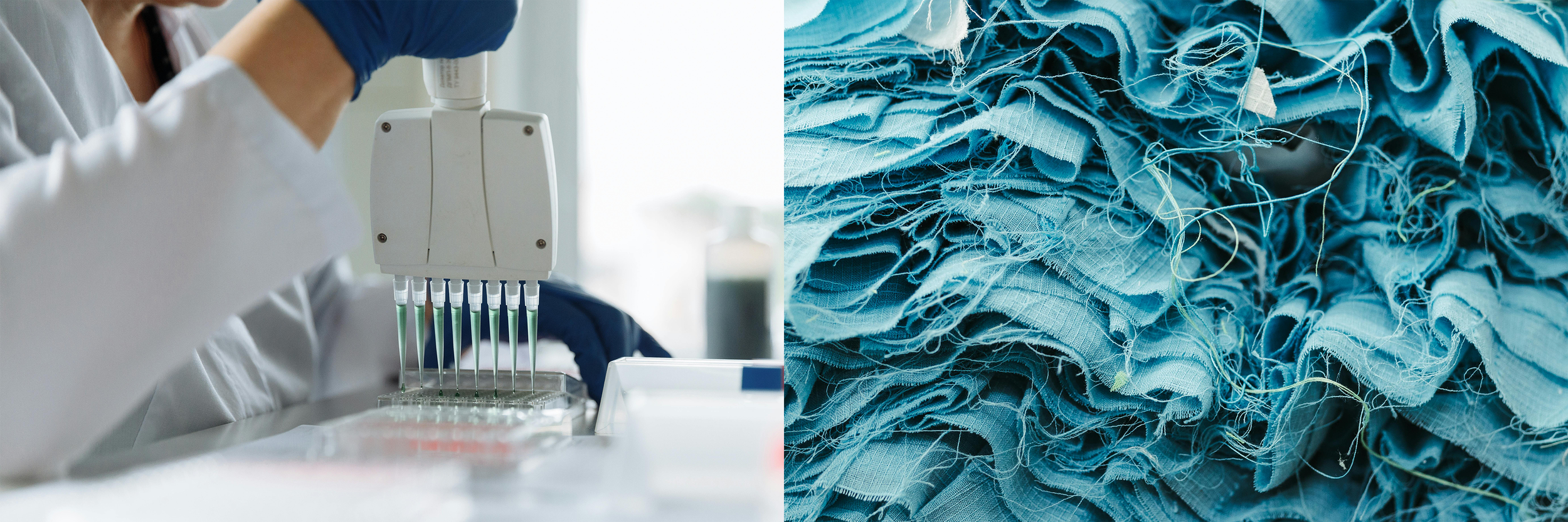
In the long term, this partnership points towards a commercial scale plant in 2028, projected to produce 20,000 metric tons of recycled monomers yearly. For Lululemon, this is a major step in the right direction towards their "Impact Agenda". A spokesperson for Lululemon emphasized the strategic nature of the deal and stated "Investing in transformative technologies like Epoch's enzymatic recycling is essential to achieving our goal of 100% sustainable materials by 2030."
Lululemon is moving beyond the simple "offsets" and into deep-tech textile innovation by partnering with Epoch Biodesign creating a diverse portfolio of sustainable solutions. As the fashion industry faces the increasing pressure to shift toward sustainable fashion, this partnership highlights how it can be done. As the team at Epoch Biodesign summarized, "We aren't just recycling; we are reinventing the chemical industry to be bio-based and sustainable from the ground up." Overall, this is not just about being "green", it is a smart business move.
Article by Lily Kalbasz, Contributor, PhotoBook Magazine
Tearsheets by Daniel López, Art Director, PhotoBook Magazine
"All images courtesy of Pexels.com
RELATED STORIES