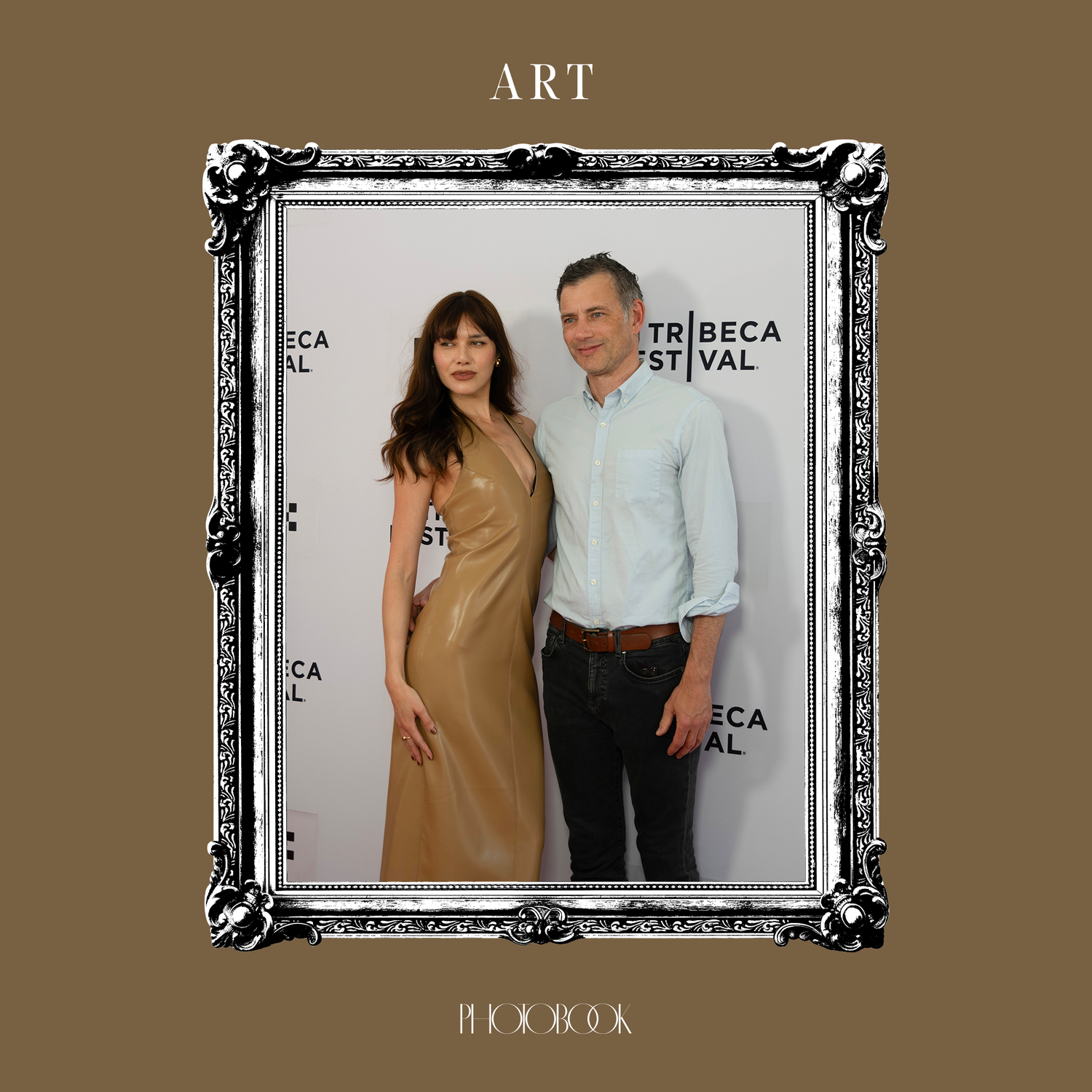
Tribeca Film Festival: Spin Wars: Changing Gears on Boutique fitness
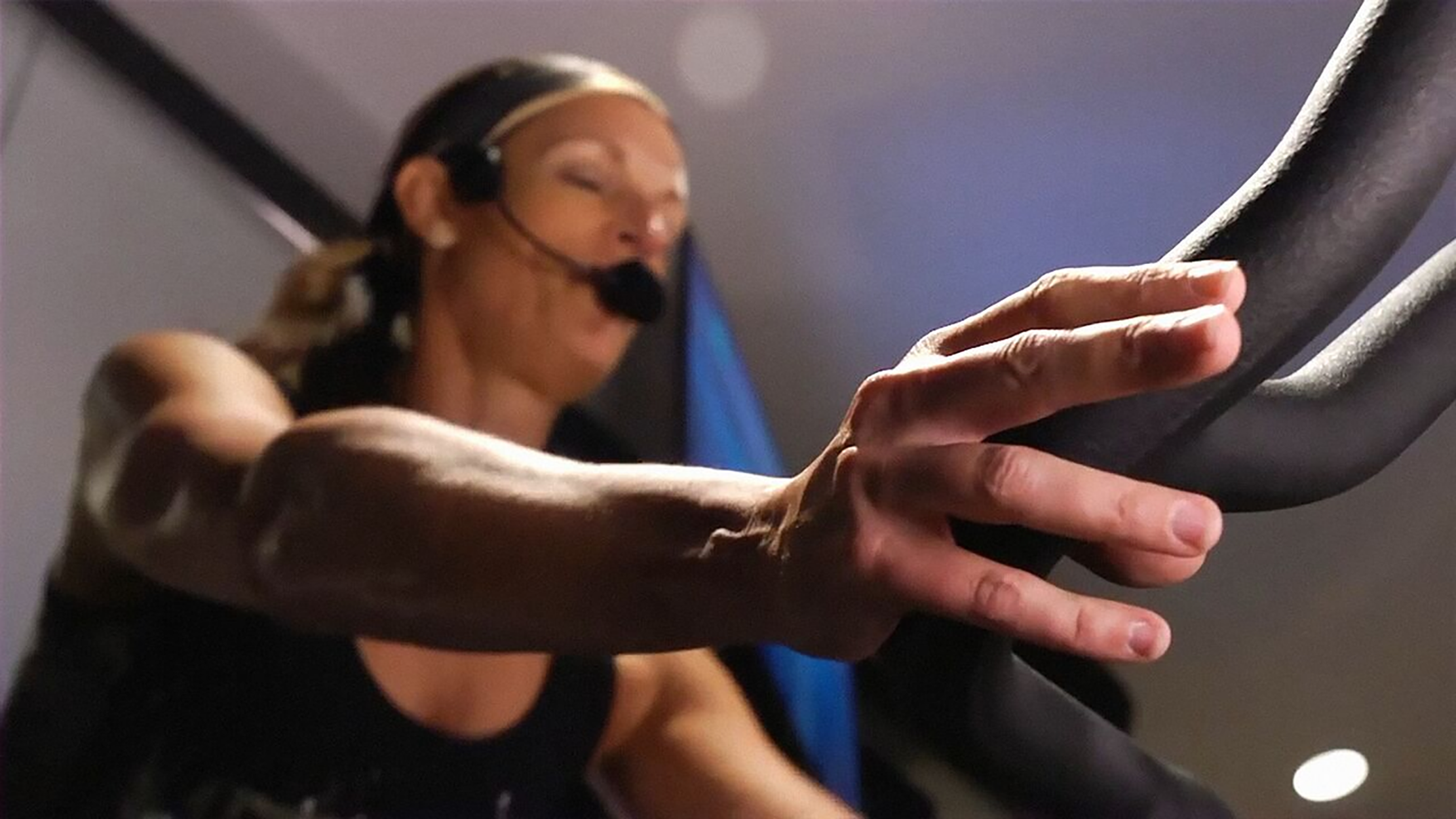
Image Courtesy of Tribeca Film Festival
Philip Byron, is a five-time award-winning producer with 12 nominations for his work. In addition, he is a documentary filmmaker and co-writer of Spin Wars, a 2026 documentary that premiered at the Tribeca Festival. The film explores the rise of the boutique fitness industry, focusing on companies such as SoulCycle, Flywheel, and Peloton, while uncovering the ambition, conflicts, and competition that ignited the industry's growth. Through extensive interviews with leading voices, including fitness leaders Marion Roaman and Ruth Zukerman, the documentary reveals the personal and professional conflicts hidden within the industry.
During my interview with Byron, I asked questions that centered on his creative motivation for making the documentary and his intentions for what audiences would take away from it. Our discussion included why he was interested in telling this story, how he approached complex issues such as workplace culture and power dynamics, and what he believes boutique fitness represents in American culture. The interview highlighted Byron's creative vision and his interest in examining both the factors behind the industry's success and its broader implications.
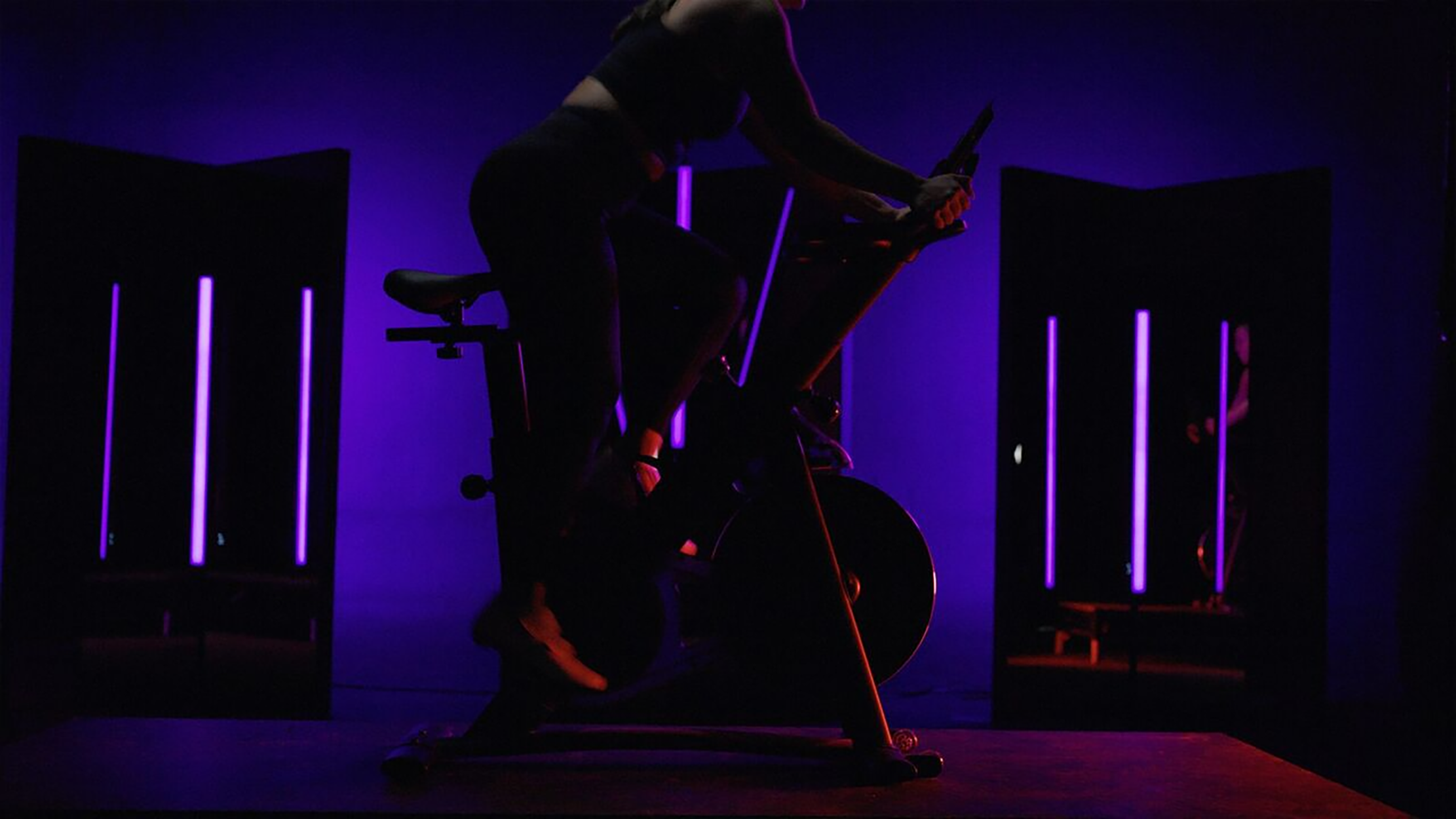
Image Courtesy of Tribeca Film Festival
When did you realize it was about something bigger than indoor cycling?
Very good question. Nice to meet you. I used to teach indoor cycling in the morning before I would go to my TV executive job, more as a side hustle for fun. I've been doing boutique fitness workouts since I graduated college and moved to New York, so it's always been part of my daily life.
When Instagram came along and everyone started posting Boomerangs from Barry's class or videos from a yoga class, I noticed this desire people had to share when they were working out. Then you'd see comments like, "Oh my God, I want to do that," or "You look great," or "I need to get in the gym." I found that to be such an interesting moment in society.
When my colleague Naomi, who is an executive producer on the film, brought up SoulCycle as a potential documentary subject, I brought up Ruth Zuckerman. I asked,
"Do you know her story?" because she's touched two of the three major players in the indoor cycling world. We were very lucky that Ruth agreed to share her story and participate, and that became the beginning of the entire journey.
As for when I realized it was about something bigger, I think I always knew. There's this universal desire to be seen. Whether it's through indoor cycling, your career, or your relationships, we're all looking for recognition. One of the themes we wanted to explore in the film was when that desire to be seen starts to go too far.
The film goes beyond fitness and business to address issues of body image, power, and workplace dynamics. What made those conversations essential to this story?
Boutique fitness is a strange world when you work in it. How many jobs do you know where people show up in tank tops, shorts, or sports bras? Most HR departments would probably say that's not appropriate, but because it's a fitness environment, it becomes normal.
That creates a space where things can sometimes go wrong. You have the egos of instructors and the egos of riders who feel entitled to a specific bike or expect it to be set up for them. It's not everyone— many people, myself included, simply go in, ride, and leave.
But one of the major themes we discuss in the film is loneliness. A lot of people found a genuine sense of community in these spaces. The question becomes: when does that sense of community begin to cross a line and become unhealthy or toxic? That was an important issue for us to examine.
Were there any moments during filming that were especially difficult or emotional?
Marion and Ruth, who were really the spine of the film, have been through a lot. They've been part of this industry for more than 20 years. I interviewed each of them for three hours, and asking someone to relive their entire professional and personal life is a lot, especially when you're essentially saying, "Let's talk about all the times you got screwed over."
That was emotional in itself. Conducting those interviews and making sure the questions were phrased in a way that would bring out the right information was challenging. There were also unexpected moments. Marion became very emotional when talking about how supportive her father was of her career as a fitness instructor. It caught me completely off guard.
I remember thinking, "We have to put this in the film," because I was crying while she was talking about it. I think it's something anyone can relate to-the desire to earn your parents' approval. For me, that was probably the most emotional part of the process.
What was the most surprising thing you learned while researching the history of the industry and the communities built around it?
I don't know if anything was truly surprising because I had lived through a lot of it myself. But one thing that did shock meand I think audiences who followed these companies will find interesting—is learning more about the SoulCycle training program.
For years, it was this mysterious, behind-the-scenes process. In the film, we uncover some of what went on during that training, though I don't want to spoil too much because I want people to watch the documentary. Those stories were pretty wild to me.
I went through instructor training at Flywheel, and while it was difficult, exhausting, and demanding, it never crossed into some of the darker territory that SoulCycle training appears to have entered during certain periods.
What do you hope audiences take away after watching the documentary?
My goal was for the film to resonate with both people who love boutique fitness and people who've never taken a class in their lives.
The first takeaway is about partnership and being careful about who you choose to link arms with, whether in business, friendships, or relationships. Most people have experienced being taken advantage of at some point, and Ruth is incredibly vulnerable in sharing her experiences with that.
The second takeaway is about corporate greed and the idea of scaling at all costs-focusing on the bottom line rather than the people involved. That's something we're seeing across so many industries today, and I think it's relatable for a wide audience.
Why do you think people became emotionally attached to these brands instead of viewing them as just workout classes?
Great question. I think there are two reasons. First, these classes were expensive. When you're investing that much money into something, you naturally place a different kind of value on it. You're making a significant commitment, both financially and emotionally.
Second, it goes back to the idea of feeling seen and being part of something. There is something really special about walking into a class and seeing familiar faces every week.
Maybe it's someone you only know from Saturday morning rides, but over time you learn little things about each other before and after class. Those connections matter. Whether it's with other riders, instructors, or staff members, people enjoy that sense of community and belonging.
Those two factors— the investment and the feeling of connection-are what made people hold these brands in such high regard.
Tearsheets by Daniel López, Art Director, PhotoBook Magazine
Interview by Ali Rosoff, Contributor, PhotoBook Magazine
*Images Courtesy of Tribeca Film Festival
Related Stories