Schiaparelli Goes Clear for Spring/Summer 2027
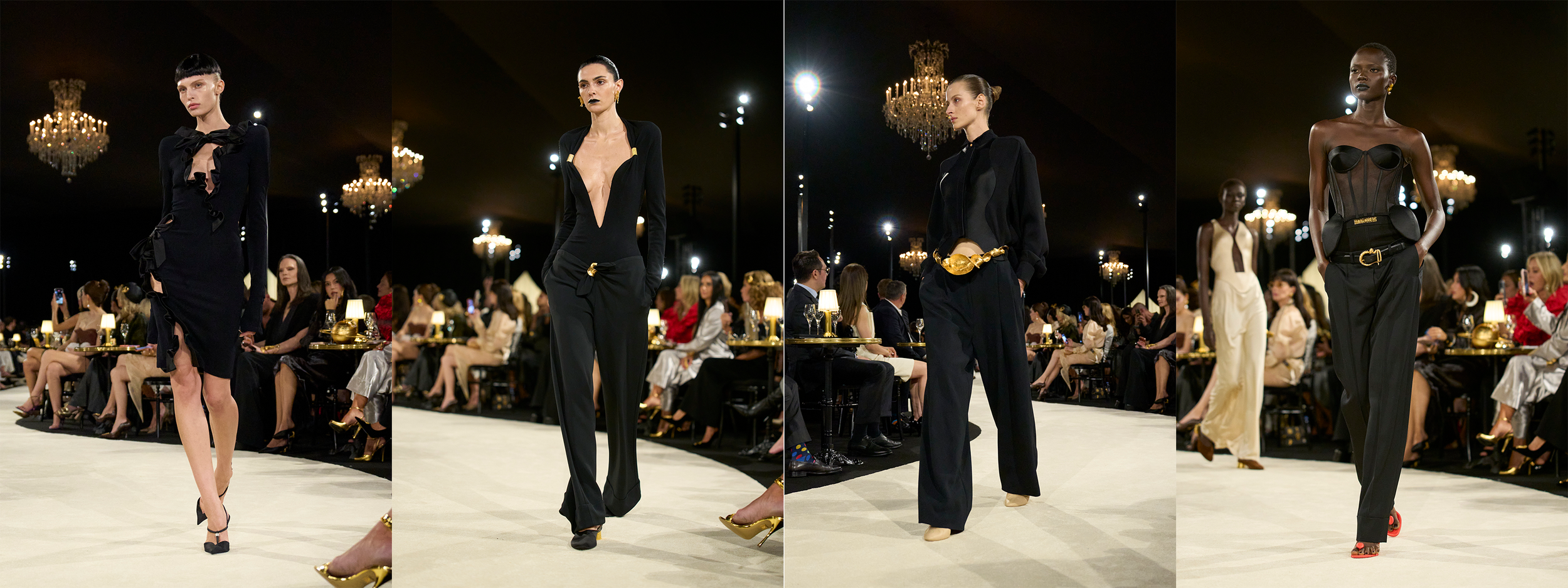
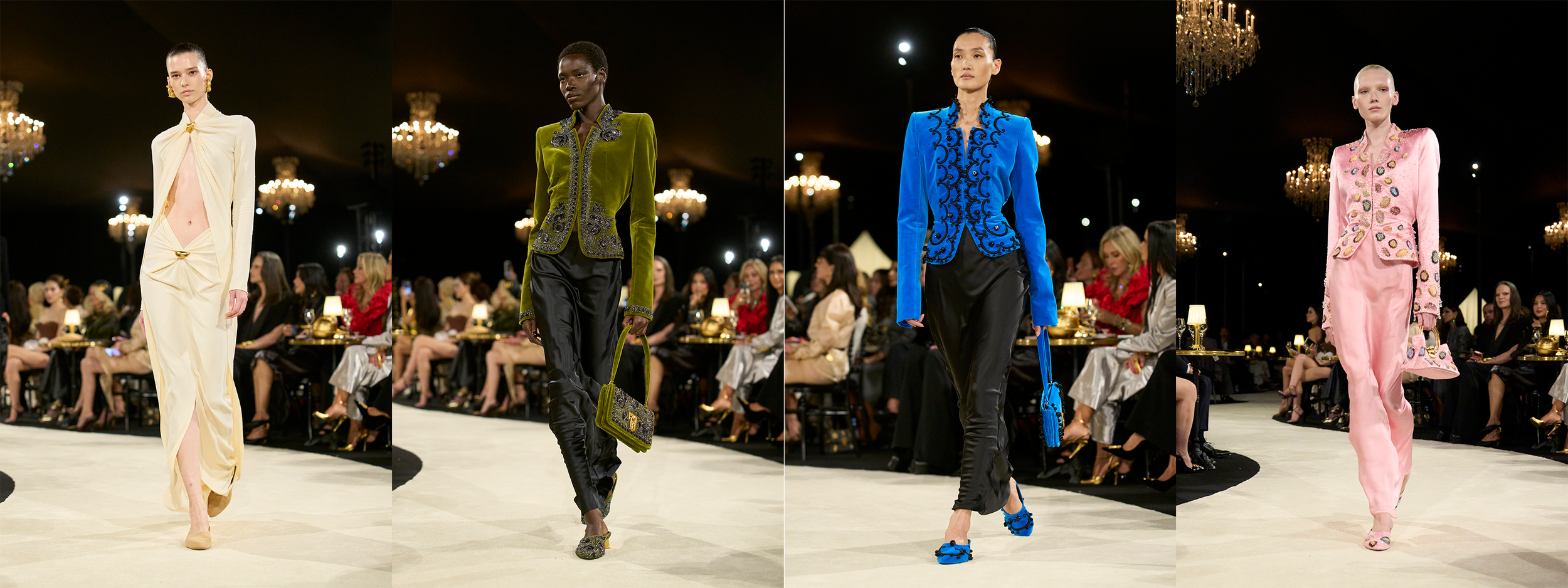
At a moment when fashion seems increasingly consumed by noise, Schiaparelli’s Spring/Summer 2027 collection asks a quieter question: What remains when everything unnecessary falls away? Presented beneath the Louvre in Paris, Going Clear marks a new chapter in Daniel Roseberry’s evolution of the Schiaparelli ready-to-wear wardrobe. Seven months after the house’s previous ready-to-wear collection, Roseberry returned to the runway with a collection built around distillation: taking the exaggerated language of Schiaparelli couture and translating it into pieces designed to be separated, recombined, lived in, and ultimately made personal. The idea begins with the collection’s silhouettes. Rather than reproducing couture gowns and sculptural signatures in their original forms, Roseberry breaks them apart. Familiar Schiaparelli necklines become individual tops; dramatic shapes translate into skirts and trousers; recognizable volumes soften into pieces that can stand on their own. The result is a wardrobe that feels modular without sacrificing the visual impact synonymous with the house.
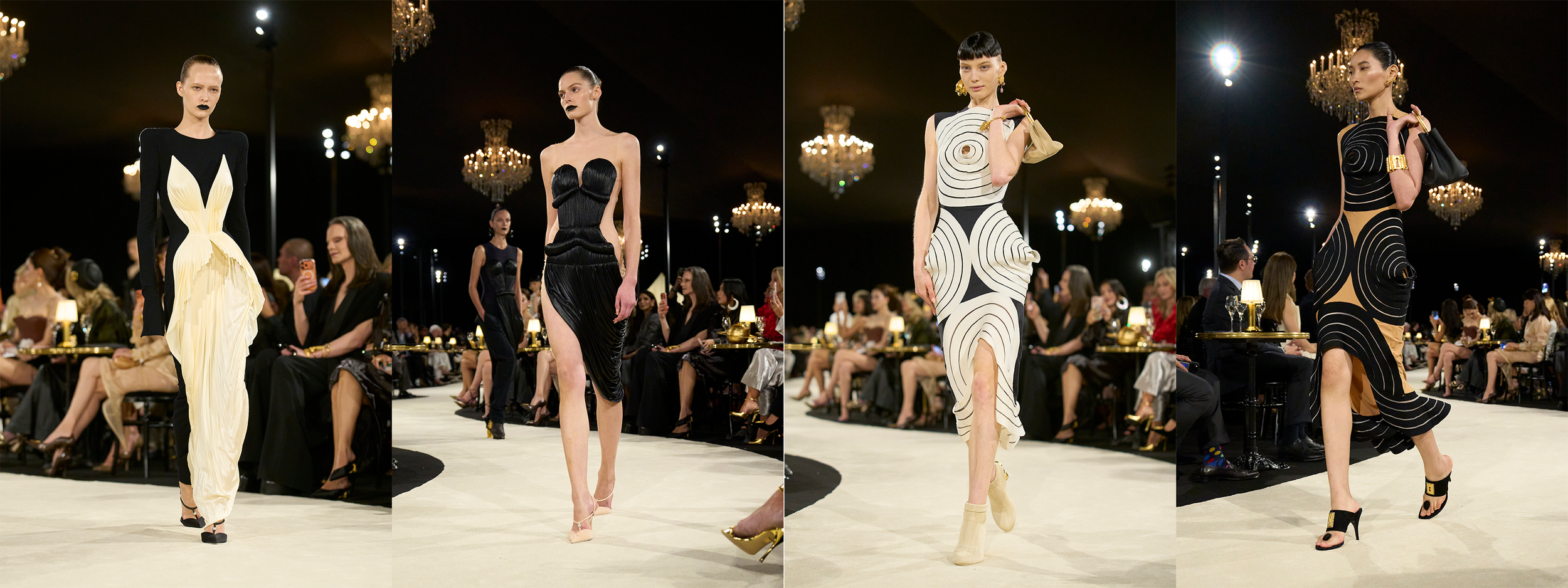
That sense of freedom is particularly rooted in Roseberry’s own dialogue between Paris and America. French couture codes meet the democratic spirit of American sportswear, creating a wardrobe that encourages the wearer to decide how the pieces belong together. The collection’s tightly edited palette of Schiaparelli black, bone, and butter provides the foundation, interrupted by flashes of color that give the clothes room to shift and change depending on how they are worn. Throughout the collection, precision is deliberately softened. Sharp tailoring gives way to lettuce hems, asymmetrical openings, fluid draping, and ruffles that appear almost deliberately out of place. Leather and linen ruffles reference the curtains that once hung inside Elsa Schiaparelli’s Place Vendôme atelier, bringing an archival detail into a distinctly contemporary context. These elements create an appealing tension: rigorous construction that refuses to feel rigid.
Playfulness, meanwhile, remains one of the house’s most recognizable signatures. Intricate vegetable and feather embroidery appears across translucent shirts, moving embellishment from traditional couture fabrics to barely-there surfaces. One interpretation of the Schiaparelli jacket arrives in archival-inspired shades of kingfisher blue, moss green, and salmon pink, while embroidery transforms the familiar silhouette into something at once historic and unexpected.
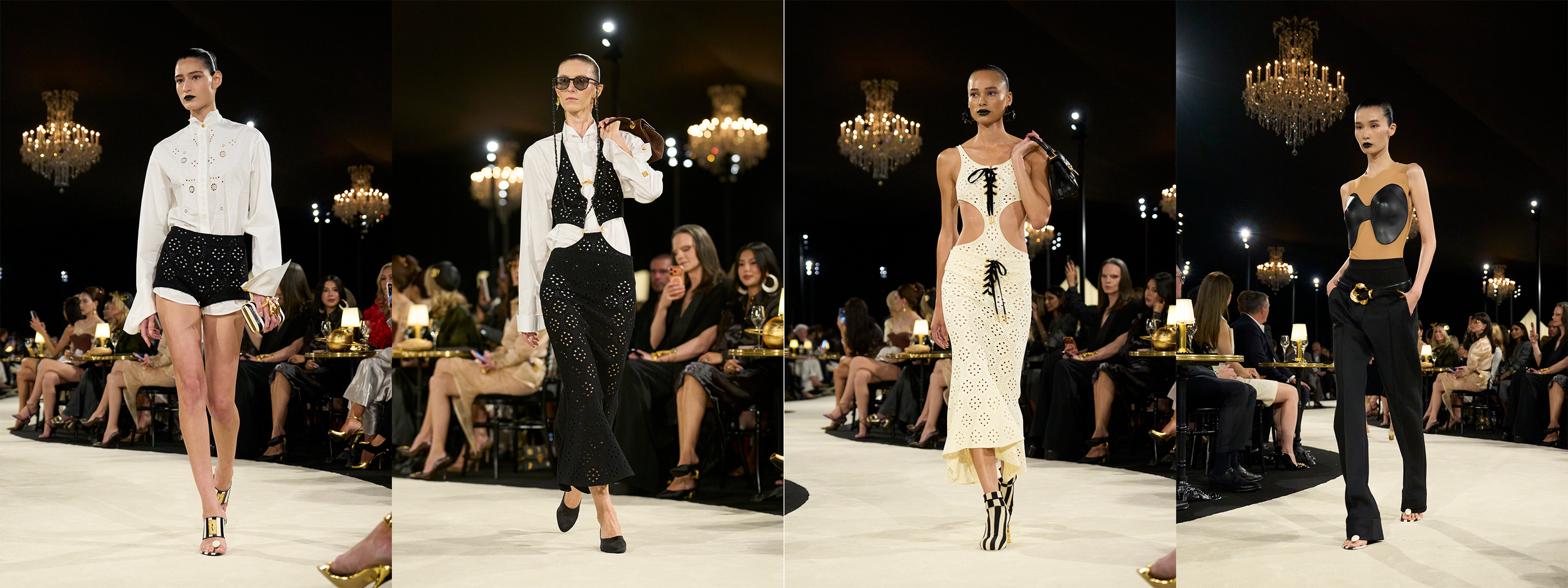
Knitwear emerges as one of the collection’s strongest statements. A sheer viscose knit resembling tree bark references a textile Elsa developed herself, while broderie anglaise (traditionally associated with the delicacy of couture) takes on a lighter, more relaxed life in the ready-to-wear wardrobe. The effect is characteristic of Roseberry’s approach: rather than simply reproducing Schiaparelli’s history, he allows its codes to stretch into something new. Then comes the little black dress. Roseberry describes these pieces as “revenge dressing,” looking back to the first look of his most recent couture collection, The Abyss. Where much of Schiaparelli’s vocabulary is deliberately surreal and sculptural, these dresses find their power in restraint. Simple, polished, and intensely desirable, they demonstrate that spectacle does not always require excess. The accessories extend the same balance between archetype and eccentricity. New handbags take familiar forms and interrupt them with distinctly Schiaparelli details, including a sculptural brass mouth functioning as a handle. Shoes move closer to the everyday: a knit bootie inspired by a style Elsa wore in the late 1930s, a mule finished with a rounded toe, and a lower totem heel. Each remains unmistakably of the house without feeling reserved exclusively for the runway.
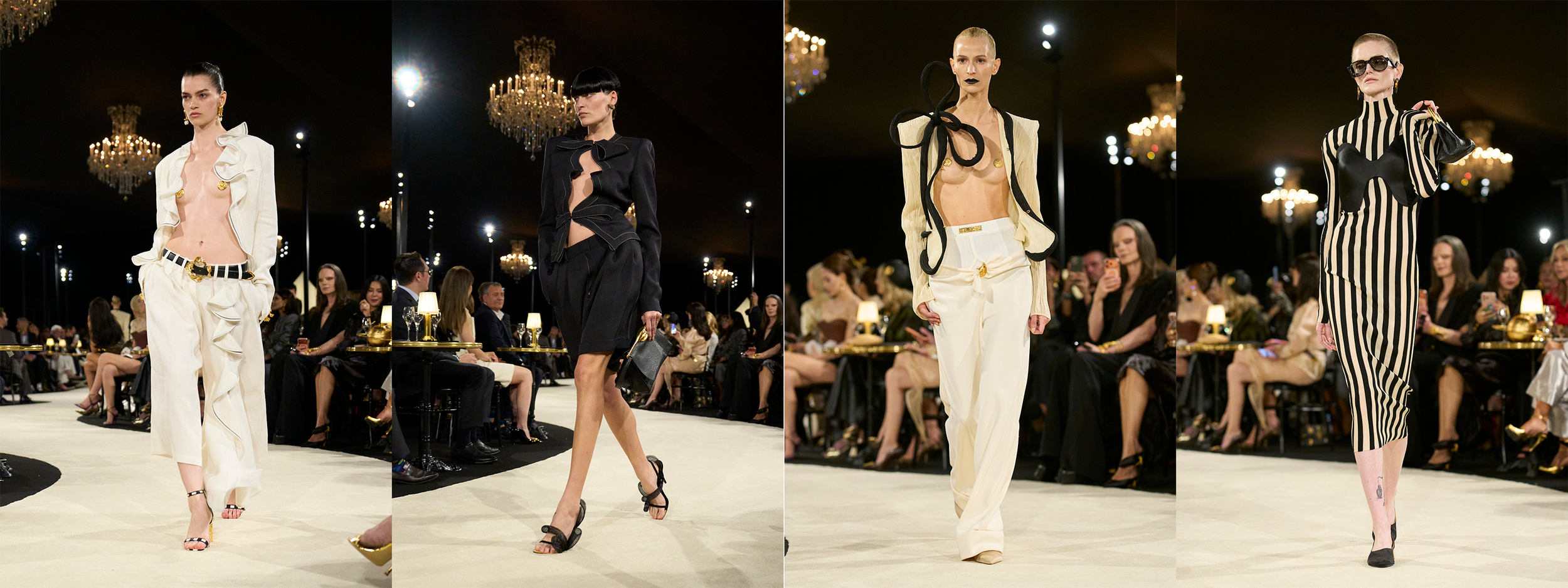
Jewelry becomes perhaps the most playful expression of personal choice. A menagerie of horses, dolphins, pigs, dogs, cats, and spiders appears across earrings, cuffs, and brooches, turning the idea of the “spirit animal” into another way to make the wardrobe personal. Elsewhere, Schiaparelli’s instantly recognizable keyhole and lip motifs surface in unexpected places: on shoes, within dense embroidery, and tucked behind collars.
That attention to the wearer is ultimately what gives Going Clear its coherence. Roseberry describes Schiaparelli’s unusual relationship with ready-to-wear: little distance exists between what is presented, produced, purchased, and eventually worn. Rather than creating a runway fantasy that must later be translated into something commercial, the collection itself is the finished vision.
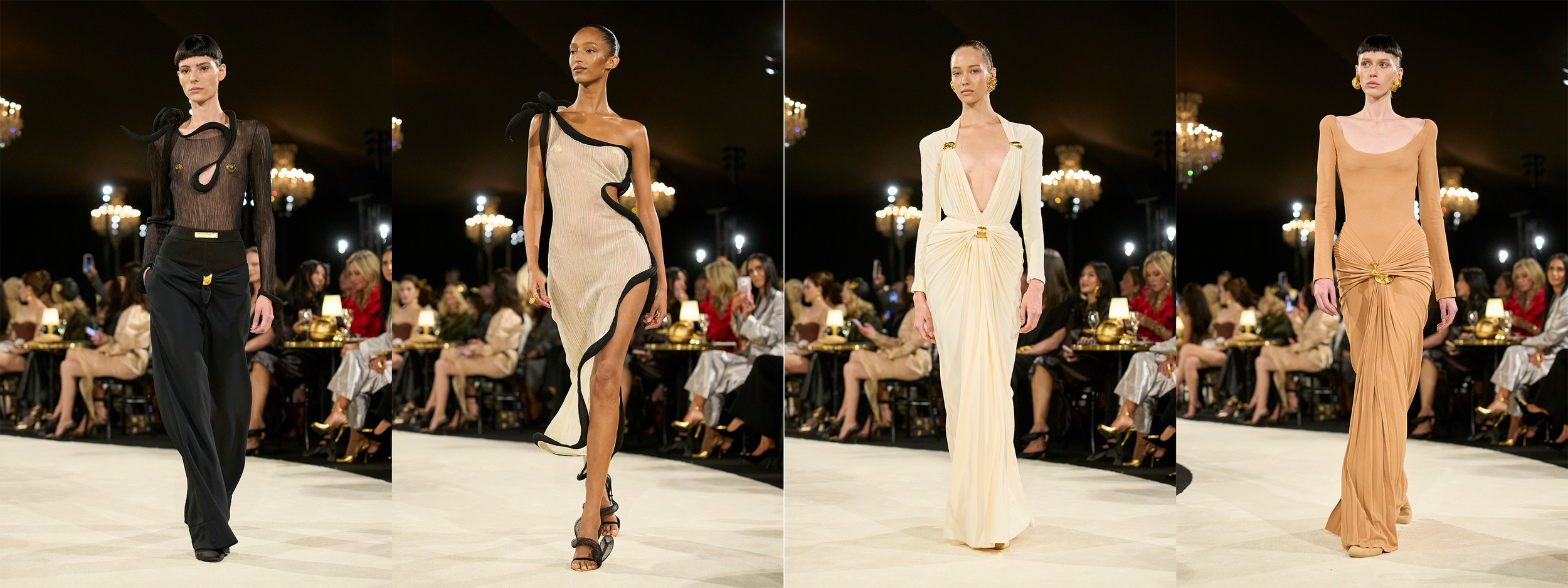
And perhaps that is what Going Clear means. Not stripping Schiaparelli of its eccentricity, but stripping away everything that distracts from it. The collection does not abandon spectacle; it refines it. It does not reject the house's history; it makes that history wearable.
Roseberry’s reference to Barbra Streisand singing “Cry Me a River” at the Bon Soir in 1962 offers an unexpected but fitting final note: a voice so immediate and singular that it remains timeless. For Schiaparelli, the challenge is much the same. In a fashion landscape increasingly saturated with noise, Going Clear proposes that the most lasting statement may simply be knowing exactly what your voice is, and having the confidence to let it speak.
Article by Emma Green, Assistant to Editor-In-Chief, PhotoBook Magazine
Tearsheets by Daniel Lopez, Art Director, PhotoBook Magazine
*Images Courtesy of Schiaparelli
RELATED STORIES