Rosina-Mae Swimwear Event Cools Down Brooklyn with "Overheated" Event
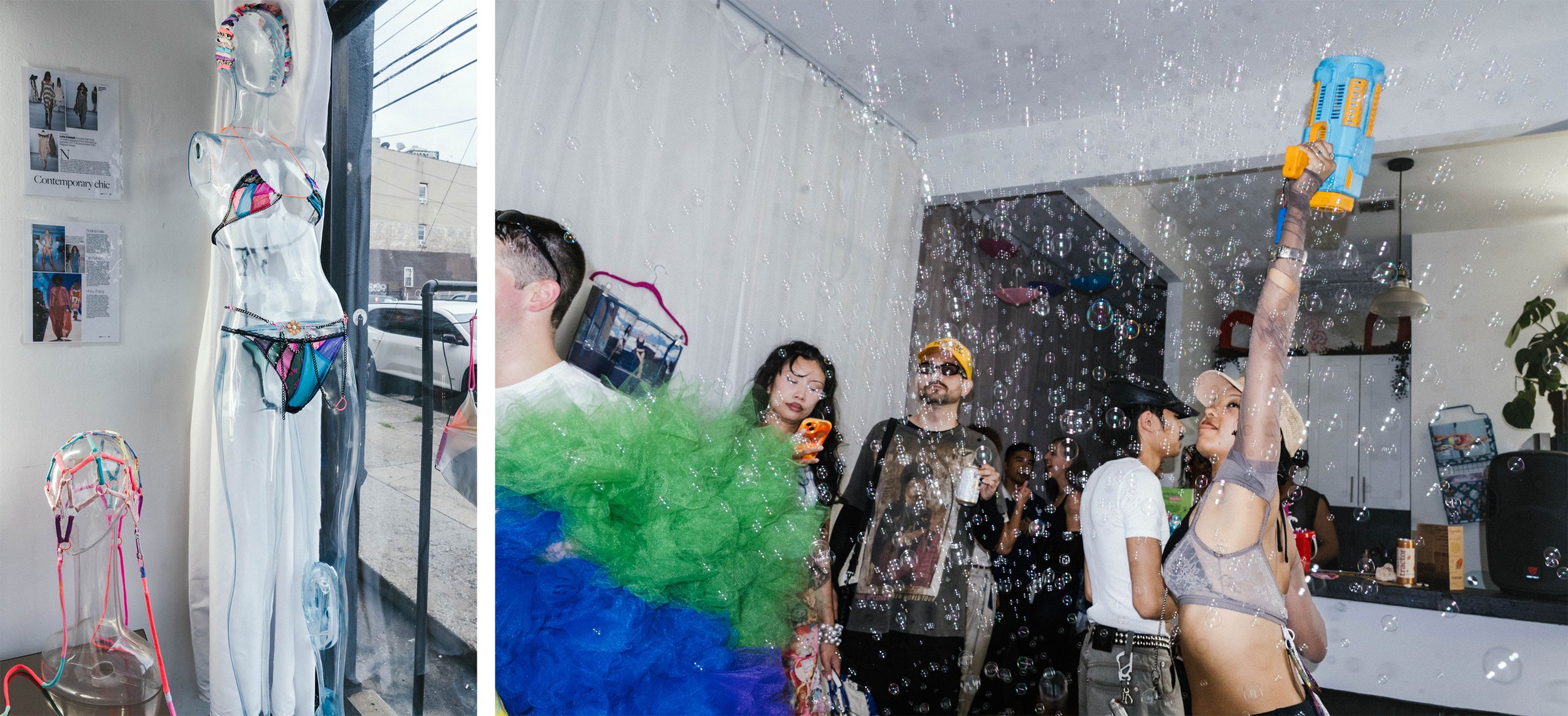
Rosina-Mae bikini, pictured alongside guests afloat in bubbles at the event.
Rosina-Mae swimwear is unmistakably unique, expressive and enticing. More notably, at the heart of the modern brand is sustainability. The Rosina-Mae process is climate-committed through recycling fabrics, producing her own spandex yarn with reclaimed materials, and even offering "circular services," where customers can send in old pieces for reconstruction. The Brooklyn-based designer held her first solo exhibition on Saturday, June 27 at Rüme Atelier, a venue just as committed to craftsmanship as Rosie's swimwear brand. Founded by Annie Lian and Gwendolyn Boykins, RÜME is a multidisciplinary creative space and living atelier that brings together the creative community to showcase their work and foster meaningful collaboration. Through fashion presentations, activations, exhibitions, performances, screenings, workshops, open studio hours, and community gatherings, RÜME cultivates an art-forward, inclusive environment where experimentation, cultural exchange, and interdisciplinary practices are celebrated.
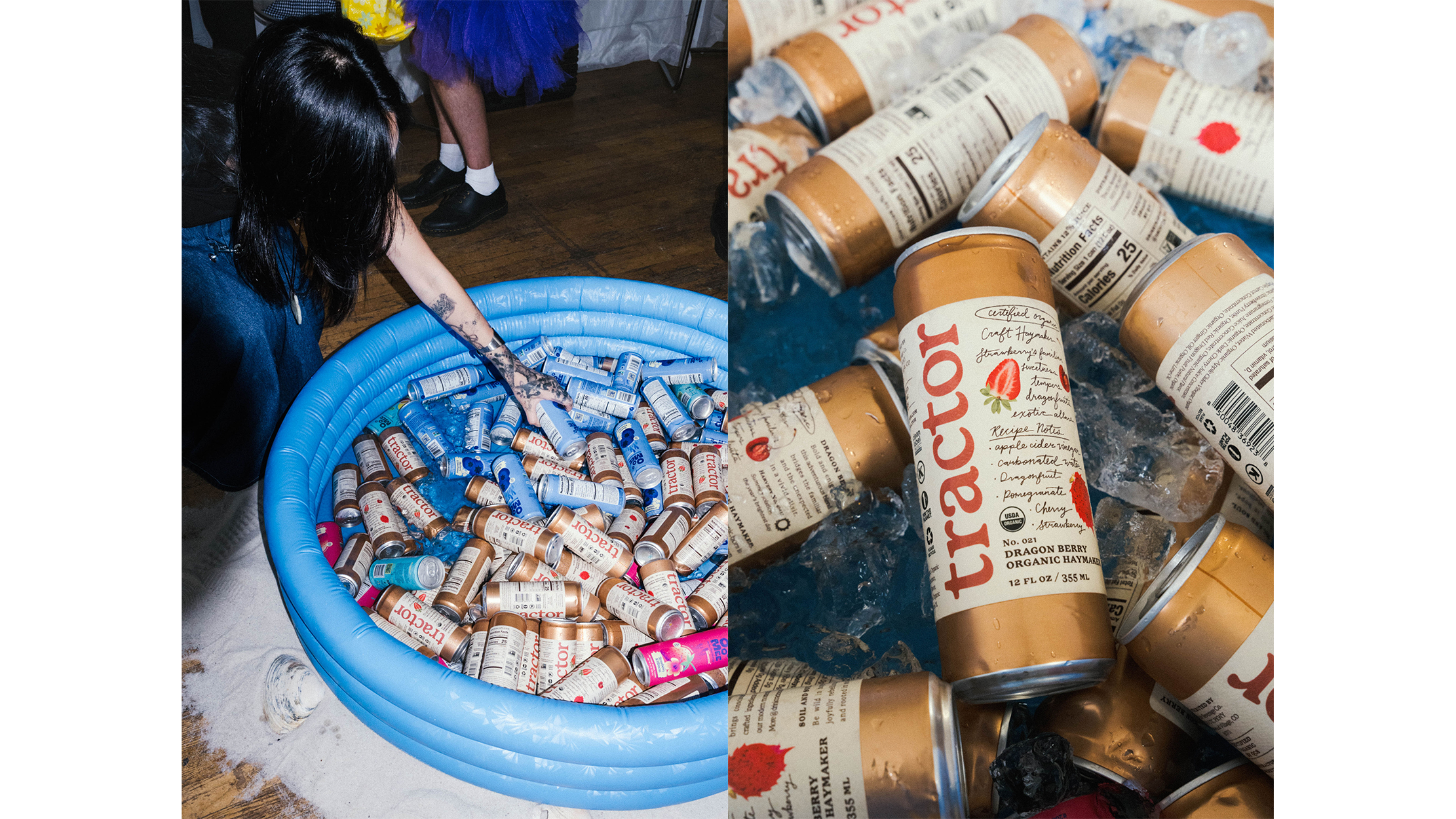
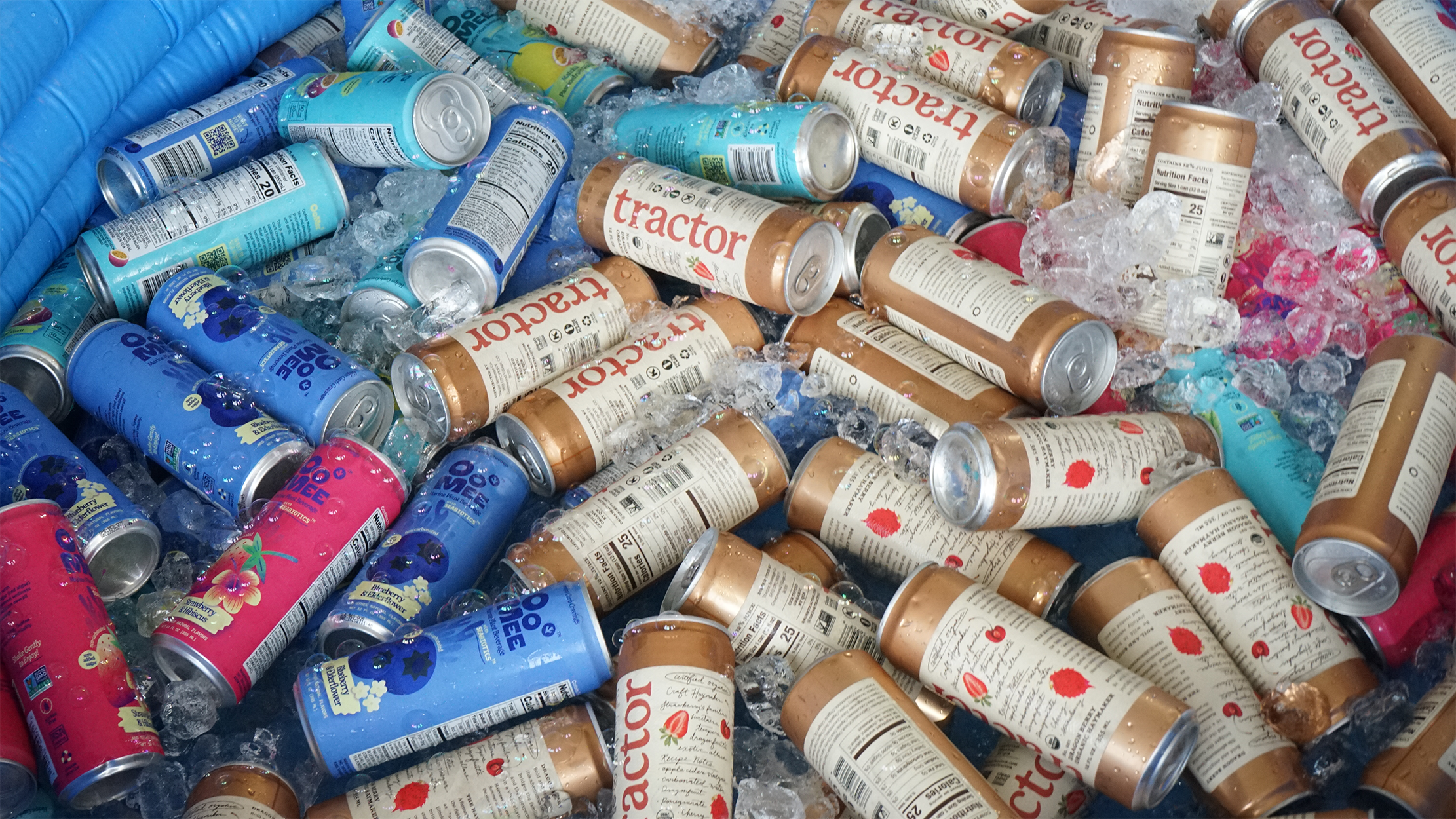
Tractor Organic and OoMee Marine beverages served at event.
Saturday's event was titled, "Overheated," fitting for a swimwear brand, especially one focused on sustainability and curbing global warming. The event was plastic free and completely zero-waste. Alongside Rosie's designs were small works from fellow sustainable brands: Studio Cult rings, Mll Online nails, Nick Perl for Precious Plastic New York sunglasses, earrings and art, and Aapple Athletics headbands. The event was sponsored by Tractor Organic craft-made drinks, OoMee Marine plant-based beverages and, Lady Moo Moo ice cream—all to sustainably beat the heat. The promo included the tag line, "Rosina-Mae takes you from the beach, to the street, to the party," and that's exactly how the swimwear display spoke to attendees. The designs are flattering and colorful—perfect for an editorial or foreign vacation. The brand's one-of-a-kind ensembles have been featured in Sports Illustrated Swimsuit, Nylon Magazine, and NBC.
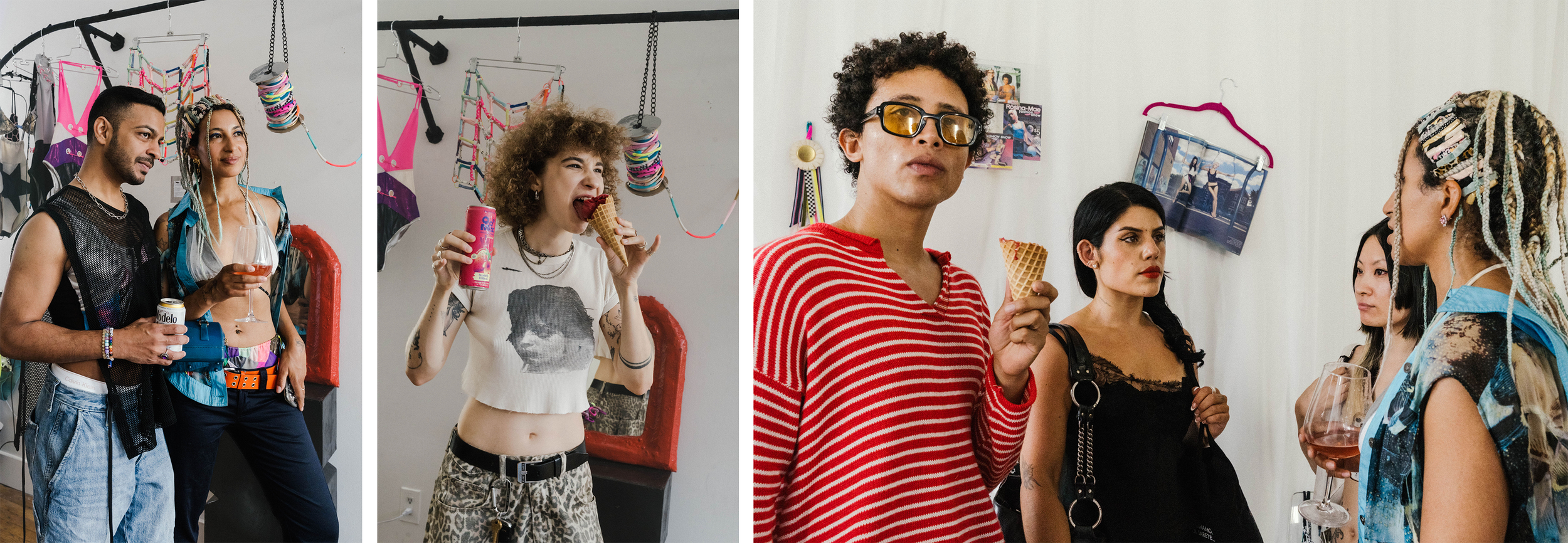
Attendees and Rosie enjoying Lady Moo Moo ice cream and OoMee Marine beverages.
Swimwear is often associated with fast fashion and seasonal trends. How are you challenging those expectations through sustainability and craftsmanship?
I produce everything locally, most everything on display was made by me, in my Brooklyn studio. (I live in Bedstuy, about a 25 minute walk from Rüme Atelier.) I have a close-knit group of friends, some of which founded Rüme. We also have slow fashion brands, we all craft everything ourselves. In the past I have used Manhattan's garment district to have samples made, but the garment district in Manhattan has had some shifts, so I've been really honing in on my own design skills.
Swimwear is something that I kind of fell into. They didn't really touch specifically on swimwear at my design college, but I just loved it. I also grew up wearing the materials being both a gymnast and diver. (It's one of the worst materials. Spandex and Lycra are not the most environmentally friendly). What I do in my practice is try to get everything second-hand. A lot of the color-blocked pieces around the room feature materials that probably would have gone to the landfill because there's not a lot of yardage leftover. Patchwork, color-blocking, and reconstructing yarn are some of the techniques I have become known for.
For me I think sustainability comes with doing the extra due diligence in day-to-day practices. I may not know exactly what this deadstock material is, but I'm getting it second-hand. And whenever I use new materials, I try to research those sources well. One piece here is made with Econyl, which is a regenerated nylon. A better nylon on the market.
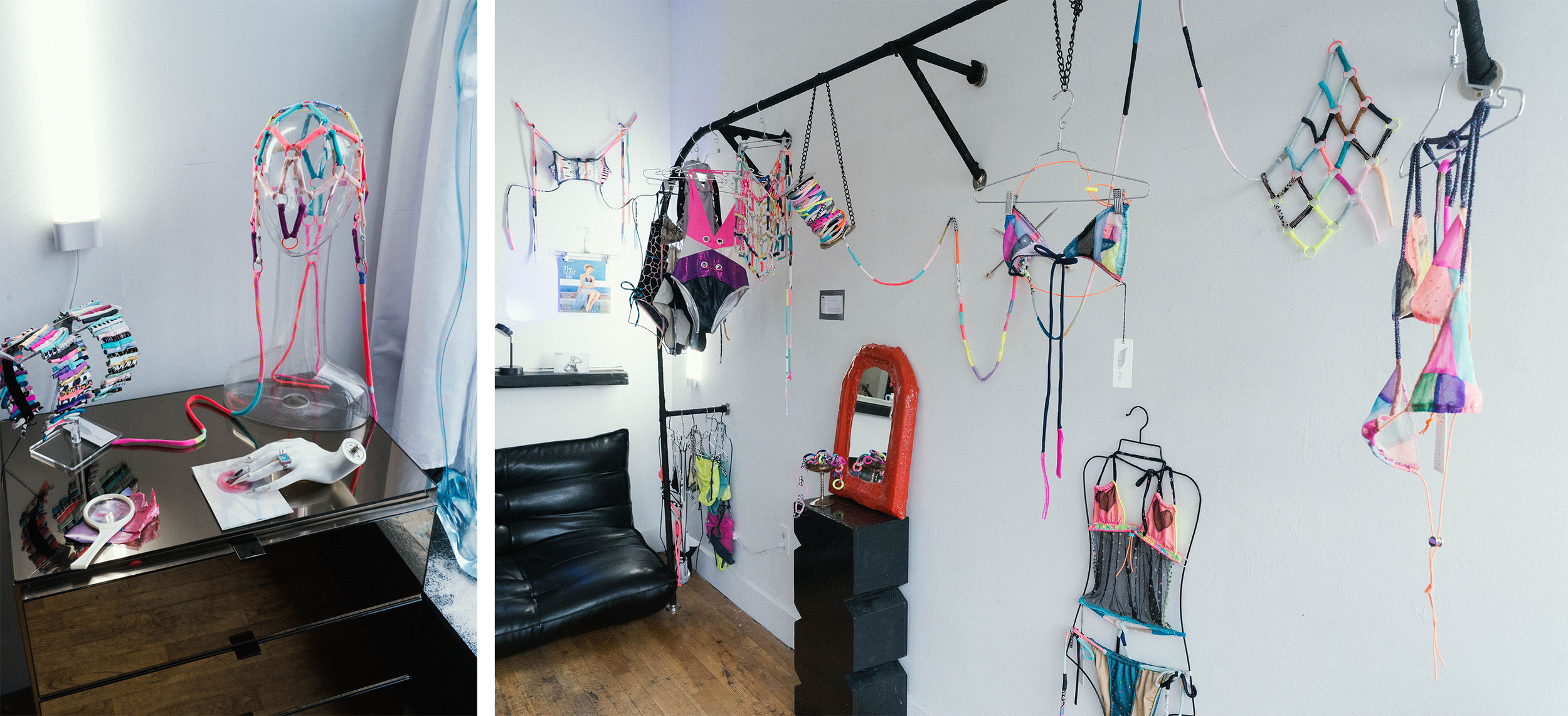
Rosina-Mae and Rüme Atelier creative works.
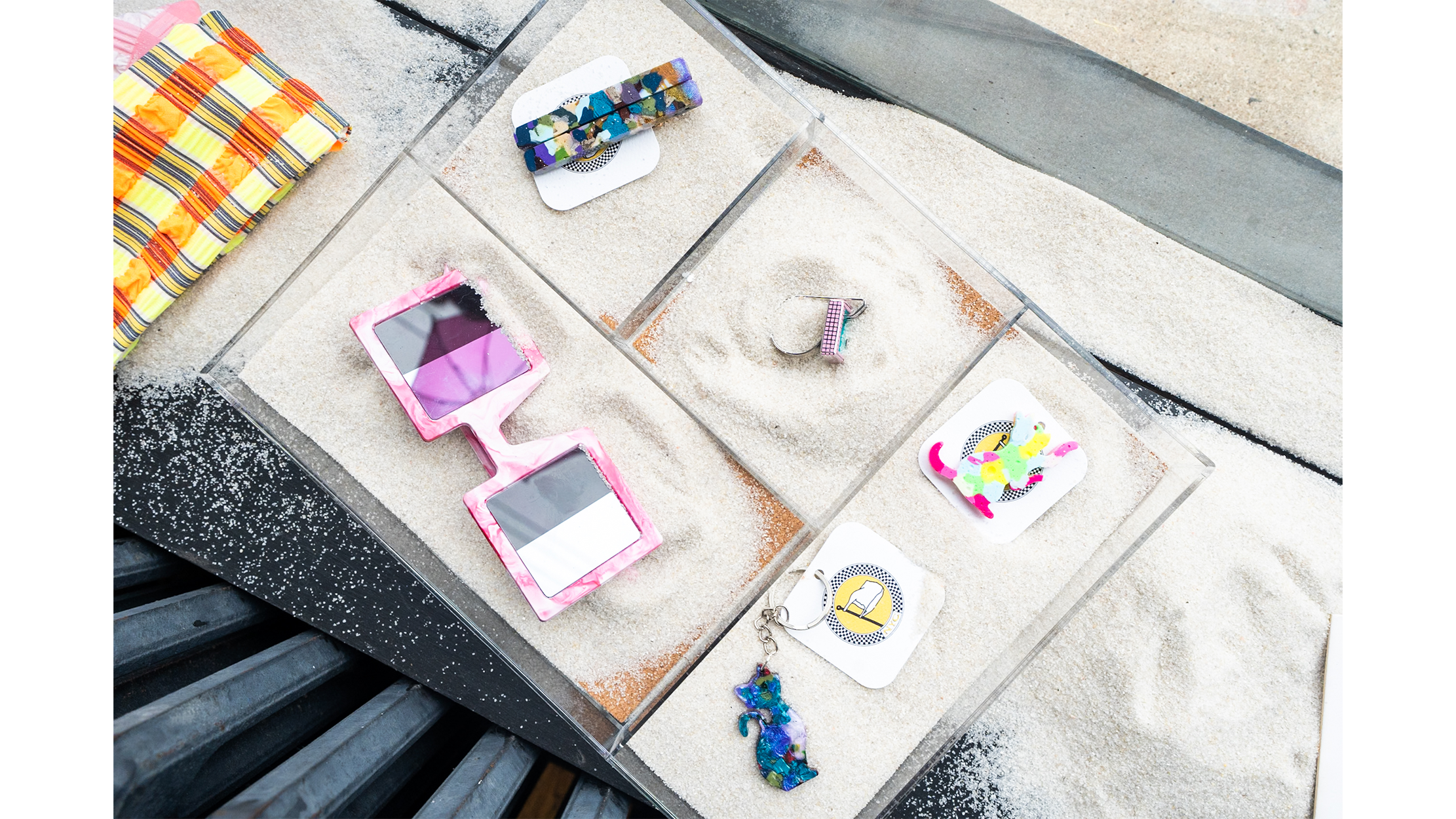
Aapple Athletics headbands, Nick Perl for Precious Plastic glasses, and Studio Cult pool ring are pictured in a sandy storefront window, photo by David Grinage.
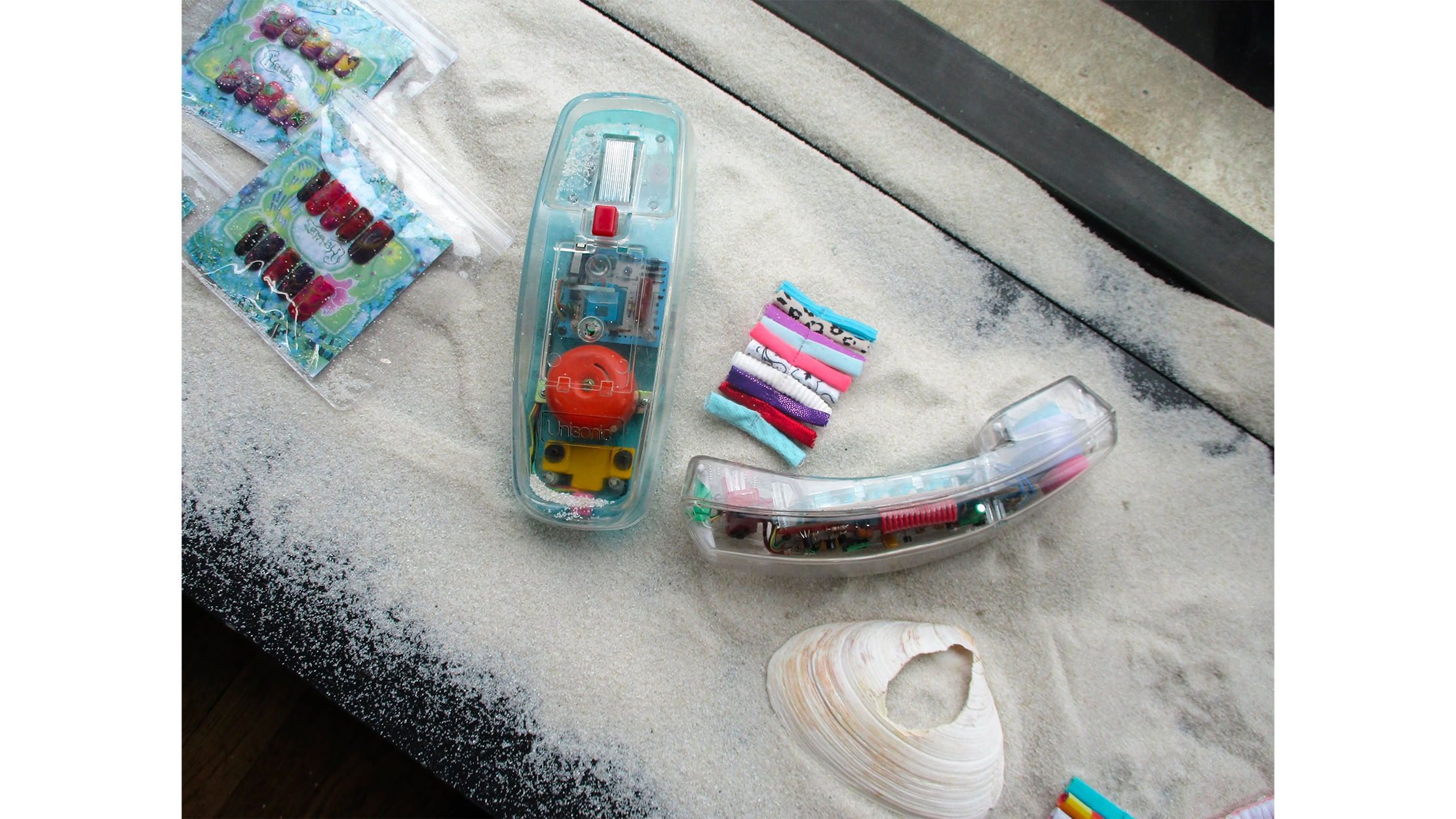
Press-on nails by M11 Online pictured next to a Rosina-Mae hair clip and vintage phone, photo by Julia Oh.
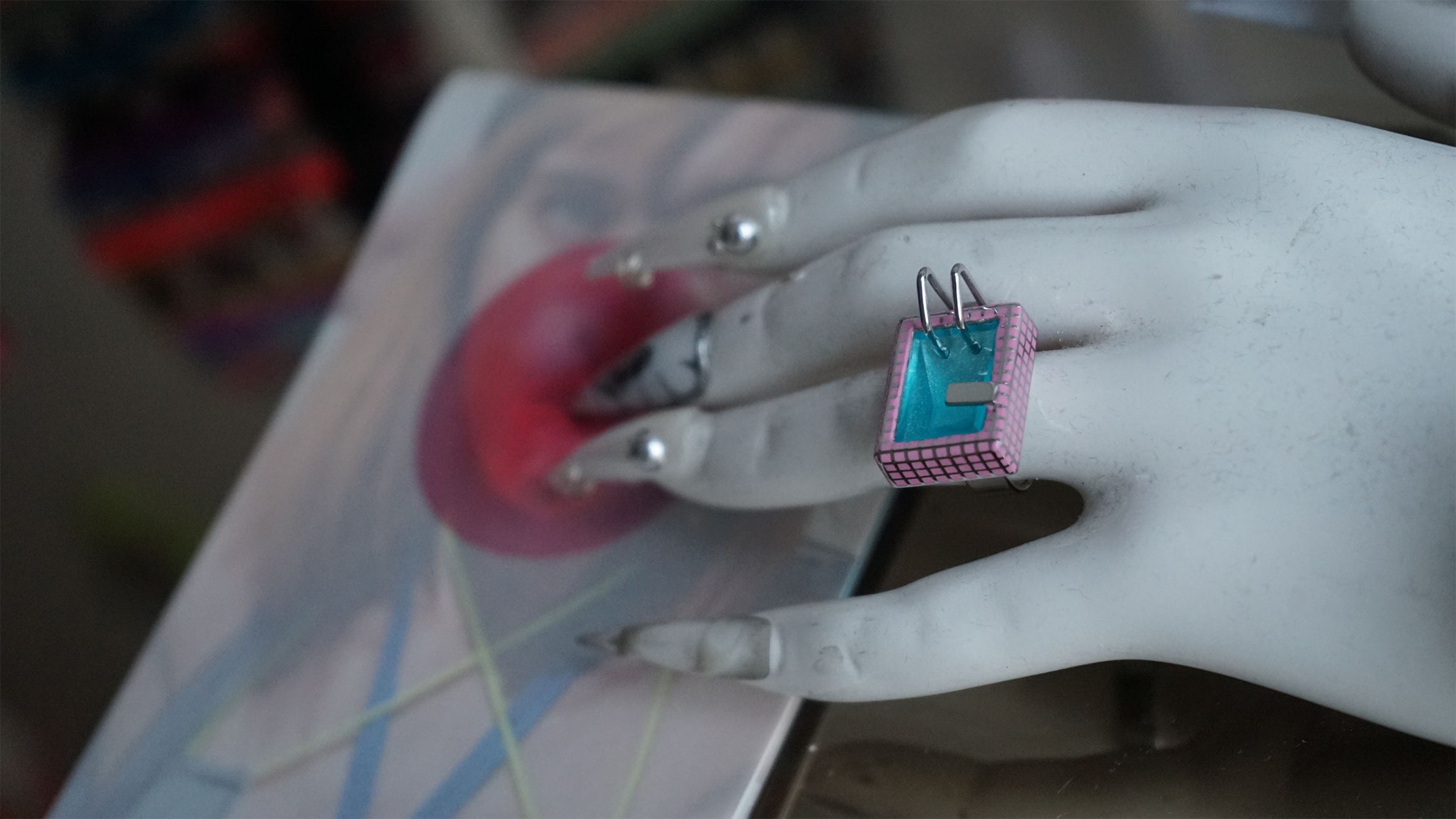
Studio Cult “Skinny Dip” ring featured on Rosina~Mae look-book from the archives, photo by Andre Hirschler.
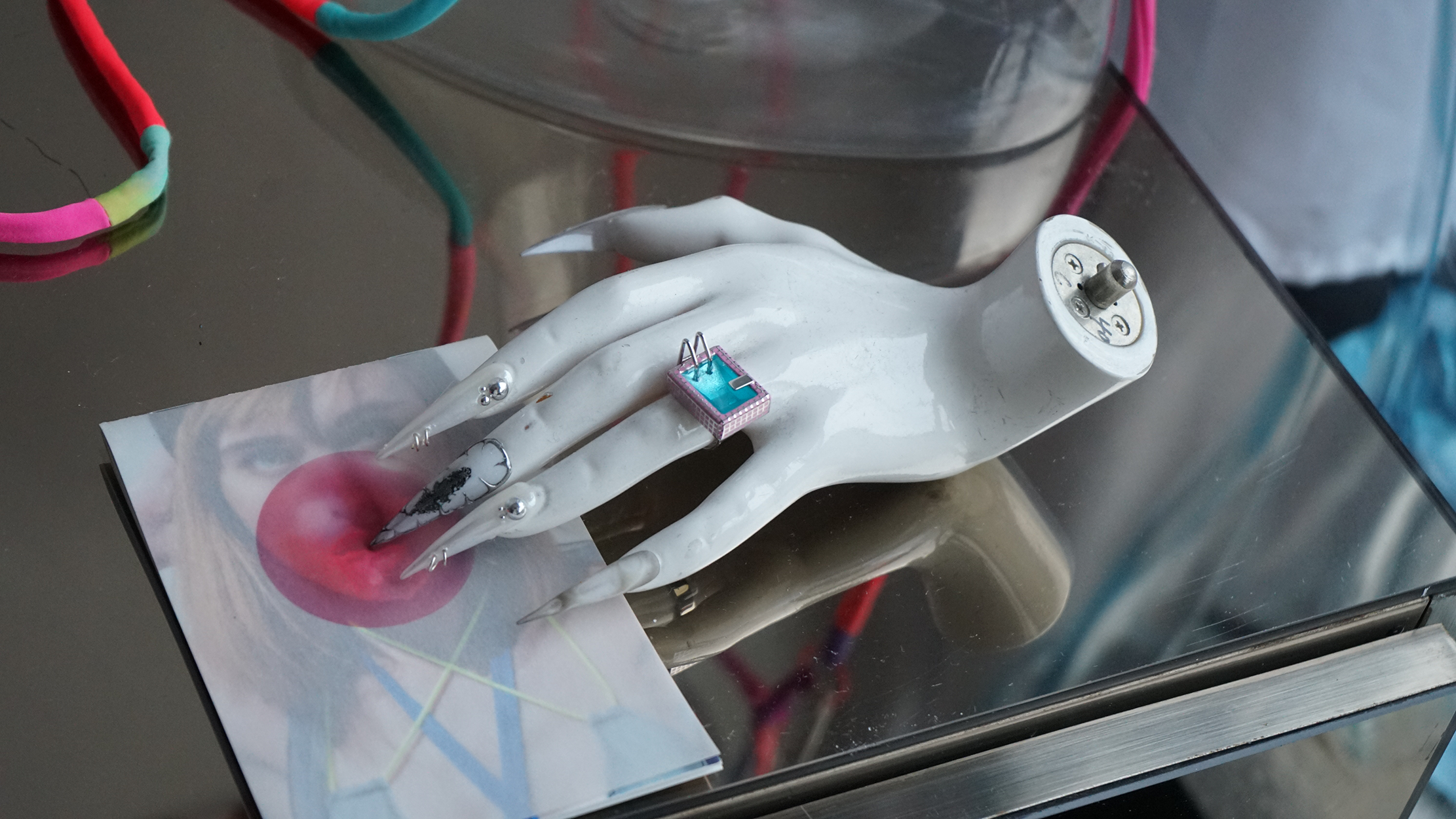
Studio Cult “Skinny Dip” ring featured on Rosina~Mae look-book from the archives, photo by Andre Hirschler.
When someone purchases one of your pieces, what relationship do you hope they develop with it compared to a conventional fashion purchase?
I really hope they look up the brand and my ethos, but also take care of the piece. We're so used to throwaway fashion, in our culture a lot of people don't shop with longevity in mind. I hope they're not buying my pieces because they see something that looks trendy. I personally don't try to design for the trends at hand, I always stay true to myself. I hope they're passed down; when someone is finished with the piece they give it to another friend, or repair it, and it stays in circulation.
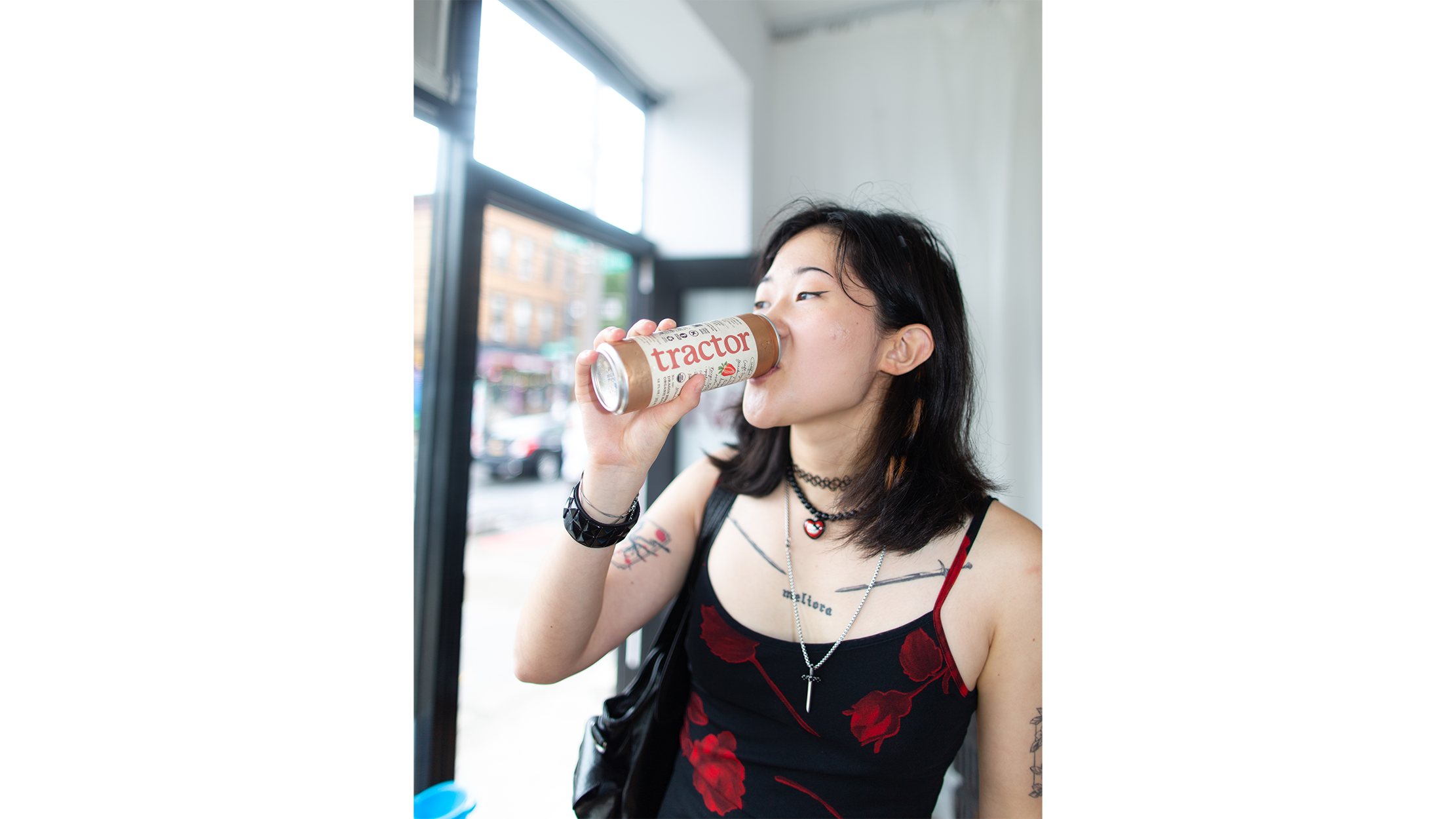
Attendee enjoying Tractor Organic drink.
Besides material sourcing, what other practices in the Rosina-Mae process strive to be eco-conscious?
I also try to only produce on-demand. If you notice, I do have some samples for sale, but for everybody else, they will have to wait a couple weeks and I can make it in their size. To me, this is how true slow fashion operates. There just aren't that many swimwear brands doing this. It's definitely a hard business model. That being said, I've mostly been approached by recording artists and people with an upcoming event, they are willing to pay ahead-of-time and wait for the piece. I also want to implement a "buy-back" program, where I buy back my own pieces from customers.
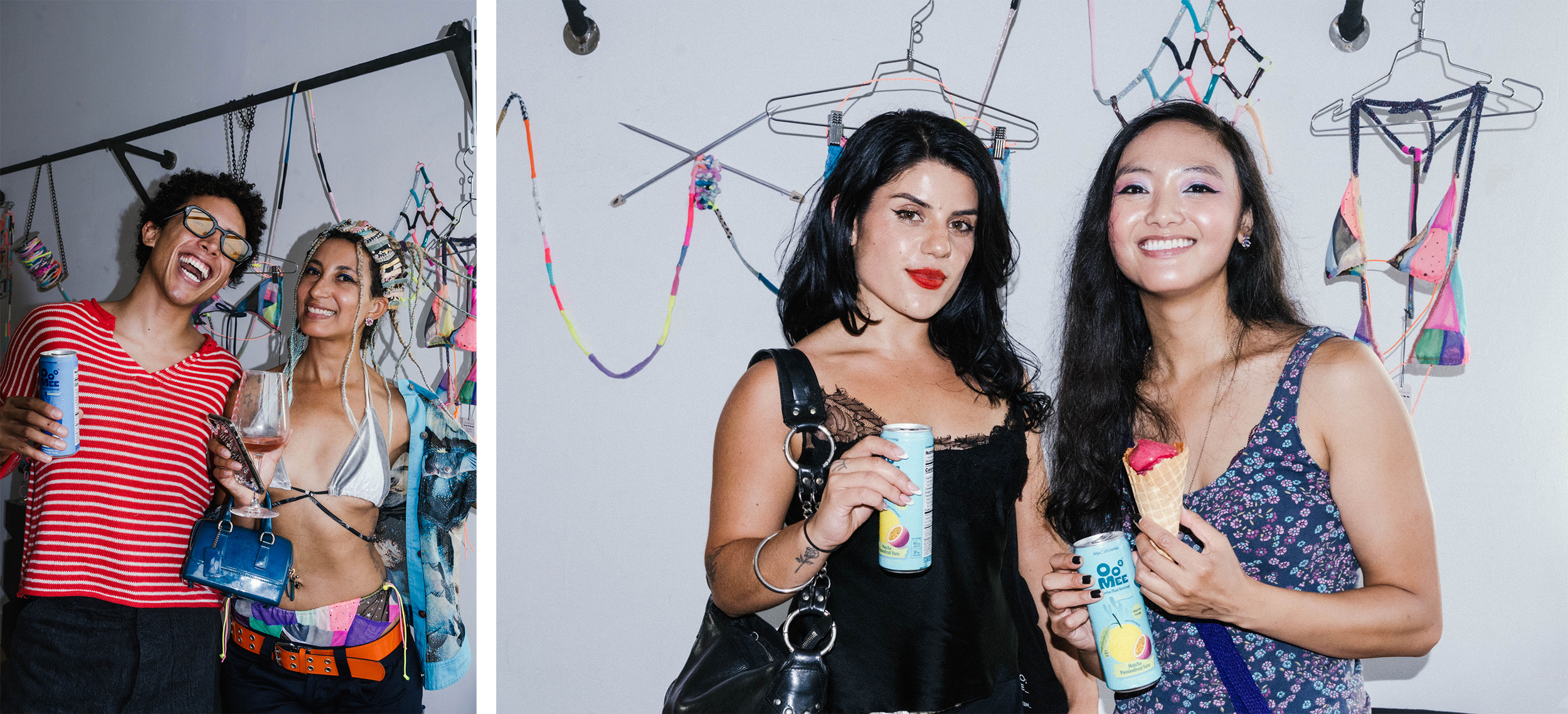
Rosie and sustainability advocates attend “Overheated” event.
In your Instagram posts you often feature a piece and then trace where you sourced every fabric in the feature. This is traceability rarely found in "sustainable fashion." What does traceability and accountability mean to your brand?
For me, it means always striving to do better each season. I'm not perfect, and no one is perfectly sustainable. I've been researching ways to recycle the smallest bits of material. I have also been exploring collaborating with recycling facilities such as Precious Plastic. It's a lengthy process which involves trial and error. I have materials from them around the space. What they do is instead of treating plastic like the enemy that it is (we know that plastic is always going to be here). They try to recycle the minuscule bits into something that won't go into the landfill, in an effort to avoid microplastics. I think that's interesting. I just always try to get a leg up and do something creative, but also make it cool. Creative. Sustainable. Tangible.
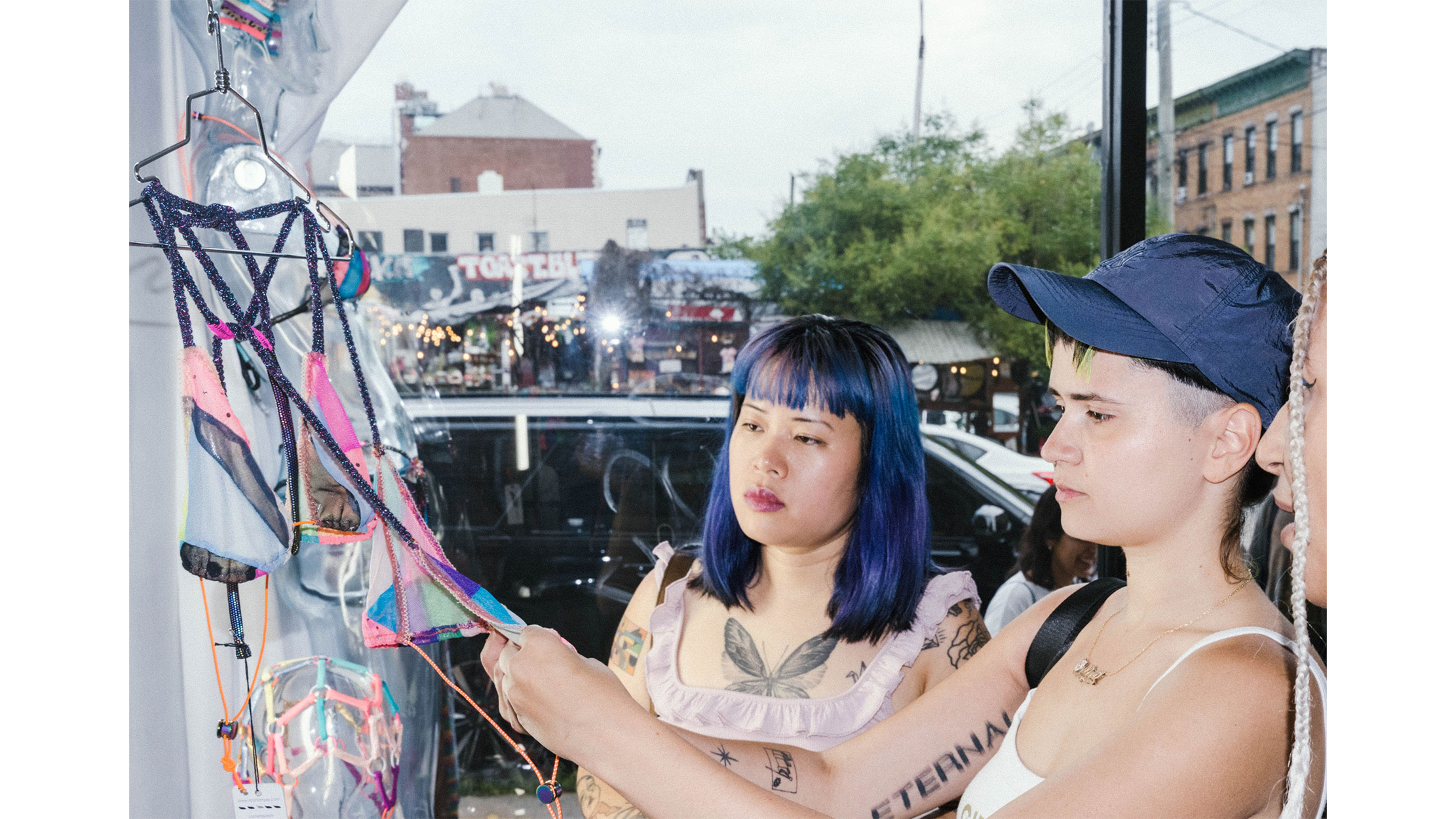
Guests admiring Rosina-Mae swimwear.
At this point Rosie introduced friend, Annie Lian, co-founder of Rüme and fashion designer. Annie also intertwines sustainability and design in her work, using eco-conscious practices to create unique and innovative fashion.
Annie was sporting one of Rosie's bikini tops as she explained the work of Rüme, "an atelier/studio on the weekdays and then on the weekends we host events, collaborations and pop-ups." Everyone that creates with the atelier supports slow consuming and mindful fashion. They launched three months ago, and have hosted around five or six events, setting the stage for a future of creative collaboration and change in sustainable creation.
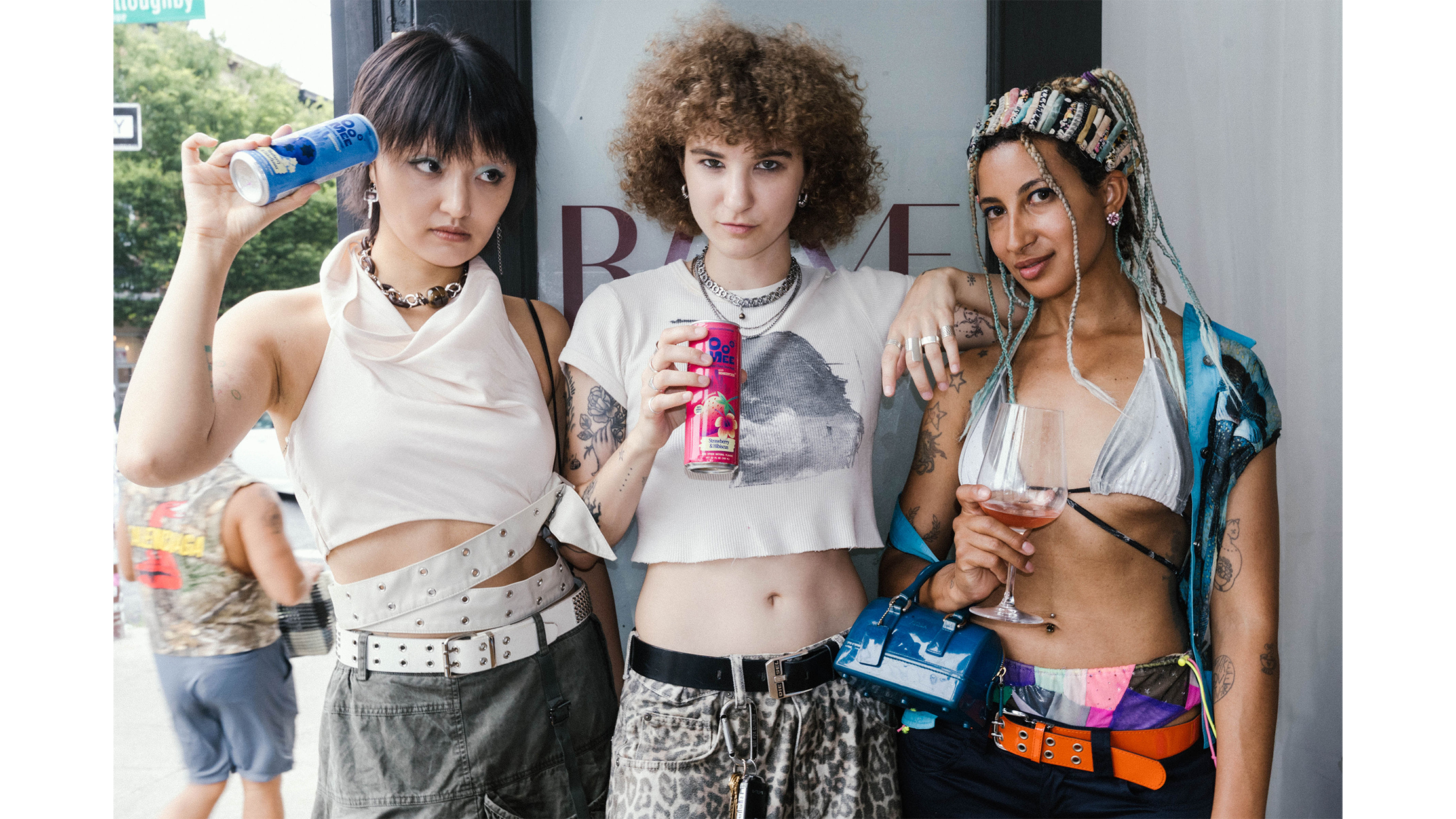
Rosie with attendees outside Rüme Atelier.
The event last month was the intersection of Rosie's success, Pride month celebration and industry progress in sustainability. Rosie Mae has been in NYC for 10 years, at the event she celebrated with a community of friends, activists and creators. Held on the Saturday of Pride Weekend, the event featured queer DJ's @elladotnet and @ritzdubz, turning the shopping experience into a color-soaked dance party. The designers approach to sustainable swimwear is a direct combatant to the global harm in textile waste—by reusing fabric scraps for high quality, trend-less styles (reducing future waste), the swimwear label sets an example of fashion's place in slowing waste. The Bushwick event brought together the future of inclusive, ambitious, sustainable fashion in the midst of a sweltering summer.
Article + Interview by Maya Merante, Contributor, PhotoBook Magazine
Tearsheets by Daniel López, Art Director, PhotoBook Magazine
Images courtesy of Andre Hirschler, Dani Van Winkle, David Grinage, Julia Oh and KIM
RELATED STORIES