Inside Bella Kay's Reckless Abandon
At just twenty years old, Bella Kay is introducing herself to the world with her debut album, My Reckless Abandon. Ahead of its release, PhotoBook Magazine attended an intimate first listen of the record, where Bella offered insight into the stories behind the music and reflected on the often-chaotic transition between adolescence and adulthood. The result is an album that feels both deeply personal and remarkably self-aware; a portrait of a young artist learning to make sense of herself in real time.

Photo by Samantha Monendo
Many listeners were first introduced to Bella through her breakout debut single, "iloveitiloveitiloveit," which quickly gained traction across social media. Opening with the striking lyric, "I like being used, it means I have a purpose," the track immediately establishes the emotional candor that has become one of Bella's defining qualities. It's a provocative line, but beneath its shock value lies something far more compelling: an uncomfortable honesty that many young people will recognize in themselves. Rather than presenting a polished version of her experiences, Bella leans into vulnerability, exposing insecurities, contradictions, and desires that are often left unsaid. That willingness to be emotionally transparent is what makes her music resonate so strongly.

Photo by Mehki Reese
Throughout My Reckless Abandon, Bella expands upon that vulnerability, exploring themes that are both intensely personal and culturally relevant. The album tackles subjects including racism, body image, self-worth, and disordered eating patterns with a level of directness that feels refreshing within today's singer-songwriter landscape. Rather than approaching these topics from a distance, Bella places herself at the center of them, allowing listeners to experience the confusion, pain, and growth alongside her. The album never feels as though it is attempting to provide definitive answers. Instead, it documents the process of healing and understanding which makes the record feel authentic.

Photo by Katia Temkin
Musically, the project is equally expansive. Bella cited a wide range of influences during the listening session, and those inspirations are woven throughout the album's sonic landscape. Elements of country, afro-punk, flamenco, folk, and alternative pop emerge across the tracklist, creating a sound that resists easy categorization. Rather than feeling fragmented, these influences coexist naturally, reflecting the complexity of Bella's own identity and artistic perspective. The genre-blending approach gives the album a sense of curiosity and freedom, as though Bella is less concerned with fitting into a specific lane and more interested in discovering where her voice can take her.

Photo by Hayley Gregerson
What ultimately makes My Reckless Abandon so compelling, however, is its central message. At its core, the album is about coming to terms with imperfection. During the listening session, Bella spoke about an earlier version of the record's ending that centered on the idea that because she was flawed, she somehow deserved the negative experiences she had endured. As she continued working on the project, that perspective shifted. The album's final moments now arrive at a different conclusion: being imperfect does not make someone unworthy of love, grace, or happiness. It is a realization that feels surprisingly profound for an artist so early in her career.
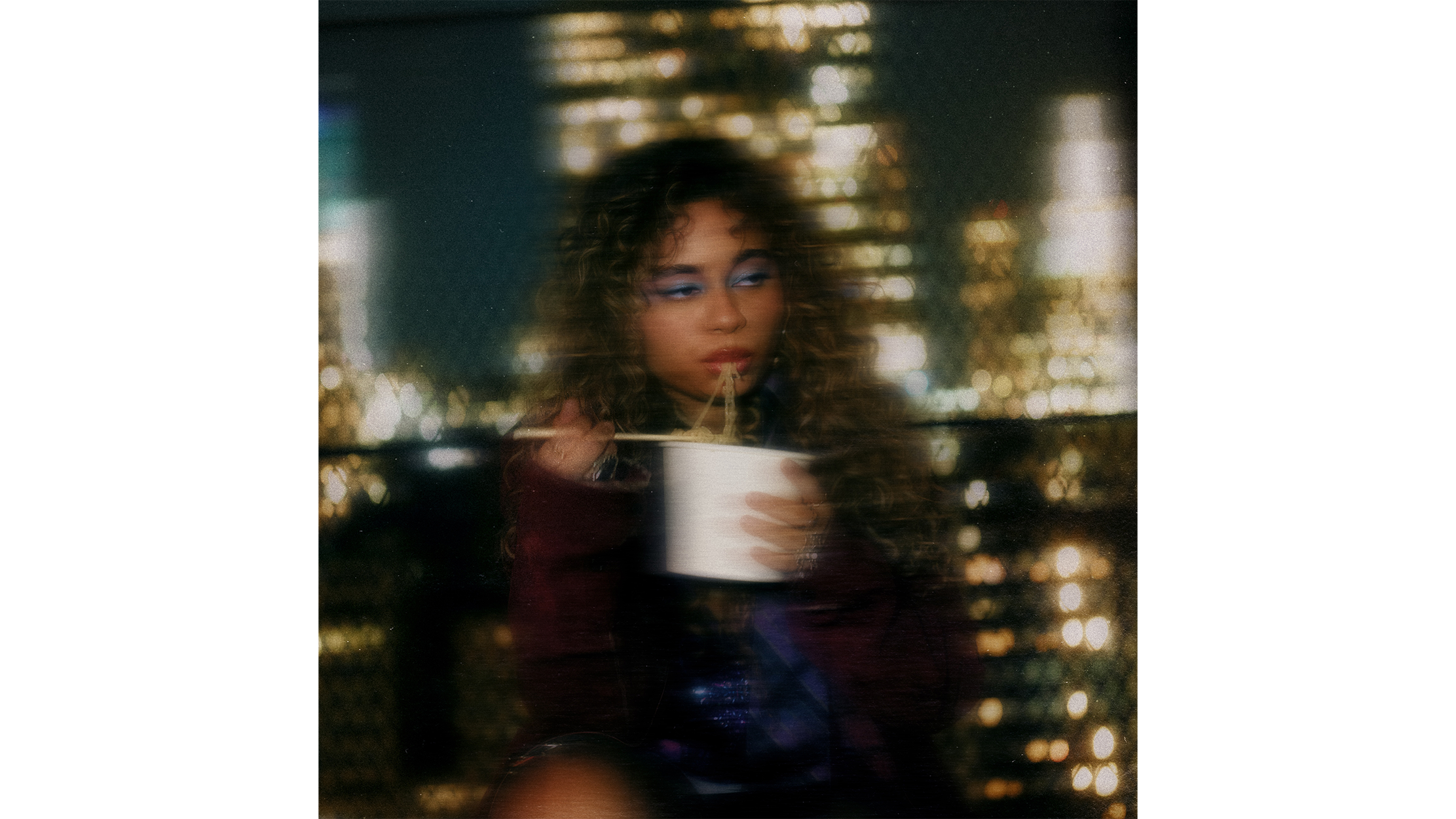
Bella Kay ‘Promise?’ single art
In an era where young artists are often expected to have everything figured out, Bella Kay's greatest strength may be her willingness to admit that she doesn't. My Reckless Abandon is not the sound of someone presenting a finished version of themselves; it is the sound of someone embracing uncertainty, confronting difficult truths, and choosing growth over self-destruction. In doing so, Bella has crafted a debut that is not only emotionally resonant, but one that suggests an artist with a rare sense of self-awareness and a promising future ahead.

Bella Kay ‘are you mad at me?’ Single Art
Article by Emma Green, Contributor, PhotoBook Magazine
Tearsheets by Daniel López, Art Director, PhotoBook Magazine
*Images Courtesy of Atlantic Records
RELATED STORIES