Fashion Policy Director for Humane World for Animals, PJ Smith Is Changing Fashion From the Inside Out
Humane World for Animals Director on luxury’s ethical awakening, the collapse of fur, and why the future of fashion may depend on innovation.
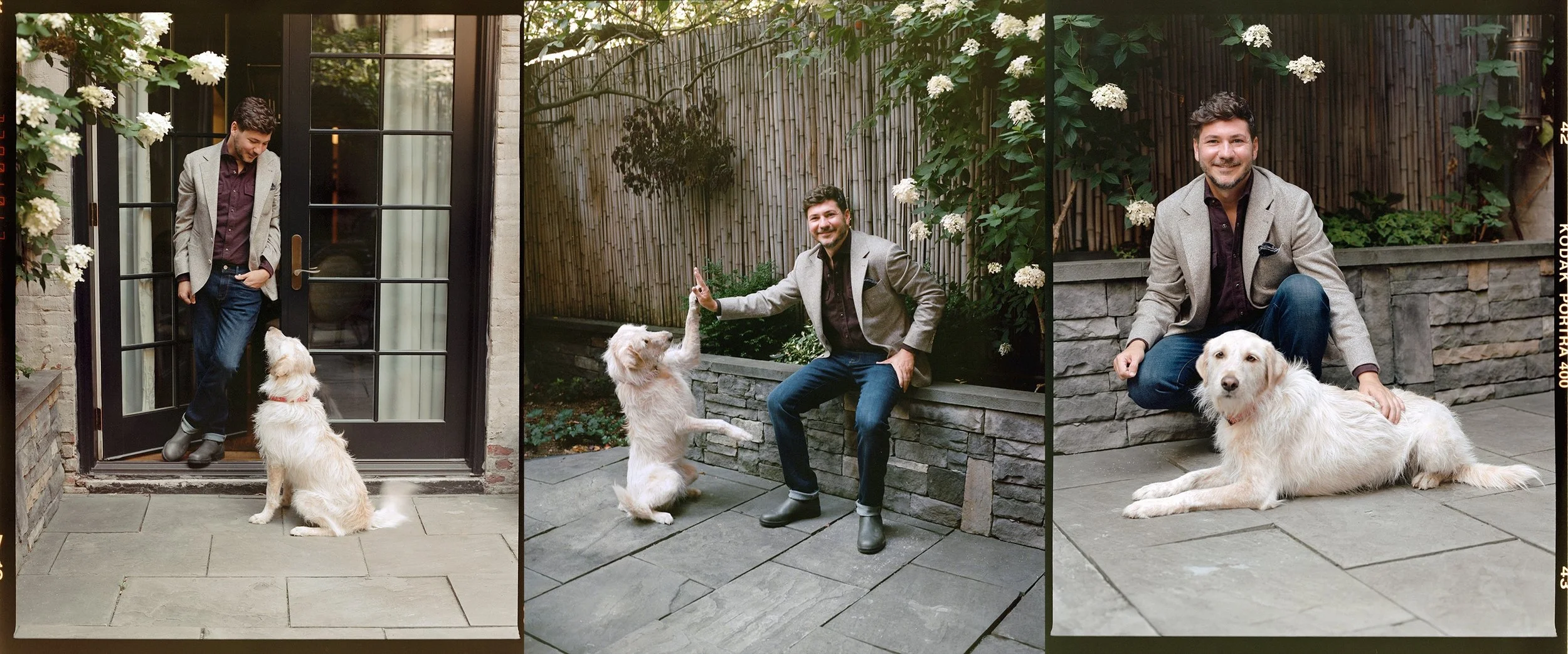
For years, luxury fashion sold aspiration through excess from exotic skins, fur coats, and exclusivity at any cost. But behind the scenes, PJ Smith has spent more than a decade helping dismantle that system from within. As the Fashion Policy Director for Humane World for Animals, PJ has worked with the world’s top fashion companies—including Vogue, Gucci, Prada, Chanel and Neiman Marcus—to set policies that have reformed supply chains and revolutionized the way the fashion industry views animal welfare. He recently worked with the CFDA and CNMI to move both New York Fashion Week and Milan Fashion Week away from promoting fur on runways. In 2010, PJ helped pass the federal Truth in Fur Labeling Act, which ensures clear and proper labeling for all fur products sold in the U.S., and in 2019, he was instrumental in California becoming the first state to ban new fur sales. He resides in Austin, Texas with his dog Franny.
The result has been one of the most significant shifts the luxury industry has seen in decades. Fur-free policies have become the norm rather than the exception, legislation continues expanding globally, and younger consumers are increasingly demanding transparency from the brands they support. Yet for Smith, the work is far from over. As conversations around sustainability evolve beyond performative marketing and into real structural change, fashion is being forced to ask bigger questions: What does luxury actually mean now? Can innovation replace exploitation? And is the industry truly ready to align aesthetics with ethics?
In conversation with PhotoBook, Smith reflects on navigating boardrooms and activism simultaneously, the rise of bio-based materials, the cultural power of Gen Z consumers, and why fashion’s next revolution may already be underway.
You’ve helped redefine what “luxury” means in fashion—moving it away from tradition and toward ethics. Do you think the industry has fully embraced that shift, or are we still performing sustainability rather than living it?
The industry is moving decisively in the right direction because sustainability-minded consumers want to know for certain that their products are good for humans, animals and the planet. These are not performative gestures. Still, without clear alignment with public sentiment and emerging legal standards, brands sometimes struggle with how best to implement policies that create better supply chains and products and communicate that progress to all customers. That has resulted in a hodgepodge of different approaches, and it can be confusing to consumers, who are increasingly skeptical of greenwashing. Broader industry adoption will likely require both supportive policy frameworks and brand leadership. Brands that make sustainable choices more accessible and practical for consumers will be better positioned for long-term success.
Much of your work happens behind closed doors, in conversations with executives. What does persuasion actually look like at that level, what argument finally makes a brand change its mind?
When I first started in this role over 15 years ago, I thought decision-makers just needed to see for themselves the animal cruelty that existed in their own supply chains and then they would ultimately make the right decision. But it quickly became clear that the bottom line mattered more. A product like animal fur usually represented less than 1% of sales, but brands thought they needed to offer it to be considered “luxury.” What ultimately changed their minds was when brands started asking customers what they cared about. Animal welfare nearly always topped the list, and with each new generation, it has acquired greater importance for people when buying apparel, even luxury products. It became clear to decision makers that by simply taking a stand against something like fur, they were reaching a consumer with long-term sales potential.
As more brands go fur-free, the conversation is expanding to leather, exotic skins, and even wool. Where do you personally draw the next line in fashion’s relationship with animals?
As a general notion, once we start considering these issues through the lens of concern for animals, we’re going to come up against new situations where values and ethics inevitably lead us to look at other practices and elements in these corporate business models. When companies started going fur-free, it was often the first time they had considered the status and treatment of animals in their supply chains. They started building out their animal welfare policies from there. Then the discussion turned to consistency with messaging and assessing risk. And this leads to more reflection and also to more decision-making challenges. If you’re uncomfortable with the cruelty behind wild animals being caged or wild-caught solely for fur fashion, at some point you come to see that exotic skins and feathers would also fall under that category. For an increasing number of people, the focus has also begun to shift from wild animals solely killed for fashion to domesticated animals killed for meat and their skin, hair or feathers as a secondary co-product. Animal cruelty is quite prevalent in those supply chains, but for now it is the high environmental impact of those materials that tends to be the focus. There will always be a high risk of animal cruelty in the mass production of something that comes from an animal, and animal-derived products also tend to have the highest environmental impacts. For me, it’s important that I do my best not to support either of those things. So, short of not buying anything new at all, I tend to geek out on material innovation and purchase animal- and plastic-free products. I promise you that it will get easier and easier to find these products in the foreseeable future.
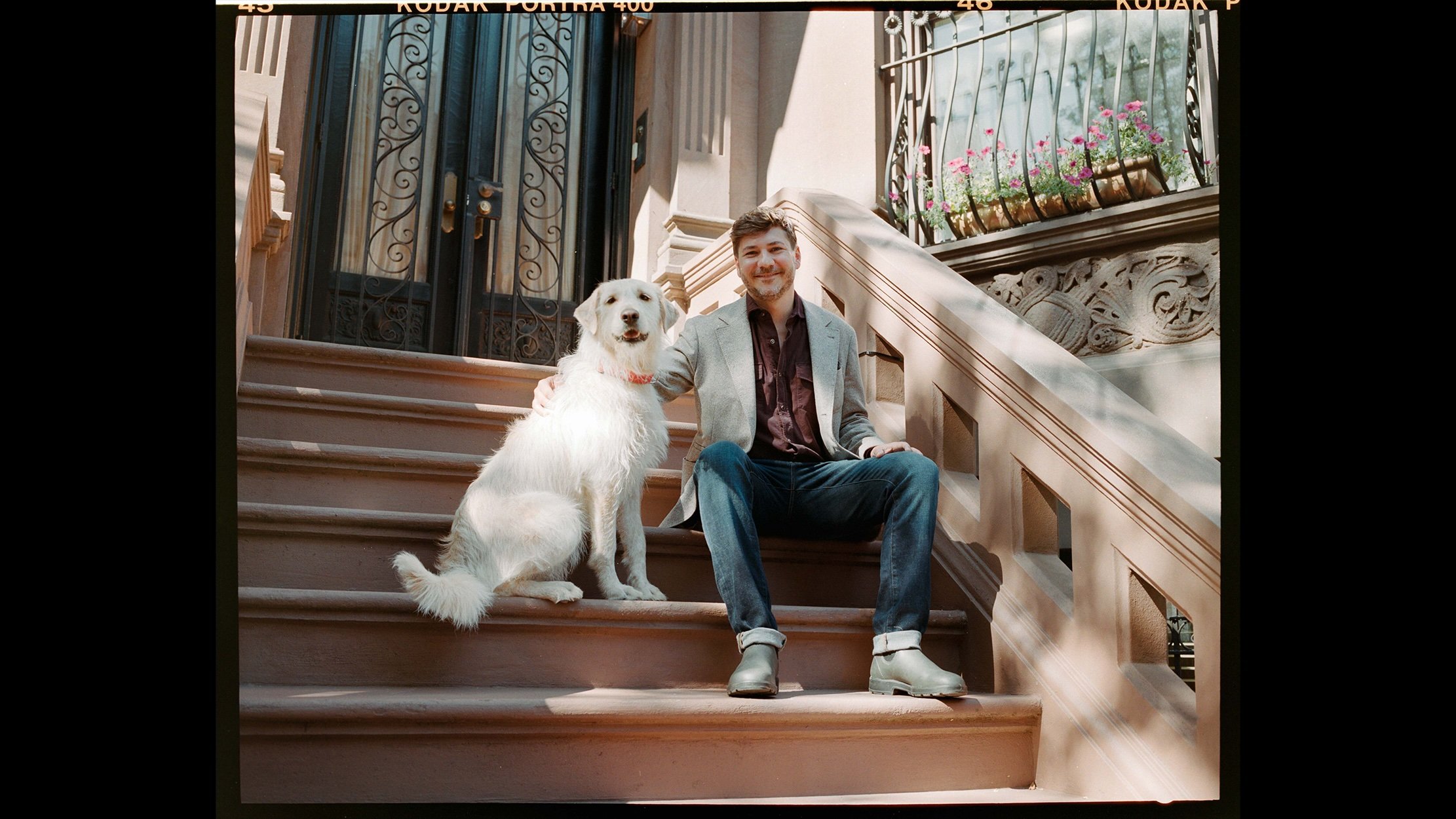
Photo Credit: Anna Ottum
You often sit at the intersection of activism and industry: two worlds that don’t always trust each other. How do you navigate that tension without losing credibility on either side?
I like to say I’m a guy who knows a lot about fashion but isn’t fashionable. I also had an activist-minded mother who raised me to prioritize empathy for all. I’ve been lucky enough to work for an organization that cares about finding solutions that leave every party involved better off and has given me resources and a platform to make significant progress for animals within the fashion industry. Beyond that, being authentic and learning to become a better listener has helped me understand these complex issues in all their facets and just as importantly, to build trust. I love finding solutions through policies that are good for business and animals. Of course, there’s resistance in some cases, and yet I’ve found that the underlying trust and commitment to speak with candor makes it possible to secure positive outcomes.
We’re seeing a surge in biofabrication and lab-grown materials. Do you view innovation as the ultimate solution, or is there a risk of replacing one problem with another?
When companies started shifting away from animal fur, the fur trade stopped trying to convince consumers that caging and killing wildlife could be done humanely. Instead, its spokespeople focused on the environmental impact of synthetic faux fur without even mentioning the huge environmental toll behind the fur trade. The leather industry often does this as well, conveniently forgetting to mention, for example, that most leather is coated in plastic. Consumers then wrongly feel like they’re having to choose between the lesser of two evils. But in reality, there is a third option, one that doesn’t involve animal cruelty or plastic. That option is a result of the innovation happening now with bio-based materials, like cashmere made from soybeans, fur made from corn and leather made from grain proteins. Scaling that innovation to meet global demand is the next great challenge, but if we truly want a cleaner, more humane fashion industry, I believe it’s the only way forward.
Looking back, was there a single moment—a meeting, a campaign, a turning point—when you realized the fashion industry might actually be capable of systemic change?
In 2017, Gucci’s CEO Marco Bizzarri announced that the brand, then at the height of its popularity under creative director Alessandro Michele, was going fur-free. Bizzarri called fur “not modern,” and stated plainly that if the brand wanted to retain top creative talent, it had to align its fundamental policies with evolving consumer values. I was lucky enough to work with the brand behind the scenes and see the positive response its policy changes received. It was game-changing. What I didn’t realize would happen was the true power of the bandwagon effect. Suddenly, brands and retailers from around the world were reaching out for support in making similar fur-free declarations. You can easily make the connection from Gucci’s announcement to California phasing out new fur sales two years later. Now, the fur industry is collapsing with the number of animals killed solely for fur declining 85% in the last decade. The work isn’t done, but with the policies put into place, whether that involves corporate social responsibility or legal enactments by cities, states or countries banning or limiting fur farming, sales or imports, it’s clear that fur will never reemerge as an acceptable trend.
The next generation of consumers is deeply values-driven, but also trend-obsessed. How do you think Gen Z will reshape the ethics–aesthetics balance in fashion?
When the mob wife trend surfaced last year, I was a tad nervous about how a bunch of Tik Tok videos flaunting big furs (mostly faux or vintage) might undermine the progress we had made on the issue. My immediate reaction, aided by media requests for comments, was to write op-eds, blogs and social media posts in response to the trend. But sometimes you need to remember to pause and realize that perhaps the best thing you can do is not add fuel to the fire. Within a month or two, the mob wife trend had mostly died out. Naturally, though, there will be other trends like it. Right now, the fur “look” remains popular, and fashion media can no longer tell the difference between faux, shearling, vintage or new fur. It’s all being grouped together as “fur,” which could perpetuate the overall enthusiasm for and lead to future new fur sales if we’re not vigilant. With the fur industry collapsing and coming undone, we understood we were going to have a transitional period like this. I am optimistic right now, with some confidence that as used fur slowly falls out of the marketplace, bio-based faux fur will become the standard, and the first choice of consumers seeking the aesthetic, and that no one will be able to tell the difference.
You’ve worked with some of the most powerful luxury houses in the world. What surprised you most about how these legacy brands respond to pressure, are they more adaptable than we assume?
One thing that struck me was the importance of recognizing who has actual decision-making power within the company and how different that is from country to country. For instance, fashion houses in the UK were light years ahead on ethical fashion, primarily because their sustainability teams were robust and had the ear of their CEOs. On the fur issue, it didn’t hurt that the UK was the first country to ban fur production, so they knew where consumers stood. Other fashion hubs, like Milan, tend to view best business practices through an environmental lens, and in New York City, brands seem to care more about the bottom line. We’ve learned that we can make the case for animal welfare no matter what the company cares about or where it is located. The other thing that stands out is the importance of open dialogue. Some companies prefer to ignore issues, hoping that they will miraculously go away, but it rarely ends that way, and the company looks bad in the process. Ultimately, we’ve been successful in characterizing that initial resistance as a missed opportunity, and our willingness to maintain open dialogue with executive leaders has made it possible for them to perceive the value of getting ahead of an issue that consumers clearly care about and to do well by acting to address consumer concerns.
There’s often a disconnect between policy wins and public awareness. How do you translate legislative or supply chain victories into something that actually resonates culturally?
In my experience, corporate and public policy changes work together to move the needle, and they both shape and are shaped by growing public awareness. Initially, when countries started passing legislation banning fur farming, fur farmers would simply move to another country since the demand for fur products was still there. But when companies started going fur-free, it led to cities, states and countries eventually phasing out fur sales, which had a clear impact on the demand for those products. Companies taking a stand on fur made it clear that the product was no longer fashionable, and it also reduced opposition to fur legislation since companies were no longer objecting. Ultimately, you’re left with a gap in the marketplace that can be filled by innovation, which is why we’re seeing multiple bio-fur startups scale quickly to fill that gap; interestingly, that innovation isn’t just cleaning up the fashion industry but the plush toy industry —and its environmental impact—as well. Consumer awareness led to changes in corporate policy, which led to legislation and finally material innovation. There’s a complex interplay between these forces and that’s a subject of intense fascination for me.
After more than a decade of pushing the industry forward, what still feels unresolved to you and what would a truly “animal-free” fashion system look like in practice?
Progress is continuous and perpetual, and it’s important to recognize that the impact we’ve made on animal welfare in fashion is part of an extended process that was unfolding long before I started working on the issue and will continue long after I’m gone. It’s exciting to know that the next generations of consumers will be more aware of their impact on animals and the planet. I believe that sentiment will only grow, which means plastic- and animal-free material innovation will follow a similar trajectory. That’s a win for everyone!
PJ Smith, Director of Fashion Policy for Humane World for Animals
Social Handles: @pjsmith1206 @humaneworld
Tearsheets by Daniel López, Art Director, PhotoBook Magazine
Interview by Emi Stolovas, Contributor, PhotoBook Magazine
*Images courtesy of PJ Smith
RELATED STORIES