The Art of Inheritance: Inside Barbara Pearlman and Alexander Yulish’s HOMUNCULUS
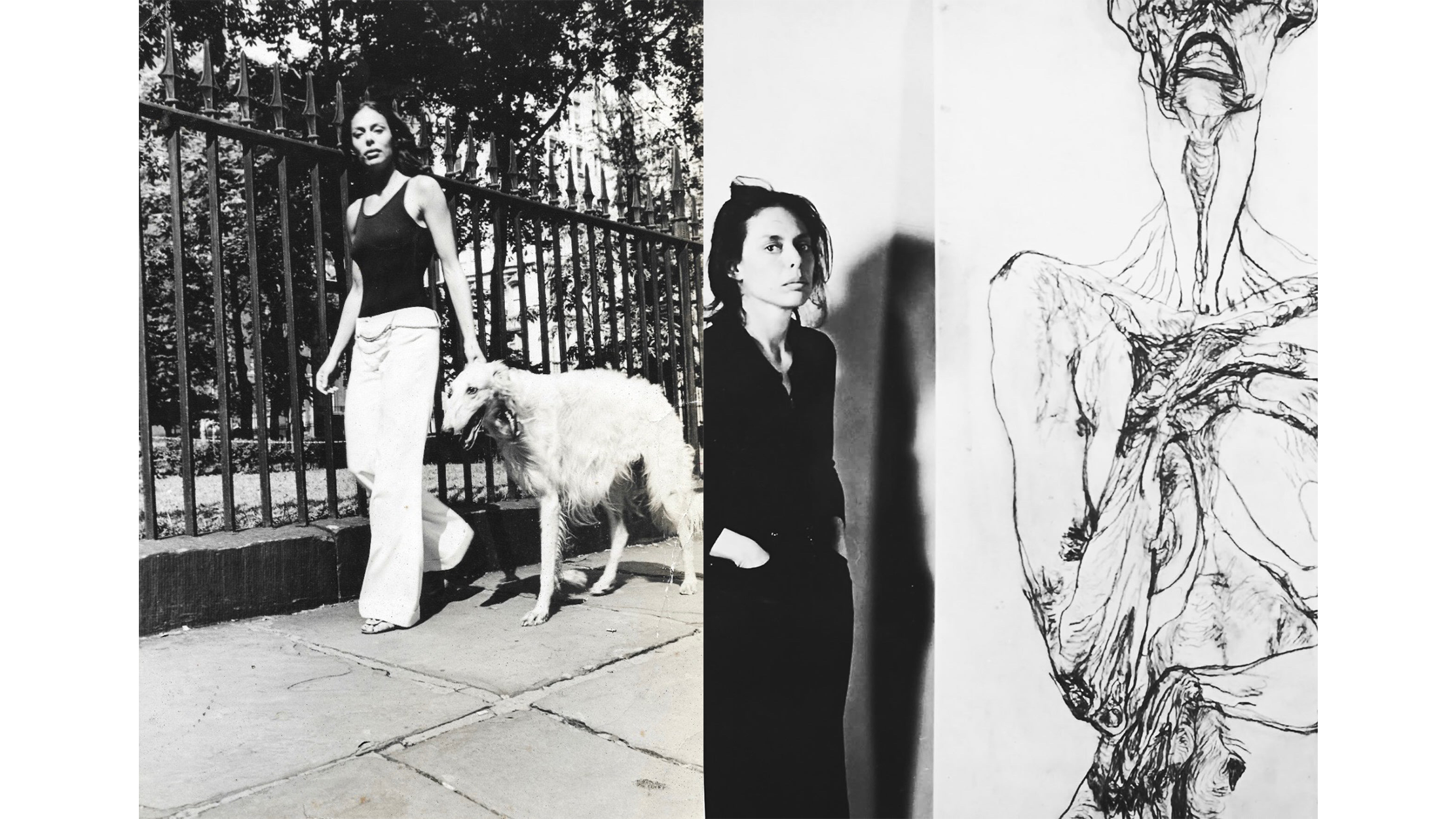
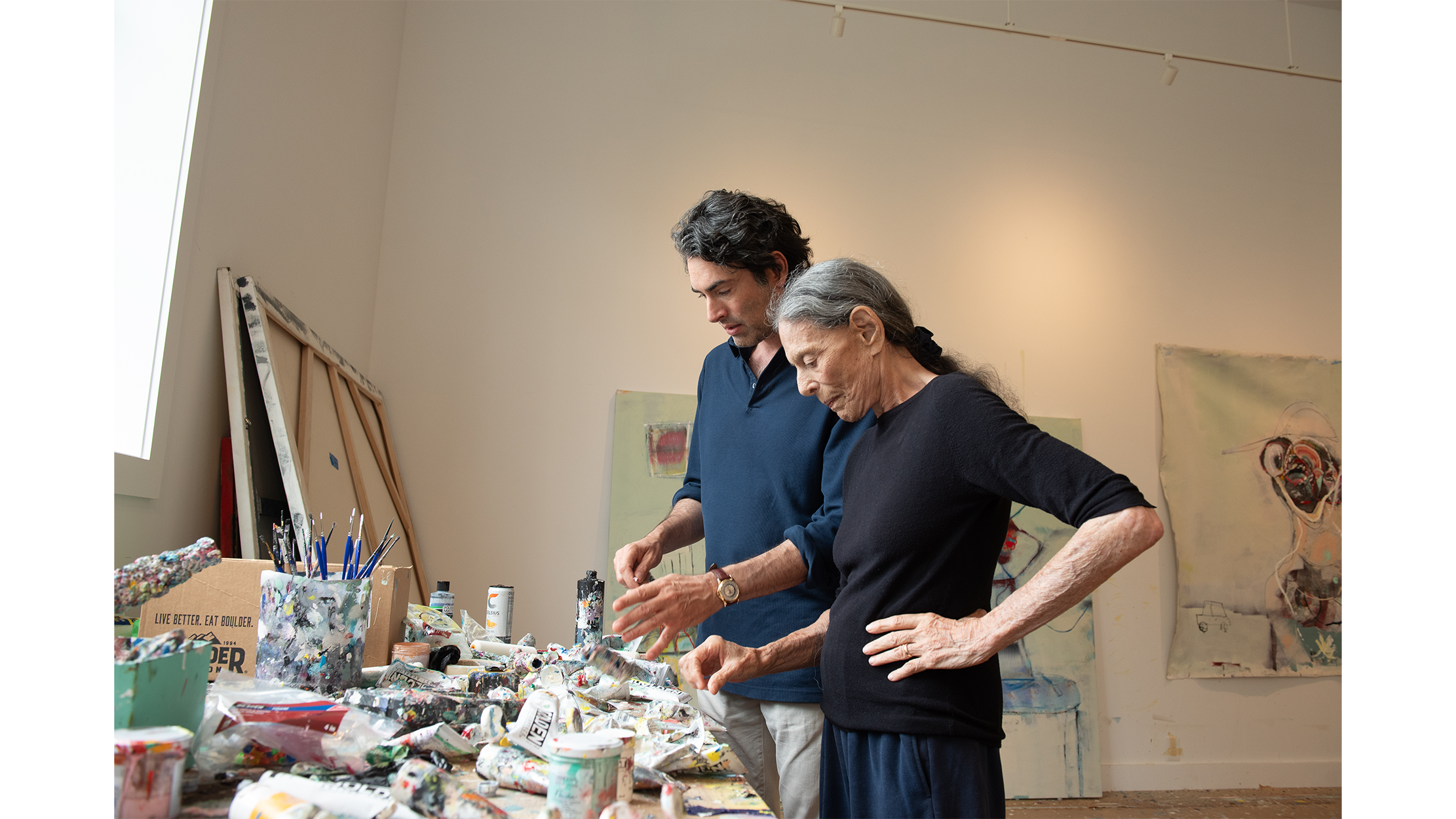
The body has long served as a canvas for the things words cannot quite capture: memory, desire, identity, and the shifting boundaries between the physical self and the mind. In HOMUNCULUS: Psychology of the Body, artists Barbara Pearlman and Alexander Yulish approach the human form as something far more complex than anatomy, using drawing, sculpture, and painting to explore the psychological landscapes that exist beneath the surface. Opening October 10 at Edition Gallery in New York’s Hudson Valley, the exhibition brings together two distinct artistic practices connected by an unexpected thread: Pearlman and Yulish are mother and son.
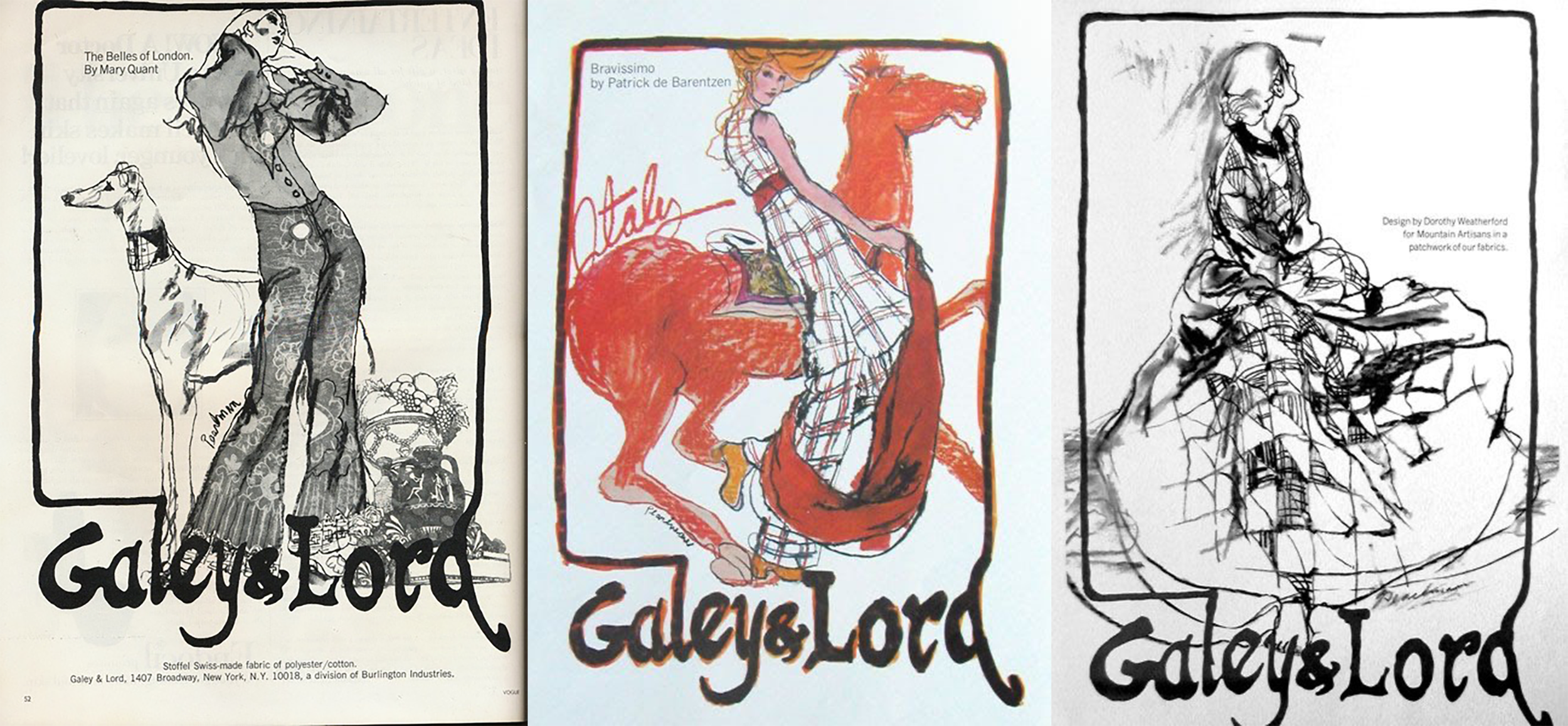
Spanning nearly six decades of Pearlman’s work, HOMUNCULUS offers a rare opportunity to encounter an artist whose creative life moved from the highly stylized world of fashion illustration into a deeply personal exploration of the human psyche. After beginning her career with Neiman Marcus, Pearlman moved to Paris, where she illustrated for publications including Paris Vogue, Harper’s Bazaar, Marie Claire, Jardin des Modes, and Elle, while also working with clients such as Dior. Her illustrations placed her within the visual language of fashion at a time when the industry was shaping how women were represented, perceived, and understood. Yet, beginning in the late 1970s, Pearlman increasingly turned away from commercial work, developing an independent fine-art practice that would continue for decades. Through thousands of drawings and sculptures, she transformed the body into something fluid and unfamiliar, stretching, fragmenting, and multiplying its forms to investigate sexuality, identity, and the complexities of interior life. Much of this work has remained unseen, making the exhibition an especially significant moment of rediscovery.
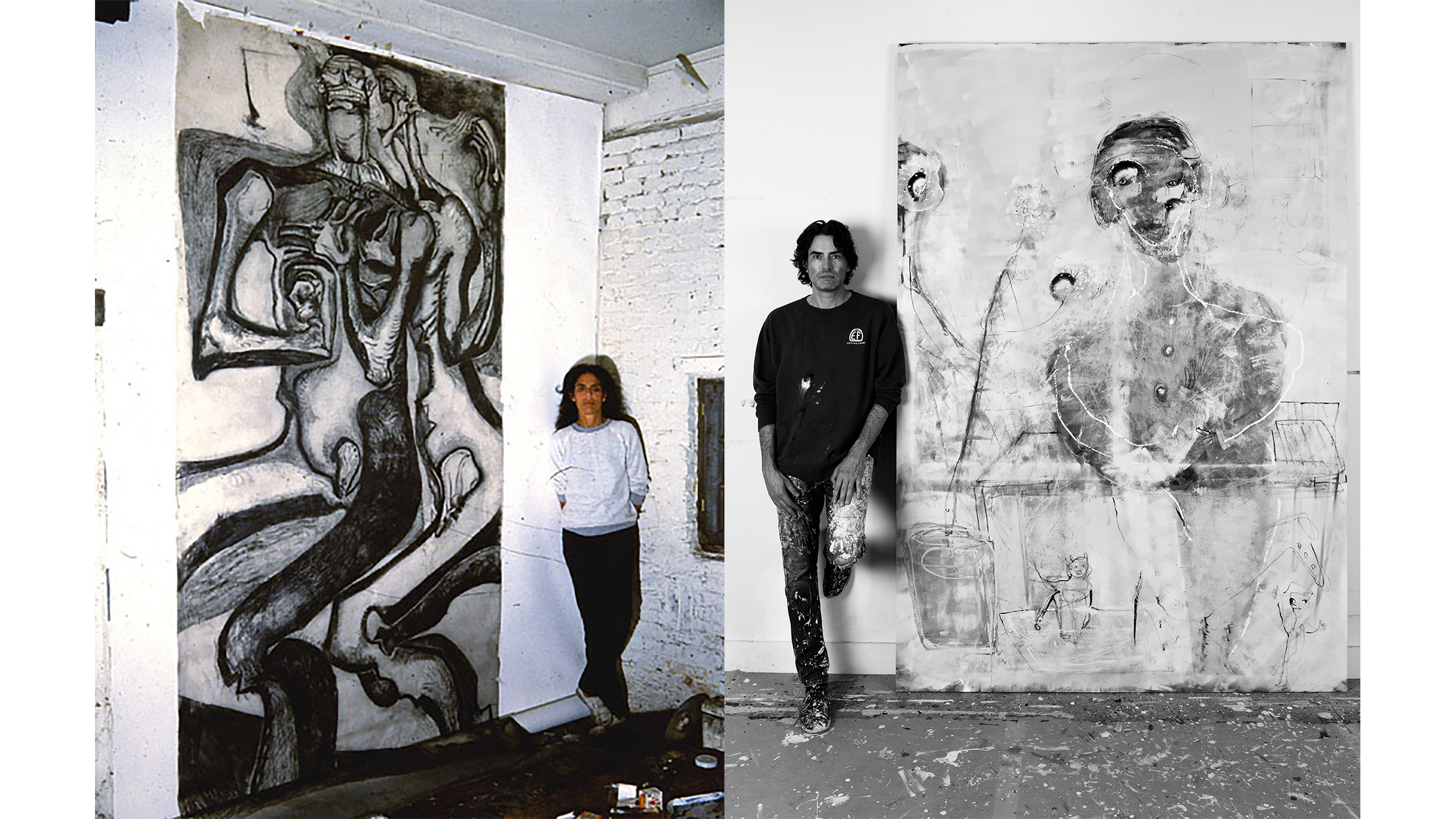
Yulish’s practice arrives at similar questions through a different visual language. Born in New York in 1975, he spent his early years in the creative environment of his mother’s studio before beginning his own career in fashion and eventually turning to painting. Working primarily on a large scale, he builds images through layers of acrylic, gestural lines, and fields of color, allowing faces and figures to emerge from abstraction before dissolving back into it. His paintings resist fixed interpretations of the human form, reflecting the instability of memory, the fragmentation of identity, and the often contradictory nature of emotion. Rather than presenting the body as a static subject, Yulish treats it as something continually forming and reforming, shaped by experiences that cannot always be seen or explained.
What makes HOMUNCULUS particularly compelling is that the relationship between these two bodies of work was never formally constructed. Pearlman and Yulish developed their practices independently, across different generations and through different mediums, yet their works reveal a striking shared interest in the body as a site of psychological experience. The exhibition’s title, derived from the Latin word for “little human,” references a concept that has appeared across alchemy, philosophy, psychology, and neuroscience: the idea of a human being contained within the human being. Here, it becomes a way of considering the internal worlds carried within the physical self, as well as the histories and experiences that shape who we become.
There is also something significant in the act of bringing Pearlman’s largely unseen work into public view. Her career began within the commercial structures of fashion illustration, but her later practice moved beyond the expectations of that world into an expansive, personal investigation of the body and mind. Presented alongside Yulish’s paintings, her work becomes part of a broader conversation about artistic inheritance, creative independence, and the ways a woman’s lifetime of work can remain overlooked even as its influence continues to resonate. HOMUNCULUS does not suggest a simple line of influence between mother and son. Instead, it makes space for the more elusive connections that emerge through shared environments, lived experiences, and the creative instincts that develop long before they can be consciously understood.
Located on more than 200 acres in Hyde Park, New York, in the heart of the Hudson Valley, Edition Farm is a historic equestrian property entering a new chapter as a destination for art, design, and cultural gatherings. After four decades as a boarding and breeding facility for champion racehorses, the property has been reimagined as a versatile retreat for exhibitions, creative programming, private events, and overnight stays. Its expansive grounds and blend of rural character with contemporary design provide a distinctive setting for artistic exchange beyond the traditional gallery environment. Through its evolving programming, Edition Farm brings together culture, hospitality, and community, creating space for artists and audiences to connect in a landscape removed from the pace of the city.
Instagram: @kristina_oneal @avroko
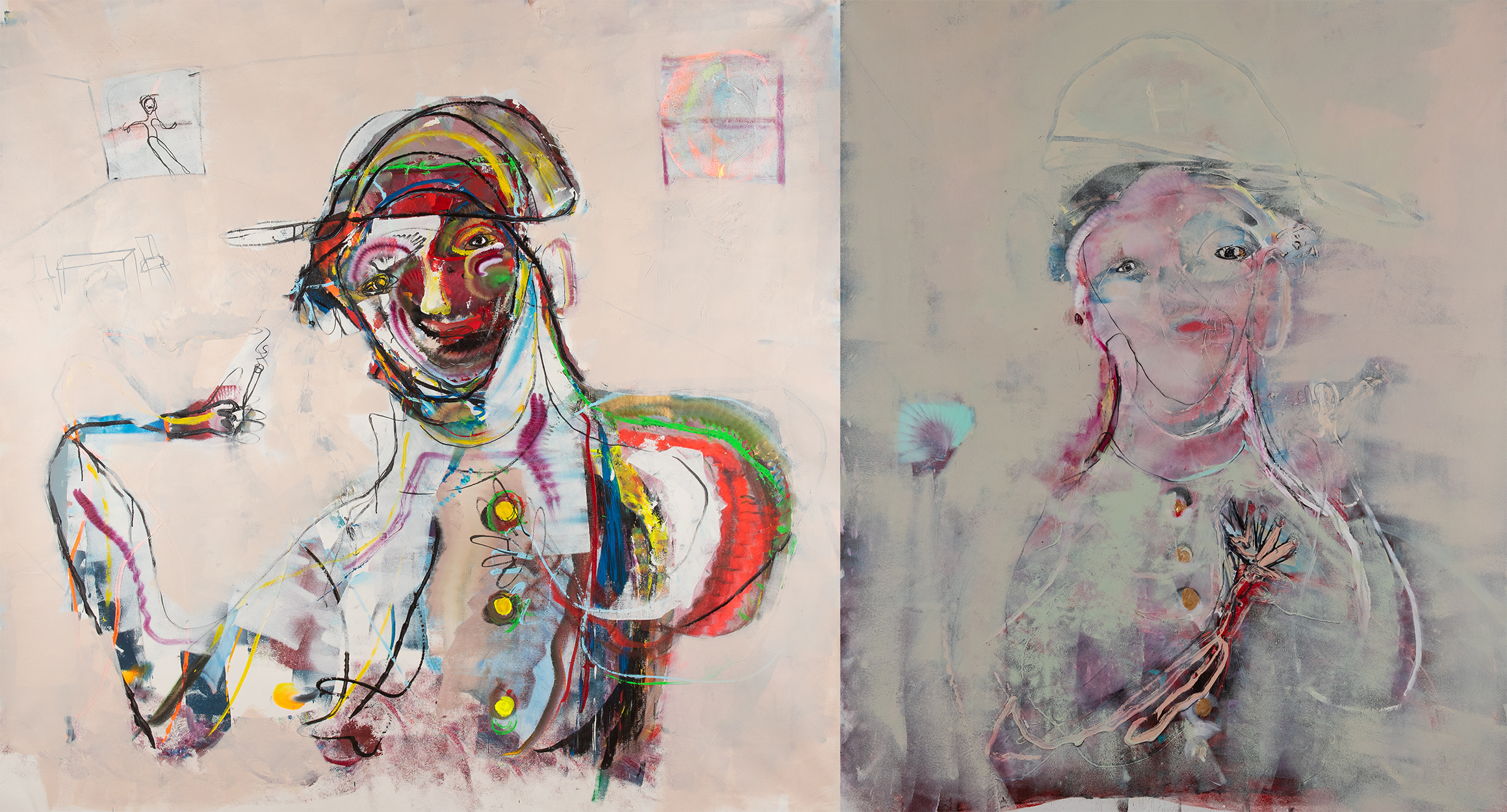
At its core, HOMUNCULUS: Psychology of the Body asks what it means to inhabit a body that carries more than its visible form. Through Pearlman’s transformed anatomies and Yulish’s shifting figures, the exhibition considers how the mind shapes the body, how the body preserves memory, and how creative legacies can move between generations without ever being explicitly passed down. On view at Edition Gallery through December 10, 2026, the exhibition offers a meeting of two artists whose work suggests that understanding the human form requires looking beyond its surface and into the complicated, often unknowable worlds within.
Website: alexanderyulishart.com
Instagram: @alexanderyulish
Article by Emma Green, Assistant to Editor-In-Chief, PhotoBook Magazine
Tearsheets by Daniel Lopez, Art Director, PhotoBook Magazine
*Images Courtesy of Avroko
RELATED STORIES