The Art of Effortless Glamour
Isaac Manevitz reimagines Riviera elegance for a new era with Ben-Amun's Monte Carlo collection
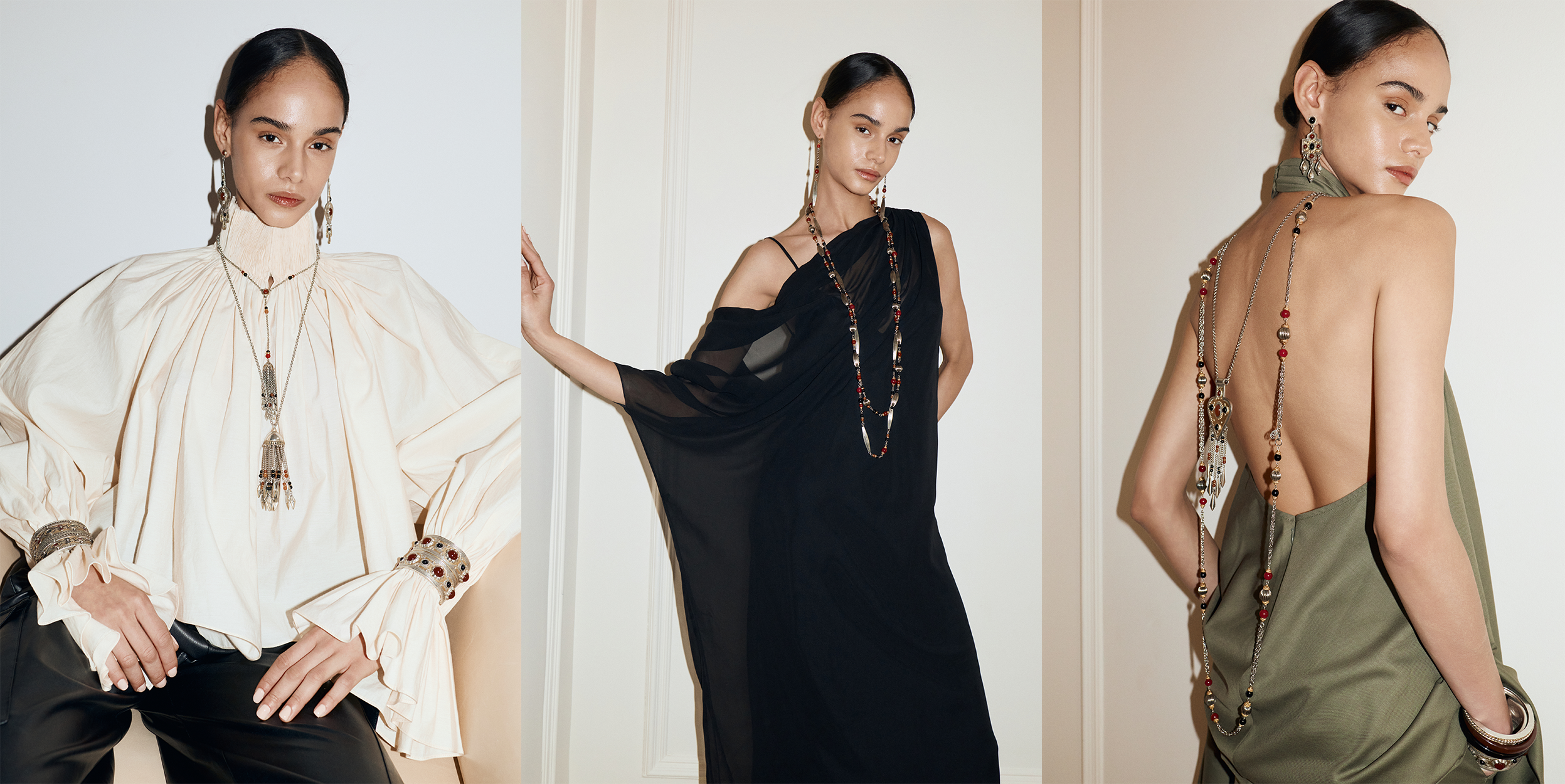
Ben-Amun has always understood the art of transformation. Not the loud, performative kind, but the subtle shift that happens when a woman fastens on a necklace before dinner, slips into gold cuffs before stepping out, or layers beads over a simple blouse and suddenly feels entirely like herself. For Spring/Summer 2026, founder Isaac Manevitz channels that instinct into Monte Carlo, a collection inspired by the glamour, movement, and seductive elegance of Monaco's most iconic destination.
But despite the references to casino lights, Belle Époque architecture, and Riviera decadence, Monte Carlo isn't simply about escapism. It's about ease. Jewelry that moves through the day as naturally as the woman wearing it. Jewelry that feels lived in, personal, and expressive rather than overly precious.
"I am always thinking about the woman wearing the jewelry - what she wants to do, where she is going, or what she is getting ready for," Manevitz says. "Most of the time, I hope she reaches for my jewelry on the go without thinking too much. I want her to feel comfortable in the pieces she loves and to wear them naturally, in her own way."
That philosophy sits at the core of Ben-Amun, the New York-based jewelry house Manevitz founded more than four decades ago. Long before "day-to-night dressing" became a fashion marketing staple, the designer was creating pieces meant to exist fluidly within women's lives: adaptable enough for everyday wear, yet glamorous enough to hold their own under evening lights.
"Monte Carlo" feels less like a destination and more like a state of mind. When you begin a collection, are you designing for a woman or for a feeling she's stepping into?.
I am always thinking about the woman wearing the jewelry - what she wants to do, where she is going, or what she is getting ready for. Most of the time, I hope she reaches for my jewelry "on the go" without thinking too much. I want her to feel comfortable in the pieces she loves and to wear them naturally, in her own way.
There's a cinematic quality to this collection-from balcony mornings to casino nights. Do you approach jewelry design as storytelling, almost like building a narrative arc across the day?
Mostly my inspiration comes from an inner feeling and what feels right for the moment. But ultimately, my hope is that my jewelry helps women tell their own stories and move through different moments of their day with confidence and elegance.
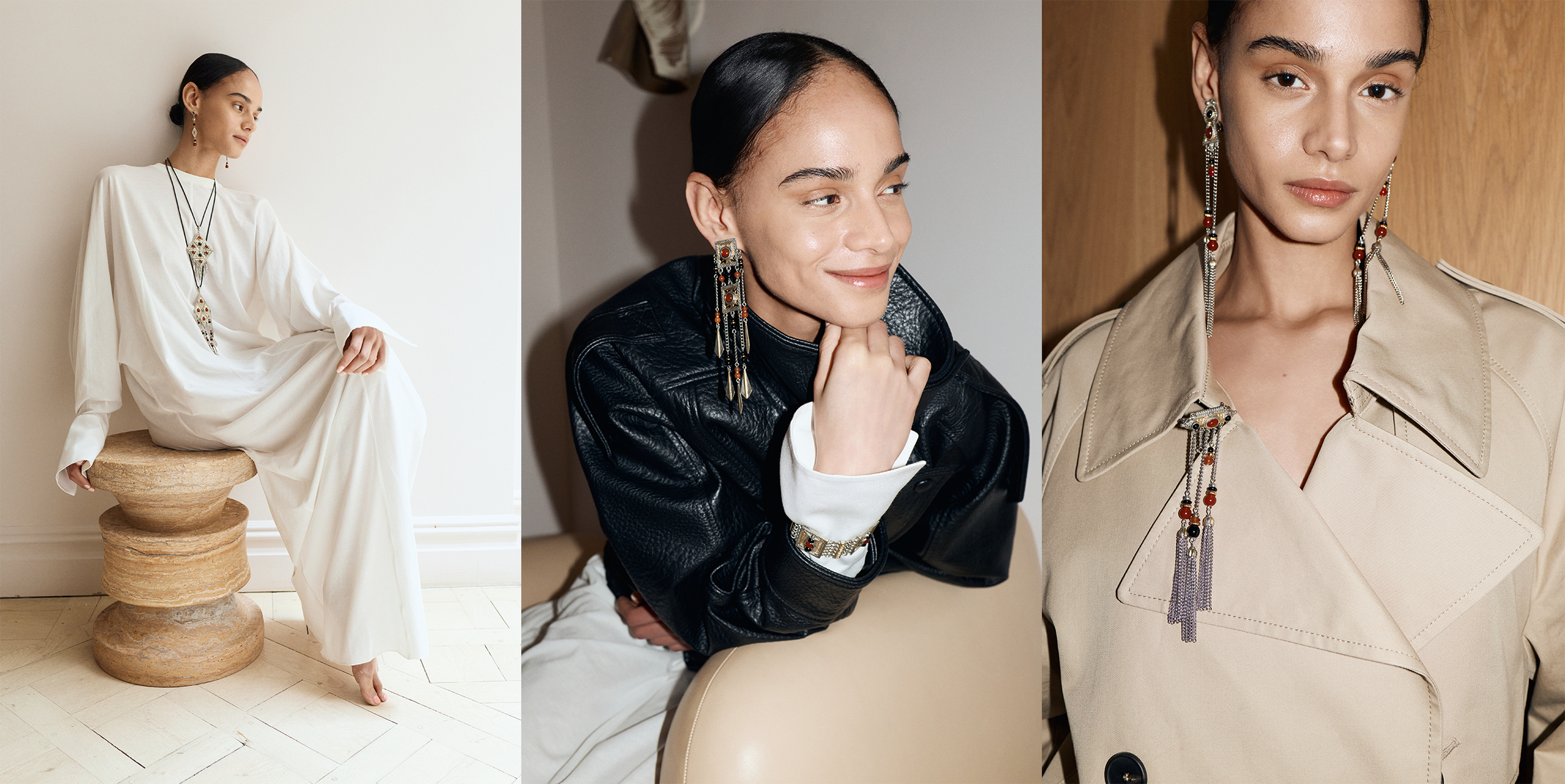
The pieces are described as transitioning seamlessly from day to night. In a time when wardrobes are becoming more fluid, how do you redefine versatility without losing a sense of occasion?
I design jewelry to wear anytime - during the day or on a night out - but it will depend on the person wearing it. The quality of the pieces and the finish gives them a timeless, universal feel that makes transitioning from day to night effortless.
You reference both Belle Époque grandeur and modern simplicity. How do you strike that balance between nostalgia and contemporaneity without tipping too far into either?
For this collection, I started with the glamour and elaborateness of classic jewelry, but approached it through a more modern lens. I feel my jewelry encompasses both sections of the time. The balance came naturally through the inspiration behind it - my roots took me back to the desert, the grandeur of Egypt and the elegance of the English expats in Cairo.
Gold in this collection is described as "soft" and almost atmospheric, rather than static. What does it take, technically and creatively, to give a material that kind of emotional movement?
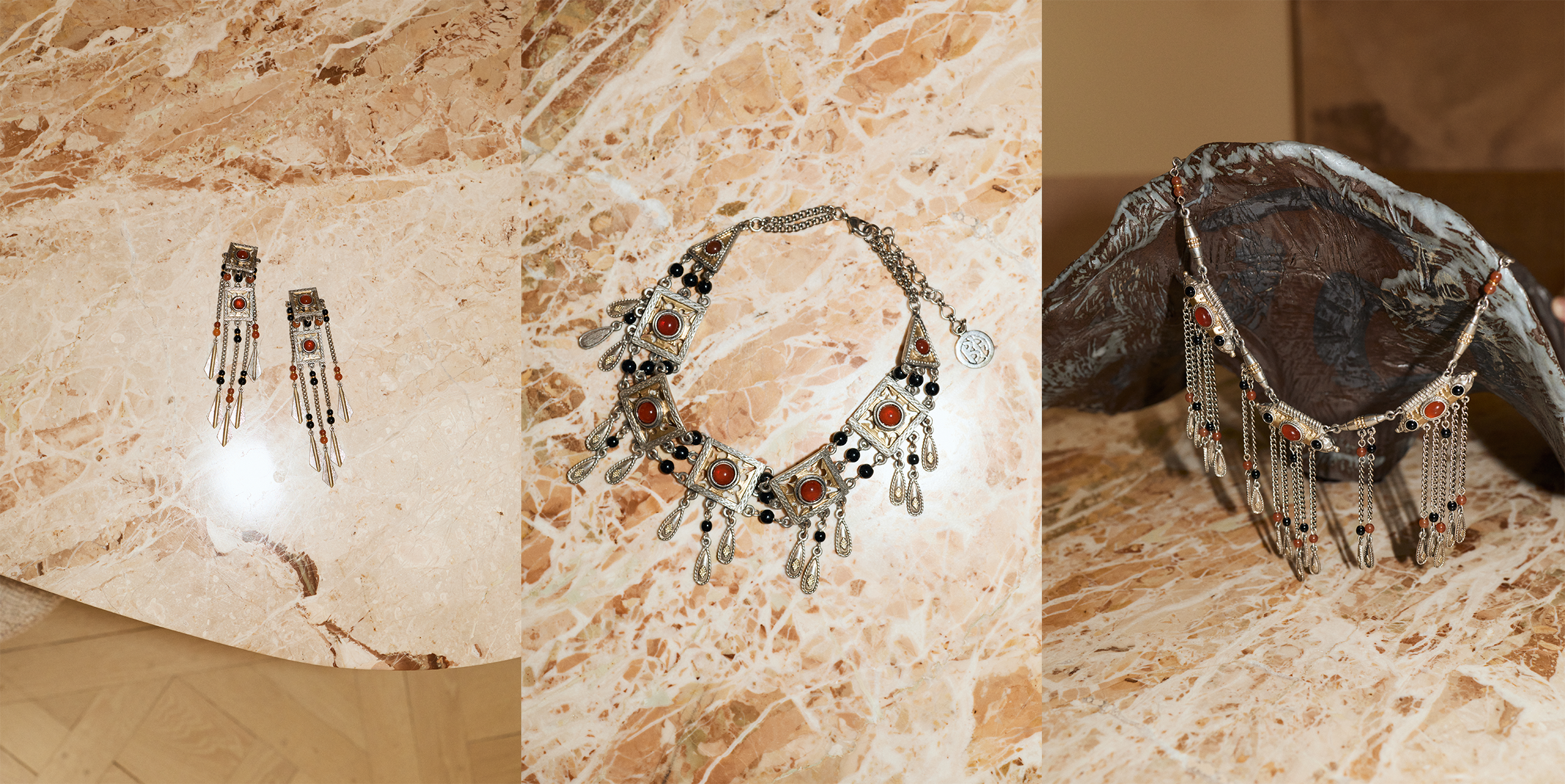
The gold in this collection is hand-painted, which creates a softer effect than our usual plated gold. The meticulous care that goes into every brushstroke adds warmth, movement, and emotional depth to my jewelry.
Ben-Amun has always existed at the intersection of craftsmanship and accessibility. In today's luxury landscape, how do you maintain that identity while the definition of luxury itself keeps shifting?
Skill is essential to art and execution of a product - talent alone is not enough. The meticulous care I put into creating each piece naturally gives it a sense of luxury. At the same time, I believe luxury should feel approachable so I make it accessible to all in both design and cost. I create wearable silhouettes and strive to keep the pieces accessible in both design and price because I enjoy seeing people incorporate them into their everyday lives.
The idea of jewelry that "moves with you" suggests intimacy: pieces that respond to the body rather than sit on it. How important is physical movement in your design process?
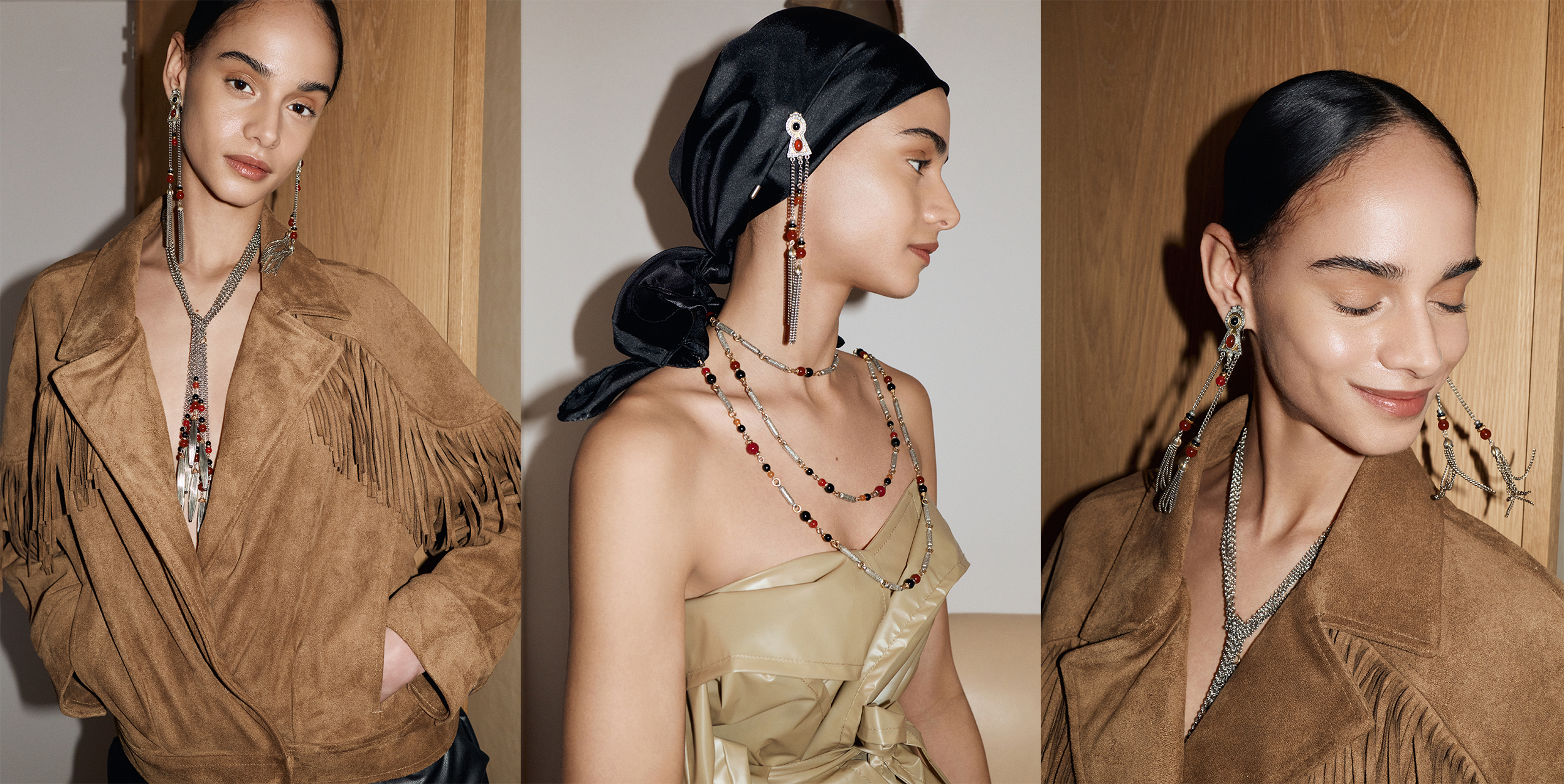
Physical movement, especially in Monte Carlo, is essential. Part of the beauty and uniqueness of this collection is in how the pieces come alive when worn. I always think about how jewelry will move with the body and interact with the person wearing it.
After more than four decades of creating, what still excites you about jewelry design and what feels fundamentally different about designing today compared to when you started?
Every season is like the first time one falls in love - hard but exciting. The process takes me in a different direction at first but then, slowly, it culminates on the idea I know I want to bring to life. Every collection is like my first. It is a little easier now since I have been at it for a while, but still exciting and laborious.
There's a quiet confidence in the Ben-Amun woman. She's described as both "collected" and "curious".
Who is she today, and how has she evolved with the cultural moment?
The Ben-Amun woman has always been elegant, but with a touch of attitude. She loves to adorn herself, she is very confident, always on the go, and loves having fun. That spirit of confidence and individuality has remained the same.
If "Monte Carlo" is about dressing from one city that never sleeps to another, what does global glamour look like now, especially in a world that's increasingly digital but still craving tactile beauty?
Monte Carlo is, in many ways, a quintessential example of all my collections. I design for women who live fully in the moment - whether in the 20th century or the 21st. The desire to feel beautiful, express ourselves, and connect to something tangible does not change with the digital age. In many ways, it becomes even more important.
Tearsheets by Daniel López, Art Director, PhotoBook Magazine
Interview by Emi Stolovas, Contributor, PhotoBook Magazine
*Images Courtesy of Ben Amun
RELATED STORIES