Jimmi Simpson on Reinvention, Curiosity, and the Stories That Shape Us
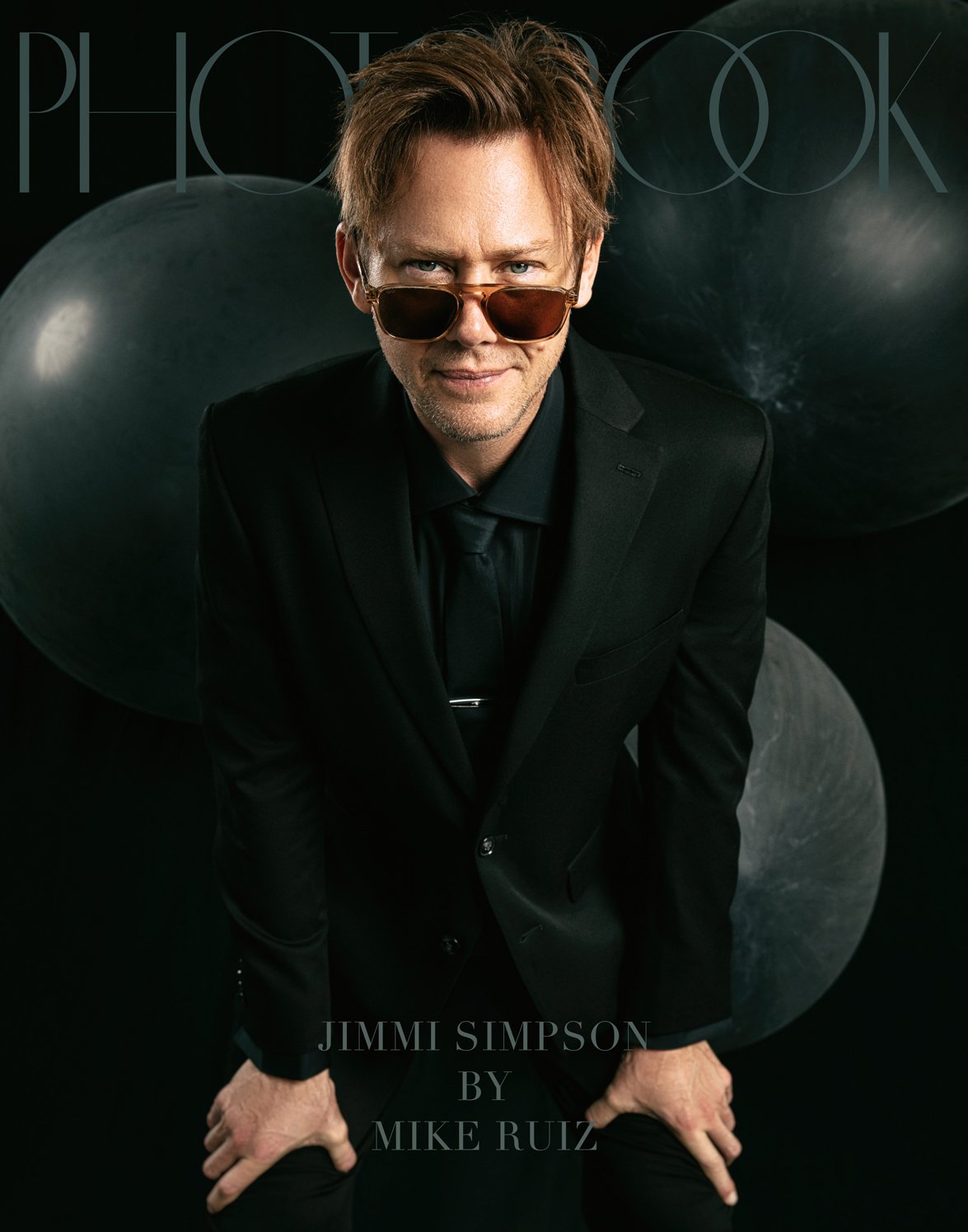
Slim Fit Black Tech Suit by Perry Ellis
Shirt by Christopher Korey
Sunglasses by Talent’s Own
For more than two decades, Jimmi Simpson has built a career out of inhabiting the spaces between certainty and the unknown. Whether stepping into the surreal landscapes of science fiction, the unsettling worlds of psychological thrillers, the sharp humor of cult comedies, or the intimate complexity of human drama, Simpson has become an actor defined not by a singular archetype, but by his willingness to disappear completely into the lives of others.
His performances often exist at the edge of transformation. From his unforgettable turn as William in “Westworld” to his chilling appearances in “Black Mirror” and his endlessly unpredictable work on “It's Always Sunny in Philadelphia,” Simpson has proven himself as an artist drawn to complexity rather than convention. His filmography moves effortlessly between genres, yet beneath each project lies a shared fascination: the search for what makes people human.
This year marks another evolution in Simpson's creative journey. As audiences continue to see him across a diverse range of television projects, including the return of “Dark Matter” and the final season of “The Walking Dead: Dead City,” he is also stepping into a new role behind the camera with his feature film “Slay,” marking his debut as a writer and producer. For an actor who has spent years interpreting others' visions, the transition offers an opportunity to explore storytelling from a more personal perspective.
Yet Simpson's creative path has always been rooted in storytelling. Long before acting became his profession, he was drawn to literature, education, and the mechanics of narrative: the reasons certain stories stay with us and the ways characters reveal pieces of ourselves. Acting became one language through which he could explore those questions; writing became another.
That curiosity is perhaps the defining thread connecting his body of work. Simpson is not an artist interested in repetition or predictability. Instead, he continues to gravitate toward projects that challenge him and stories that ask audiences to reconsider their understanding of identity.
In “Dark Matter,” a series centered around alternate realities and the infinite possibilities of the lives we might have lived, Simpson explores these themes through the character of Ryan, a scientist forced to confront a world beyond his understanding and redefine himself outside the structures that once shaped him. It is a journey that mirrors many of the questions Simpson has explored throughout his own career: Who do we become when everything familiar is stripped away? How do we adapt when the version of ourselves we know is no longer enough? For Simpson, uncertainty is not something to avoid, but something to embrace.
As he continues to move between acting, writing, and producing, Simpson remains guided by the same instinct that has shaped his career from the beginning: curiosity. The desire to understand a character, uncover a story's deeper meaning, and continue learning even after decades in the industry. Ahead of his Photobook Magazine cover shoot, Jimmi Simpson reflects on creative reinvention, the power of uncertainty, stepping behind the camera with “Slay,” and the stories that continue to inspire him.
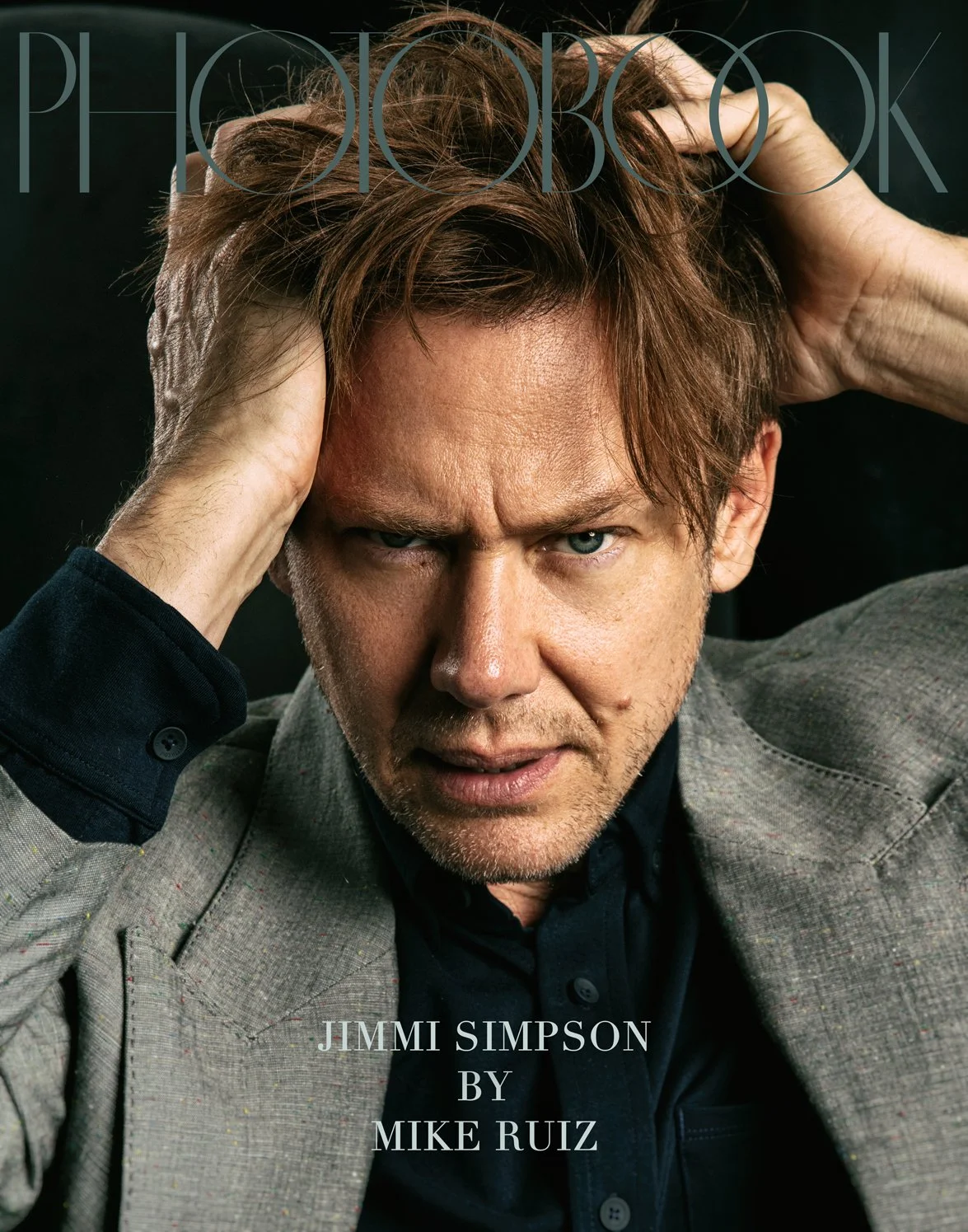
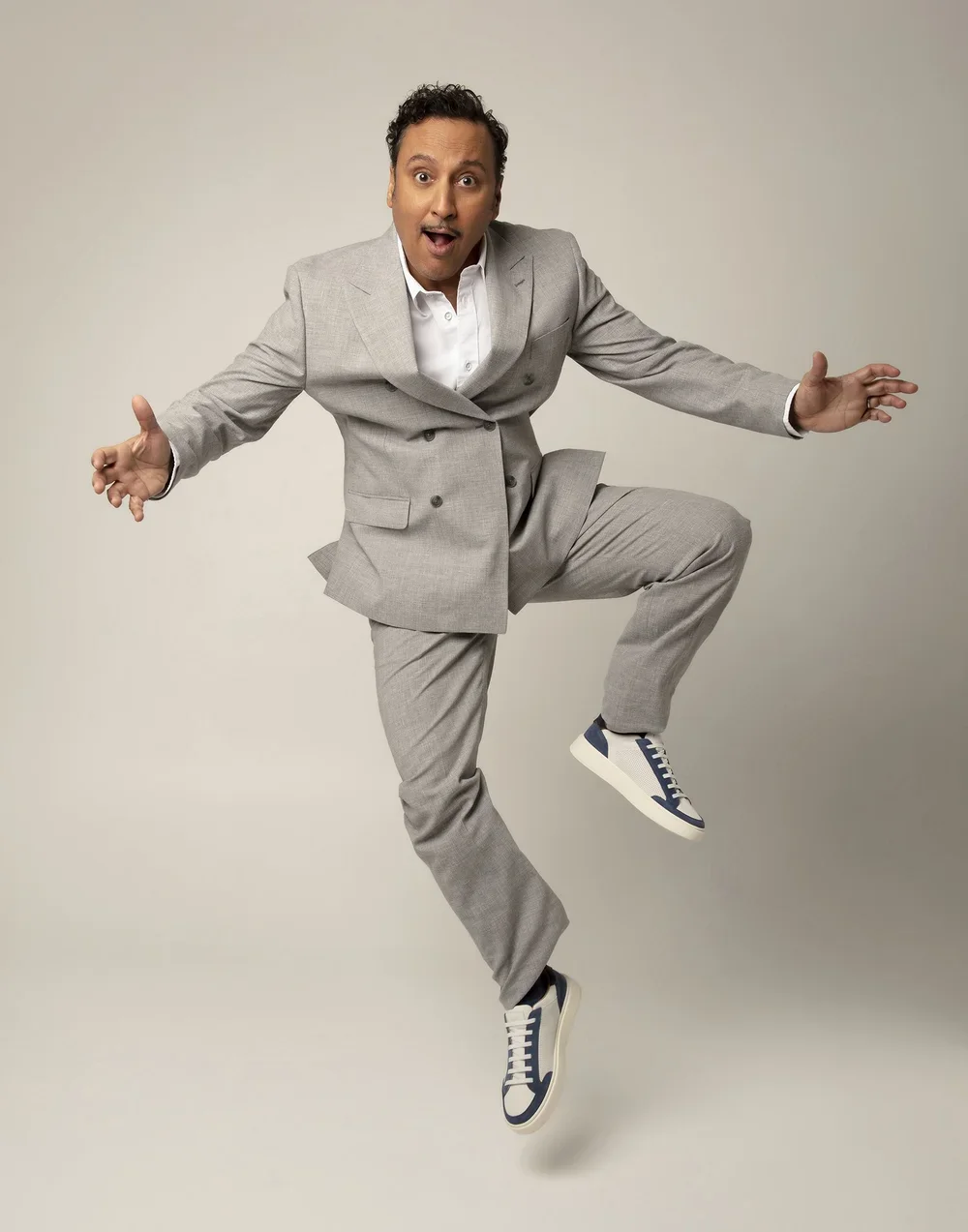
Tricolour Cotton Chambray Suit by Jack Sivan
Shirt by Kenneth Cole
Over the past year, you've moved between post-apocalyptic drama, cerebral science fiction, animation, quality television, and now your own feature as a writer-producer. Do you find yourself chasing stories that challenge you, or have you started noticing a common thread that subconsciously connects all the projects you choose?
I don't typically seek out specific genres, but instead gravitate toward projects that challenge me creatively. I am drawn to complex characters and narratives that offer opportunities to explore new thematic territory. If a common thread connects my work, it is my curiosity; each role offers an opportunity to step into an unfamiliar world and uncover the character's truth.
You've built a career playing characters who often exist on the fringes of certainty—whether emotionally, psychologically, or morally. What is it about that kind of uncertainty that interests you as an actor?
I view uncertainty as a fundamental aspect of the human experience. It creates opportunities to explore a character's complexities, fears, and motivations. For me, these unknowns make a role feel more authentic, allowing me to discover the elements that make each character feel genuine.
“Dark Matter” asks its audience to consider alternate versions of ourselves. Is there a version of Jimmi Simpson that you sometimes wonder about—the life you might have had if acting never entered the picture?
Actually, I once considered becoming an English teacher due to my passion for writing, literature, and education. Before acting became my career, I was already drawn to narratives and interested in understanding how they connect with people. While I occasionally wonder how my life would have unfolded had I pursued that path, I believe I still would have found happiness and fulfillment. Storytelling has always been my primary focus. This enduring interest in narrative and character development has always remained consistent throughout my career, continuing to influence my approach to each role.
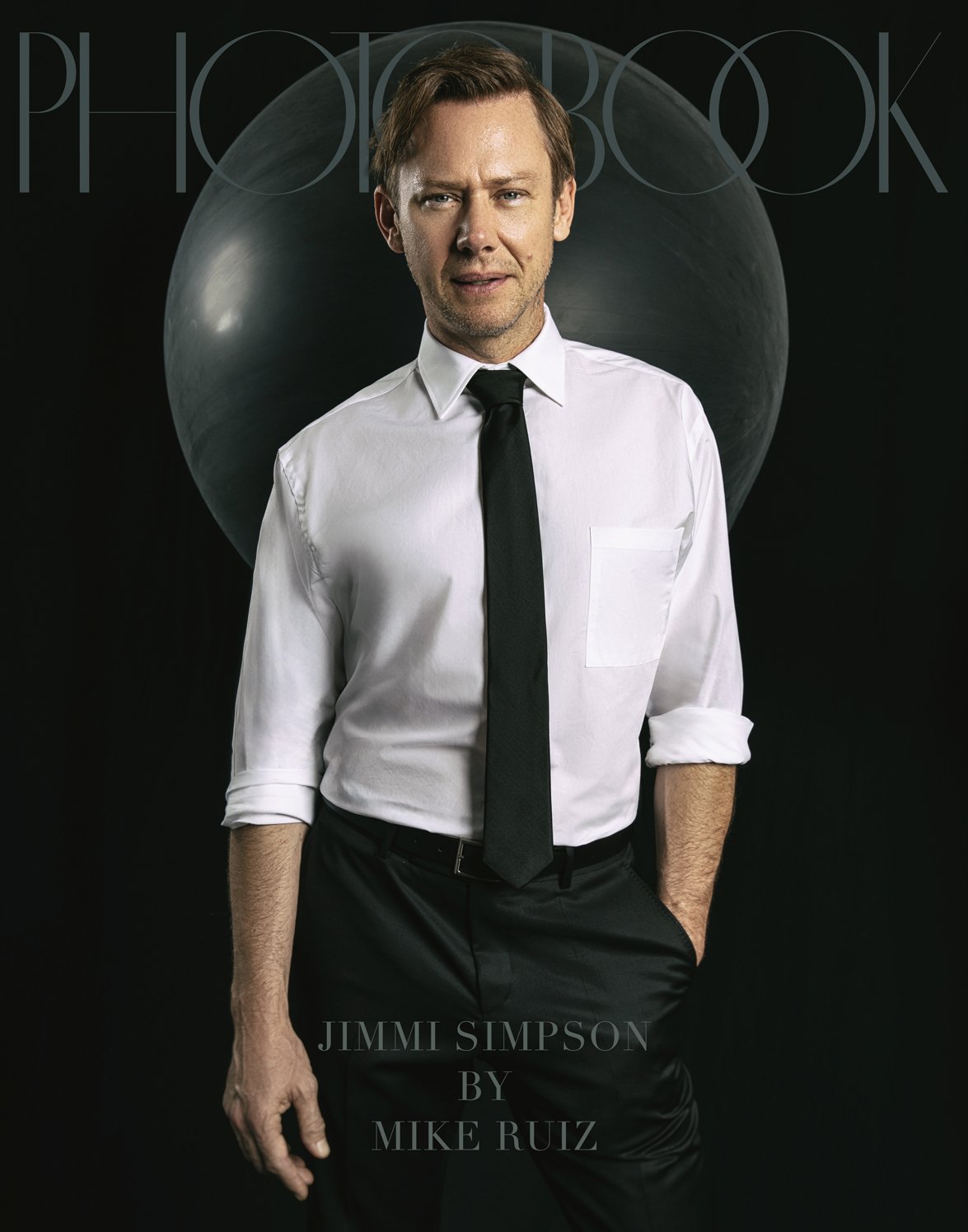
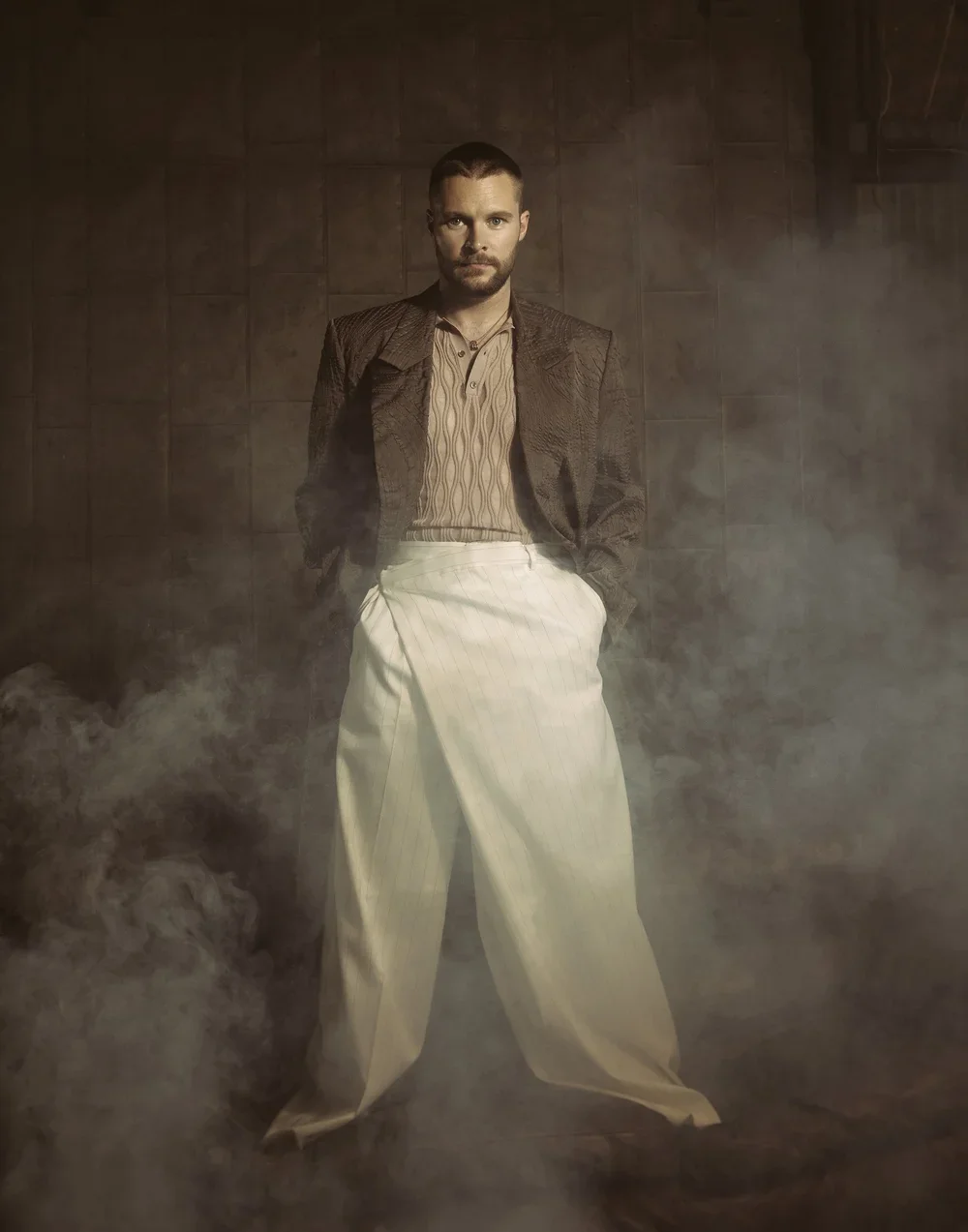
Outfit by Hugo Boss
Tie by Christopher Schafer
Many actors eventually become storytellers behind the camera. Was writing “Slay” something you'd always planned to do, or did you reach a point where there was a story only you could tell?
Because of my strong desire to pursue English, storytelling came before acting for me. I was studying literature and education long before I ever thought I would make a living performing, so I have always been fascinated by how and why stories work. In many ways, acting became my second language, while writing became a space where I could finally ask my own questions instead of answering someone else's. Of course, the questions posed by others are far more brilliant than any I could ask. But after years on incredible sets, I naturally accumulated stories that refused to leave me alone, and “Slay” was one of them. While most of my scripts originate entirely from within my own imagination of what would be beautiful or special, “Slay” was different. The prompt was, 'it needs to fit this specific setup, and you need to write it in two months'. It was a new test, and I loved every second of it. Like many of us, I actually enjoy having parameters sometimes. I compare it to acting through an analogy: as a writer, if you give me an open field, I can dance, do some jumping jacks, or spin around. But if you place a sturdy jungle gym on that field, I can do backflips and perform much more specific, spectacular feats. That is the true power of structure, words, and a great script.
Audiences know you from projects as tonally different as “Westworld,” “BlackMirror,” and “It's Always Sunny in Philadelphia.” Has moving so fluidly between drama and comedy changed the way you define a "good performance," or has your philosophy remained surprisingly consistent?
I do not usually separate drama from comedy when approaching a performance. Instead, I view them as elements that naturally complement one another. Rather than altering his process to fit a specific genre, I focus on understanding the character and bringing them to life through a balance of emotion and humor.
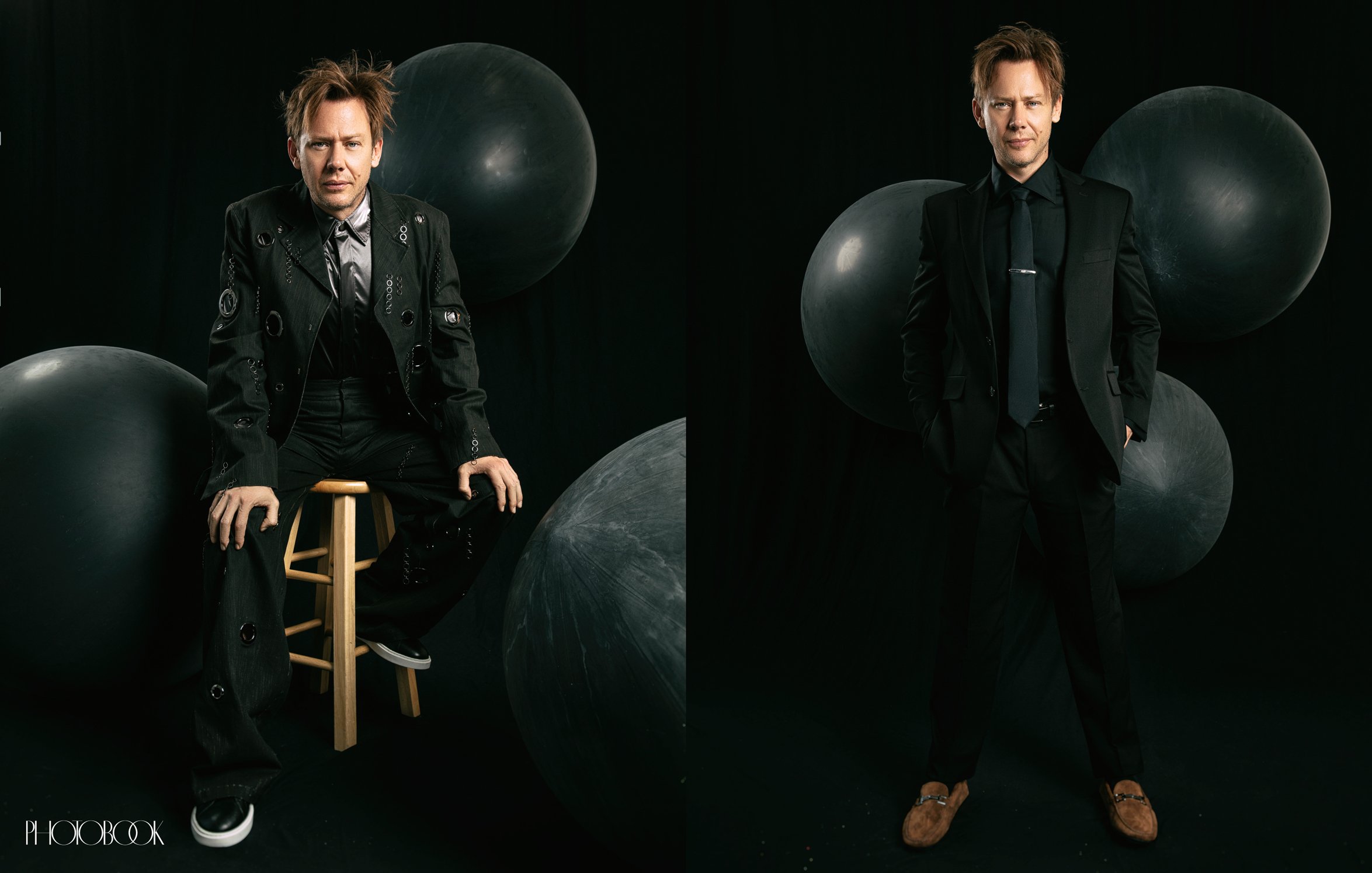
Left:
Outfit by Clara Son
Shoes by Magnanni
Right:
Suit by Perry Ellis
Shirt by Christopher Korey
Taso Driving Shoe by Bruno Magli
Sunglasses by Talent’s Own
You're making your writing and producing debut with “Slay.” Did sitting on the other side of the creative process deepen your appreciation for collaborators, or did it completely change how you view storytelling from the ground up?
Writing and producing gave me a much deeper appreciation for everyone involved in bringing a film to life. Being engaged from the project's inception allowed me to see how each creative decision contributes to the final product, from developing the narrative to navigating behind-the-scenes challenges. While the experience did not fundamentally alter my view of storytelling, it provided a broader understanding of the collaboration, trust, and teamwork required to bring a film to fruition.
You have four television projects coming out around the same time. What has it been like to have audiences see so many different sides of your work all at once?
Having multiple projects released around the same time has been rewarding, as each allows audiences to see a different facet of my work. Although the roles are distinct, I approach each with the same methodology, focusing first on the character. For me, the goal is not to prove my versatility as an actor, but rather to participate in meaningful stories and collaborate with inspiring creative partners.
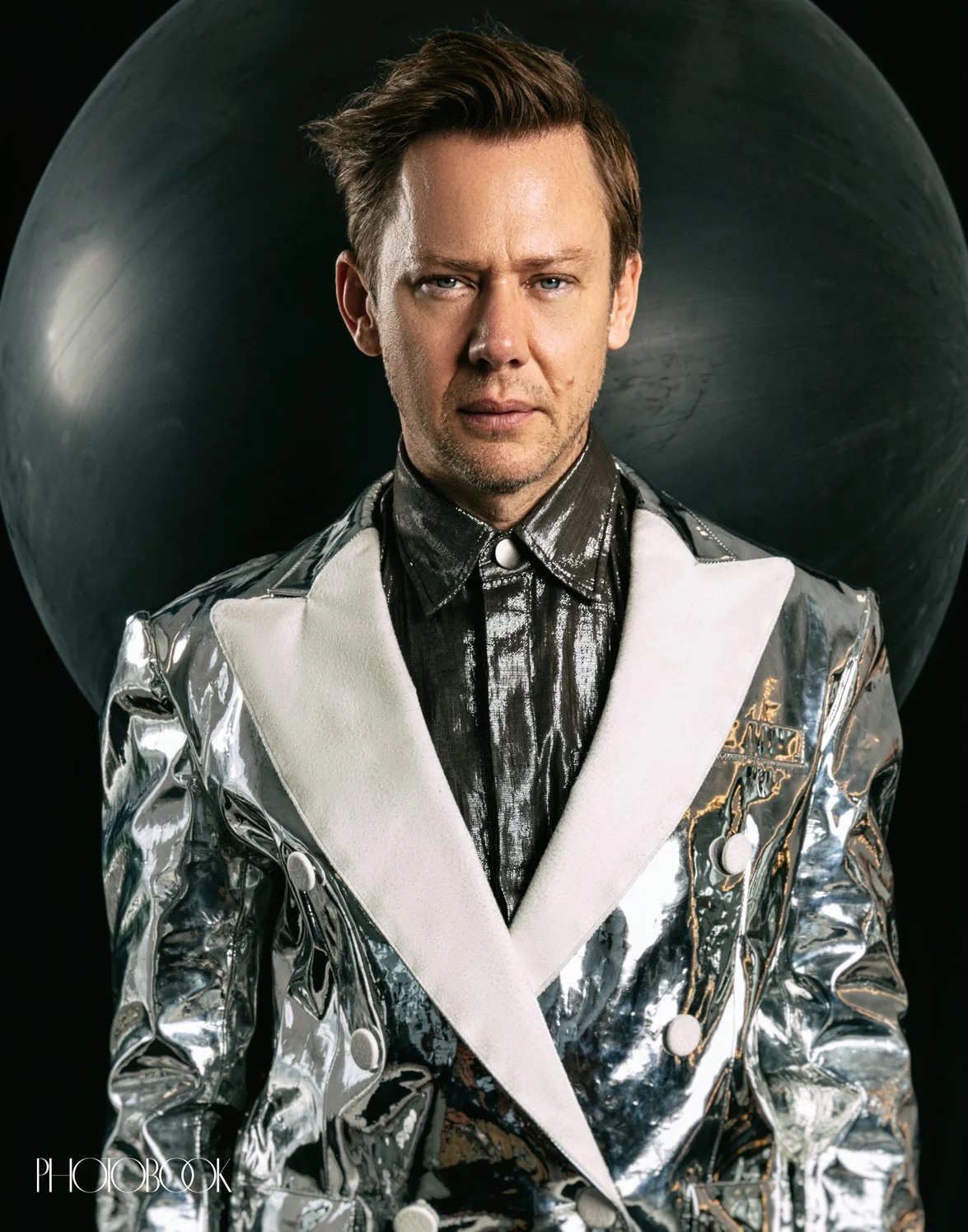
Shirt by Clara Son
Metallic Silver Blazer by Romeo Hunte
As someone who continues to reinvent himself without chasing trends, what still excites you enough to make you feel like you're at the beginning of your career rather than decades into it?
In truth, every project resets the scoreboard. You find yourself standing on your mark with a page of dialogue, hoping that today's version of you will rise to meet the day's challenge. That kind of uncertainty used to terrify me, but now I believe it is the entire point. The day I feel I have figured it all out is probably the day I should retire. I would much rather remain curious, carrying with me a healthy amount of fear.
Did stepping into the roles of writer and producer give you a new perspective on filmmaking compared to your experience as an actor?
Writing and producing gave me a deeper appreciation for the immense amount of work that occurs long before an actor ever steps onto a set. Being involved from the project's inception allowed me to consider the narrative as a whole rather than focusing solely on a single character, while also providing a greater understanding of the collaboration required to bring a film to life.
This experience has made me a more thoughtful actor, with a heightened appreciation for every administrative and creative contributor, including those managing scheduling, logistics, budgeting, problem-solving, script revisions, and the balancing of creative visions.
You're a part of the final season of “The Walking Dead: Dead City”. What drew you to this project, and what excited you most about joining this cast?
I was drawn to “The Walking Dead: Dead City” by the opportunity to join a highly talented cast and step into an established universe with rich histories and characters. I was particularly excited by the complexity of the roles and the chance to develop a unique character within that existing framework. Also, collaborating with such a strong cast created an energetic and motivating environment, making the experience exceptionally rewarding.
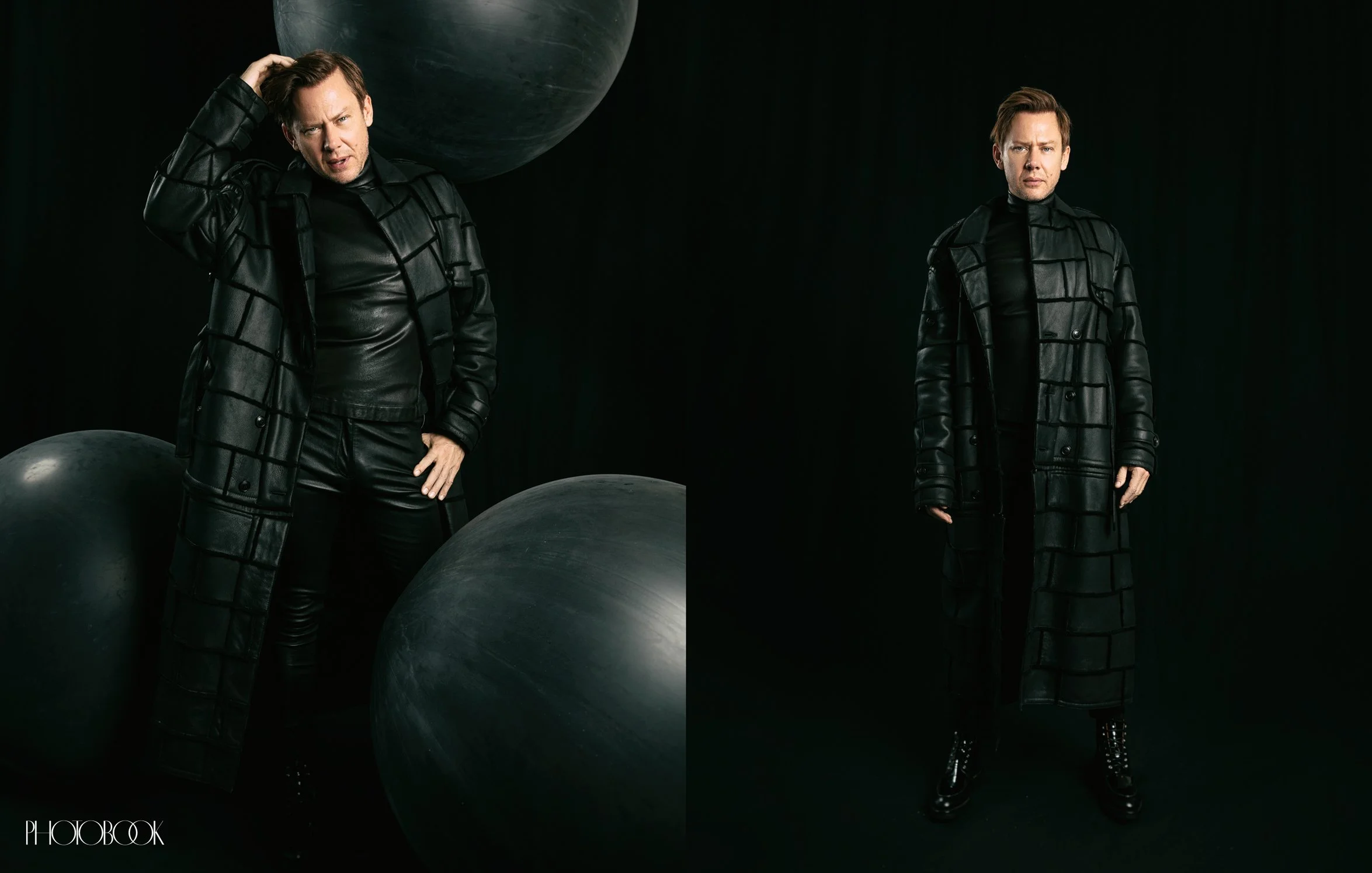
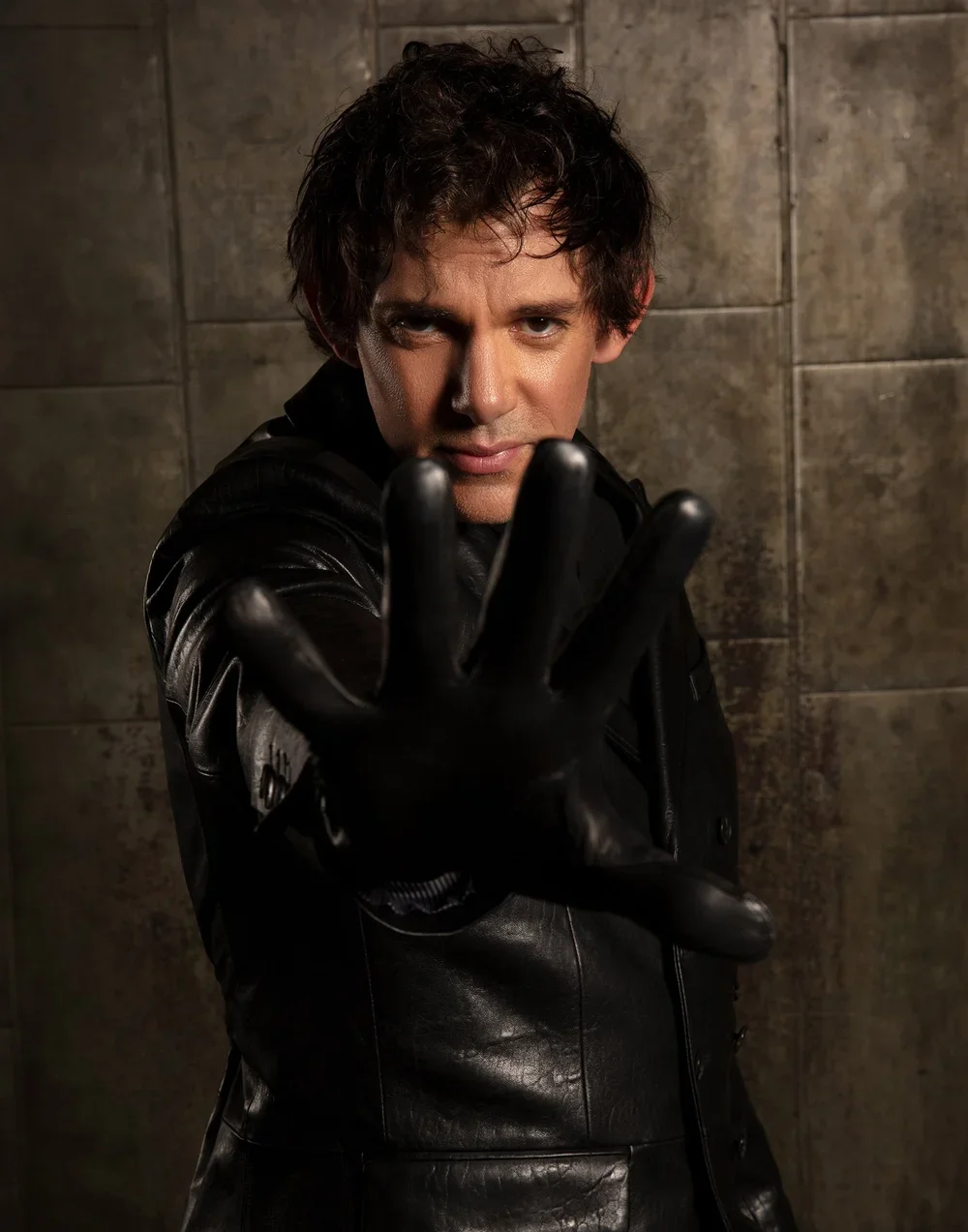
Black Brick Motif Shearling Combo Trench Coat by Romeo Hunte
Black Leather Long Sleeve Turtleneck Shirt by Romeo Hunte
Long Black Trousers by Romeo Hunte
Shoes by Que Shebley
You're returning for season two of “Dark Matter.” What excites you most about being part of another season and continuing to bring this character to life?
Returning for a second season allows me to delve deeper into my character and continue to uncover new layers of my personality. I have enjoyed building upon the foundation established in the first season while discovering new facets of the character as the narrative unfolded. For me, tracking a character's development over time is one of the most rewarding aspects of television, particularly when collaborating with a cast and creative team I genuinely enjoy working with.
Without spoiling anything, how does your character continue to evolve in season two of “Dark Matter”?
This season, Ryan evolves significantly. He has spent his life as an intellectual and a scientist who strictly follows the rules to achieve his goals. However, he transitions from being a servant to these rigid processes to breaking his own boundaries, ultimately reinventing himself as an explorer outside of his comfort zone.
Although he is abruptly and uncomfortably stripped of the world he knows, his journey illustrates the human capacity for adaptation. When thrust into a completely foreign and terrifying environment, the creative mind begins to make sense of the chaos and construct its own reality within those new circumstances.
There is a profound sense of empowerment when a person achieves this, whether they are navigating a massive life shift, a divorce, or a job loss. We all face those moments of wondering, 'How did I get here?' and trying to reconcile our past reality with our present one. Ultimately, Ryan's journey is a testament to the human ability to adapt and shine, even when placed in completely unfamiliar territory.
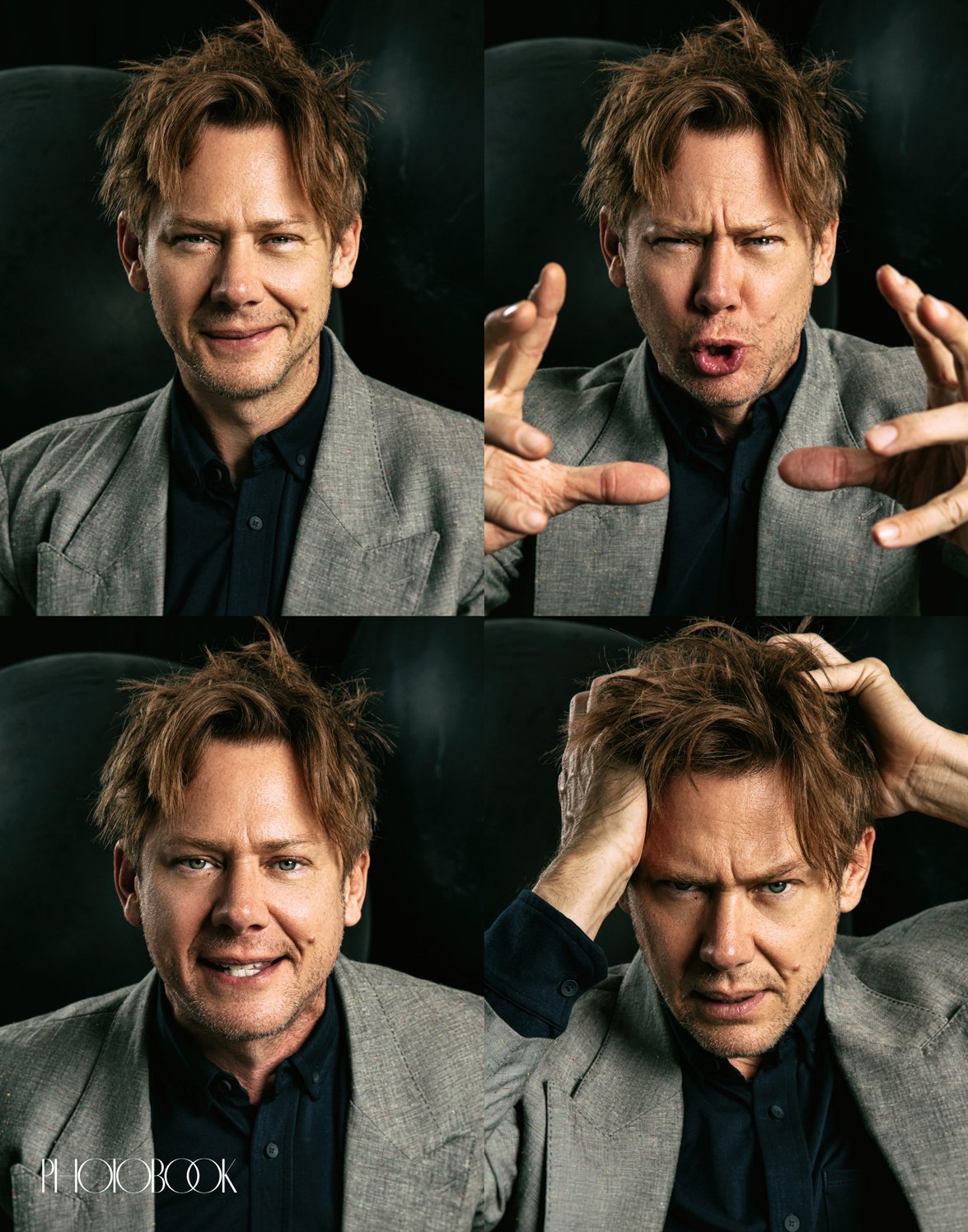
Tricolour Cotton Chambray Suit by Jack Sivan
Shirt by Kenneth Cole
CREW CREDITS:
Talent: Jimmi Simpson
PhotoBook Editor-In-Chief: Alison Hernon
PhotoBook Creative Director + Photographer + Producer: Mike Ruiz
Fashion Stylist: Alison Hernon at Exclusive Artists
Groomer: Ryann Carter at Opus Beauty
Assistant Photographer: River Chad
Fashion Stylist Interns: Emma Green, Maya Merante
BTS: Micaela Barros Zelaznik
Tearsheets by Daniel López, Art Director, PhotoBook Magazine
Interview by Ali Rosoff, Contributor, PhotoBook Magazine
RELATED STORIES