Tribeca Film Festival: Documentary Jean-Michel Tells the Basquiat Story with New Perspective
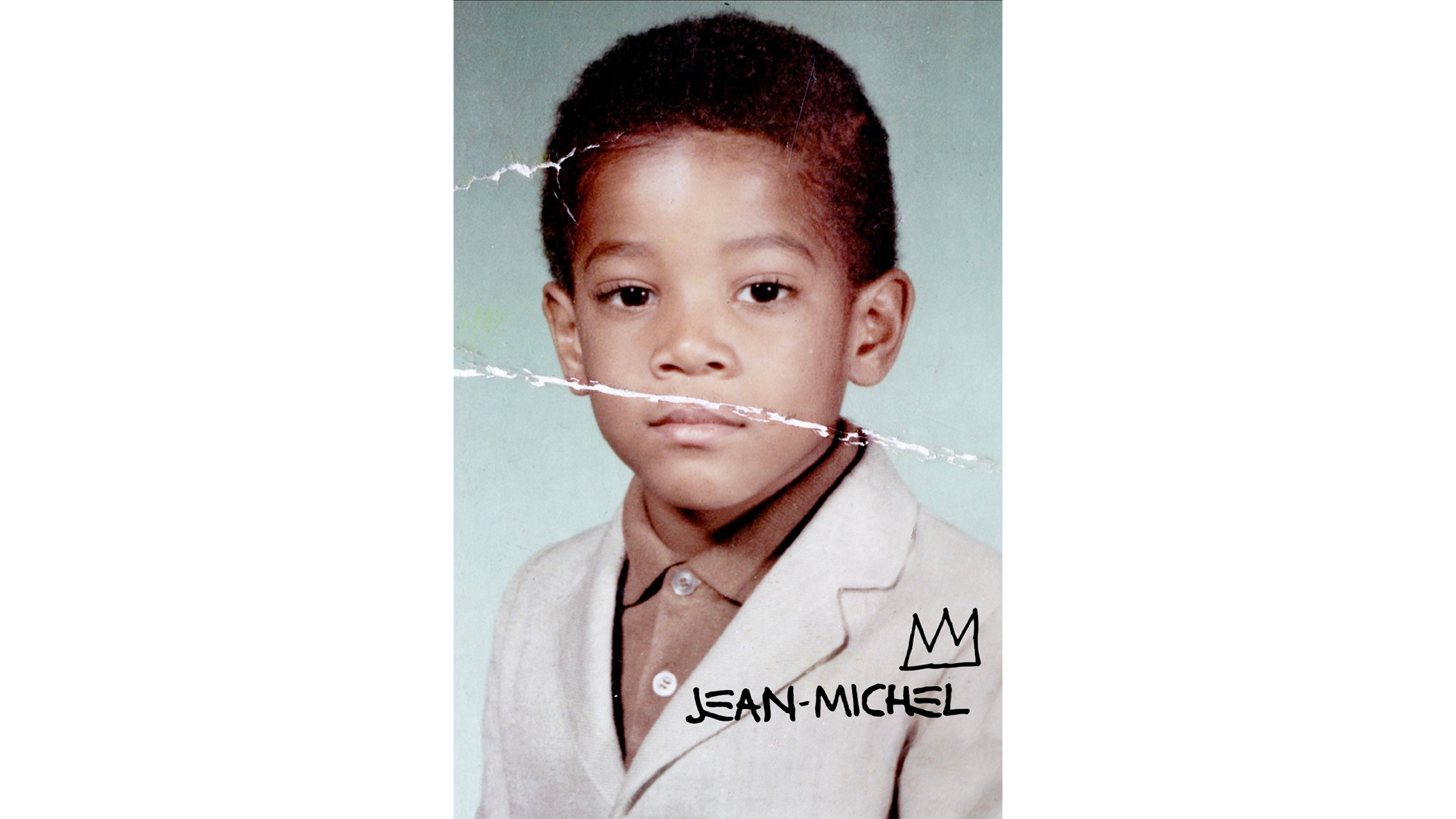
Laurel Canyon Pictures, founded by producer Dan Fried, captured the story of Jean-Michel Basquiat through a new, insightful lens. Film Jean-Michel, offers a fresh perspective to the Basquiat story as it was produced through collaboration with the Basquiat family, giving a modern angle to the ubiquitous artist.
The story will be told through the eyes of the Basquiat sisters, Lisane Basquiat and Jeanine Heriveaux. Jean-Michel explores the artist's roots as a first-generation Puerto Rican and Haitian painter raised in Brooklyn, he emerged from New York's downtown punk scene and soon rose within the international art world.
Basquiat is an artistic icon, ascending to popularity in 1980's NYC, he combined techniques of painting, drawing and graffiti to create unique images. His work also makes a political statement, Basquiat famously addresses racism and classism while celebrating Black art, music, and poetry. This subject is congruent with the focus of Laurel Canyon Pictures, a tenet of the company is creating culturally poignant narrative films and documentaries. The production company often supports intriguing stories like Basquiat's, bringing them to platforms like Sundance Film Festival, Tribeca Film Festival, SXSW, and DOC NYC.
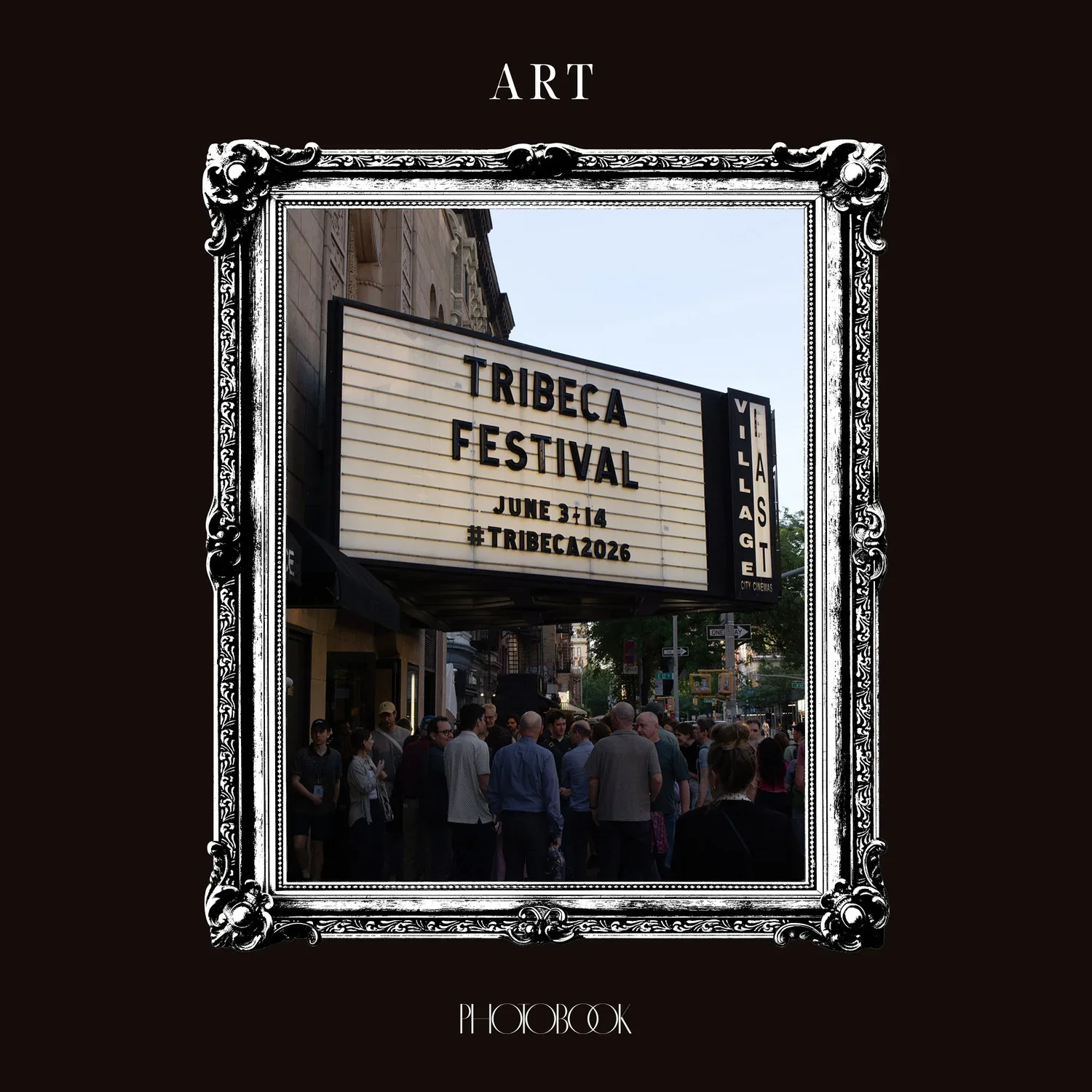
Jean-Michel, directed by Quinn Whitney Wilson and Viridiana Lieberman, premiered in the Documentary Competition at the Tribeca Festival Friday, June 5. It will premiere on Netflix later this year. The creation of this film pulled from Fried's comprehensive experience in independent films. His credits include executive producing films like Are We Good? (an intimate documentary following Marc Maron's return to the stage), The Trial of Alec Baldwin, Chasing Summer (a narrative film starring Iliza Shlesinger) and more.
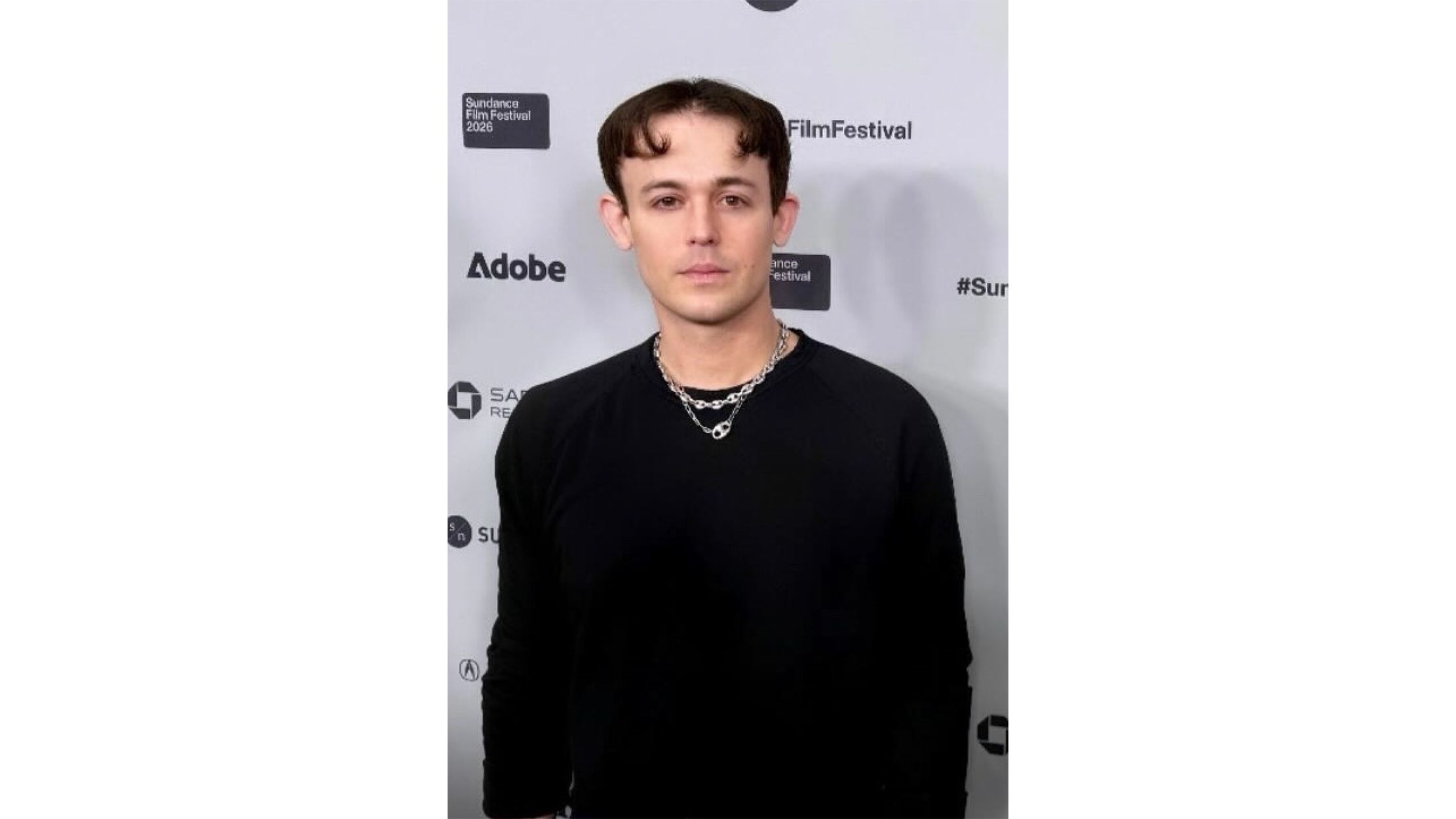
You claimed "Laurel Canyon Pictures was built around the idea that the best documentaries can operate at the same cultural level as great narrative films." How does Jean-Michel achieve that?
I think what's really interesting about this project is he's probably one of the most famous artists in the world. A lot of people have a unique perspective on who he is and who he was. There was a lot more to the story. So being able to tell his story of how he became that sensational person was a really interesting and unique narrative that hadn't been told before. Particularly telling it through the lens of those who knew him best— his sisters and his family. Any time you are able to tell an origin story of somebody who is incredibly well-known in a way that the world has never heard before. I'd put that up against any great narrative feature anytime.
You've been involved with documentaries about very different public figures—from Marc Maron to Alec Baldwin to Jean-Michel Basquiat. What attracts you to a nonfiction subject? And what initially attracted you to Basquiat?
In terms of what attracts me to nonfiction subjects, I think what's cool about non-fiction, and documentaries specifically, is that they are universally relatable because they are inherently told on true stories, so people will understand and empathize with the characters in a way that perhaps may be different than a narrative. Going back over the previous bodies of work that you mentioned, I think those are all notable people, but they are still people. So how do we tell their stories in a way that resonates uniquely, and perhaps, unexpectedly? I think what always attracts me, not just to those projects, but to projects for the future of Laurel Canyon Pictures, is going to be telling stories that you may have thought you knew, or maybe you never heard before, but we're going to tell it to you in a different and unexpected way.
Many depictions of Basquiat focus on his fame, his relationship with Andy Warhol, or his tragic death. Did collaborating with his family change the narrative and this perspective for the film?
That was the key reason that I decided to become involved, and that Laurel Canyon decided to become involved. There've been a lot of stories told about him before, but to really be the authoritative voice, that was told in a very careful, considered and measured way was really important. Anecdotally, I love art. He's probably one of my favorite artists. So being able to tell that story in a really true way was special.
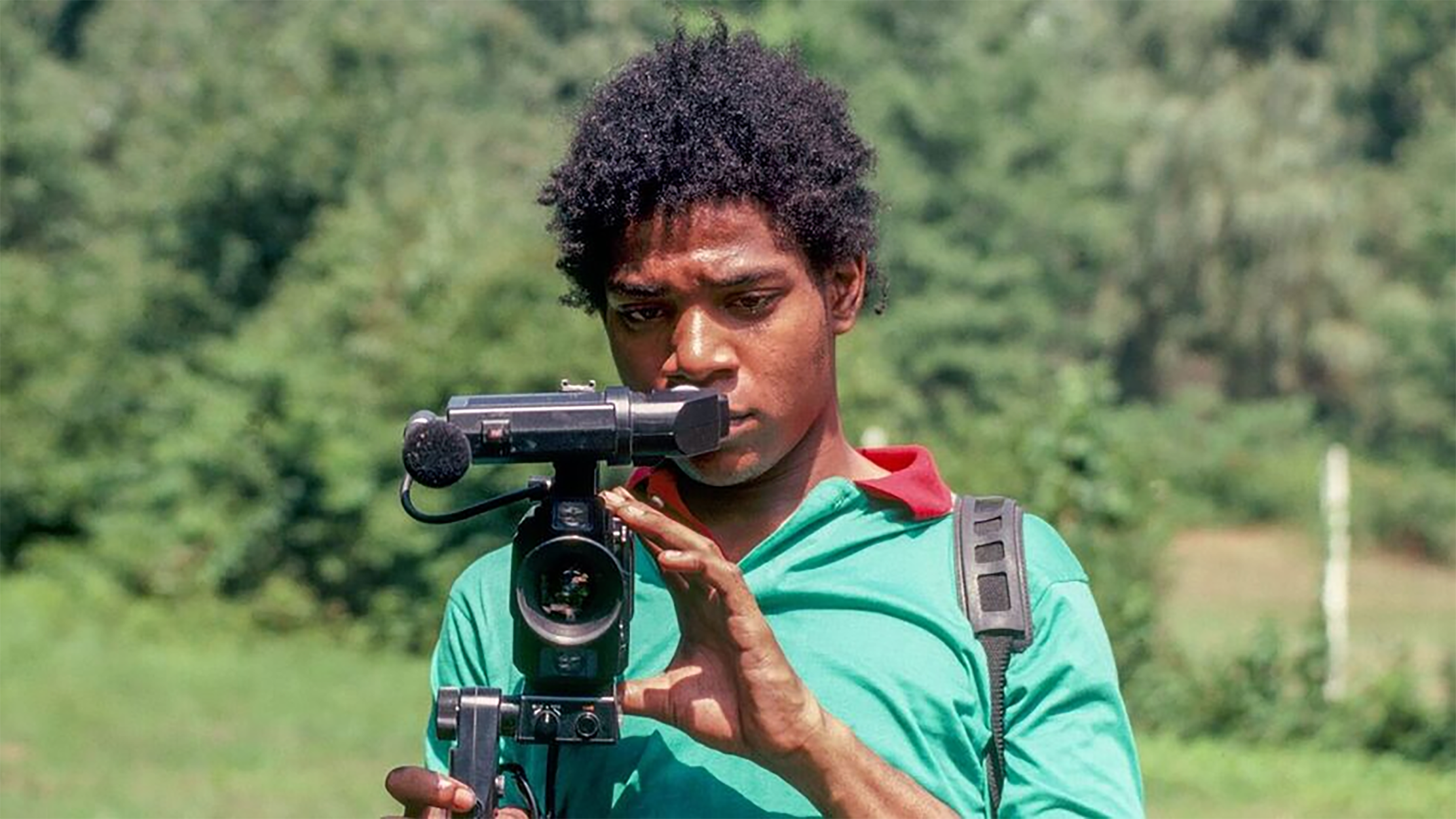
Looking at today's cultural landscape, what conversations do you hope the film sparks about race, identity, and artistic ownership?
What's unique about the film is it depicts the story of somebody who is really true to themself, true to their mission and what drove them. I hope, if nothing else, that the film inspires anybody who has a creative drive in them to create. And anybody who has an idea for an entrepreneurial venture to follow it and do what really drives them.
If audiences leave the theater with one misconception about Basquiat challenged, what do you hope it is?
Maybe people will just be impressed with the sheer amount that he accomplished in such a short period of time. Particularly those who may not be as familiar. And I think a lot of people will be very surprised with the diverse range of interests he had as a person, because he was deeply involved with lots of different areas within the arts in that special 1980's NYC downtown scene.
Laurel Canyon Pictures is launching with anchor project Jean-Michel. What made this the film that best embodied the company's mission?
It goes back to wanting to tell those stories you may think you know, in a way that you don't know and a really impactful way. What really attracted me to this project was not just telling another story of someone who has been in the public eye forever, but telling the actual story. That has been my thru-line with a lot of the bodies of work, and I think that will continue to be. I couldn't think of a better story to tell than someone like him [Basquiat] and I'm so excited that this is the anchor project for Laurel Canyon Pictures.
Interview by Maya Merante, Contributor, PhotoBook Magazine
Tearsheets by Daniel López, Art Director, PhotoBook Magazine
*Images Courtesy of Jean-Michel & Laurel Canyon Pictures
RELATED STORIES