Small Truths and Happy Accidents with Elysia Biro
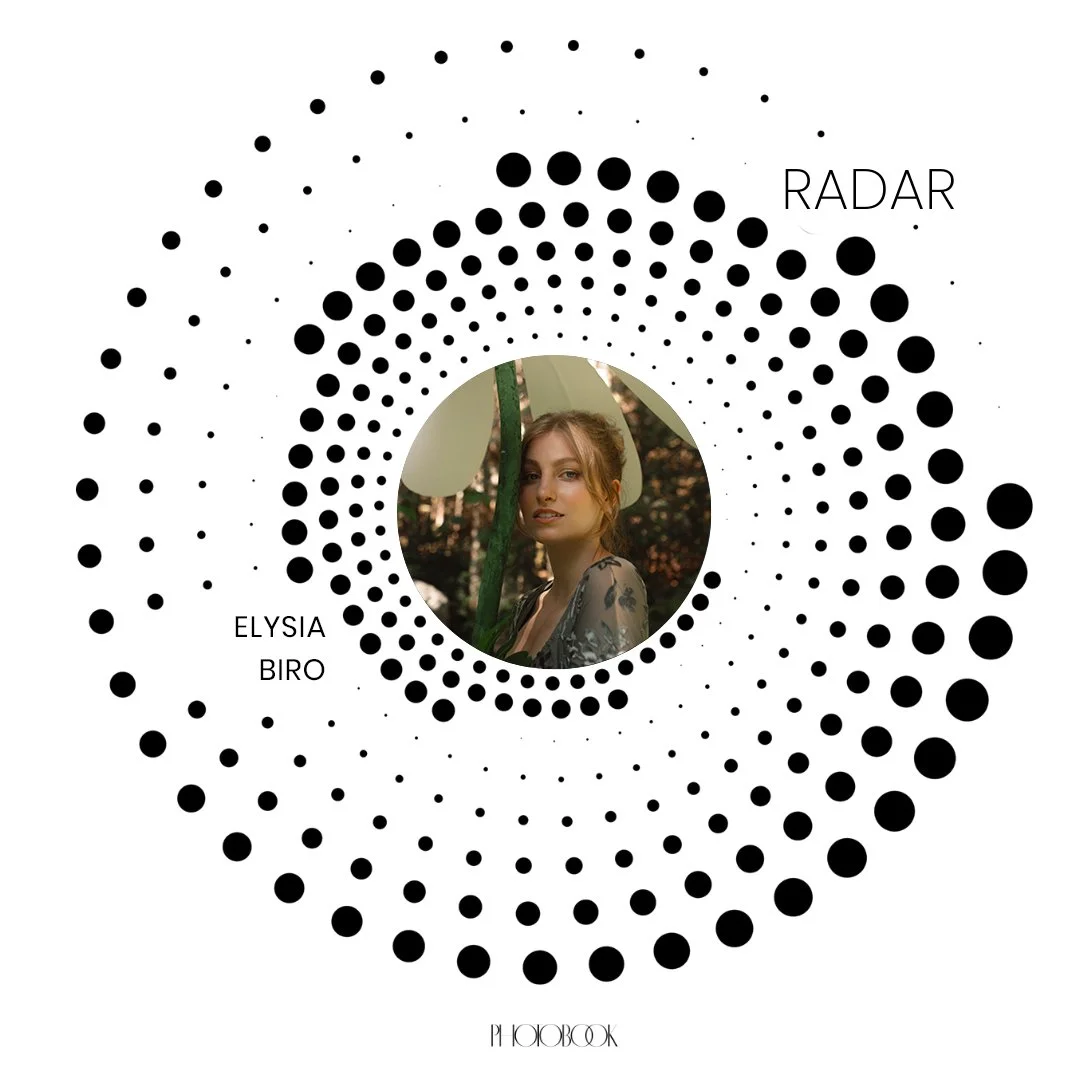
The kind of artist who makes the massive world of music feel incredibly small and personal is Elysia Biro. It does not matter if she's playing a harpejji on a rooftop in Tokyo or recording live-off-the-floor to capture the "happy accidents" of a room full of musicians, her work feels grounded in a rare kind of honesty. Her debut EP, Running From Nothing, is written in bedrooms and studios from Azerbaijan to London, yet it remains deeply rooted in the nature of her Vancouver Island home. As early critical acclaim continues to build and she prepares to embark on an international tour run, Elysia discusses the "small truths" hidden in her lyrics.
You mentioned that these tracks are "small truths revealing themselves." Was there a specific song on the EP that was particularly difficult to be honest about during the writing process?
I think that all of them kind of had these specific meanings for me that were, you know, important to me, especially throughout this chapter. Probably the one that was the most difficult, just in that it was the most raw and soul-bearing for me was "Wish I Were Better." For me, it was kind of that feeling of being completely exacerbated, like trying to put everything into something and being in a relationship (even not a romantic one) that kind of feels like everything you put in, you're not getting anything back from someone. That was one that was really raw for me emotionally, but also felt very validating and nice to put in a song for myself.
This EP was written across multiple countries. How did the different environments, from Canada to the UK, shape the "timeless" sound of the record? Do you hear a specific city in any of these tracks?
A lot of this EP reflects my coming back to Vancouver Island and my growing up here, and a lot of the nature theme of being here. But also, I think it's such a special thing to be able to write in different places. There are such different inspirations that come even just from being in different rooms, let alone being able to write in different countries. It was really special because, like you say, I think the songs on this EP did come from really different places; like "Fool's Gold," I was in Azerbaijan, and "Running From Nothing," I was in London. For "Wish I Were Better," I was at my parents' house in Canada, and the other two were in L.A. So it's kind of all over, and I definitely think that you can hear not only the change of where I was in this last chapter across the EP, but also the influences of different places that I was in all of them, which is special to see how that always is different, and sometimes not in the ways that you expect.
Your music is being called a "timeless alliance" of genres. How do you find the balance between the technical precision of your classical/jazz training and the raw, unforced delivery that pop audiences crave?
It's been really special for me to be influenced by so much different music, and I'm grateful. Growing up, I listened to so many different genres, and that was really helpful just because I love drawing influences from all of them. Specifically, from pop music, there's a lot of the structure and melodic content and that kind of catchiness that you love, and that's definitely influenced me. With jazz, it's the voicings, the harmonic content, and even some of the ways that I play or sing. Lyrically, I draw from a lot of folk music, and technically from classical. There are all these different elements that I think have been really special that I can see I've drawn from. I always try to have the intention with my music to have it be tasteful and not go overboard in any capacity. I'm hoping that kind of approach ties the gap between all of them.
Choosing to record with live-off-the-floor instrumentation is a bold move for a debut. Why was it important for you to capture that "in-the-room" energy rather than a more polished, synthetic studio sound?
It's such a special moment when you're able to put all the musicians in the room together. There's an element of sort of reactivity or responding that you can have when you're with someone in person that you can't always reflect when you're doing separate tracking. It was really special, like with "Fool's Gold," to play all together in the room. I was with a bunch of musicians that I really admire and respect, and I think that improves your own playing. There's a way to react to their language, and vice versa. I think you can hear it throughout the track; there are these moments where someone plays something and you can hear someone react to it. The kind of happy accidents or slight imperfections that you get sometimes are really special to hear on track because they're not the things that you would have expected, but they add something in a different way.
As a pianist, does the melody usually start at the keys for you, or do the "introspective lyrics" come first and demand a certain harmonic structure?
It depends, but the vast majority of the time, it's probably when I'm at the piano and I'm kind of just playing different chords. It's usually the melody that typically comes first. But also, my voice memos app has like 6,000 recordings of just singing a random idea. Most of the time, if I'm intentionally starting a song, then it's usually chords and melody that come first. Then I really love being able to record just a little demo version of it and taking the recording somewhere else to write the lyrics.
Somehow, I don't know, I like to write the lyrics in a different space. So usually I'll go for a walk and just have my headphones on and write the lyrics somewhere else.
From 5 million streams to being named CHUM FM's Future Star, your rise has been incredibly swift. How do you keep your artistry grounded when the industry around you is moving at such a high velocity?
It's been so exciting, and I'm so grateful to be able to be doing this. It's such a privilege and I never take it for granted to be able to create and connect with people. For me, the two main things that kind of reset me or ground me are definitely going to nature in some capacity and having a great group of friends and family around me. A lot of my family and friends back home might not have any music background, and then obviously more of the friends in LA do. Having that combination is helpful, and definitely always returning and going into nature is huge for me. I always love going to a park or some kind of green space wherever I go.
When you imagine the world of Running From Nothing, what do the visuals look like to you?
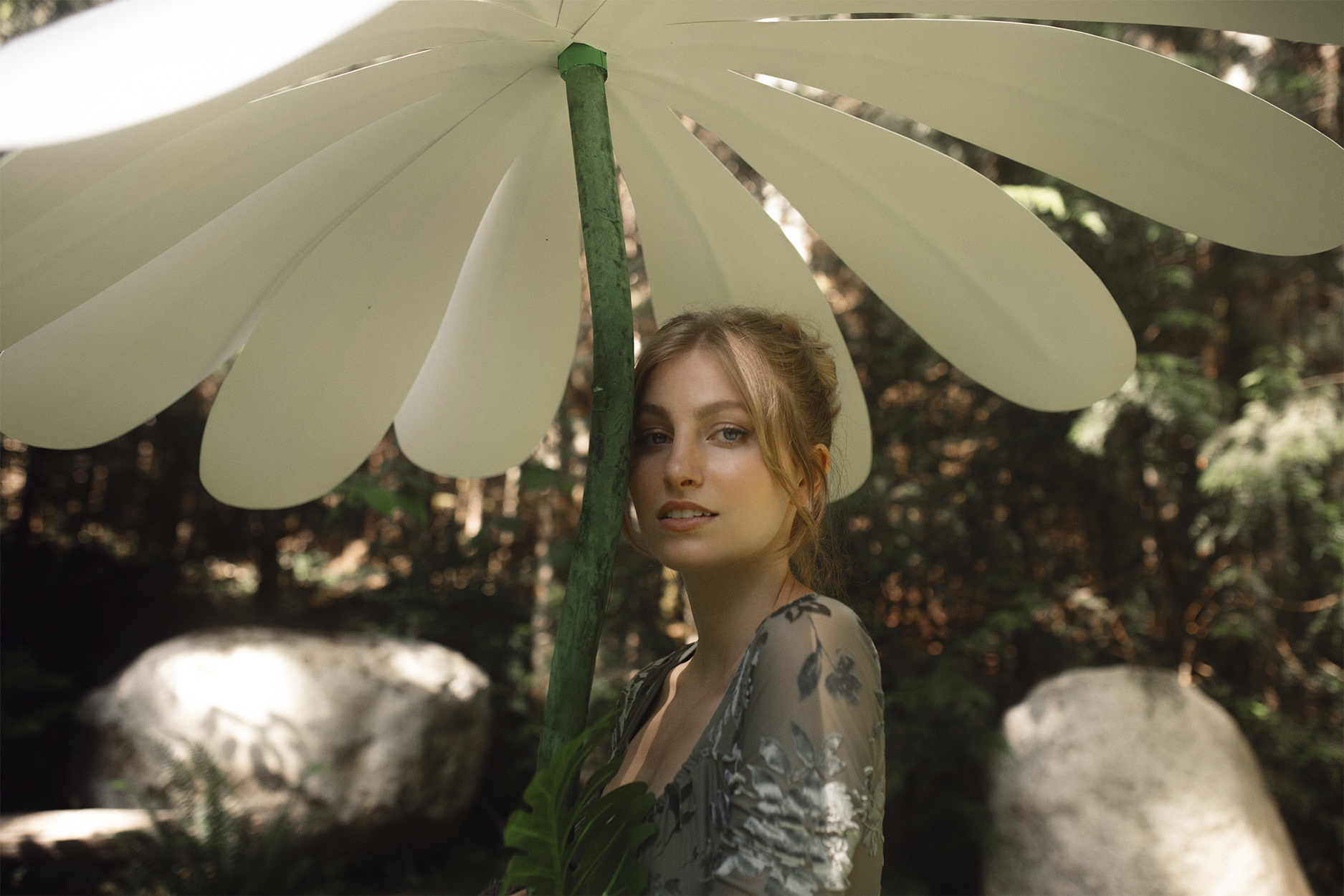
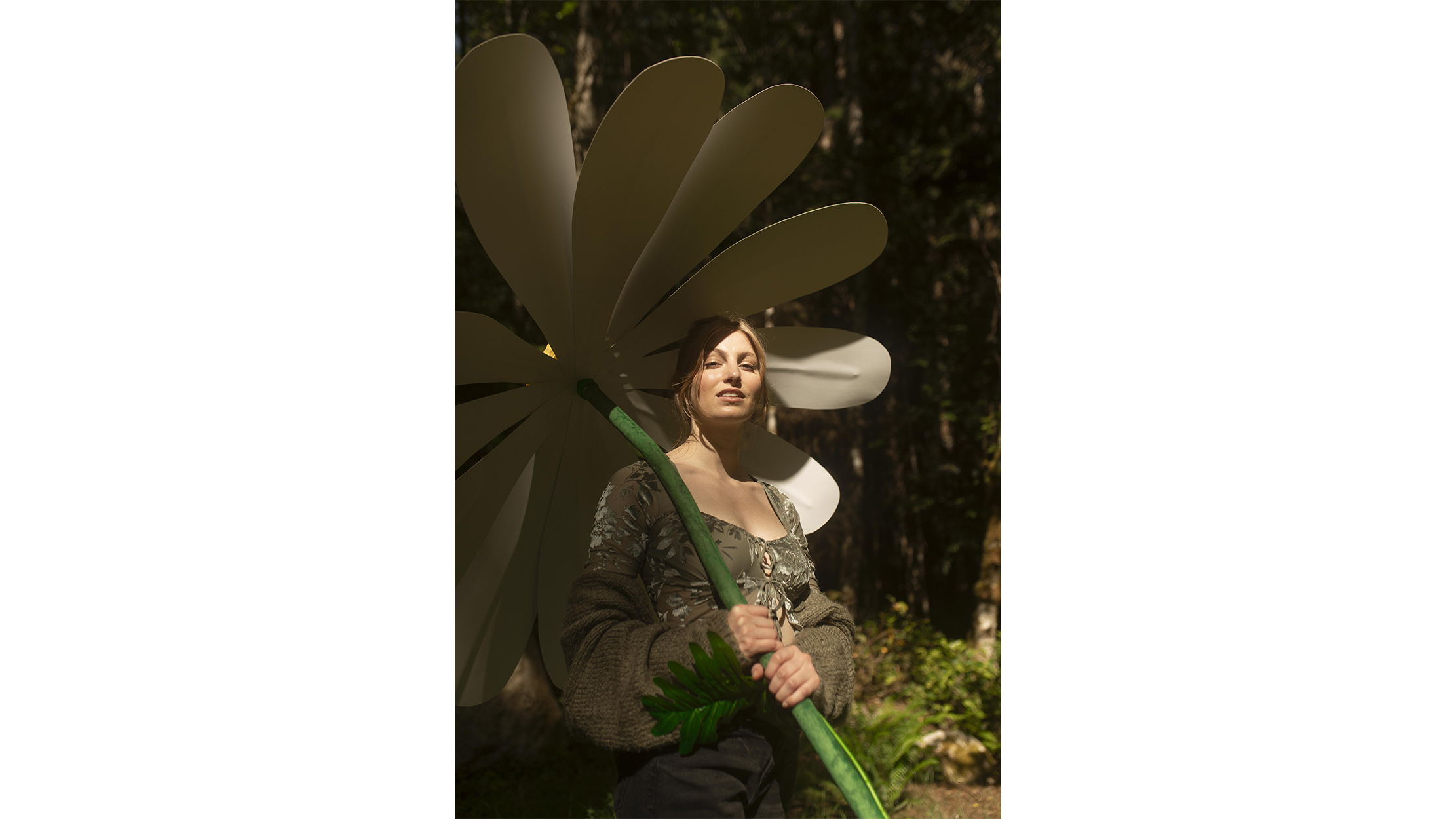
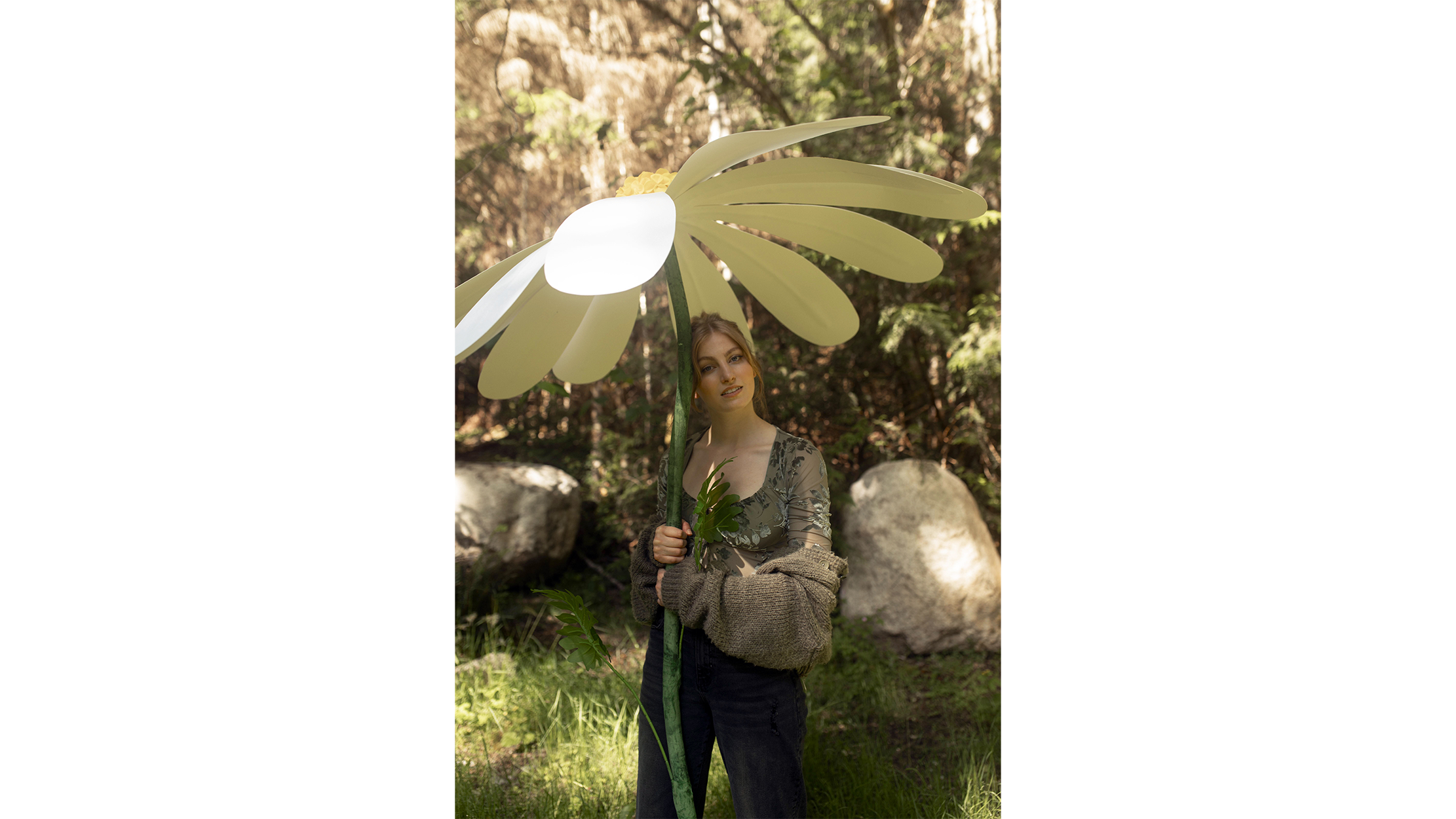
I think for all of the EP, I really wanted to have that kind of nature theme throughout because that was such an influential thing in my life and my writing. I love that a lot of the visuals for this kind of have me out in nature, whether that's a backyard or the middle of a forest. As well, I think that the track itself, "Running From Nothing," was kind of representing this realization and reframing that we're so infinitesimal in this giant universe, and that helps you to not overthink so much. I kind of like the idea of some of the visuals reflecting that, like having these giant flowers in "Wait a Minute" or having these giant fruits in "Running From Nothing." I like this idea of having these big pieces that kind of represent us being smaller.
Songwriting is a "tool for privacy" where you can blur the lines between yourself and others.
On a track like "Fool's Gold," how much of the story is your own experience versus a character you've created?
I think for this EP, because there are all these specific realizations, they're all really tightly tied into me and my experiences. Although sometimes I love writing with different perspectives in mind and being inspired by other stories or people around me, for this EP, they're all very personal to me. I kind of love having a bit of a blur in the sense that they might mean something completely specific to me, I love the idea of people being able to interpret and personalize lyrics so that it resonates for them. But they all definitely had very direct reflections for me as well.
You've built a massive following playing the harpejji and keyboards in cozy, intimate settings—on your bed or a rooftop in Tokyo. How do you plan to scale that "bedroom intimacy" for venues like the Royal Albert Hall?
I'm so excited, so excited first of all just to be able to connect with people in person. I think that a lot of the sort of intention for me when I was recording a lot of these videos online was being able to connect with people and have it feel like you're in the room with them. I really hope that on all of the stages that I get to perform on, it can still have that connection. A lot of the times when I perform, I like having it be a bit stripped down, whether that's me solo or in a trio setting. I really hope that it still has that kind of energy where people still feel like they're connected and that it's a bit more intimate, even if it's a bigger room.
You're often mentioned alongside artists like Laufey and Lizzy McAlpine. Do you feel like there is a specific movement happening where younger audiences are "re-discovering" the technicality of jazz through a pop lens?
A genre like jazz is always going to be around and persistent because it is such an incredible genre. I think it also kind of ties into this whole "return to analog." Because there's so much technology and it's such a big part of all of our lives currently, I think we see that with the return to vinyl, or people using wired headphones again. I just found out about this "analog bag" thing of going out with a film camera or your notebook. That kind of ties in musically as well, this kind of return to more organic sounds. I think jazz and that kind of genre lend themselves to that world. But as well, with more singer-songwriter sounds, or even a lot of the pop music you hear, there are a lot of organic sounds in it and I think that's probably connected. It feels really great to be even just a very small part of that kind of movement. It's really wonderful if that, in some ways, also brings jazz to younger audiences.
CREW CREDITS:
Talent: Elysia Biro
PhotoBook Editor-In-Chief: Alison Hernon
PhotoBook Creative Director: Mike Ruiz
Photographer: Liz Rosa
Tearsheets by Daniel López, Art Director, PhotoBook Magazine
Interview by Lily Kalbasz, Contributor, PhotoBook Magazine
RELATED STORIES