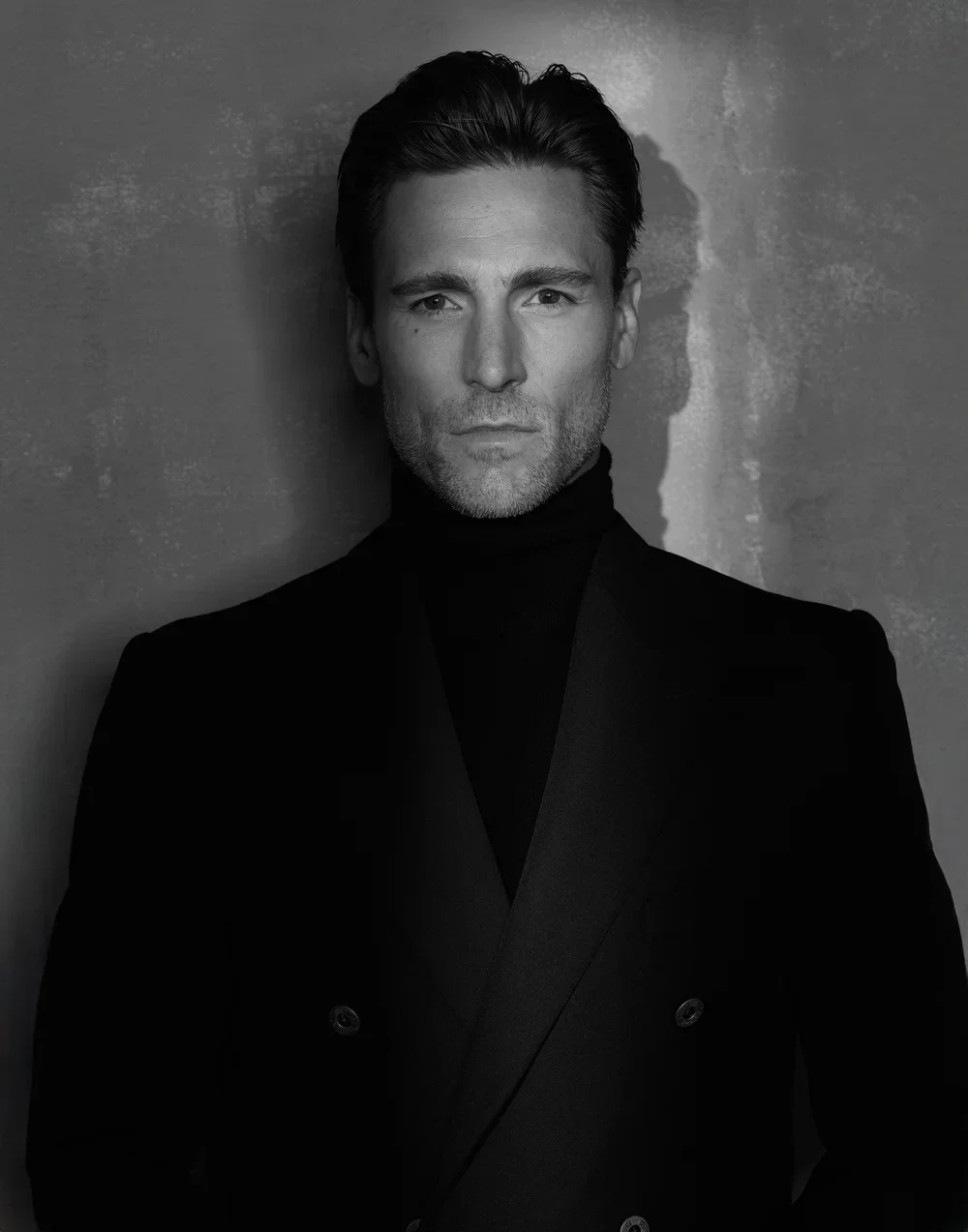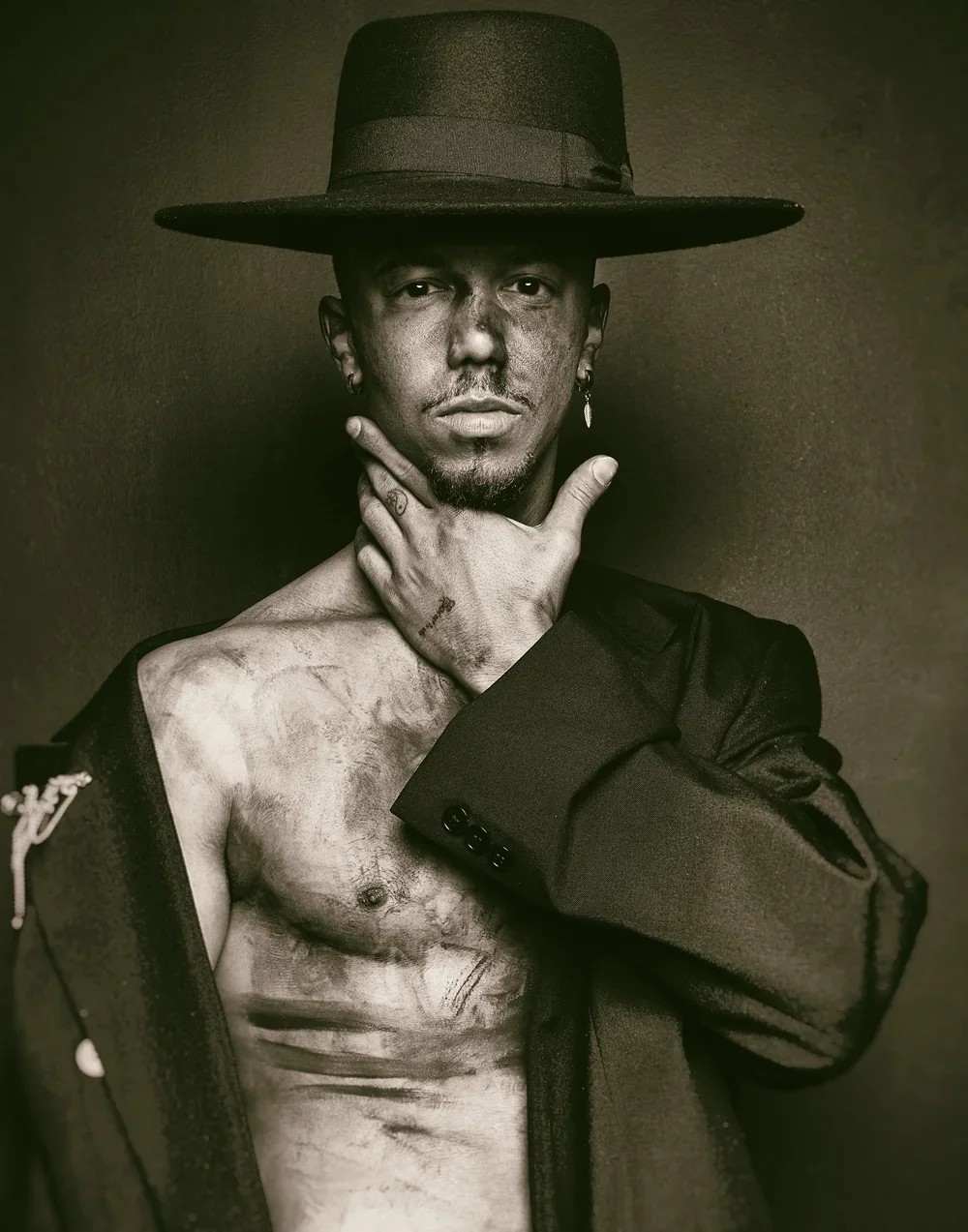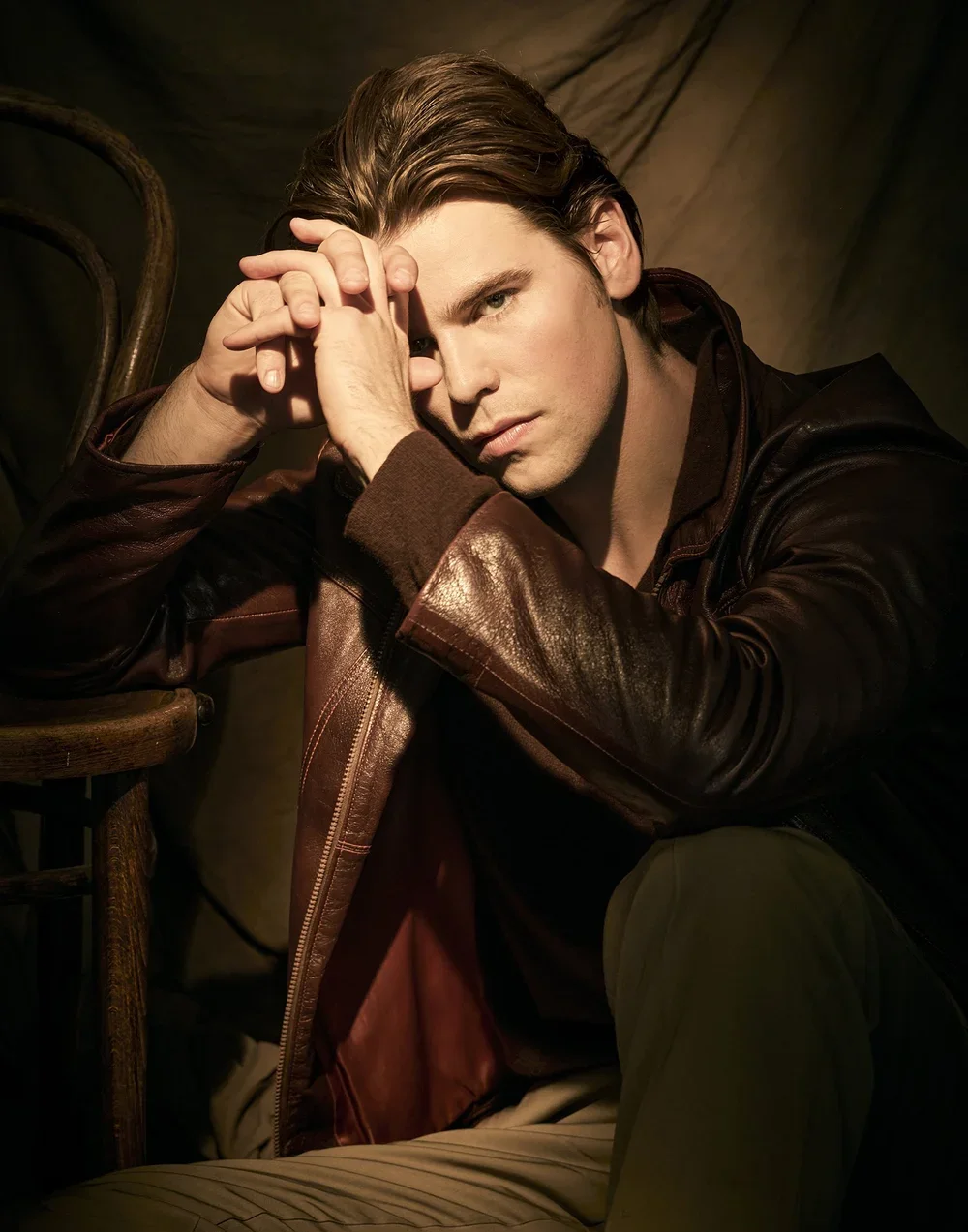
From Character to Creator: Colton Underwood on Ownership and Evolution
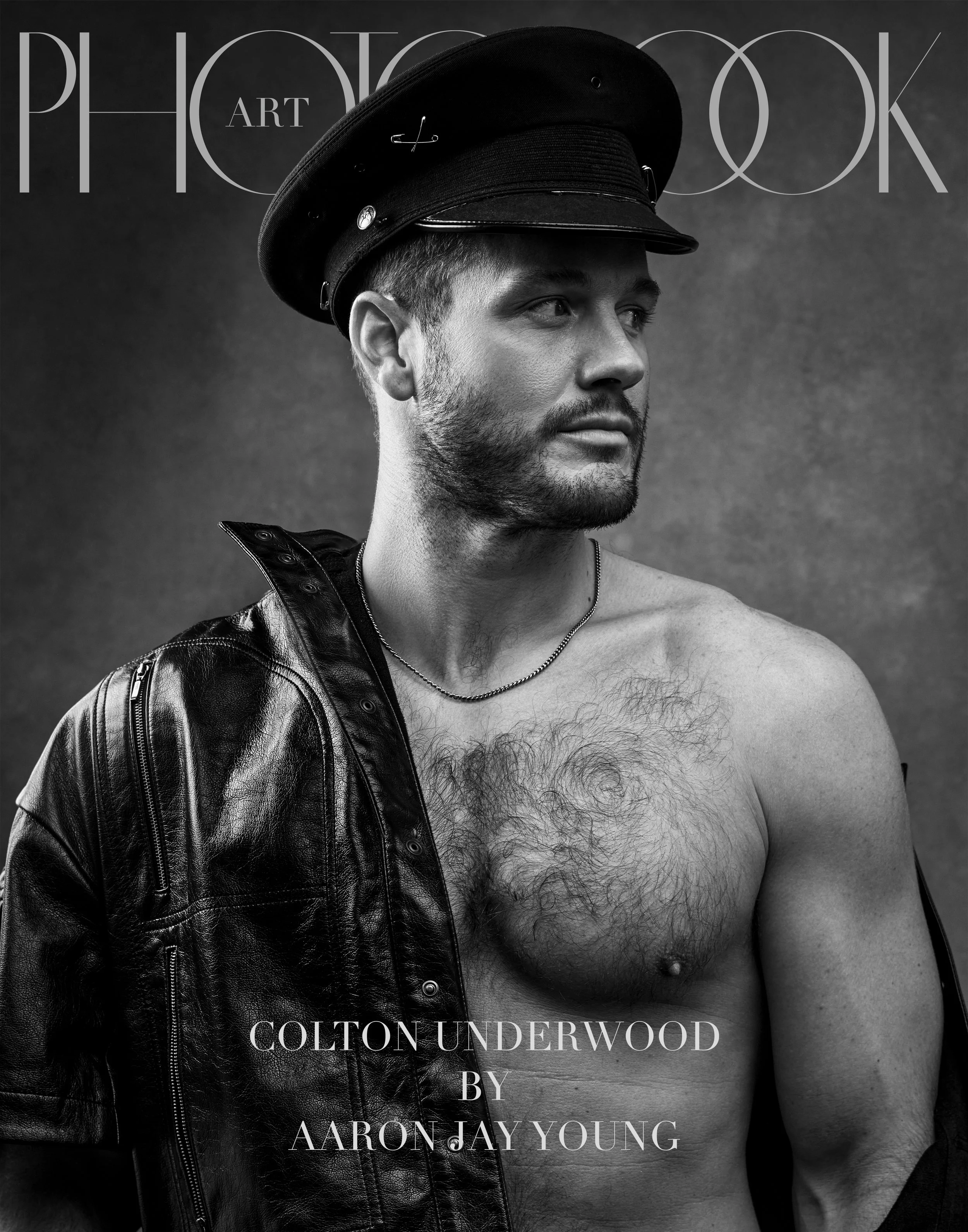
“You’re often a character in someone else’s edit,” says American reality television personality and former professional football player, Colton Underwood. From the structure of professional sports to the spotlight of reality television, much of his early public life was shaped through someone else’s lens. But over time, awareness turned into intention: “I didn’t just want to participate in stories anymore…I wanted to build them,” Underwood says.
And that shift in mindset changed how he sees everything now. Competing on The Traitors—a Peacock reality competition where contestants must identify the hidden “traitors” among them for a cash prize—became less about screen time and more about studying perception under pressure. Hosting the podcast DADDYHOOD—a documentation of Colton’s journey into fatherhood—became a space for honest, long-form conversations about growth, fatherhood, and identity. Today, he moves through public life with intention—focused not on how the story looks, but on why it’s being told.
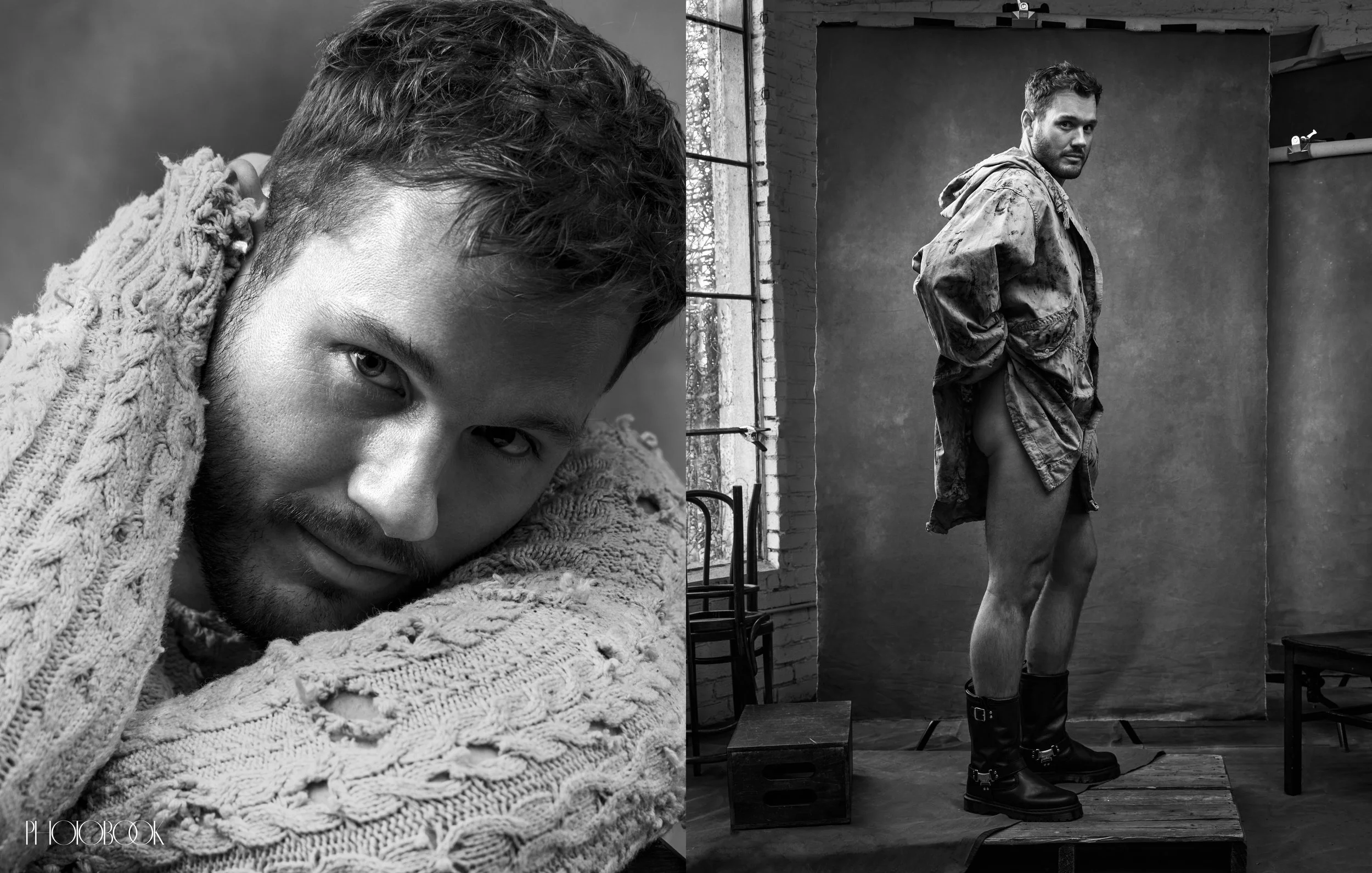
Left:
Sweater by The Marina
Right:
Coat by The Marina
Boots by Dr. Martens
Colton, you’ve lived several public chapters—from professional sports to reality television and now into advocacy and storytelling. When you look back, what moments most shaped the person you are today?
Every chapter shaped me in a different way. Sports taught me discipline and resilience. Reality television taught me how powerful (and sometimes fragile) storytelling can be. Coming out publicly was probably the most defining moment, because it forced me to live in alignment with who I am, not who I thought I needed to be. Fatherhood changed everything again. It gave me clarity. Now I look at my life less through the lens of performance and more through purpose—which has naturally led me toward creating and producing stories that matter.

You first entered the public eye as an athlete before becoming one of reality television’s most recognizable figures. When did you realize you wanted more ownership over the stories being told about you—and how they were told?
It happened gradually, but there was a clear turning point. I realized that when you’re in front of the camera, you’re often a character in someone else’s edit. That’s part of the business and I respect it, but I became more interested in shaping narratives from the inside out. I didn’t just want to participate in stories anymore; I wanted to build them. That shift is what pushed me toward producing and creative direction.
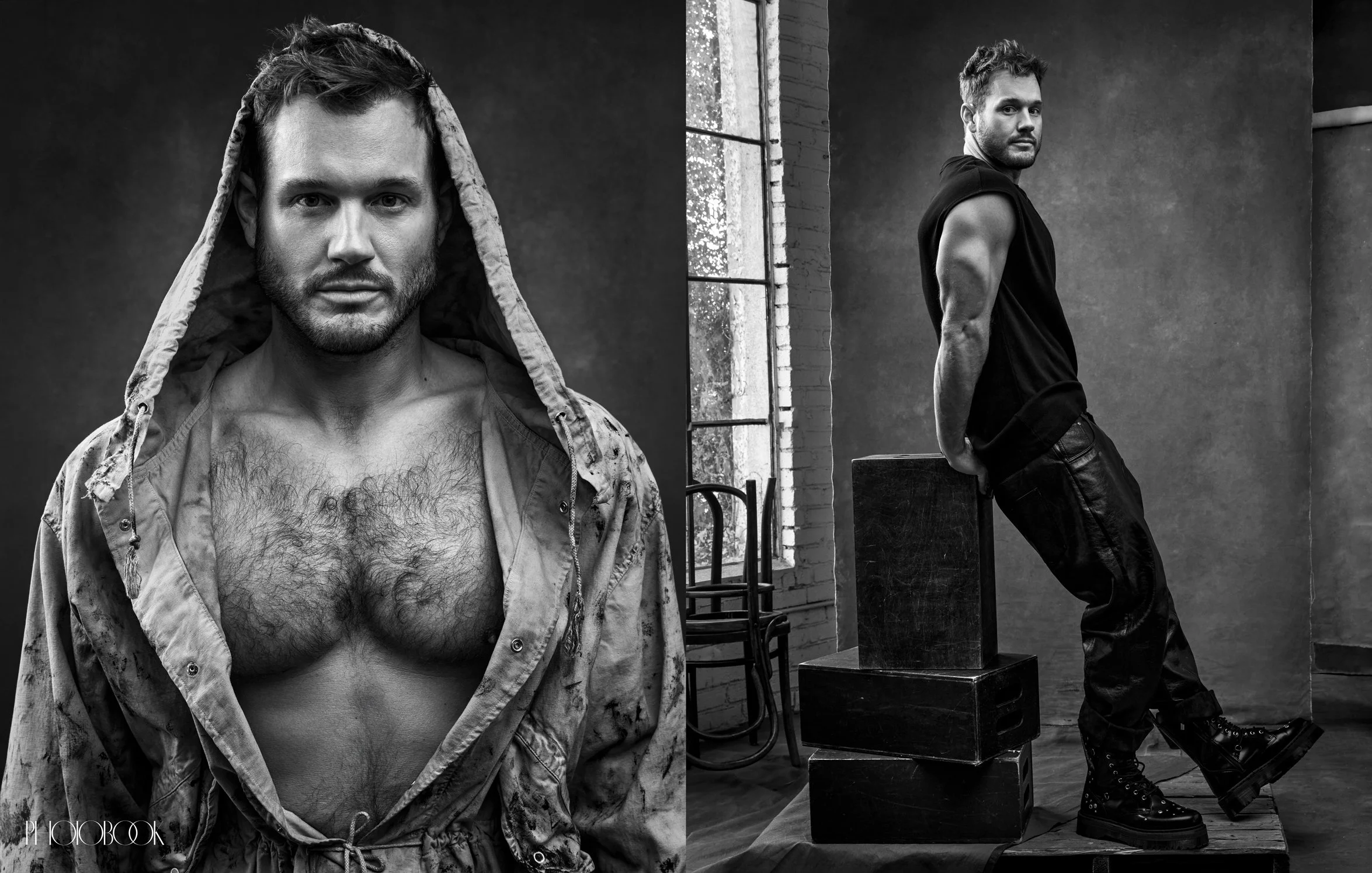
Left:
Coat by The Marina
Right:
Tank by The Marina
Pants by THEO
Boots by Dr. Martens
This winter, you return to television as a contestant on The Traitors, a series built around strategy, psychology, and trust. What initially drew you to this particular project?
I was drawn to the psychology of it. It’s not about romance or likability…it's about reading people, managing perception, and understanding human behavior under pressure. That dynamic felt different from anything I’d done before. It also allowed me to engage with television from a more strategic place, which is something I’ve grown really interested in creatively.
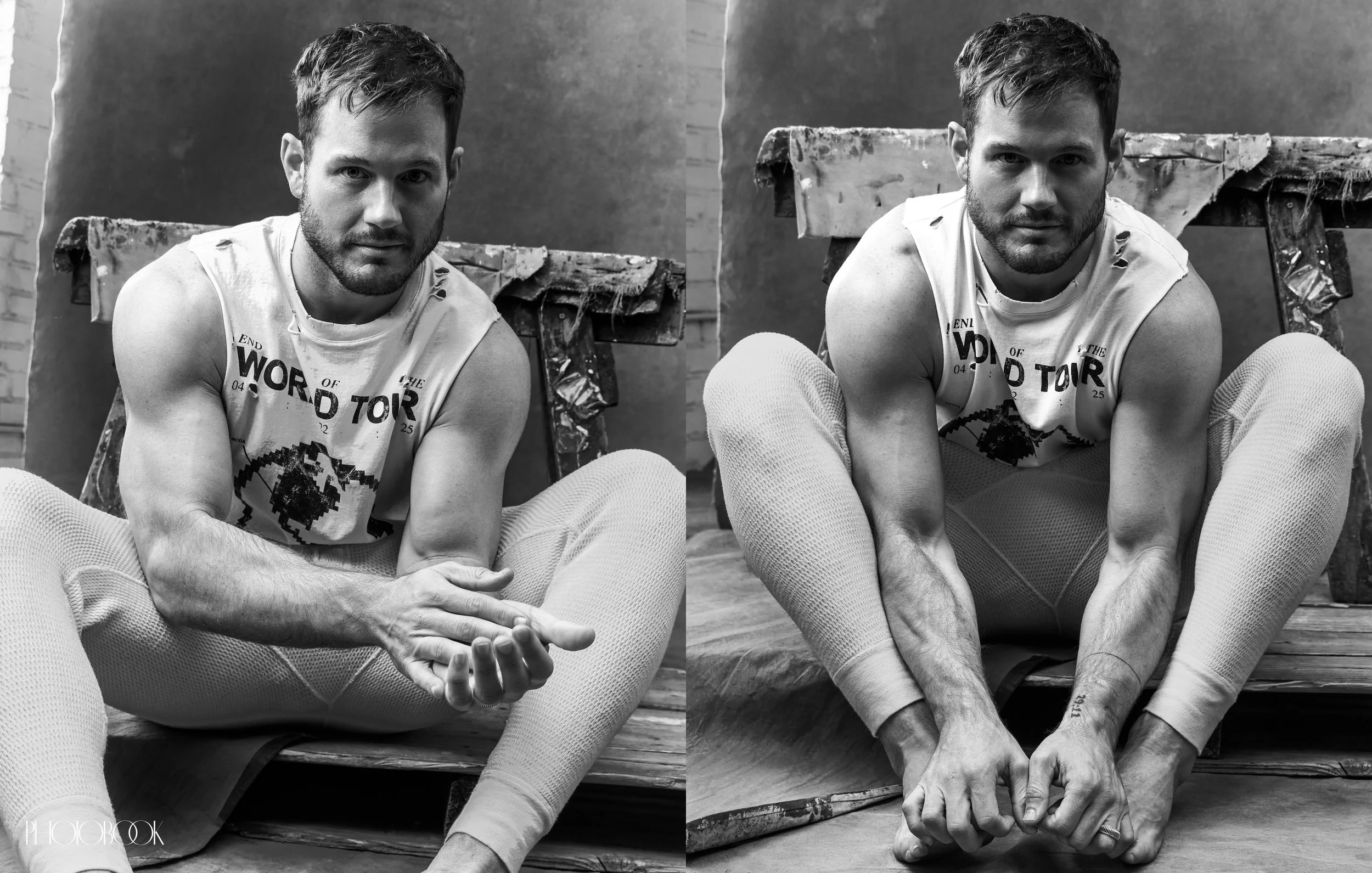
Tank by Nexus Moda
Thermal by The Marina
The Traitors requires players to constantly question motives and alliances. How did navigating that environment differ from your past experiences on reality television?
The biggest difference was awareness. I’ve lived through what it feels like to be edited into a storyline. This time, I understood the mechanics more deeply. I wasn’t just reacting, I was observing. I paid attention to how narratives were forming in real time. That perspective has been invaluable as I transition into producing, because it sharpened my understanding of structure, pacing, and character arcs.
Much of The Traitors is about reading people in moments of uncertainty and silence. How did you approach building trust—and knowing when not to?
I relied on instinct, but I also stayed measured. In a game built on uncertainty, silence can tell you more than words. Trust, for me, was less about loyalty and more about consistency. Who behaves the same when the pressure rises? That lens, studying behavior patterns, is something I now find myself applying creatively when developing projects.
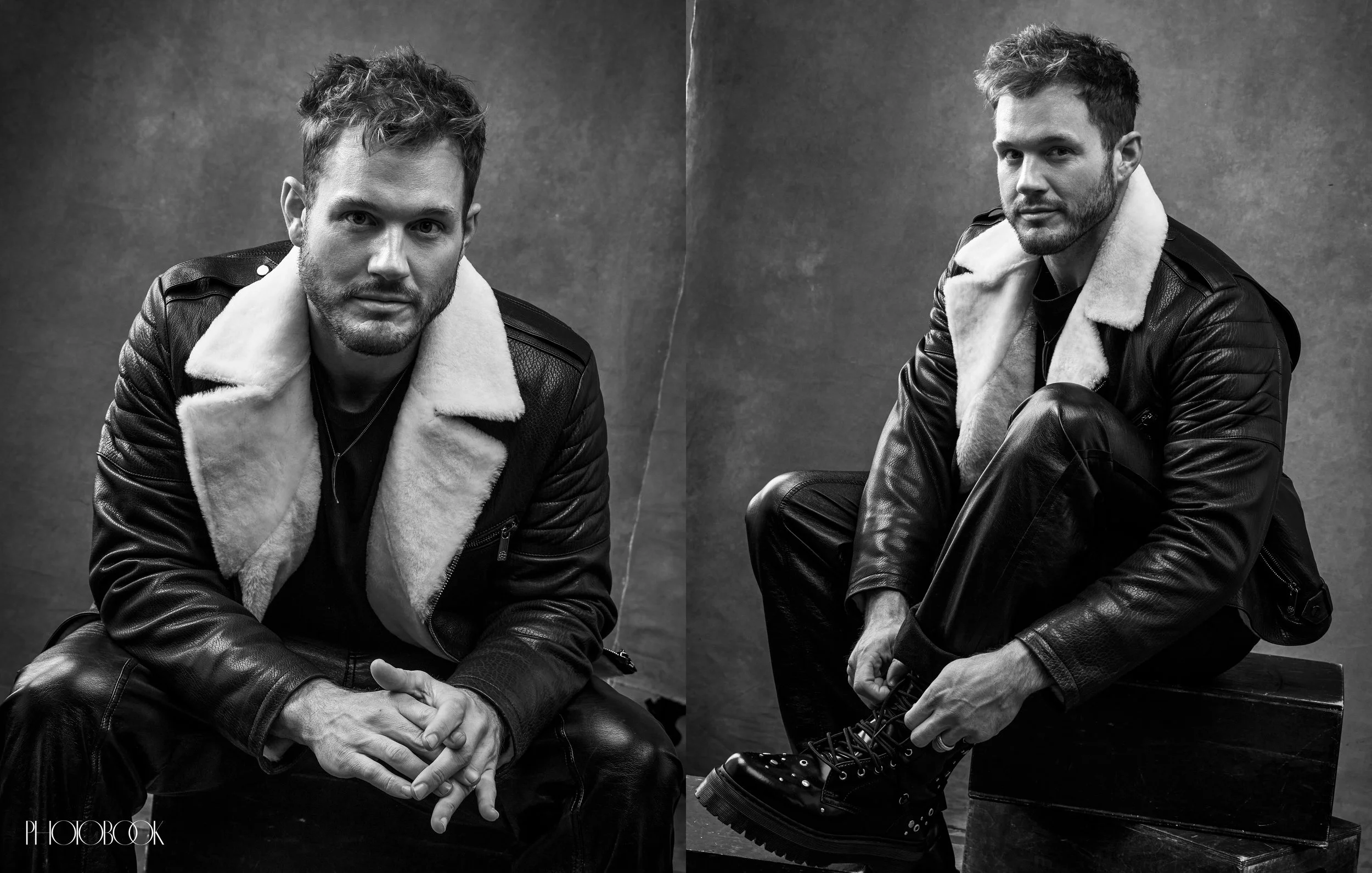
Jacket by Gorski
Tank by The Marina
Pants by THEO
Boots by Dr. Martens
Since coming out publicly in 2021, you’ve been a visible advocate for LGBTQ+ inclusion in sports and media. How has that responsibility shaped the way you move through public life today?
It made me more intentional. Visibility carries responsibility. I’m aware that representation matters—especially in sports and media spaces where LGBTQ+ voices have historically been limited. That awareness influences not just how I speak publicly, but what I choose to build next. I’m focused on creating projects that expand the conversation rather than just reacting to it.
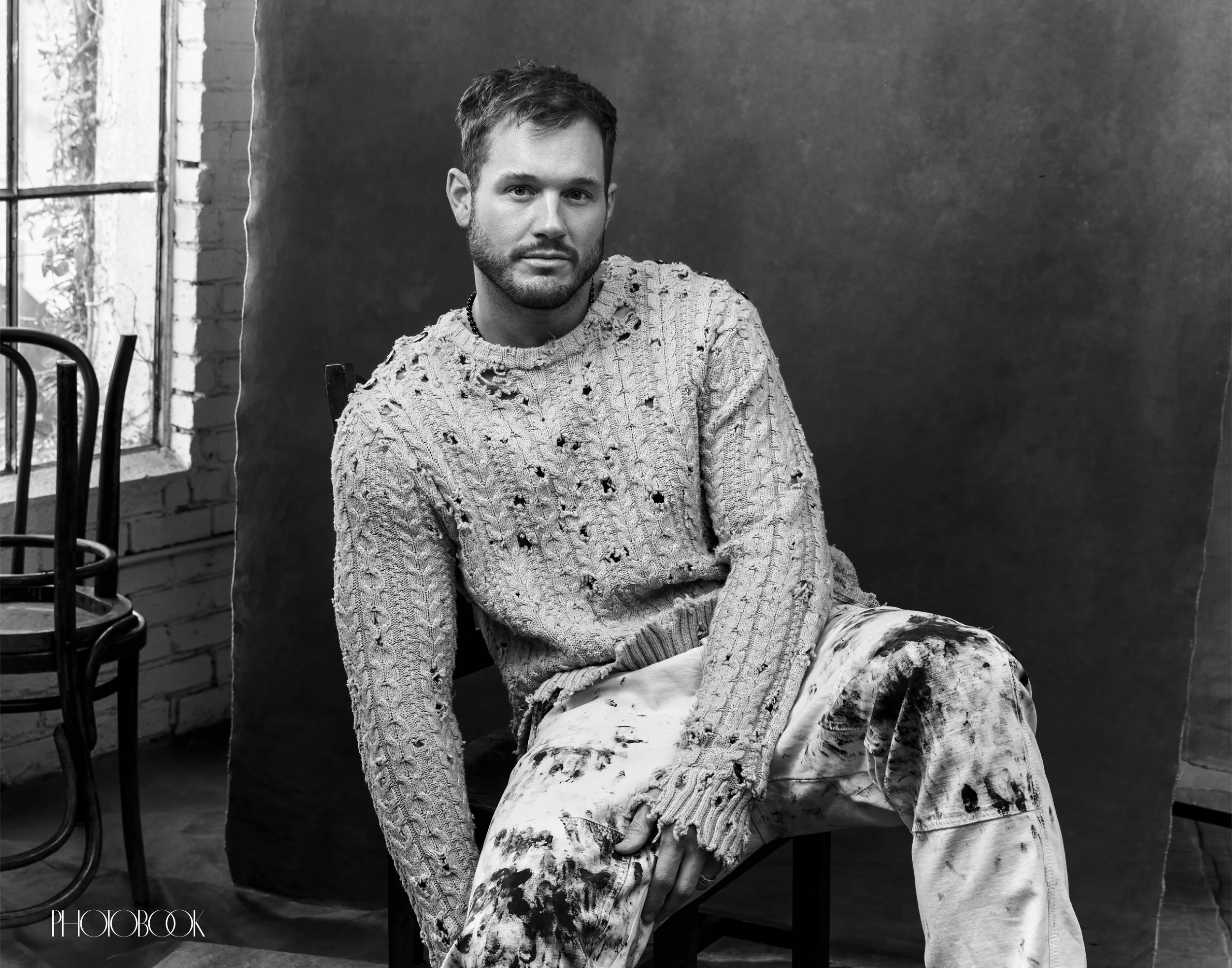
Sweater by The Marina
Pants by The Marina
Necklace by Pyrrha
You’ve spoken openly about mental health and personal transformation. Why do you feel those conversations are especially important in spaces like sports and reality television?
Both environments reward toughness, performance, and composure. But behind the scenes, they can be isolating and high pressure. I think normalizing mental health conversations in those spaces helps humanize the people inside them. It reminds audiences (and participants) that growth isn’t weakness. It’s evolution. That idea of evolution is something I’m very interested in exploring through the stories I help bring to life.
You also host a podcast, DADDYHOOD, where you share an intimate look at your journey toward becoming a parent. What inspired you to document such a personal chapter so openly?
Becoming a parent was the most personal journey of my life. For a long time, I didn’t know if that dream would be possible. Sharing it felt important… not as a highlight reel, but as an honest account of navigating uncertainty, surrogacy, and two-dad parenthood. The podcast became less about broadcasting and more about building community. It also showed me how powerful intimate, long-form storytelling can be.
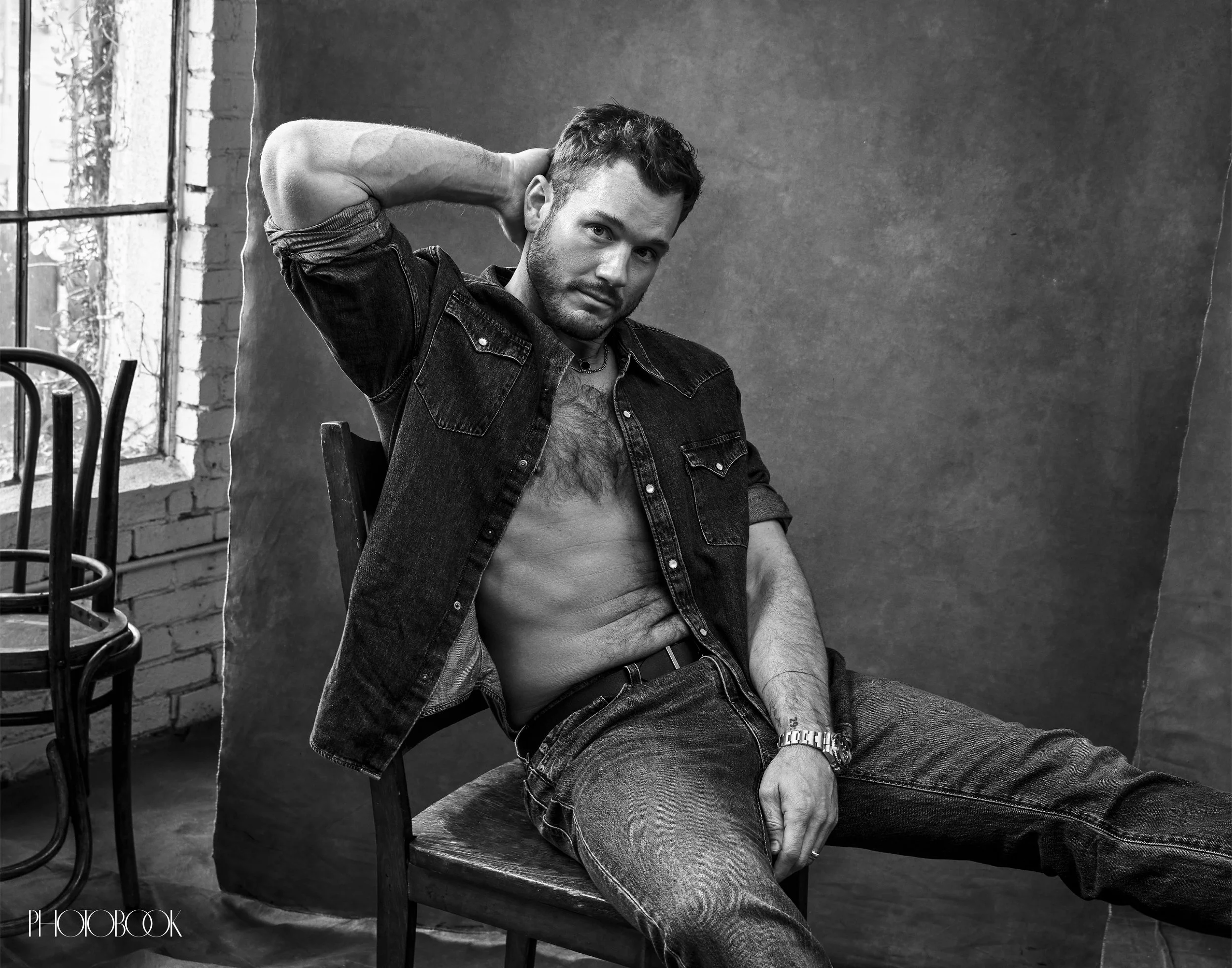
Shirt by Levis
Pants by Levis
Belt by American Eagle
Necklace by Pyrrha
For listeners who may feel behind or uncertain about their own timelines, what do you hope DADDYHOOD communicates about readiness and becoming a parent?
There’s no perfect timeline. Readiness isn’t about having every answer. It’s about being willing to grow. I hope people walk away understanding that their path doesn’t need to mirror anyone else’s. Life rarely unfolds the way you expect it to. But that doesn’t mean it unfolds incorrectly.
If you could speak to your younger self—the athlete, the reality star, the version still unsure of his future—what would you want him to know about where you’ve ended up?
I’d tell him that the uncertainty is leading somewhere meaningful. The setbacks, the public scrutiny, the pivots—they’re preparing you to tell stories differently. You won’t just be part of the narrative. You’ll eventually help shape it. And that shift, from being the subject to becoming the architect, will feel like coming home.
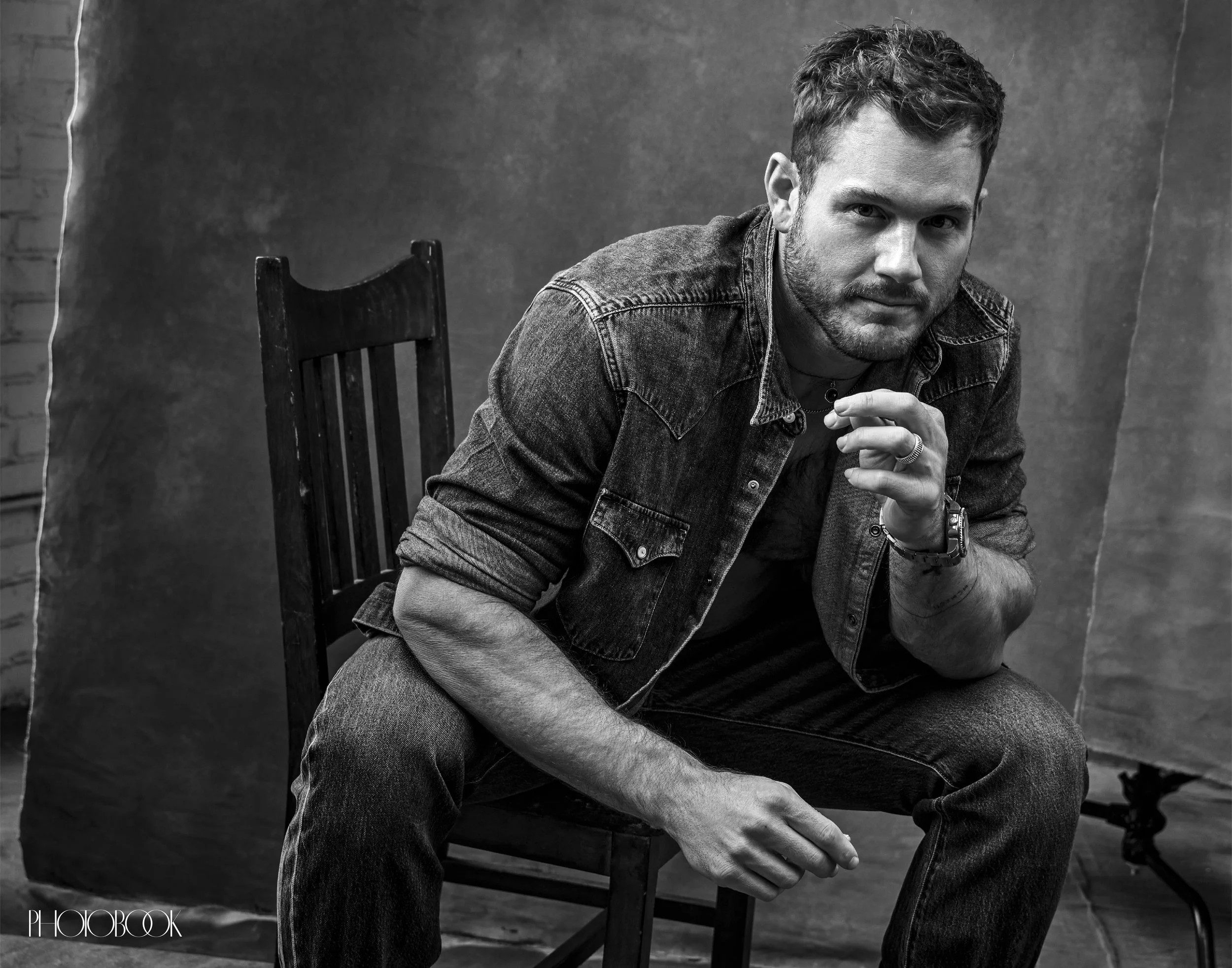
CREW CREDITS:
Talent: Colton Underwood
PhotoBook Editor-In-Chief: Alison Hernon
PhotoBook Creative Director: Mike Ruiz
Photographed by Aaron Jay Young
Groomer: Cooper HB
Stylist: Branden Ruiz
Tearsheets by Daniel López, Art Director, PhotoBook Magazine
Interview by Joaquina Dima, Contributor, PhotoBook Magazine
RELATED STORIES