Elizabeth Perkins on the Grit Behind the Glamour
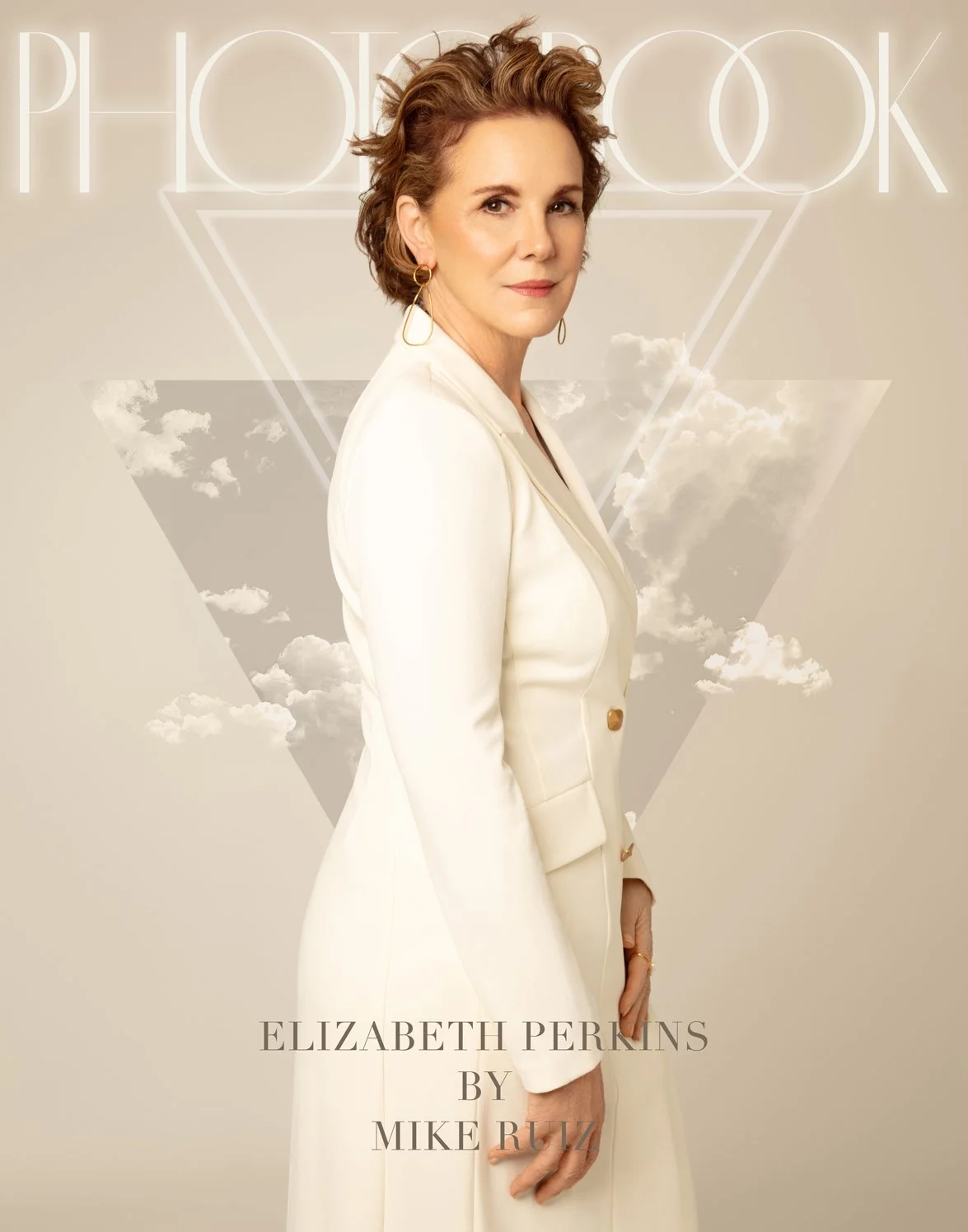
Outfit by Donna Karan
Earrings + Rings by Stylist Own
Plucked from theater school and dropped onto the set of About Last Night alongside the height of the "Brat Pack" craze, Elizabeth Perkins decided on day one to simply fake it. "I’m an actor," she recalls thinking, "so I’m just acting like an actor." That bold, ego-free approach has defined a forty-year career that spans from the handmade, pre-CGI magic of The Flintstones to the sharp-edged brilliance of Weeds.
Today, Perkins is as productive as ever, balancing the dark, psychological tension of FX’s Cry Wolf with the sharp wit of Dan Levy’s Big Mistakes. At 65, she’s reached a point of total intentionality, choosing her collaborators as carefully as her characters. "I’m in a position where I can choose to work with people I respect," she says. "I want to work with people who have integrity, not just for their work, but for humanity." Elizabeth opens up about the grit behind the glamour and why, after forty years, she’s finally playing the most important role of all: herself.
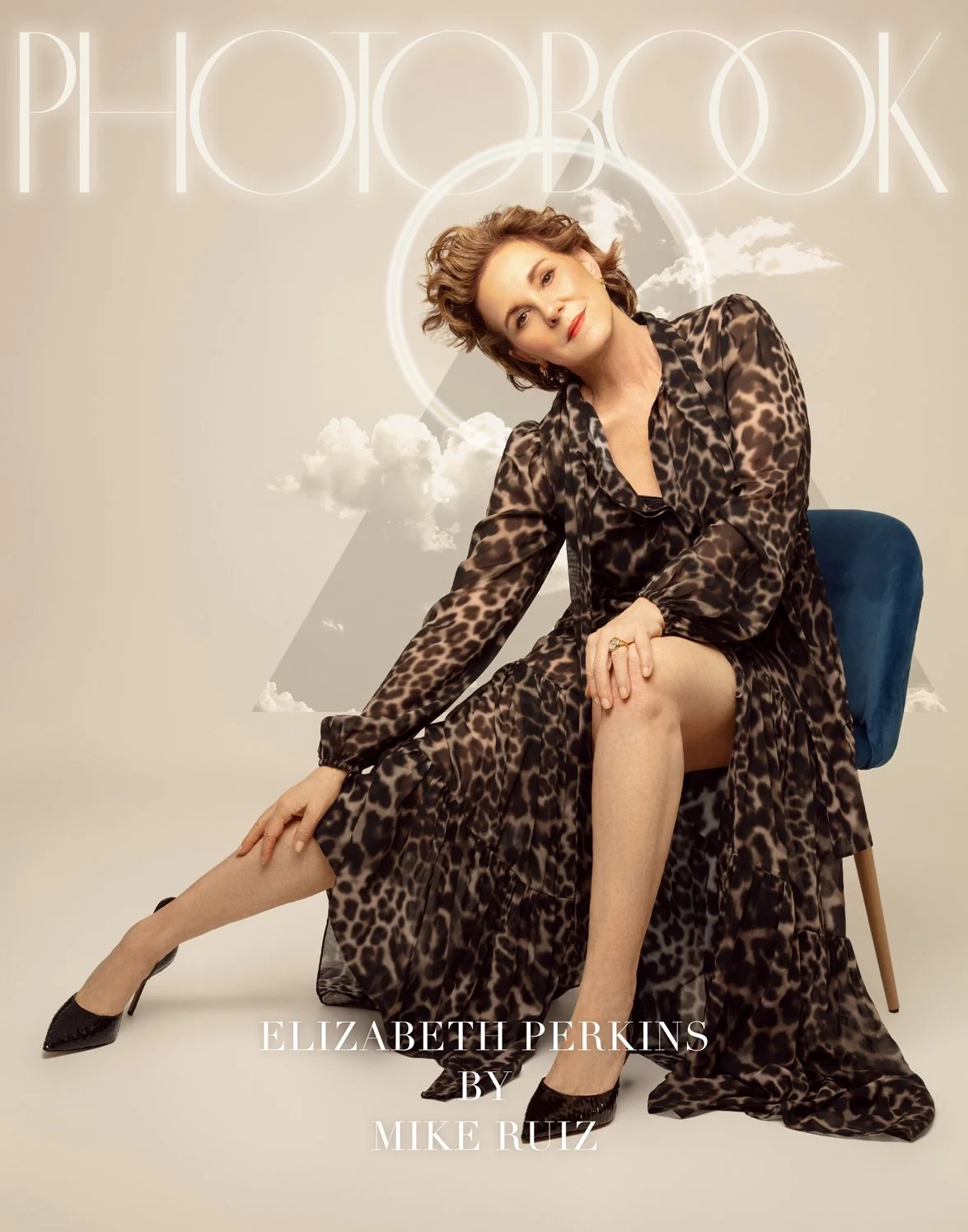
Dress by Kobi Halperin
Shoes by Vince Camuto
Earrings + Rings by Stylist Own
Elizabeth, can you take me back to the beginning—what do you remember most vividly about your earliest experiences on set?
My very first film was a movie called About Last Night. It was the first film I ever auditioned for, and I got it! I didn’t know anything. I’d never been in front of a camera, and I’d never stepped foot on a movie set before. I had no idea what I was supposed to do or how the set operated. They were saying things like, "We’re going to do an over-the-shoulder," and "then we’re going to get your POV," and "run into a two-shot," but "first we’re going to do a marking rehearsal." I had gone to theater school, but I’d studied only theater. It was Demi Moore and Rob Lowe at the height of the "Brat Pack" phenomenon. There were girls on the sidewalk screaming, and I was just this theater actor. I don't mean that to sound rude, but I had only done theater, so I didn't know what this world was at all. I just decided on dayone: "Well, I’m an actor. I’m just going to fake it." I faked it through the whole production, having absolutely no idea what I was doing. It dawned on me halfway through that since I'm an actor, I'm just acting like an actor. By my second film, I was seasoned. I've always felt lucky to get the very first movie I auditioned for; that just doesn’t really happen. Rob Lowe used to say he was born under a lucky star, and that stayed with me. It was just me being at the right place at the right time.
You made your television debut in For Their Own Good. How does that experience compare to the kind of work you’re doing in your recent projects now?
This was really before cable television shows. I mean, there had been The Sopranos and things like that, but this was a "made-for-television" movie. Back then, there was no distinction between film and television in that context, because we were making a movie specifically to be aired on TV . It was based on a true story of female factory workers in Texas who were forced into surgical sterilization to protect the corporation from liability because they were working with toxic chemicals. I thought, "Wow, I can actually make a statement in my work. I can fight for causes that are important to me and impact women." It was the first time I did something I thought was impactful. It was very different from when I moved on to Weeds, which was a half-hour cable show. I think we were one of the very first half-hour cable shows. That was really the first time I’d done episodic television. Now, everything is sort of episodic. Sometimes I’ll watch a show and think, "This could have been a film," because I'm watching eight hours of it. But back then, you would do an hour-and-a-half or 45-minute movie, and a lot of them were focused on social impact.
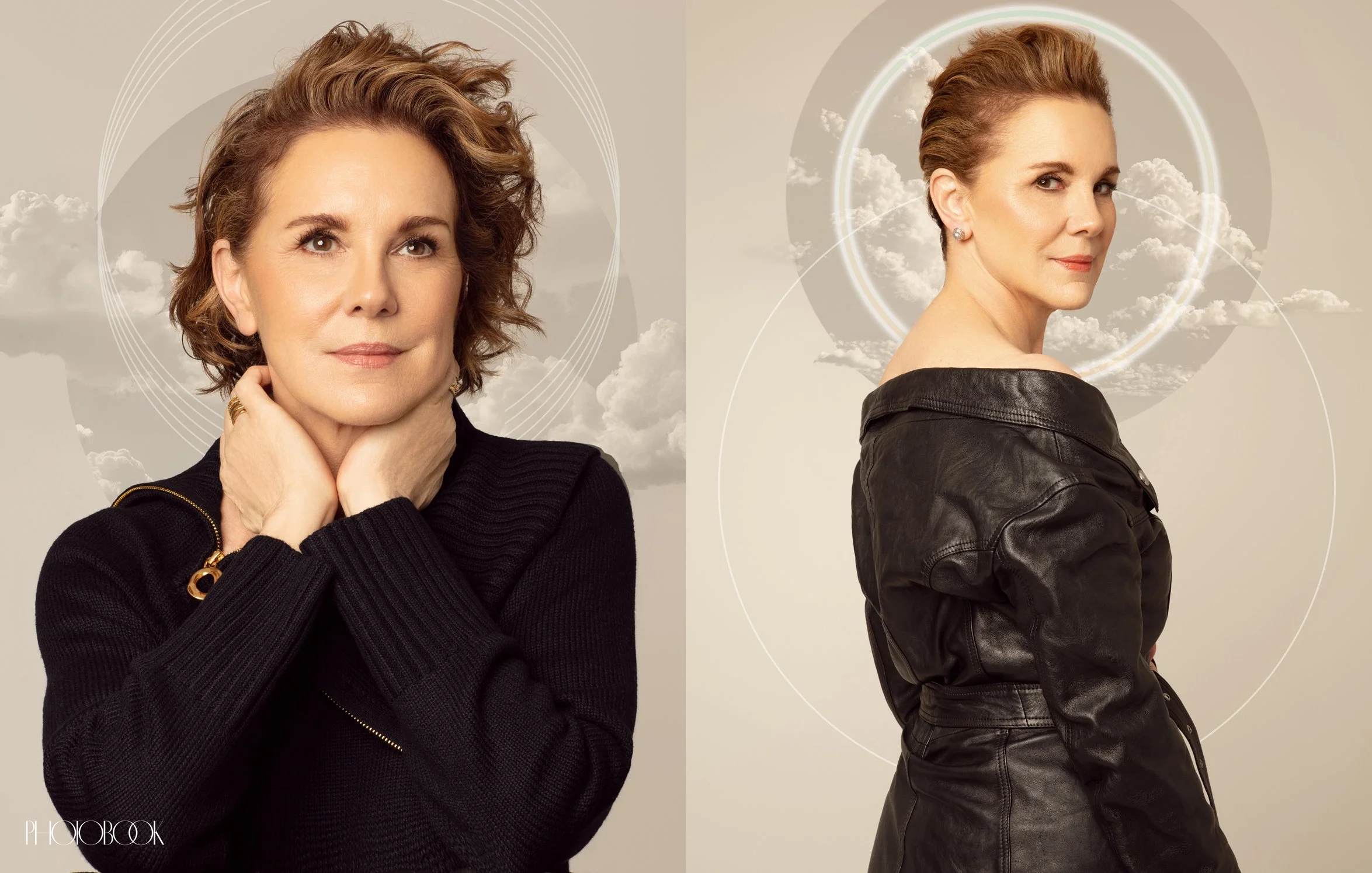
Left:
Top by Donna Karan
Rings by Stylist’s Own
Right:
Coat by Karen Millen
Earrings by Stylist’s Own
What was it like stepping into such an iconic role as Wilma Flintstone back in 1994?
I had grown up with The Flintstones. I’m a child of the '70s, so watching cartoons was what we did on Saturday mornings. The whole film was pre-CGI and pre-special effects. I think Dino the dog, the dinosaur, and the slate pit were early CGI, but the rest were Jim Henson Muppet characters. We were working with incredible people, and the creativity on set was off the charts. Everything was handmade, from our frying pan to the props, cars, and houses. At first, I didn't know how to approach it. I knew The Flintstones was based on an early sitcom called The Honeymooners starring Jackie Gleason. I started by watching all of The Honeymooners because Wilma was based on Gleason's wife, Alice. To get her vocal inclinations correct, I called Jean Vander Pyl, the original voice of Wilma. She gave me the greatest piece of advice: "Wilma never says the name 'Fred' in one syllable. It’s always two." So instead of "Fred, " I’d say, "Fre-ed." That defined the character for me. She also noted that because it was an early animation, Wilma’s movements weren't fluid; they were a little stilted and robotic. To have the chance to do all of that was amazing. We had Elizabeth Taylor on set, and Michael Jackson came by one day, everyone was freaking out. We were garnering so much attention that Universal put our base camp onthe tram ride. The tram would stop and they'd tell us to come out of our trailers. It was so silly and so fun. I still have my Wilma toga and a Flintstones painting of Van Gogh’s sunflowers. I felt so lucky.
Having worked with such a wide range of directors, from Penny Marshall to Paul Feig, how has your relationship to collaboration evolved over time?
When you’re starting out, you’re just grateful somebody hired you. I was fortunate to work with really good directors early on: Ed Zwick, Penny Marshall, Barry Levinson, and Randa Haines. I was offered collaboration early, which doesn't happen for a lot of young actors. I worked with real storytellers, and that informed what true collaboration feels like. Everybody works differently, but when it happens, it feels inspiring. One of my favorite directors is Paul Feig. We’ve been friends for a long time and I’d follow him anywhere. He’s a lovely person who is easy to collaborate with. When you have a long-term collaboration, there’s a shorthand involved. I think that’s what any performer aspires to: truth and collaboration.
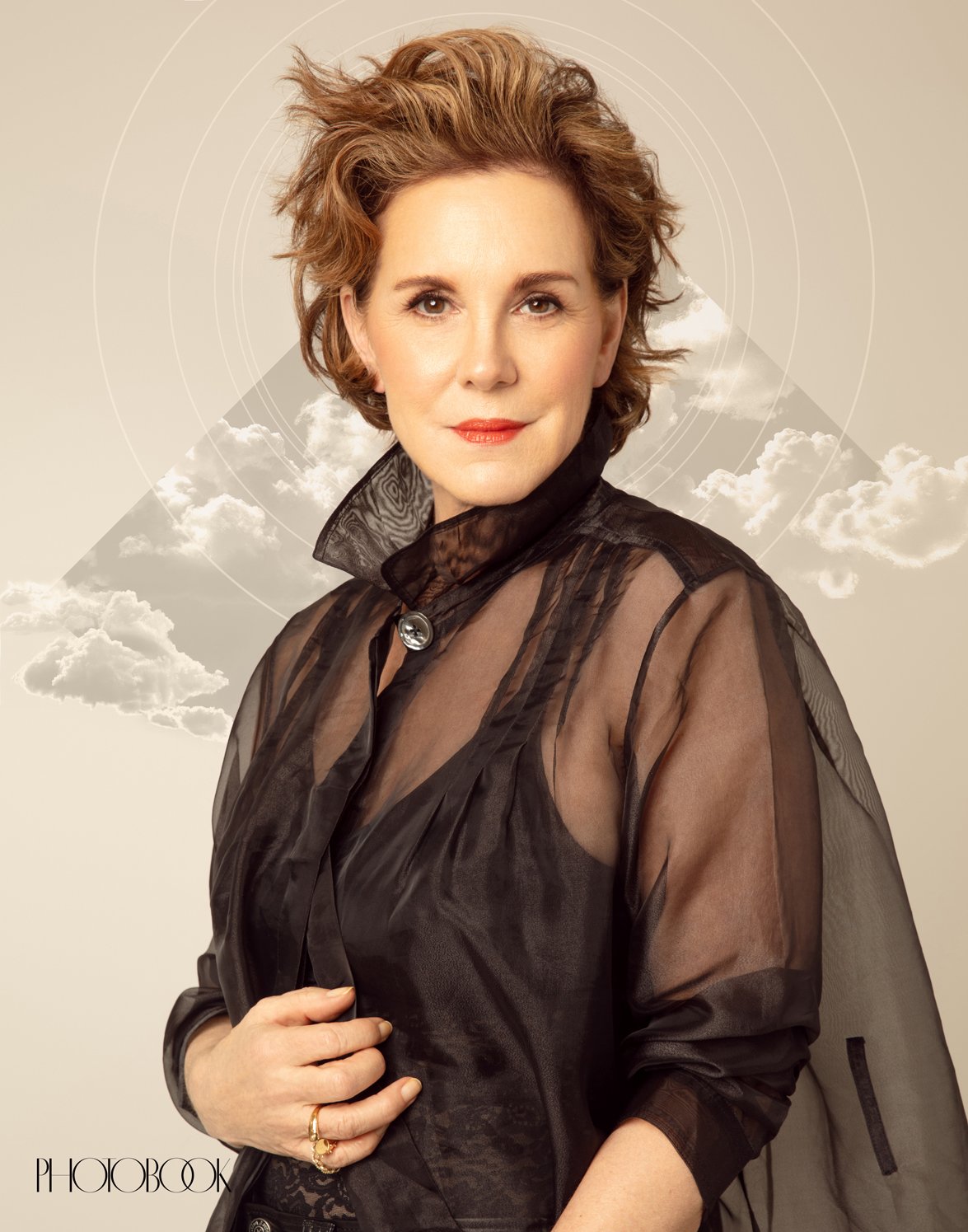
Coat by Lingua Franca
Bodysuit + Earrings + Rings by Stylist Own
With multiple Emmy, Golden Globe, and SAG nominations for Weeds, and a Gracie Award for Sharp Objects, how have those moments of recognition shaped the way you think about your work?
Recognition is always appreciated, but it’s never expected. If you have that expectation, you’re in the wrong business. While I think of accolades as an opportunity for greater adventures, it’s my least favorite part of the business. I am basically an introverted person. The whole award show press and red carpet scene, a lot of people love it and are in it just for that, but I’m more comfortable playing a character than presenting myself. Whenever there is an accolade, I am honored, but I think, "Well, now I’m going to the award show and playing the part of Elizabeth Perkins." It’s not why I’m an actor.
Your career spans comedy, drama, thriller, and family entertainment. How do you approach switching between such different genres?
I don’t look at them as different genres. I just look at who the person is and what situation they are in. You definitely get a "tenor" for the tone of the piece so everyone is consistent, but for me, there is no comedy without drama. That’s why you have the two masks: one happy, one sad. The basis of all comedy is drama or tragedy. Someone slips on a banana peel and falls down, that's a tragedy, but it's funny. T o me, there are always pieces of everything in every genre.
Working alongside actors like Blake Lively, Anna Kendrick, Amanda Seyfried, and Sydney Sweeney in Another Simple Favor and The Housemaid, how did their performances influence the way you approached your own characters?
I love this generation of actresses. T o be able to say I worked with all four of them in the last year is incredible. When we were in Italy, we also had Allison Janney, who I am a total fangirl of. Paul Feig’s projects are very female-forward and women-centric. T o be surrounded by other women, particularly across multiple generations, is very rare and comforting. There is an unspoken word on set when you’re working with great actresses: "If I throw the ball at you, you’re going to catch it and throw it back." It’s very calming.
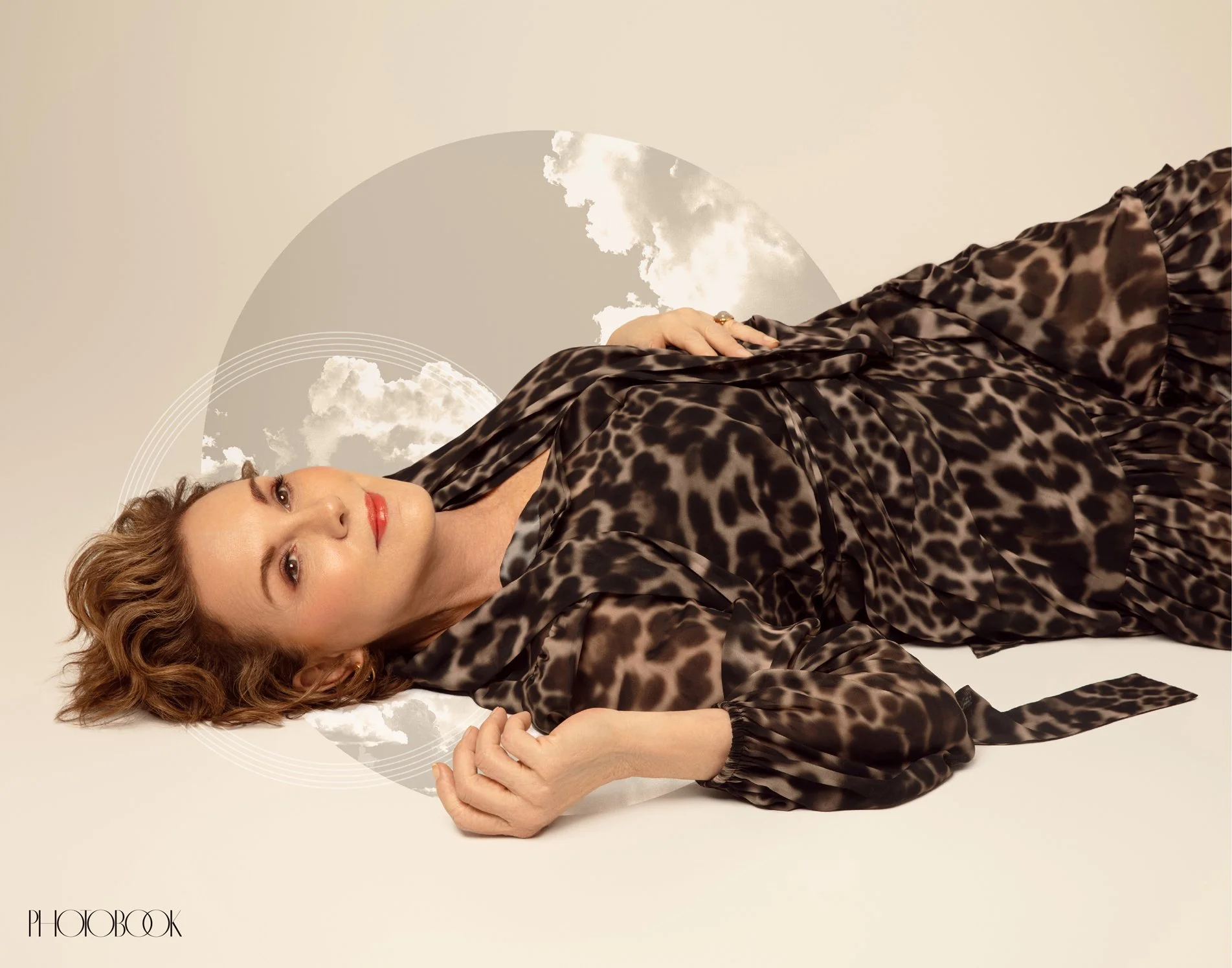
Dress by Kobi Halperin
Earrings + Rings by Stylist Own
You’re currently in production on FX’s psychological family thriller Cry Wolf. What drew you to this dark, suspenseful story, and what can audiences expect from your character?
The creator, Sarah Treem, and the star, Olivia Colman. Talk about "bow down", I can barely act with Olivia because I’m so busy watching her act. It’s a masterclass. Before I even read it, I said yes just to get to act with her. Again, it's a very female-forward universe. Brie Larson is also in it, and I play her mother. It’s a dark examination of the world of Child Protective Services. It’s a drama and it’s scary, I am part of the "dark and scary," and I'm probably not the best mother!
You’re joining Dan Levy’s Netflix series Big Mistakes, a darkly comedic ride into family and crime. What excites you most about being part of this unpredictable new show?
Dan Levy is a genius. He is one of the most inspiring, funny, deep, and kind people. It’s a similar situation to Paul Feig, if Dan asked me to just come hang out on set and bring him coffee, I’d do it. It’s a dark comedy that examines organized crime through a brother and sister (Dan Levy and Taylor Ortega) who are just befuddled and have no idea how they got themselves into such a mess.
At this stage of your career, what kind of roles or stories excite you most, and are there any risks you’re particularly drawn to taking next?
I really loved playing Celia Hodes on Weeds because she was so horrible. As an actor, there is a certain glee in playing someone dastardly, someone who has a secret they are trying to conceal, or someone who has been thrown out of their orbit and is trying to get back to their gravity. I’m very drawn to eccentric people. At 65, having done this for over 40 years, I’m in a position where I can choose to work with people I respect. I want to work with people who have integrity, not just for their work but for humanity. And I can't work with people who yell! The energy of a set trickles down from the top.All my experiences lately have been with people who know that being allowed to do this is a gift. They don’t take it for granted, and they have respect for the entire crew. Those are the people I want to work with.
CREW CREDITS:
Talent: Elizabeth Perkins
PhotoBook Editor-In-Chief: Alison Hernon
PhotoBook Creative Director + Photographer + Producer: Mike Ruiz
Fashion Stylist: Andrew Gelwicks at The Only Agency
Hair by Niko Weddle using Matrix at Judy Casey, Inc.
Makeup by Alexandria Gilleo
Background Art by Guillermo Huerta
Tearsheets by Daniel López, Art Director, PhotoBook Magazine
Interview Questions by Brya Sheridan, Assistant to Editor-in-Chief
Interview by Lily Kalbasz, Contributor, PhotoBook Magazine
Studio: Love Studios NY
RELATED STORIES