
Catching the Acting Bug: Sammy Dell on Resilience, Risk, and Rising to the Moment
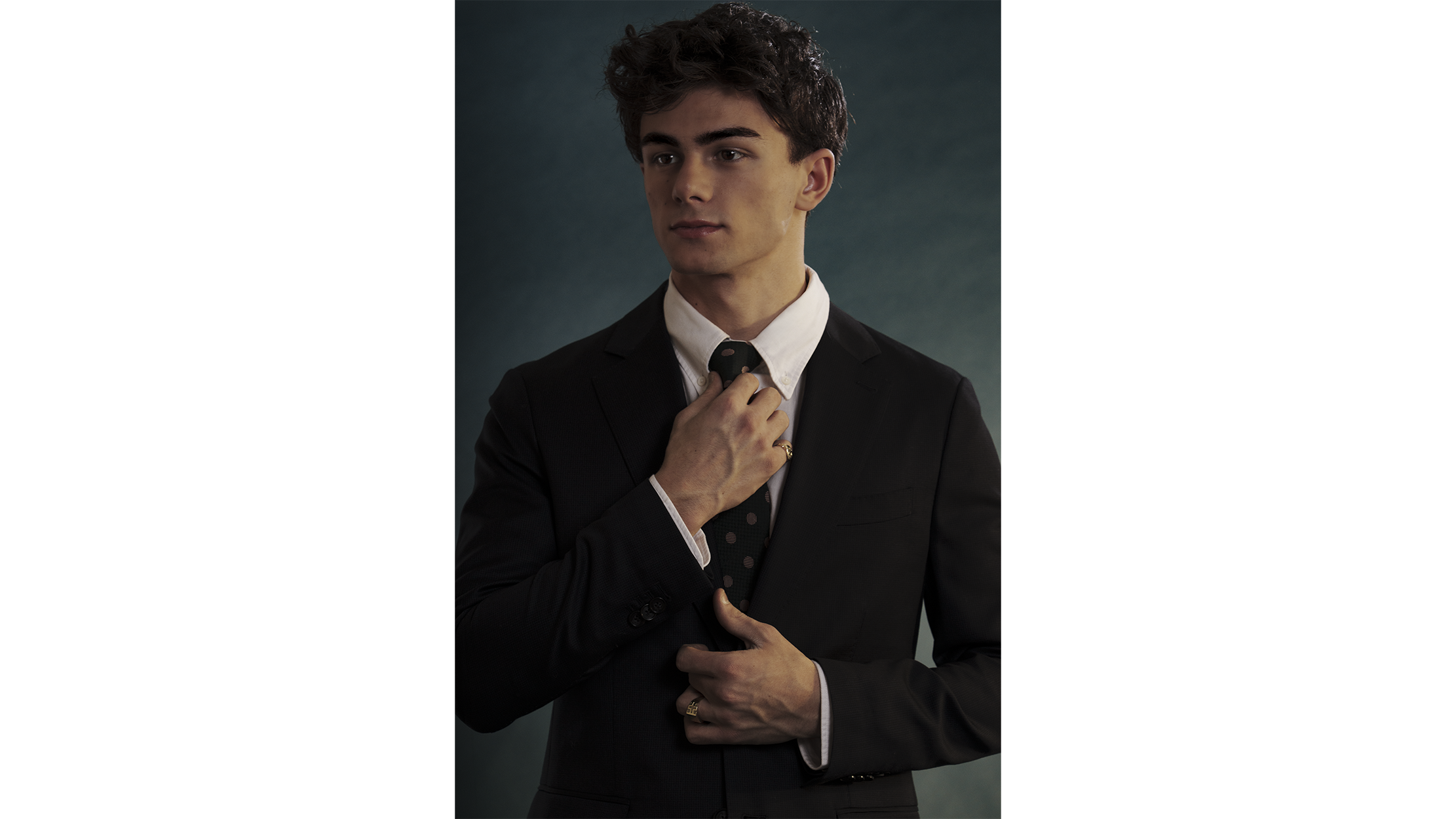
“I walked out in tears because I had messed something up and told my mom I never wanted to go back.”
For Sammy Dell, that moment at the Endicott Performing Arts Center could have been the end of the story. Instead, it became the beginning. Encouraged to give it one more try, he returned the next day and “something clicked.” What started in discomfort transformed into clarity, teaching him early on that resilience often hides in the moments that feel the most unbearable.
That same fearlessness followed him years later when he and his mom drove four hours to New York City for an open call for School of Rock. He was ten. No real vocal training. Little audition prep. “Honestly, I had no idea what I was doing,” he admits. But he went for it anyway. What he remembers most is not the audition itself, but the rush afterward—singing, playing the drums, stepping out of the room with a feeling of pure joy and success. It is a sensation he still chases before every audition.
Now, as he steps into emotionally layered roles like Sam in I Can Only Imagine 2, Dell is drawn to stories rooted in vulnerability—characters trying to find their voice while feeling misunderstood. For him, acting is not about perfection or volume. It is about honesty: sitting in the silence, embracing the messiness, and choosing to speak up anyway.
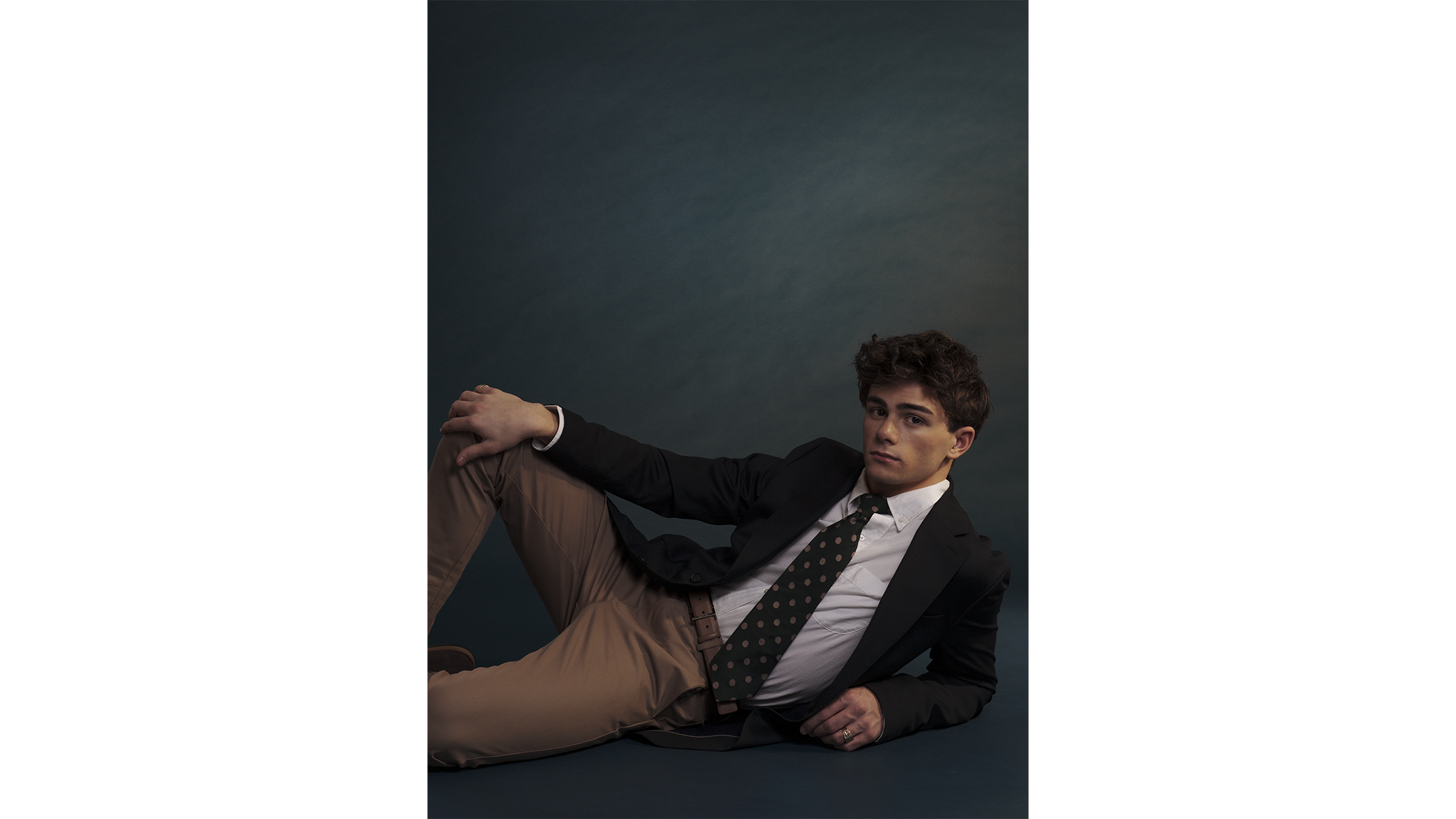
Sammy, how did you first get into acting, and what early experiences helped shape the kind of performer you are today?
I first got into acting at a community theater near where I lived called the Endicott Performing Arts Center. I still remember my very first day. I walked out in tears because I had messed something up and told my mom I never wanted to go back. She encouraged me to give it one more try and said that if I still hated it, I would not have to return. The next day, something clicked. I walked out completely changed. I had definitely caught the acting bug. That early experience taught me resilience and showed me that sometimes the most uncomfortable moments lead to discovering your biggest passions.
Your work spans stage, television, and film. Was there a moment when acting shifted from something you enjoyed to something you knew you wanted to pursue?
I knew acting was what I wanted to do forever during my first professional audition. I was about ten years old when my mom and I drove four hours to New York City for an open call for School of Rock. I had not really taken voice lessons yet and had very little audition prep, so honestly, I had no idea what I was doing. But I was ten, so I just went for it. I do not even remember the audition itself, but I vividly remember the feeling afterward. Singing and playing the drums in that room gave me a rush of pure joy and accomplishment. That feeling has stayed with me, and I still try to hold onto it whenever I prepare for auditions.
In I Can Only Imagine 2, you play Sam, Bart Millard’s son - a role that sits at the emotional center of the story. What initially drew you to this character?
I really fell in love with Sam’s story because I deeply resonated with it. His arc in the film reflects something most teenagers experience at some point: trying to find your voice while feeling misunderstood. It was easy to connect with him and understand what makes him tick. Within the first week of booking the role, I was already on the phone with the real Sam, talking not only about the story we were telling in the film but also about parts of his life beyond what audiences see on screen. That connection made the role feel incredibly personal and authentic.
Much of Sam’s experience is internal. How did you work to communicate his emotional journey in moments of silence or stillness?
The silence Sam carries throughout the film is something I think everyone can relate to. There is something beautiful about it. What Sam really wants is for his dad to understand him and see his perspective, but when that does not happen time and time again, he turns inward. I realized that the most important thoughts happen in those quiet moments so, I spent time sitting in my own silence, reflecting and understanding what that feels like. Once I understood my own quiet, it became clear why silence felt safer for Sam rather than reaching out.
What do you think Sam sees or senses that the adults in the room might be missing?
I think this goes both ways. Sam sees the power of music in ways even his dad couldn't at the time of the film and it starts to shape Sam's life in a way he didn't expect. On the other hand, Sam fails to see the willingness to connect from his dad which is carried through the film. Bart wants to be the perfect dad for Sam but he falls short and Sam is constantly let down.
The film explores a family navigating a life-altering diagnosis, leading Bart to write “Even If,” a song that asks people to sit with unanswered prayers. As an actor, how did you approach portraying faith not as certainty, but as something fragile and evolving?
Faith itself is fragile and that is the beauty of it. It ebbs and flows as you navigate life. If faith were perfect and unwavering, there would not be stories about it. Faith is what drives us, whether it is faith in yourself, in God, or in something greater. It gives you something to hold onto and sometimes something to wrestle with. I approached it as something deeply human, not polished or certain, but evolving.
What kind of direction or guidance was most helpful to you on set during emotionally heavy scenes?
The most helpful guidance I received was not something that was directly said to me. It was the professionalism on set. The moment the cameras started rolling, everyone was locked in. Watching such talented actors fully step into their characters at a moment’s notice helped me focus and raise my own level. I always felt supported and knew they had my back, which made it easier to take emotional risks.
Why do you think stories rooted in vulnerability resonate so strongly with young audiences?
Vulnerability is something many people struggle with because being open and sharing your truth can be difficult. I struggle with it myself, even though it is a big part of my job. Stories rooted in uncomfortable or messy situations help remind us that we are not alone. Everyone experiences fear, anger, embarrassment, or doubt. When we are honest about our shortcomings, we start to understand that life is not perfect and it is not supposed to be. What defines you is how you rise and move forward.
Working alongside actors like Arielle Kebbel, Milo Ventimiglia, and Dennis Quaid is a significant achievement. What lessons did you take away from being part of such a talented cast?
It was truly a dream to share the screen with such incredible actors. Their professionalism taught me how important it is to stay focused and prepared. Acting opposite someone like Milo can feel intimidating because of his success and talent, but working with him showed me that acting is not about one person carrying the scene. It is a team effort. When everyone trusts each other, the work becomes stronger.
What do you hope audiences take away from Sam in the film?
I hope audiences see Sam in this film and learn that even when times are hard, it is better to speak out and say how you feel than to internalize and shut down. You do not have to show all your cards at once, but if you make the effort to express yourself, you will feel more free and begin to understand that the beauty of life is found in its messiness.
You’ve appeared in projects like Law & Order: SVU and Bull, as well as the filmed Off-Broadway production of Trevor: The Musical. How does your approach differ when performing for the stage versus the screen?
In general, I am able to connect more intimately with my fellow actors on screen. Since I do not have to project to the back row, I can sit with my scene partner and communicate more subtly. However, on stage, the energy is bigger and more immediate, and you feel the audience with you in real time. One thing that is universal for both is that you still have to do the work. Having a solid foundation makes it much easier to take risks and make strong choices.
In addition to acting, you’re also a music artist. How does music influence the way you approach your performances as an actor?
Music is in everything I do. There is always a song stuck in my head or a melody I am trying to figure out. I believe every person has their own musical identity, so one way I connect to a character is by creating a playlist that blends my music taste with the character’s world. For Sam, I not only considered the music referenced in the film, but I also worked with the real Sam to create a playlist that felt authentic to both of us. That process helped ground the character in something deeply personal.
As a young artist building a multifaceted career, what kinds of stories or roles are you most drawn to telling next?
I am drawn to stories that are challenging and meaningful. Big blockbuster action films are what I grew up on, and I love them but, I am also excited to dive into more nuanced stories. Film can help you escape, and it can also help create change in the world. I would love to be a part of projects that do both.
Looking ahead, how do you envision success for yourself - both creatively and on a personal level?
There is something so powerful about all the mediums of acting. What I enjoy most is seeing life through different lenses. I want to inspire people to chase their dreams and truly commit to them. If you give one hundred and ten percent every time, then you have done all you can. What matters most is how you get up, keep going, and find the next opportunity.
RELATED STORIES

CREW CREDITS
Talent: Sammy Dell
PhotoBook Editor-In-Chief: Alison Hernon
PhotoBook Creative Director: Mike Ruiz
Photographer: Andrea Fremiotti
Fashion Stylist: Alison Hernon at Exclusive Artists
Groomer: Brad Lasky
Assistant Fashion Stylist: Sabrina Diaz
Tearsheets by Daniel López, Art Director, PhotoBook Magazine
Interview by Joaquina Dima, Contributor, PhotoBook Magazine